
The allure of Hawaii is undeniable – a string of volcanic islands in the heart of the Pacific Ocean, famous for its pristine beaches, vibrant culture, and breathtaking landscapes. For many, it represents the ultimate escape, a dream destination where the rhythm of life slows to the gentle lapping of waves. But before you can feel the warm sand between your toes or hear the strains of a ukulele, a fundamental question often arises: “How far is Hawaii from me?”
This isn’t merely a geographical query; it’s the first step in planning an epic journey. Understanding the distance to Hawaii involves more than just miles; it encompasses flight times, logistical considerations, and the unique position of this remote archipelago. For those yearning for an authentic Polynesian adventure, embarking on this journey is a rewarding endeavor that begins with precise information. This guide aims to demystify the travel logistics, providing a comprehensive overview that transforms a distant dream into a tangible itinerary.
The Geographical Reality: Understanding Hawaii’s Isolation
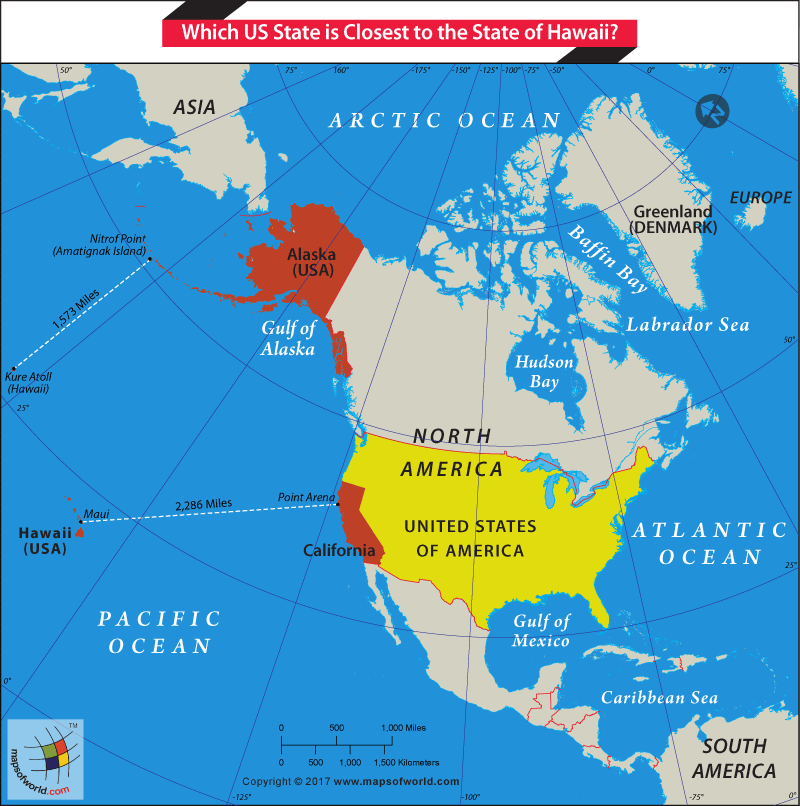
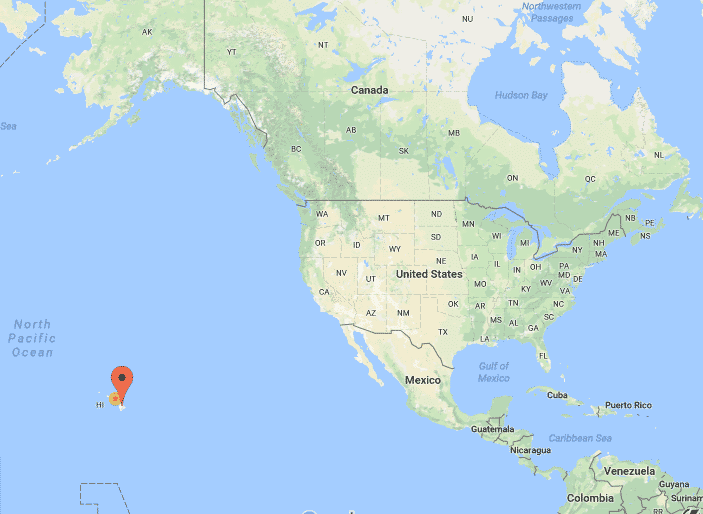
Hawaii holds the distinction of being the most isolated major population center on Earth, a fact that contributes significantly to its unique biodiversity and cultural preservation. Situated roughly equidistant from North America and Asia, its central Pacific location means a substantial journey for most travelers. This geographical isolation, however, is precisely what makes the islands so captivating, offering an untouched beauty rarely found elsewhere.
Distances from the Continental U.S.
For travelers originating from the United States mainland, Hawaii is a significant, yet common, destination. The majority of flights depart from cities on the West Coast, making these the shortest routes.
- From Los Angeles, California, to Honolulu, Oahu, the distance is approximately 2,550 miles (4,100 km).
- From San Francisco, California, to Honolulu, it’s around 2,390 miles (3,850 km).
- From Seattle, Washington, the journey to Honolulu covers about 2,680 miles (4,310 km).
As you move further east across the U.S., the distance, and consequently the travel time, increases.
- From Chicago, Illinois, to Honolulu, expect to cover roughly 4,250 miles (6,840 km).
- From New York City, New York, the distance extends to approximately 4,950 miles (7,965 km).
- From Miami, Florida, it’s a journey of about 4,800 miles (7,725 km) to Honolulu.
These figures represent the straight-line, or “as the crow flies,” distance, which is crucial for understanding the sheer scale of the journey.
International Perspectives
For travelers from other parts of the world, Hawaii requires an even more significant commitment in terms of distance. Its mid-Pacific location places it strategically for connections across the ocean.
- From Tokyo, Japan, to Honolulu, the distance is approximately 3,850 miles (6,200 km).
- From Sydney, Australia, to Honolulu, it’s a considerable 5,080 miles (8,175 km).
- From London, United Kingdom, to Honolulu, travelers face a mammoth journey of roughly 7,240 miles (11,650 km), often requiring multiple connections.
- From Vancouver, Canada, to Honolulu, it’s about 2,700 miles (4,345 km).
These distances underscore the fact that a trip to Hawaii is truly an international undertaking for many, irrespective of their starting point. The reward, however, is a destination unlike any other.
Navigating the Skies: Flight Durations and Logistics
While knowing the straight-line distance is helpful, the actual flight duration is what truly matters for travelers. Flight times are influenced by several factors, including the type of aircraft, wind patterns, specific flight paths, and whether the journey involves direct flights or connecting itineraries.
Direct Flights vs. Connecting Journeys
Direct flights offer the quickest and most convenient way to reach the Hawaiian Islands. From the U.S. West Coast, a direct flight to Honolulu typically ranges from 5 to 6 hours.
- Los Angeles or San Francisco to Honolulu: 5.5 to 6 hours.
- Seattle to Honolulu: 6 to 6.5 hours.
For travelers from the U.S. East Coast or Midwest, direct flights are less common but do exist from major hubs like Chicago, Dallas, and New York. These flights can range from 8 to 11 hours.
- Chicago to Honolulu: Approximately 8.5 to 9 hours.
- New York to Honolulu: Roughly 10 to 11 hours.
Many travelers, especially those from non-major hubs or international locations, will have connecting flights. A typical connecting journey from the U.S. East Coast to Hawaii can take anywhere from 12 to 16 hours or more, depending on the layover duration and connecting airports. International flights, such as those from Europe, will almost certainly involve at least one, if not two, connections, pushing total travel time well beyond 20 hours.
Major Airports in Hawaii
While Honolulu is the primary gateway, Hawaii boasts several international airports catering to visitors arriving on different islands.
- Daniel K. Inouye International Airport (HNL) on Oahu is the state’s largest and busiest airport, serving as the main entry point for most international and mainland U.S. flights.
- Kahului Airport (OGG) on Maui is the second busiest, offering direct flights from various U.S. cities.
- Kona International Airport (KOA) on the Big Island (officially Hawaii Island) also handles direct mainland flights.
- Lihue Airport (LIH) on Kauai and Ellison Onizuka Kona International Airport at Keāhole on the Big Island also have limited direct services from the mainland.
When booking, consider which island you wish to visit first, as flying directly to an outer island can save time compared to landing in Honolulu and then taking a connecting inter-island flight.
Airlines Serving the Hawaiian Islands
A multitude of airlines offer services to Hawaii, reflecting its popularity as a global destination. Key carriers include:
- Hawaiian Airlines: The state’s flagship carrier, known for its extensive inter-island network and flights to mainland U.S., Asia, and the South Pacific.
- United Airlines: Offers numerous daily flights from its hubs, particularly from the West Coast.
- Delta Air Lines: Provides extensive service from various U.S. cities.
- Alaska Airlines: A strong presence, especially from the Pacific Northwest.
- American Airlines: Another major player with routes from its large hubs.
- Budget carriers like Southwest Airlines and Allegiant Air have also entered the Hawaii market, offering more affordable options.
Checking multiple airlines and using flight comparison websites is always recommended to find the best routes and fares.
Time Zone Considerations: Bridging the Pacific Divide
When traveling to Hawaii, the significant time zone difference is just as important as the physical distance. It directly impacts your arrival experience and how quickly you can adapt to island life.
Understanding Hawaii Standard Time (HST)
Hawaii observes Hawaii Standard Time (HST), which is UTC-10. Crucially, Hawaii does not observe Daylight Saving Time. This means the time difference relative to other regions can vary throughout the year.
- During Standard Time (winter in the U.S.), HST is 2 hours behind Pacific Standard Time (PST), 3 hours behind Mountain Standard Time (MST), 4 hours behind Central Standard Time (CST), and 5 hours behind Eastern Standard Time (EST).
- During Daylight Saving Time (summer in the U.S.), HST is 3 hours behind Pacific Daylight Time (PDT), 4 hours behind Mountain Daylight Time (MDT), 5 hours behind Central Daylight Time (CDT), and 6 hours behind Eastern Daylight Time (EDT).
This time difference means you effectively gain time when flying westward to Hawaii, but “lose” time when flying back. For instance, a flight departing Los Angeles at 9 AM might land in Honolulu at 12:30 PM the same day, local time, despite a 5.5-hour flight duration.
Managing Jet Lag for a Seamless Arrival
The significant time change, especially for those traveling from the East Coast or internationally, can lead to jet lag. Planning for this is crucial for an enjoyable trip.
- Adjust Gradually: Try to shift your sleep schedule by an hour or two each day in the days leading up to your departure.
- Stay Hydrated: Drink plenty of water before, during, and after your flight to combat dehydration, which exacerbates jet lag.
- Avoid Excessive Caffeine and Alcohol: While tempting, these can disrupt your sleep cycle further.
- Embrace Natural Light: Upon arrival, expose yourself to natural light as much as possible, especially in the morning, to help reset your internal clock.
- Prioritize Sleep: Resist the urge to stay up late on your first night. Aim for a full night’s sleep to acclimate quickly.
- Light Exercise: Gentle activities like walking on the beach can help your body adjust.
Effective jet lag management ensures you can fully immerse yourself in the Hawaiian experience from day one.
Beyond Distance: Preparing for Your Hawaiian Adventure
Knowing “how far” is just the beginning. The next step involves practical planning to ensure your journey to Hawaii is as smooth and enjoyable as possible. This involves considering the best time to visit, what to pack, and how to navigate once you arrive.
Best Time to Visit
Hawaii enjoys a tropical climate year-round, making it an attractive destination any time. However, there are nuances:
- Peak Season (December to April): Cooler, drier weather with higher prices and more crowds, especially around holidays. Excellent for whale watching.
- Shoulder Season (April to June, September to November): Pleasant weather, fewer crowds, and often better deals on flights and accommodations. Ideal for those seeking a balance.
- Off-Peak Season (June to August): Warmer temperatures, higher humidity, and a greater chance of rain (though typically brief). Still popular, especially for families during school holidays.
Consider your priorities – budget, crowd levels, and specific activities – when deciding on your travel dates.
Essential Packing Tips
Packing smart is key for a comfortable Hawaiian vacation.
- Lightweight Clothing: Breathable fabrics like cotton and linen are ideal for the warm, humid climate. Think shorts, t-shirts, sundresses, and swimwear.
- Sun Protection: High-SPF reef-safe sunscreen is crucial, along with a wide-brimmed hat and sunglasses.
- Footwear: Sandals or flip-flops for the beach, comfortable walking shoes for sightseeing, and perhaps hiking shoes if you plan to explore trails.
- Rain Gear: A light rain jacket or umbrella can be useful for occasional showers.
- Reusable Water Bottle: Stay hydrated and reduce plastic waste.
- Camera: To capture the stunning scenery!
- Basic First-Aid Kit: For minor cuts or scrapes.
Remember that most airlines have baggage restrictions, so pack efficiently.
Exploring the Islands: Inter-Island Travel
Once you’ve arrived on one island, you might want to explore others. Inter-island travel is primarily done via short flights. Hawaiian Airlines and Southwest Airlines are the main carriers for these routes. Flight times between islands are generally short, ranging from 20 to 50 minutes. Each island offers a distinct experience:
- Oahu: Known for Waikiki Beach, Pearl Harbor, and the vibrant city of Honolulu.
- Maui: Famous for the Road to Hana, Haleakala National Park, and incredible whale watching.
- Kauai: The “Garden Isle,” boasting the dramatic Na Pali Coast and Waimea Canyon.
- Big Island (Hawaii Island): Home to Hawaii Volcanoes National Park and diverse microclimates.
- Molokai and Lanai: Smaller, quieter islands offering a more secluded experience.
Planning your inter-island itinerary in advance, especially during peak season, is advisable.
Making the Journey Worthwhile: The Allure of Hawaii
The extensive journey to Hawaii is undeniably an investment of time and resources. Yet, millions of travelers each year attest that the rewards far outweigh the effort. The archipelago’s unique charm, a blend of natural splendor and rich culture, creates an unparalleled travel experience.
A Mosaic of Natural Wonders
Hawaii’s landscape is a testament to nature’s artistry. From the fiery lava flows of Kilauea Volcano on the Big Island to the emerald cliffs of Kauai’s Na Pali Coast, the islands offer a constantly changing vista. Iconic beaches, such as Maui’s Ka’anapali Beach and Oahu’s Lanikai Beach, feature sands ranging from pristine white to dramatic black and even green. Lush rainforests teem with exotic flora and fauna, while the clear Pacific waters reveal vibrant coral reefs and abundant marine life. Each island presents its own distinct natural personality, inviting exploration and wonder.
Cultural Richness and Aloha Spirit
Beyond its natural beauty, Hawaii boasts a deep, captivating culture shaped by its indigenous Polynesian roots and a diverse tapestry of immigrant communities. The “Aloha Spirit” is more than a greeting; it’s a way of life, embodying hospitality, respect, and love for the land and people. Visitors have the opportunity to engage with Hawaiian traditions through hula performances, luaus, and historical sites. Exploring local markets, sampling traditional Hawaiian cuisine, and learning about the islands’ monarchy and ancient practices provides a profound connection to this special place.

Activities and Experiences Awaiting
Whether you seek adventure, relaxation, or cultural immersion, Hawaii delivers.
- Water Sports: Surfing, snorkeling, scuba diving, paddleboarding, and kayaking are popular activities, with world-class conditions for all skill levels.
- Hiking: Trails range from easy coastal walks to challenging treks through volcanic craters and dense rainforests.
- Volcano Exploration: Witnessing active volcanoes on the Big Island is a unique and awe-inspiring experience.
- Whale Watching: During winter months, humpback whales migrate to Hawaiian waters, offering incredible viewing opportunities.
- Relaxation: Simply unwinding on a pristine beach, enjoying a spa treatment, or savoring a sunset cruise can be the perfect antidote to daily stress.
- Culinary Delights: From fresh poke to farm-to-table cuisine and famous shave ice, Hawaii’s food scene is a delightful fusion of influences.
The distance to Hawaii may seem significant on a map, but the richness of experiences it offers makes every mile traversed, and every hour spent in transit, a worthy investment. It’s a journey not just across an ocean, but into a world of unparalleled beauty and profound cultural depth. So, while you now have a clearer understanding of “how far,” the more exciting question becomes: “When will I go?” Start planning your Hawaiian adventure today.
LifeOutOfTheBox is a participant in the Amazon Services LLC Associates Program, an affiliate advertising program designed to provide a means for sites to earn advertising fees by advertising and linking to Amazon.com. Amazon, the Amazon logo, AmazonSupply, and the AmazonSupply logo are trademarks of Amazon.com, Inc. or its affiliates. As an Amazon Associate we earn affiliate commissions from qualifying purchases.