
For travelers seeking a vibrant, historically rich, and welcoming destination, “Where is Boystown Chicago?” is a question that unlocks a unique experience in the heart of the United States. Known globally as the first officially recognized gay village in the United States, Boystown Chicago (now often referred to as Northalsted, reflecting a broader inclusivity) is more than just a geographic location; it’s a cultural landmark, a vibrant community, and a testament to resilience and celebration. This guide will take you through its precise location, delve into its storied past, highlight its must-visit attractions, and offer essential tips for planning your visit to this iconic Chicago neighborhood.
Locating Chicago’s Historic LGBTQ+ Epicenter
Understanding where Boystown Chicago is geographically situated is the first step in planning an immersive travel experience. This celebrated district is not a standalone town but a distinct and renowned neighborhood within the larger metropolitan fabric of Chicago.
Defining Boystown’s Geographical Footprint
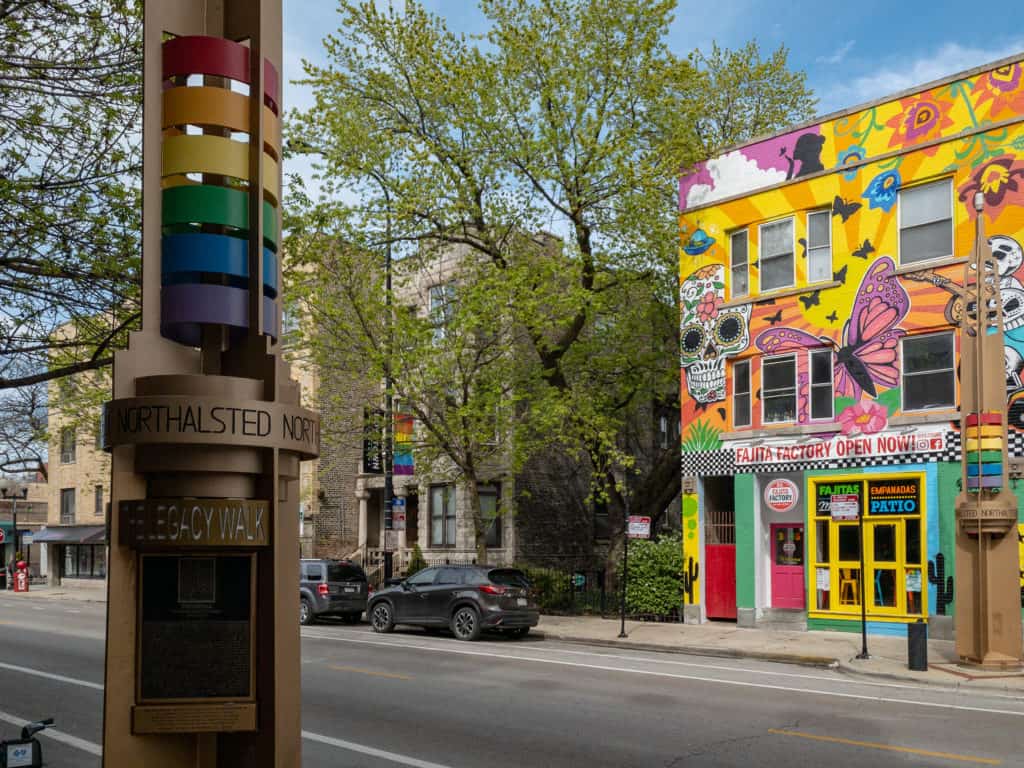
Boystown is nestled within the bustling Lakeview neighborhood on Chicago’s North Side. Its heart beats along a colorful stretch of Halsted Street, famously adorned with rainbow pylons that unmistakably mark its boundaries. Specifically, the core of this vibrant area spans from Belmont Avenue in the south up to Addison Street in the north, with its influence extending slightly east and west to incorporate adjacent streets like Broadway Street and Clark Street. This compact yet impactful zone is easily identifiable by its distinct atmosphere, a welcoming embrace that has defined it for decades. Its proximity to Lake Michigan also offers visitors the opportunity to enjoy scenic lakefront parks and recreational areas, just a short walk or ride away from the vibrant core of the neighborhood.
Navigating to the Heart of the Rainbow
Reaching Boystown is straightforward, thanks to Chicago’s excellent public transportation system. The most convenient way for travelers to arrive is via the Chicago Transit Authority (CTA) ‘L’ train. The Red Line serves the area directly, with the Belmont and Addison stations providing direct access to the southern and northern ends of Boystown, respectively. The Belmont stop is particularly advantageous as it is also served by the Brown and Purple Lines, offering connections from various parts of the city, including downtown Chicago’s Loop district.
For those preferring buses, several CTA routes, including the #8 Halsted bus, traverse the neighborhood, making it incredibly accessible. Driving is also an option, though parking can be limited, especially during peak hours or major events. Ride-sharing services are plentiful and provide convenient door-to-door access. Its central Lakeview location means it’s also within a short distance of other popular Chicago attractions, such as Wrigleyville (home to the Chicago Cubs and Wrigley Field), and the expansive green spaces of Lincoln Park. This prime positioning makes Boystown an easy and essential addition to any Chicago travel itinerary.
A Journey Through Boystown’s Vibrant Legacy
To truly appreciate Boystown Chicago as a travel destination, one must understand its profound historical and cultural significance. It is a place built on struggle, activism, and a powerful sense of community, evolving from a clandestine gathering spot to a proud, internationally recognized haven.
From Humble Beginnings to a Cultural Landmark
The origins of Boystown trace back to the mid-20th century when gay and lesbian individuals, seeking solace and community in a less accepting world, began to congregate in specific areas of Chicago. The Lakeview area, particularly around Halsted Street, gradually emerged as a semi-clandestine hub for LGBTQ+ life, primarily due to affordable housing and proximity to downtown. Over decades, this informal gathering place blossomed into a vibrant district.
In 1997, Chicago officially recognized Boystown as the nation’s first gay village, a monumental step that symbolized decades of activism and community building. This official designation not only provided a sense of legitimacy and pride but also paved the way for urban development initiatives that further cemented its identity, such as the installation of the iconic rainbow pylons in 1998. It became a beacon of hope and a safe space, drawing LGBTQ+ individuals and allies from across the nation and beyond, fundamentally shaping Chicago’s reputation as an inclusive city.
The Spirit of the Neighborhood: Community and Celebration
Beyond its physical boundaries and historical milestones, the true spirit of Boystown lies in its enduring sense of community and its jubilant celebrations. Throughout the year, the neighborhood pulsates with energy, reflecting its rich cultural tapestry. The annual Chicago Pride Parade, held every June, draws over a million spectators and participants, transforming Halsted Street into an explosion of color, music, and unbridled joy. This event is not merely a parade but a powerful statement of visibility, unity, and progress.
Another highlight for travelers is Northalsted Market Days, one of the largest street festivals in the Midwest. Held every August, this weekend-long extravaganza features live music across multiple stages, diverse food vendors, unique artisan crafts, and an electric atmosphere that showcases the neighborhood’s vibrant spirit. Even outside of these major events, the everyday atmosphere of Boystown is welcoming and inclusive, making it a comfortable and engaging place for all travelers to explore. It’s a place where history is alive, celebrated, and continuously being written by a diverse and dynamic community.
Must-Visit Attractions and Experiences for Travelers
For any traveler to Chicago, a visit to Boystown promises a unique blend of historical significance, vibrant culture, and engaging entertainment. The neighborhood is replete with attractions that cater to diverse interests, ensuring a memorable experience.
Iconic Landmarks and Public Art
At the heart of Boystown’s cultural landscape is the Legacy Walk, an outdoor museum celebrating LGBTQ+ history and people. Installed on the rainbow pylons along Halsted Street, the Legacy Walk features bronze plaques commemorating significant individuals and events in the global LGBTQ+ movement. A stroll along this mile-long stretch offers an insightful journey through the struggles and triumphs that have shaped the community, making it an essential stop for history enthusiasts and anyone seeking a deeper understanding of LGBTQ+ contributions.
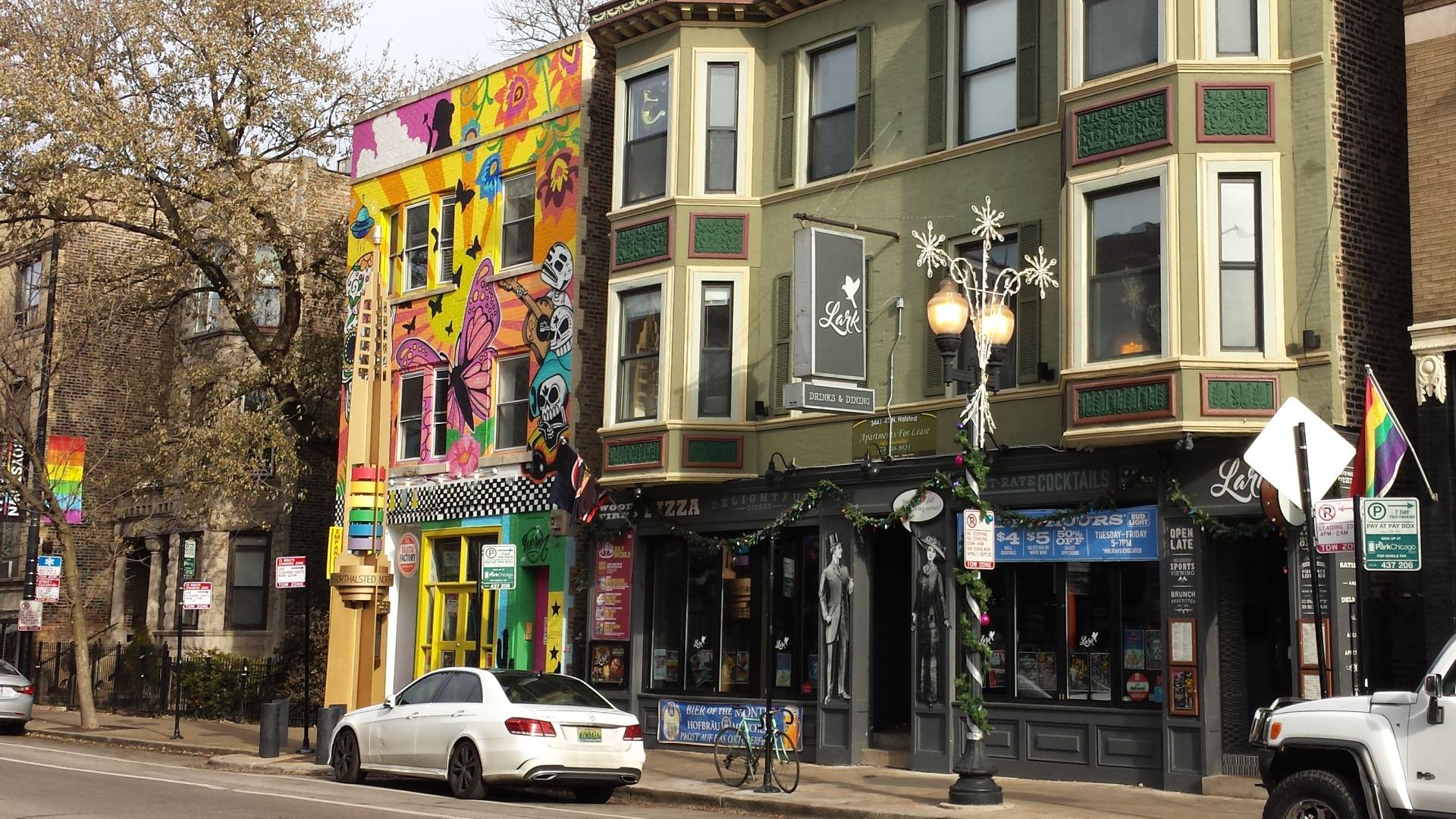
Beyond the Legacy Walk, the neighborhood boasts an array of captivating public art, from colorful murals adorning building exteriors to unique sculptural installations. These artistic expressions reflect the district’s creative spirit and its unwavering commitment to diversity and inclusion. The “Pride Pylons” themselves, with their distinctive rainbow colors, have become iconic symbols of the neighborhood, providing a perfect backdrop for photographs and serving as a welcoming gateway to the area.
Dining and Nightlife: A Taste of Boystown

Boystown’s culinary scene is as diverse and dynamic as its community. Travelers can find everything from casual cafes to upscale dining establishments. For a classic Chicago diner experience, Ann Sather is a local institution renowned for its hearty breakfasts and famous cinnamon rolls. International flavors abound, with numerous eateries offering cuisines ranging from Thai and Japanese to Italian and Mexican. Many restaurants also feature outdoor seating, perfect for people-watching along Halsted Street on a pleasant evening.
As dusk falls, Boystown truly comes alive with its legendary nightlife. The area is home to some of Chicago’s most iconic LGBTQ+ bars and clubs. Sidetrack, a multi-room video bar, is a perennial favorite, known for its friendly atmosphere and diverse crowd. Roscoe’s Tavern offers a lively dance floor and drag shows, while Kit Kat Lounge & Supperclub provides a unique dining and entertainment experience with its celebrated drag performances. For arcade game enthusiasts and craft beer lovers, Replay Lakeview offers a fantastic blend of entertainment. Whether you’re looking for a quiet drink, a dance party, or an evening of drag, Boystown’s nightlife has something for everyone.
Shopping and Entertainment
Beyond dining and nightlife, Boystown offers an eclectic mix of shopping and entertainment options. Independent boutiques line Halsted Street and surrounding avenues like Broadway Street, offering unique fashion, gifts, and souvenirs that reflect the neighborhood’s distinctive style. From quirky novelty shops to stores specializing in vintage finds, there’s always a treasure to discover.
For those interested in performing arts, several small theaters in and around Boystown showcase diverse productions, from improv comedy to dramatic plays. Travelers can also explore the vibrant street art scene, which often features murals and graffiti by local artists, adding another layer to the neighborhood’s visual appeal. During the warmer months, the area often hosts outdoor markets and community events, providing additional opportunities for engagement and entertainment. The combination of historical significance, cultural richness, and lively leisure options makes Boystown an unforgettable destination for any traveler.
Planning Your Trip to Boystown
A well-planned trip enhances any travel experience, and visiting Boystown Chicago is no exception. Considering the best time to visit, knowing your accommodation options, and understanding how to integrate it into a broader Chicago itinerary will help you make the most of your journey.
Best Times to Visit and Events
The vibrancy of Boystown can be enjoyed year-round, but certain seasons and events offer unique attractions for travelers. Summer (June to August) is undeniably the most festive time to visit, primarily due to the Chicago Pride Parade in June and Northalsted Market Days in August. These events draw massive crowds, creating an electric atmosphere, but also mean higher demand for accommodation and potentially crowded venues. If you plan to visit during these times, booking well in advance is highly recommended.
Spring (April to May) and Fall (September to October) offer pleasant weather and a slightly calmer pace, perfect for exploring the Legacy Walk, enjoying outdoor dining, and experiencing the neighborhood’s daily rhythm without the major festival crowds. Winter (November to March) can be cold, but Boystown’s indoor venues, from cozy restaurants to lively bars, remain welcoming. The holiday season also brings a unique charm to Chicago, with festive decorations and events throughout the city.
Accommodation Options Near Boystown
While Boystown itself is primarily a residential and commercial district, there are numerous hotels and accommodation options within easy reach. Travelers seeking to stay directly within or very close to the neighborhood will find boutique hotels and guesthouses in the broader Lakeview area, particularly along Broadway Street and Clark Street. These options often provide a more local and intimate experience.
Alternatively, downtown Chicago (Loop and Magnificent Mile) offers a vast array of hotels, from luxury resorts to budget-friendly options. Staying downtown provides excellent access to major tourist attractions and convenient CTA connections to Boystown. Many travelers also consider staying in adjacent North Side neighborhoods like Lincoln Park or Wrigleyville, which offer a mix of accommodations and are just a short ride away from Boystown’s core. Booking platforms can provide detailed information on specific hotels, apartment rentals, and guesthouses, allowing travelers to choose based on budget, preferences, and desired proximity.
Maximizing Your Chicago Itinerary
Integrating Boystown into your larger Chicago itinerary is seamless due to its excellent connectivity. You can easily combine a morning spent exploring the museums in Grant Park or the Art Institute of Chicago with an afternoon discovering the Legacy Walk and boutique shops of Boystown, followed by an evening experiencing its vibrant nightlife.
Consider planning your visit to coincide with a Chicago Cubs game at nearby Wrigley Field for a quintessential Chicago experience, as Wrigleyville is just a short walk west of Boystown. A day could also involve visiting the Lincoln Park Zoo and conservatory, followed by dinner and a show in Boystown. Utilizing a CTA pass is a cost-effective and efficient way to travel between different neighborhoods and attractions, ensuring you get the most out of your Chicago adventure while fully appreciating the unique charm and significance of Boystown.
Beyond Boystown: Embracing Chicago’s Inclusive Spirit
While Boystown stands as a prominent symbol of LGBTQ+ life, Chicago’s inclusive spirit extends far beyond this vibrant district. Understanding this broader context enriches the travel experience, highlighting the city’s overall welcoming ethos.
The Evolving Landscape of LGBTQ+ Chicago
The term “Boystown,” while historically significant, has evolved, with the district now increasingly referred to as Northalsted to encompass a wider spectrum of identities, including lesbian, bisexual, transgender, and queer individuals. This linguistic shift reflects a broader understanding of inclusivity and the community’s ongoing growth. Chicago has always been a city of neighborhoods, and while Boystown was the first official gay village, LGBTQ+ friendly spaces and communities have blossomed in other parts of the city.
Neighborhoods like Andersonville on the North Side, known for its Swedish heritage and independent boutiques, have also become significant hubs for lesbian-identifying individuals and a diverse LGBTQ+ population. Uptown and even parts of the Gold Coast and West Loop have seen the emergence of LGBTQ+ friendly venues and communities. This expansion signifies Chicago’s continuous commitment to fostering diverse and welcoming environments across its urban landscape, offering travelers multiple facets of the city’s inclusive culture to explore.
Why Boystown Remains a Premier Travel Destination
Despite the evolution and spread of LGBTQ+ spaces across Chicago, Boystown (or Northalsted) continues to hold a premier position as a travel destination. Its unique charm stems from its rich history as a pioneer in LGBTQ+ recognition, a legacy that is palpable in its streets, businesses, and community spirit. For many, it remains a symbolic home, a place of celebration, and a testament to the power of identity and collective joy.
Travelers are drawn to its concentrated energy, the iconic rainbow pylons, the historic Legacy Walk, and the sheer density of LGBTQ+ owned and operated businesses that create a distinct and welcoming atmosphere. It offers a unique cultural immersion, a chance to learn about an important facet of American history, and an opportunity to partake in vibrant festivities. Whether you are part of the LGBTQ+ community or an ally eager to experience a pivotal cultural landmark, Boystown Chicago is not just a location to visit; it is an experience to embrace, a testament to inclusivity, and a must-see destination on any comprehensive Chicago travel itinerary. Its enduring appeal lies in its ability to offer a welcoming, educational, and profoundly joyful journey into a significant piece of modern urban culture.
LifeOutOfTheBox is a participant in the Amazon Services LLC Associates Program, an affiliate advertising program designed to provide a means for sites to earn advertising fees by advertising and linking to Amazon.com. Amazon, the Amazon logo, AmazonSupply, and the AmazonSupply logo are trademarks of Amazon.com, Inc. or its affiliates. As an Amazon Associate we earn affiliate commissions from qualifying purchases.