
For anyone planning a memorable trip to the Golden State, understanding the academic calendar in California is not merely a trivial detail; it’s a strategic imperative. Whether you’re aiming to traverse the state’s iconic landscapes, immerse yourself in vibrant city life, or explore its world-class attractions, the rhythm of school schedules profoundly impacts everything from crowd levels and accommodation prices to the overall ambiance of your travel experience. Unlike some regions with standardized education calendars, California’s approach to school start dates is nuanced, reflecting the autonomy of its numerous school districts. This guide delves into the intricacies of California school schedules, equipping you with the insights needed to plan an optimal California getaway that aligns perfectly with your travel preferences and budget.
Navigating [California]’s Diverse School Calendars
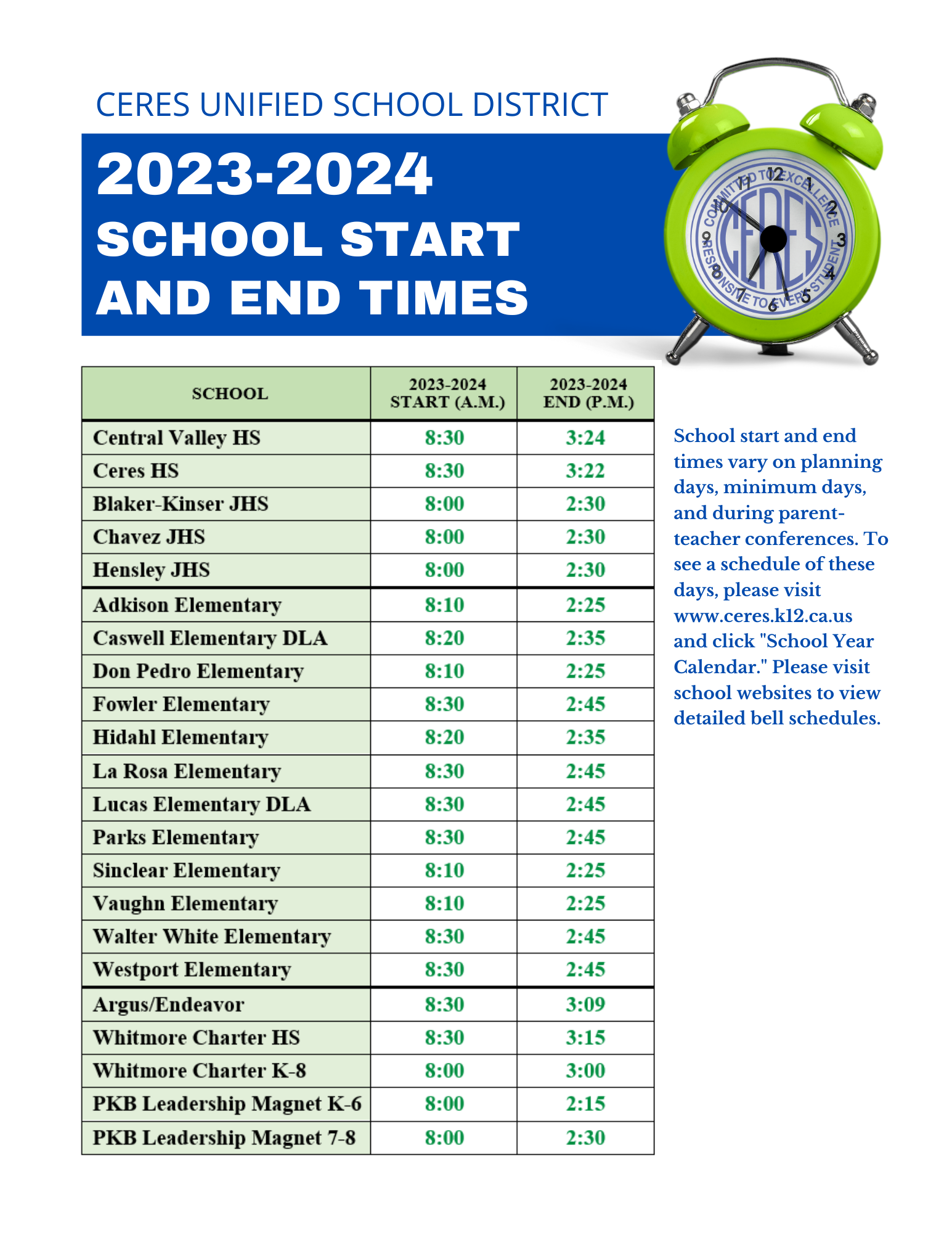
The question “When does school start in California?” doesn’t have a single, universal answer. The state’s vastness and the localized governance of education mean that start dates can vary significantly from one county or even one city to another. This decentralized system is crucial for travelers to understand, as it dictates the ebb and flow of tourist activity throughout the year.
The General Back-to-School Timeline
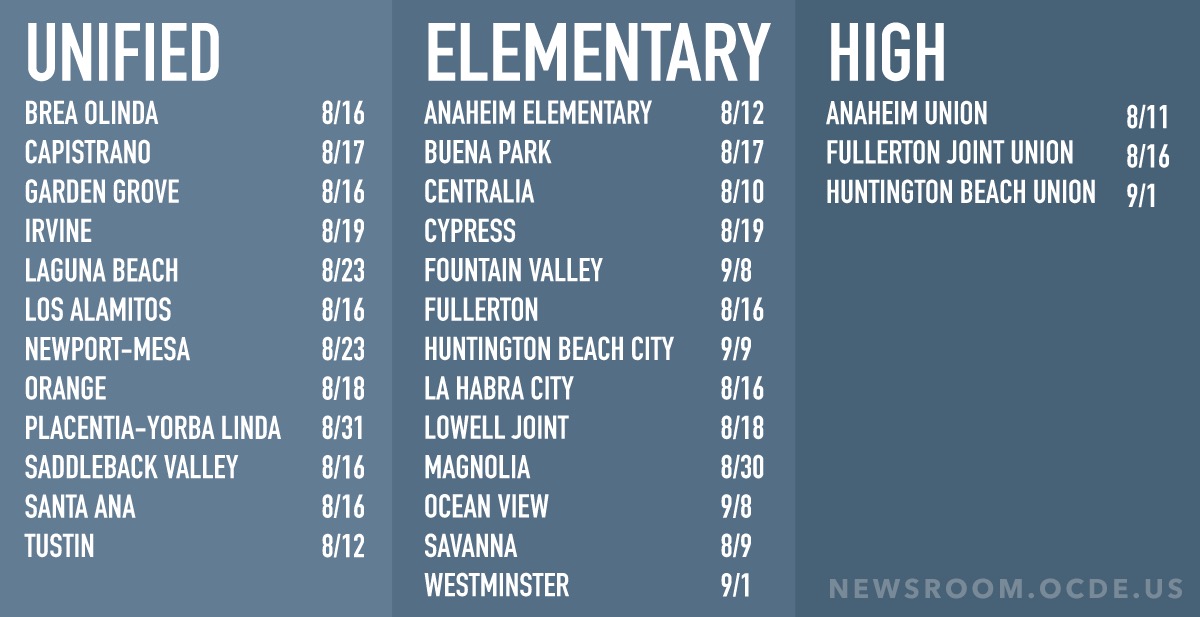
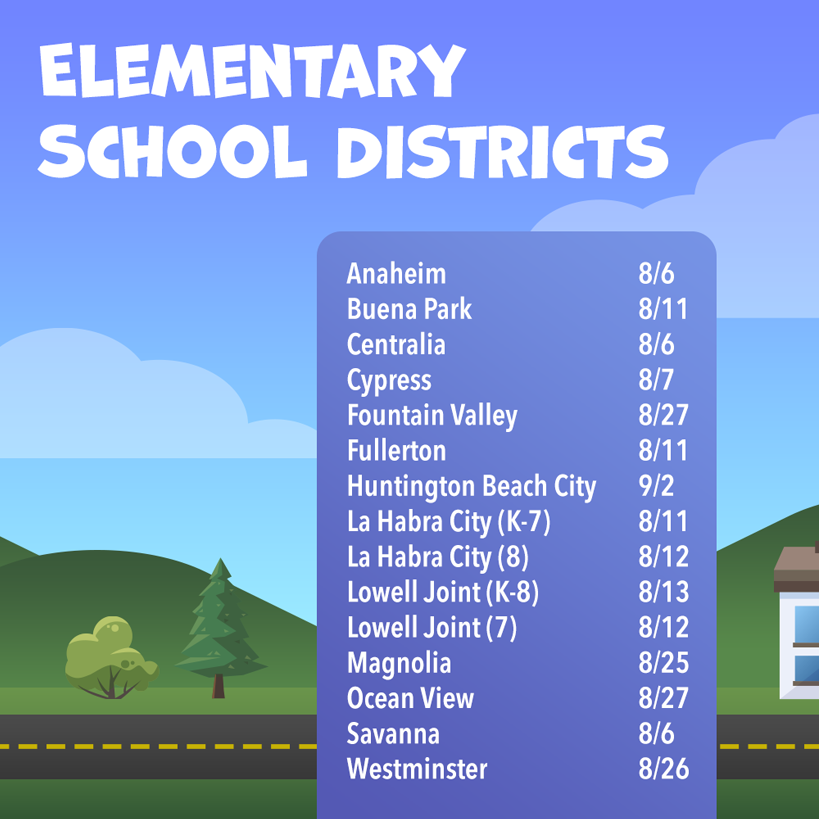
Historically, many school districts across the United States, including those in California, commenced classes the day after Labor Day. However, this tradition has largely shifted. Over the past couple of decades, there’s been a growing trend for many California districts to begin their academic year in mid-August, often in the second or third week. Some districts, particularly those in Southern California, might even start as early as the first week of August, while a diminishing number still adhere to a post-Labor Day start, typically in early September.
This earlier start impacts late summer travel plans dramatically. What once was a prime window for family vacations extending through August now often coincides with schools resuming, meaning attractions begin to see a decline in family crowds after the second week of August. Conversely, this also means that the “off-season” for family travel effectively begins earlier, potentially opening up opportunities for travelers seeking fewer crowds and better deals from late August onwards.
Key Factors Influencing Start Dates
Several factors contribute to the varied school calendars across California:
- District Autonomy: California is home to over 1,000 public school districts, each with the authority to set its own academic calendar. This allows districts to tailor schedules to local community needs, weather patterns, and specific educational goals. For instance, a district in a colder, mountainous region might build in longer winter breaks, while one in a warmer climate might structure its calendar to finish the school year earlier to avoid peak summer heat.
- Year-Round vs. Traditional Schedules: While the vast majority of California schools operate on a traditional nine-month calendar with a long summer break, a small percentage, particularly in densely populated urban areas, might utilize a year-round schedule. These calendars rotate students through shorter instructional periods interspersed with more frequent, shorter breaks. While less common for K-12 public schools than in past decades, these schedules can still affect local traffic and smaller attractions in the areas where they operate, though their impact on broader tourism trends is minimal compared to traditional schedules.
- Instructional Days Requirements: The California Department of Education mandates a minimum number of instructional days (typically 180 days for most schools) and minutes per academic year. Districts must plan their calendars to meet these requirements while also factoring in staff development days, holidays, and parent-teacher conference days. This framework allows for flexibility within set parameters, leading to the diverse start and end dates observed across the state.
Seasonal Travel Implications for Your [California] Getaway
Understanding when California schools are in session versus on break is a cornerstone of intelligent travel planning. It’s the primary indicator of crowd levels, demand for services, and ultimately, the cost of your trip.
Avoiding Peak Crowds and High Prices
The period when California schools are actively in session – generally from mid-August/early September through late May/early June – is often considered the optimal time for travelers seeking a more relaxed experience. During these months, major attractions typically experience significantly lower crowd densities compared to summer or major holiday breaks. Imagine navigating the magical realms of Disneyland or Universal Studios Hollywood with shorter wait times, marveling at the marine life at the San Diego Zoo without bustling throngs, or admiring the Golden Gate Bridge vista with more breathing room. Even California’s stunning national parks, such as Yosemite, offer a more serene experience outside the peak summer rush.
Beyond the reduced crowds, traveling during the school year often translates to substantial cost savings. Airlines frequently offer lower fares, hotels and resorts may have more availability and reduced rates, and even some attraction tickets or package deals can be more affordable. This “shoulder season” (fall and spring) also boasts some of California’s most pleasant weather, making it ideal for outdoor activities, sightseeing, and exploring various regions comfortably.
Ideal Times for Family Travel
For families traveling with school-aged children, aligning vacations with school breaks is often unavoidable. This means contending with higher demand and increased costs, but also the vibrant atmosphere that comes with peak travel times. Key periods for family travel include:
- Winter Break: Typically lasting from late December through early January, coinciding with the Christmas and New Year holidays. This is a magical time to visit theme parks, enjoy festive events, or experience snow in [California](https://lifeoutofthebox.com/california]’s mountain regions, though it’s also one of the most expensive and crowded periods.
- Spring Break: Usually falls in March or April, with dates varying widely by district and state. This period sees an influx of families and college students, particularly to coastal areas and theme parks. Early planning and booking are essential to secure desired accommodations and avoid last-minute price surges.
- Summer Break: The longest holiday period, running from late May/early June through mid-August/early September. This is the quintessential family vacation season, with all attractions operating at full capacity and maximum crowds. While it offers the widest range of activities and longest operating hours, it also comes with the highest prices and busiest conditions.
It’s also important to consider that not all school breaks across the country align perfectly. A California spring break might not be the same week as one in New York or Texas, meaning there can be brief windows where crowds are slightly less intense than absolute peak.
Planning Your Trip Around [California] School Holidays
To effectively plan your California adventure, particularly if you’re aiming for specific experiences or trying to manage costs and crowds, knowing the major holiday periods when schools are out of session is critical. These are the times when tourist destinations experience their biggest surges.
Major School Holiday Periods
While specific dates fluctuate, the general windows for major school holidays across California are relatively consistent:
- Winter Break: This usually spans two to three weeks, typically starting a few days before Christmas Day and extending into the first week of January. Expect extremely high demand for travel and lodging during this festive period, especially at family-centric destinations and ski resorts.
- Spring Break: This break is highly variable, often falling anytime from mid-March to late April, depending on the district’s calendar. Some districts align it with Easter, while others simply schedule it for a week-long respite. This is a popular time for beach trips and theme park visits.
- Summer Break: As mentioned, this is the longest break, generally kicking off in late May or early June and concluding by mid-August or early September. This is the peak season for California tourism, offering the warmest weather but also the largest crowds and highest prices.
- Other Notable Breaks: Shorter breaks throughout the academic year can also impact local tourism. These include one-day holidays like Veterans Day (November 11th) and Presidents’ Day (third Monday in February), as well as longer breaks such as the week of Thanksgiving (late November). While less impactful than summer, these periods can still lead to increased local travel and some localized crowd surges.
Researching Specific District Calendars
The most reliable way to pinpoint exact school start and end dates, as well as holiday periods, is to consult the official websites of the specific school districts in the areas you plan to visit. If your primary destination is Los Angeles, for instance, you’ll want to check the calendar for the Los Angeles Unified School District (LAUSD), one of the largest in the nation. Similarly, for a trip to San Francisco, reviewing the San Francisco Unified School District (SFUSD) calendar would be advisable.
A quick online search for “[city name] school district calendar” will usually lead you to the relevant information. Pay attention not just to the start and end dates, but also to teacher workdays and professional development days, as these can sometimes create unexpected long weekends for students. For travelers, this granular research ensures you’re making the most informed decisions about when to visit and what to anticipate.
Maximizing Your [California] Experience: Strategic Timing for Every Traveler
Armed with knowledge about California’s diverse school schedules, you can strategically plan your visit to align with your personal travel goals, whether that’s saving money, avoiding crowds, or creating the perfect family memories.
For Budget-Conscious Explorers
If your primary goal is to stretch your travel budget while enjoying California’s offerings, timing is everything. The ideal periods are the shoulder seasons and during the active school year. Target late September through October, and April through early May. These months typically offer:
- Lower Prices: Flights, hotels, and car rentals are often significantly cheaper outside of peak school holiday periods.
- Fewer Crowds: Attractions, restaurants, and popular destinations are less congested, allowing for a more relaxed and immersive experience.
- Pleasant Weather: Both fall and spring in California often boast comfortable temperatures, making it ideal for exploring cities, hiking national parks, or enjoying coastal scenery without the intense summer heat or winter chill.
- Mid-Week Travel: Regardless of the season, traveling mid-week (Tuesday to Thursday) almost always yields better deals and fewer crowds than weekend excursions.
By carefully selecting your travel dates to coincide with the academic year, budget travelers can experience the richness of California without breaking the bank.
For Families with Young Children
Families traveling with pre-school-aged children have a unique advantage: they are not bound by school holiday schedules. This opens up opportunities to visit during the quieter, more affordable school term. Consider:
- Pre-K Travel during School Terms: Take advantage of smaller crowds and better prices at family-friendly attractions like zoos, aquariums, and museums during the week when older children are in school.
- Aligning with Family-Friendly Events: California hosts numerous festivals and events year-round. While some may be during peak holidays, many local events occur during off-peak times, offering authentic cultural experiences without the massive tourist influx.
- Destination Selection: Some destinations are inherently less impacted by school schedules, or offer specific programs for younger children that are less tied to the academic calendar. Researching specific events or programs can enhance the experience for younger travelers.
For families with older children, strategic planning around their school breaks, combined with booking well in advance, remains the best approach to securing memorable and enjoyable trips.
For Solo Travelers and Couples
Solo travelers and couples often seek experiences that are more intimate, serene, and allow for deeper engagement with a destination. The freedom from school holiday constraints provides the ultimate flexibility to achieve this in California.
- Embrace the Off-Season: Travel between September and May (excluding major holidays like Christmas and Spring Break) for a distinctly different California experience. Enjoy uncrowded trails in national parks, quieter dining experiences, and easier access to popular sights.
- Discover Local Flavors: With fewer tourists, you’ll often find it easier to connect with local culture, explore neighborhood eateries, and discover hidden gems. Imagine a tranquil wine tasting tour in Napa Valley or a leisurely stroll through a San Francisco museum, savored without the rush.
- Flexible Itineraries: The reduced demand during the school year allows for more spontaneous decisions and easier last-minute bookings, adding an element of adventure to your trip.
In conclusion, the start dates for schools in California are not fixed, but understanding their general patterns and how they influence the travel landscape is an invaluable asset. By doing a little research and strategically timing your visit, you can unlock a more enjoyable, often more affordable, and authentically California experience, no matter your travel style.
LifeOutOfTheBox is a participant in the Amazon Services LLC Associates Program, an affiliate advertising program designed to provide a means for sites to earn advertising fees by advertising and linking to Amazon.com. Amazon, the Amazon logo, AmazonSupply, and the AmazonSupply logo are trademarks of Amazon.com, Inc. or its affiliates. As an Amazon Associate we earn affiliate commissions from qualifying purchases.