
For anyone considering a move to the Centennial State, evaluating the financial landscape is a critical component of lifestyle planning. Whether you’re a remote worker eyeing the stunning Rocky Mountains as your new office backdrop, an entrepreneur looking for fertile ground to grow a business, or a family seeking a vibrant community and outdoor adventures, understanding Colorado‘s tax structure is paramount. The direct answer to the question “Does Colorado have income tax?” is a resounding yes. However, the simplicity of that answer belies the nuances and lifestyle implications of Colorado’s unique tax system. Unlike some states with progressive tax rates that increase with income, Colorado stands out with a flat income tax. This distinctive approach to taxation shapes everything from your disposable income and budgeting strategies to the state’s economic appeal for residents and businesses alike. Dive in as we explore the intricacies of Colorado income tax and how it factors into the broader lifestyle equation of living in this dynamic state.
Understanding Colorado’s Flat Income Tax Rate
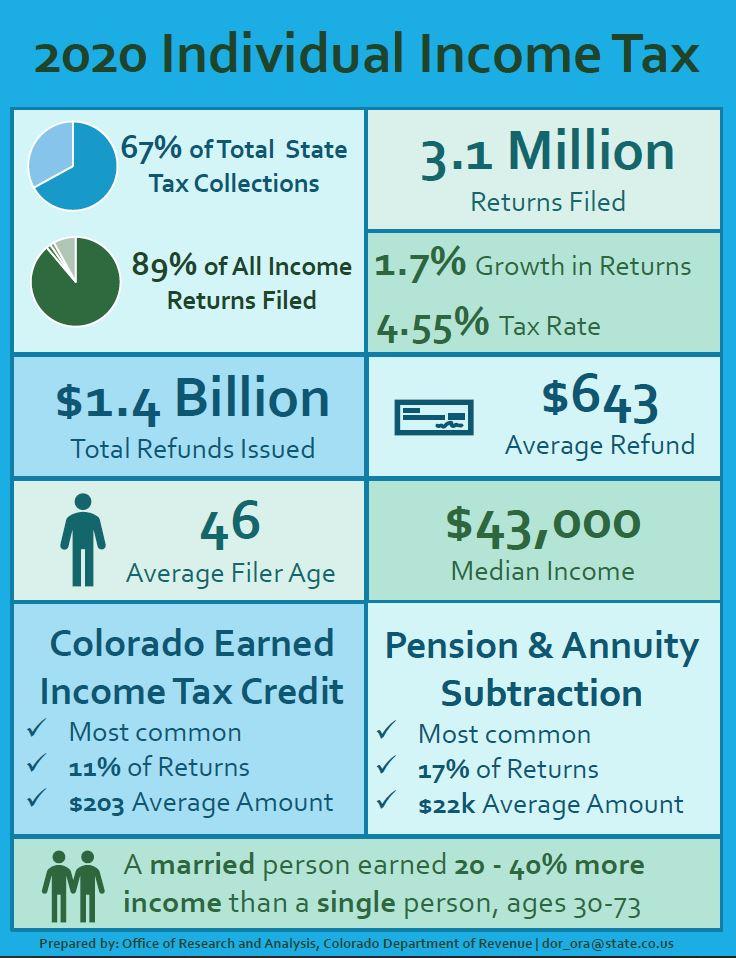
Colorado’s approach to income taxation is characterized by its flat rate system, a feature that distinguishes it from many other states across the United States. This consistency offers a degree of predictability that can be appealing for individuals and businesses alike when planning their finances and assessing their lifestyle costs.
The Current Tax Rate
A flat tax rate means that everyone subject to Colorado income tax pays the same percentage of their taxable income, regardless of how much they earn. This contrasts sharply with a progressive tax system, where higher income brackets are taxed at incrementally higher rates. For example, as of recent legislative changes and ballot initiatives, Colorado’s state income tax rate has generally hovered around 4.40% to 4.55% of taxable income. It’s crucial for prospective residents and current inhabitants to verify the precise rate for the current tax year, as minor adjustments can occur due to voter-approved measures or legislative actions. This flat rate applies to wages, salaries, business income, investment gains, and most other forms of taxable income. The simplicity of a single rate often appeals to those who prefer straightforward tax calculations and budgeting without the complexities of navigating multiple income brackets.
Who Pays Colorado Income Tax?
Understanding your residency status is key to determining your income tax obligations in Colorado. The state generally categorizes taxpayers into three main groups:
- Residents: If you consider Colorado your permanent home and maintain a domicile within the state, you are considered a resident. Colorado residents are required to report and pay state income tax on all of their income, regardless of where it was earned. This includes income from sources both inside and outside Colorado.
- Non-Residents: Individuals who do not meet the definition of a resident but earn income from sources within Colorado are considered non-residents for tax purposes. This might include someone who owns a rental property in Denver, works temporarily in Boulder, or has business income sourced to the state. Non-residents only pay Colorado income tax on the income directly derived from [Colorado](https://lifeoutofthebox.com/colorado] sources.
- Part-Year Residents: If you move into or out of Colorado during the tax year, you are classified as a part-year resident. During the portion of the year you were a Colorado resident, you are taxed on all income, regardless of source. For the period you were a non-resident, you are taxed only on [Colorado](https://lifeoutofthebox.com/colorado]-sourced income. This requires careful record-keeping and often necessitates filing a specific part-year resident return to accurately reflect income earned during each period.
Understanding these distinctions is crucial for effective lifestyle and financial planning, especially for those with transient work, multiple residences, or considering a relocation to or from Colorado.
The Lifestyle Implications of Colorado’s Tax Structure
Colorado’s flat income tax rate, combined with other state and local taxes, plays a significant role in shaping the lifestyle residents can afford and experience. From daily budgeting to long-term financial goals, the tax environment influences many aspects of life in the state.
Budgeting and Cost of Living
The flat income tax rate directly impacts your disposable income. For high-income earners, a flat tax can sometimes mean a lower overall tax burden compared to states with highly progressive systems. Conversely, for lower-income earners, it might translate to a higher percentage of their income going to state taxes compared to states that offer more generous tax breaks or lower rates for lower brackets. This factor is critical when budgeting for the cost of living, which, especially in popular areas like Denver, Boulder, or mountain towns like Aspen and Vail, can be higher than the national average. Housing costs, in particular, can be substantial, meaning that every dollar of disposable income counts. Understanding your take-home pay after state income tax allows for more accurate financial planning for housing, groceries, transportation, and discretionary spending on the outdoor activities that define the Colorado lifestyle.
Attracting Remote Workers and Digital Nomads
Colorado’s stunning natural beauty, vibrant cities, and abundant outdoor recreation opportunities make it an incredibly attractive destination for remote workers and digital nomads. The state’s flat tax system can be a draw for these individuals, especially those with fluctuating or high incomes, due to its predictability. For someone earning income from various sources or clients across different states or even countries, a straightforward flat tax can simplify their tax planning.
However, the lifestyle choice of working remotely in Colorado also brings tax residency considerations. Remote workers must be diligent in establishing clear residency to avoid potential double taxation or confusion regarding their tax obligations. This often involves demonstrating intent to reside in Colorado through actions such as obtaining a Colorado driver’s license, registering to vote, opening local bank accounts, and purchasing property or signing long-term leases within the state. For many, the lifestyle benefits of living in Colorado Springs or near Summit County‘s ski resorts outweigh the tax considerations, but careful planning ensures a smooth transition.
Business and Entrepreneurship
The state’s tax environment also impacts business owners and entrepreneurs, a significant part of Colorado’s dynamic economy. A flat income tax rate can be seen as beneficial for businesses, particularly small businesses and startups, as it offers a consistent and predictable tax liability regardless of the business’s profitability trajectory. This predictability can aid in financial forecasting, investment decisions, and overall business strategy. Colorado often ranks well for its business climate, and the income tax structure contributes to this by providing a stable framework. This attracts entrepreneurs who value transparency and a relatively streamlined tax burden, fostering a vibrant ecosystem for innovation and economic growth that contributes to diverse lifestyle opportunities.
Beyond Income Tax: Other Taxes Affecting Colorado Lifestyles
While income tax is a significant component of Colorado’s tax structure, it’s essential to consider other taxes that collectively impact the financial health and lifestyle choices of residents. A comprehensive view of the tax landscape is crucial for accurate budgeting and long-term financial planning.
Property Taxes
Property taxes in Colorado are levied by local governments, including counties, municipalities, school districts, and various special districts, rather than the state itself. These taxes are based on the assessed value of real property. While Colorado generally has relatively low residential property tax rates compared to many other states, the actual amount paid can vary significantly depending on the property’s value and the specific mill levy rates set by local taxing authorities. For instance, property taxes in highly desirable areas like Denver County or resort towns can be substantial due to higher property values. Property taxes directly affect homeowners’ monthly expenses and, indirectly, rental costs, as landlords often factor these into rent. This means that even if you don’t own a home, property taxes influence your cost of living. Understanding these local variations is vital for anyone considering purchasing a home or renting in different parts of the state.
Sales Tax
Colorado imposes a state sales tax on the retail sale of most tangible goods and some services. In addition to the statewide rate, numerous local jurisdictions (cities, counties, and special districts) also levy their own sales taxes. This layering of sales taxes means that the combined sales tax rate can vary considerably from one community to another. For example, while the state sales tax might be around 2.9%, total sales tax in some cities could easily exceed 8% or even 9% once local taxes are added. This impacts the cost of everyday purchases, from groceries (though many food items are exempt) to clothing, electronics, and even restaurant meals. For residents, especially those on a tighter budget, understanding the local sales tax rates can influence where they choose to shop and how they budget for discretionary spending and larger purchases.
Other Considerations
Beyond income, property, and sales taxes, Colorado residents may encounter other taxes that affect their lifestyle. These can include:
- Motor Vehicle Specific Ownership Tax: This is an annual tax paid when you register your vehicle, replacing what might be an ad valorem tax in other states. The amount depends on the vehicle’s age and original taxable value.
- Excise Taxes: These are taxes on specific goods, such as gasoline, tobacco products, and increasingly, cannabis, which is legal for recreational use in Colorado. These taxes contribute to the overall cost of certain consumables and services.
- Estate Tax/Inheritance Tax: Colorado does not have a state-level estate tax or inheritance tax, which can be a significant consideration for individuals planning their legacy and for those inheriting assets.
Considering all these taxes together provides a more accurate picture of the overall tax burden and its impact on your chosen lifestyle in Colorado.
Financial Planning for a Colorado Lifestyle
Navigating the tax landscape in Colorado effectively requires thoughtful financial planning. Understanding how to optimize your tax situation and integrate it into your broader financial goals is key to enjoying the rich lifestyle opportunities the state offers.
Maximizing Deductions and Credits
Even with a flat tax rate, Colorado taxpayers can often reduce their taxable income through various deductions and credits. The state generally allows for federal itemized deductions to be taken on the state return, or a standard deduction if that proves more beneficial. Additionally, Colorado offers specific state credits for certain activities or expenses, such as conservation easements, childcare expenses, and energy efficiency upgrades. Staying informed about these opportunities, which can change from year to year, is crucial. For many, consulting with a qualified tax professional who understands Colorado tax law is an invaluable step to ensure they are taking advantage of all eligible deductions and credits, thereby maximizing their after-tax income and improving their lifestyle potential.
Residency Planning
For those moving to or from Colorado, or individuals who split their time between multiple states, establishing clear residency is critical for tax purposes. Without proper planning, you could inadvertently face tax obligations in more than one state, leading to unnecessary complexity and potential financial penalties. Actions that help establish Colorado residency include obtaining a Colorado driver’s license, registering your vehicles in the state, registering to vote, changing your mailing address, and opening local bank accounts. Documenting these steps carefully provides clear evidence of your intent to reside in Colorado, simplifying tax filings and avoiding ambiguity.
Comparing Colorado to Other States
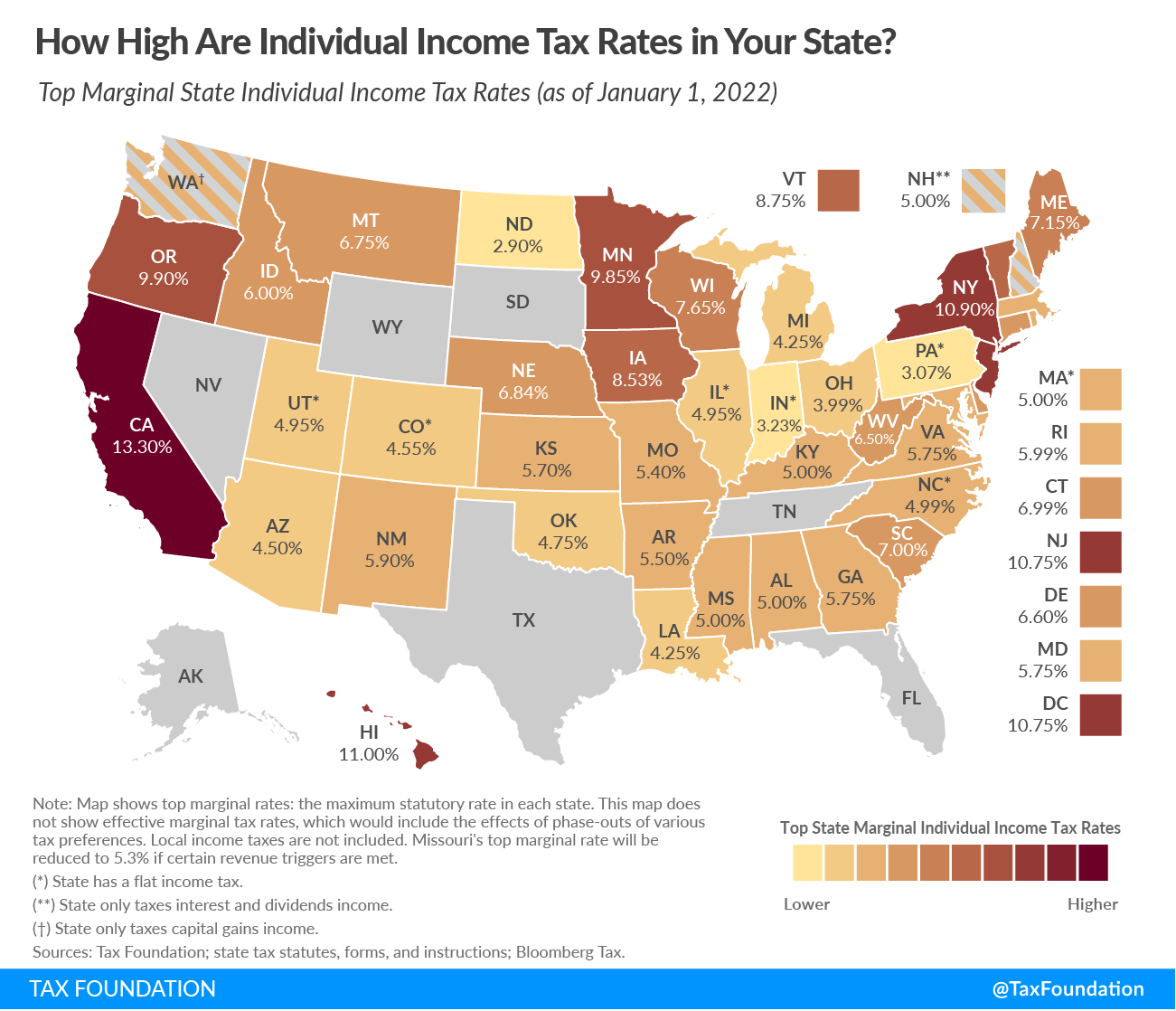
When considering a move to Colorado, it’s beneficial to compare its tax environment not just on income tax but on the overall tax burden relative to other states. Some states, like Texas or Florida, have no state income tax but often compensate with higher property or sales taxes. Conversely, states with high income taxes might have lower property or sales tax rates. The “best” state from a tax perspective isn’t always the one with the lowest income tax rate; it’s the one where the total tax burden aligns best with your income, spending habits, and asset ownership. For instance, a high earner with minimal property might find Colorado’s flat income tax appealing, while someone with substantial real estate holdings might focus more on property tax rates.

The Broader Lifestyle Equation
Ultimately, the decision to live in Colorado extends far beyond its tax rates. The state offers an unparalleled quality of life, characterized by its stunning natural landscapes, 300+ days of sunshine, robust outdoor recreation opportunities (from world-class skiing to hiking and biking), vibrant cultural scenes in its cities, and a strong job market. For many, these lifestyle benefits significantly outweigh the tax considerations. The flat income tax rate, combined with other taxes, is simply one piece of the puzzle. By understanding and planning for it, individuals and families can fully embrace the incredible opportunities and experiences that a Colorado lifestyle has to offer, ensuring financial stability alongside adventure and community.
LifeOutOfTheBox is a participant in the Amazon Services LLC Associates Program, an affiliate advertising program designed to provide a means for sites to earn advertising fees by advertising and linking to Amazon.com. Amazon, the Amazon logo, AmazonSupply, and the AmazonSupply logo are trademarks of Amazon.com, Inc. or its affiliates. As an Amazon Associate we earn affiliate commissions from qualifying purchases.