
For prospective students, proud alumni, or adventurous travelers seeking a unique Southwest experience, understanding the precise location of Northern Arizona University (NAU) is the first step toward an unforgettable journey. NAU isn’t just situated in Arizona; it’s nestled in the heart of one of the most geographically stunning and culturally rich regions in the United States. Its location in Flagstaff, a vibrant mountain city, elevates it beyond a mere academic institution, transforming it into a premier travel destination.
This article serves as your comprehensive guide to discovering exactly where Northern Arizona University is, what makes its location so special for travelers, and how to plan an enriching visit that extends far beyond the campus gates. Prepare to uncover the unique blend of natural beauty, outdoor adventure, and intellectual charm that defines the NAU experience and the surrounding Northern Arizona landscape.

Discovering Flagstaff: Home to NAU
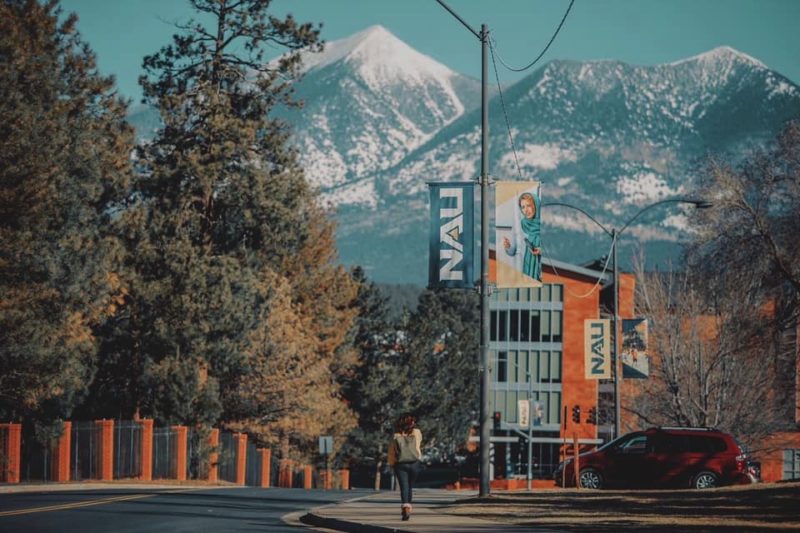
Northern Arizona University is proudly located in Flagstaff, Arizona. This city is not merely a backdrop for the university; it is an integral part of the NAU identity and a significant travel destination in its own right. Situated at an elevation of approximately 7,000 feet (2,134 meters) above sea level, Flagstaff offers a refreshing departure from the scorching desert heat typically associated with much of Arizona. Its position on the edge of the world’s largest contiguous ponderosa pine forest and at the base of the majestic San Francisco Peaks provides a unique environment that draws visitors from around the globe.
Geographical Splendor and Climate
The geographical setting of Flagstaff is nothing short of spectacular, making it a prime spot for travel and exploration. It rests on the southwestern edge of the Colorado Plateau, a high-desert region known for its dramatic canyons, mesas, and volcanic features. Unlike many other Arizona cities, Flagstaff experiences all four distinct seasons. Summers are pleasantly mild with warm days and cool nights, often punctuated by monsoon thunderstorms that bring vibrant green to the landscape. Autumn transforms the surrounding forests into a breathtaking display of gold and crimson, attracting leaf-peepers and hikers. Winters bring significant snowfall, turning the city into a picturesque wonderland and making it a popular hub for winter sports enthusiasts, especially at the nearby Arizona Snowbowl ski resort. Spring sees the thawing of snow and the return of vibrant flora, offering ideal conditions for outdoor activities before the summer crowds arrive.
This unique climate and topography mean that travelers to NAU can enjoy a diverse range of activities depending on the time of year. From skiing and snowboarding in winter to hiking, mountain biking, and rock climbing in the warmer months, Flagstaff’s natural environment is an adventure playground that perfectly complements the academic pursuits of the university.
A Vibrant University Town
The presence of Northern Arizona University profoundly shapes the character of Flagstaff, creating a vibrant and youthful atmosphere that is appealing to travelers of all ages. The city’s downtown area, in particular, thrives with an eclectic mix of shops, art galleries, craft breweries, and diverse dining options that cater to both the student population and the influx of tourists. NAU students, faculty, and staff contribute significantly to the local culture, bringing energy, innovation, and a global perspective to this mountain community.
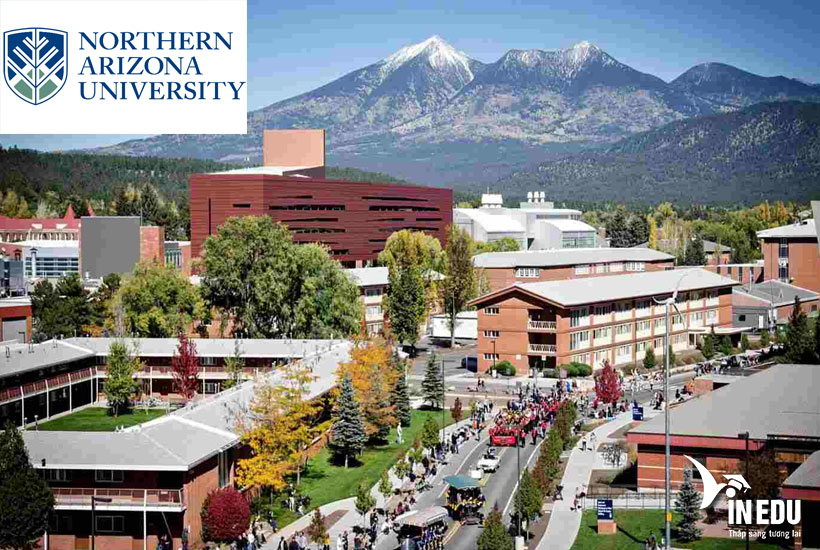
Visitors can immerse themselves in the local scene by attending university sporting events, cultural performances, or public lectures. The university’s campus itself is an attraction, with its beautiful stone architecture, tree-lined walkways, and expansive open spaces. Walking through the NAU campus offers a glimpse into collegiate life amidst a stunning natural backdrop, providing a dynamic contrast to the historical charm of Downtown Flagstaff. The synergy between the university and the city ensures that there’s always something new to discover, making Flagstaff an engaging travel destination far beyond the typical college town experience.
Planning Your Journey to NAU and Flagstaff
Traveling to Northern Arizona University and Flagstaff is relatively straightforward, with several convenient transportation options available. Understanding the best ways to reach this beautiful mountain city is crucial for any travel itinerary, whether you’re coming from across the country or a neighboring state.
Getting There: Air, Road, and Rail
For air travelers, the most common gateway is Phoenix Sky Harbor International Airport (PHX), located about a two-hour drive south of Flagstaff. PHX is a major hub serving numerous domestic and international flights, offering a wide range of rental car services for the scenic drive north on I-17. This drive is a journey in itself, transitioning from the Sonoran Desert landscape around Phoenix to the cooler, forested high country of Flagstaff.
A closer, albeit smaller, option is Flagstaff Pulliam Airport (FLG), which offers regional flights, primarily connecting to Phoenix and occasionally to other major hubs. While flights to FLG may be less frequent and potentially more expensive, they provide the convenience of landing directly in Flagstaff, just a short drive from the NAU campus.
Driving is a popular choice for many, especially those traveling from nearby states like California, Nevada, Utah, or New Mexico. Flagstaff is conveniently located at the intersection of two major interstates: I-17, which runs north-south from Phoenix, and I-40, a significant east-west route connecting the southern United States. These well-maintained highways offer easy access and allow for flexible travel schedules.
For a unique travel experience, Amtrak‘s Southwest Chief route passes directly through Flagstaff, with a station conveniently located in the historic downtown area. This option provides a relaxing, scenic journey for those who prefer train travel, offering a glimpse of the diverse landscapes between Chicago and Los Angeles.
Navigating the Campus and City
Once in Flagstaff, navigating to and around Northern Arizona University is relatively straightforward. The campus is centrally located and easily accessible from various parts of the city. For those arriving by car, parking is available in designated visitor lots on campus, though it’s always advisable to check the NAU website for the most current information regarding parking permits and lot availability, especially during peak times like orientation or major events.
Flagstaff itself is a very walkable city, particularly Downtown Flagstaff and the areas immediately surrounding the university. Many hotels and attractions are within walking distance or a short drive from campus. The city also operates Mountain Line, a public transit system with routes that serve the university and various key areas of Flagstaff, providing an environmentally friendly and convenient way to get around without a personal vehicle. For a quicker option, ride-sharing services and local taxis are also readily available.
Beyond the Campus: Top Travel Experiences in Northern Arizona
While Northern Arizona University is a focal point, its location in Flagstaff places travelers at the doorstep of some of the most iconic natural and cultural attractions in the United States. A visit to NAU can easily be expanded into a broader Northern Arizona adventure, creating a truly memorable travel experience.
Natural Wonders at Your Doorstep
The proximity to unparalleled natural beauty is arguably the biggest draw for travelers to the NAU region.
- Grand Canyon National Park: Just a 90-minute drive north of Flagstaff lies the majestic Grand Canyon National Park’s South Rim, one of the seven natural wonders of the world. Its immense scale and breathtaking vistas are an absolute must-see, offering opportunities for hiking, photography, and profound reflection.
- National Monuments: Flagstaff is surrounded by a trio of fascinating national monuments: Walnut Canyon National Monument (ancient cliff dwellings), Wupatki National Monument (prehistoric pueblos), and Sunset Crater Volcano National Monument (a relatively young volcanic landscape). These sites offer a glimpse into the region’s geological history and the ancient cultures that once thrived here, all within a short drive.
- Oak Creek Canyon and Sedona: South of Flagstaff, the incredibly scenic Oak Creek Canyon descends into the vibrant red rock country of Sedona. Known for its stunning scenery, spiritual vortexes, art galleries, and upscale resorts, Sedona is a world-renowned destination for hiking, mountain biking, and relaxation. The drive through Oak Creek Canyon is considered one of the most beautiful in Arizona.
- San Francisco Peaks / Arizona Snowbowl: Dominating the skyline north of Flagstaff, the San Francisco Peaks offer year-round recreation. In winter, Arizona Snowbowl is a popular ski and snowboard destination. In warmer months, the scenic chairlift provides breathtaking panoramic views, and numerous trails invite hikers to explore the highest points in Arizona.
Cultural and Historical Explorations
Beyond natural wonders, the region around NAU is rich in history and culture, offering insightful experiences for curious travelers.
- Lowell Observatory: Located right in Flagstaff, Lowell Observatory is a historic astronomical research institution where Pluto was discovered. It offers public tours, stargazing programs, and educational exhibits, making it a captivating visit for science enthusiasts and anyone fascinated by the cosmos.
- Museum of Northern Arizona: This museum is dedicated to preserving and presenting the natural and cultural history of the Colorado Plateau. Its extensive collections and engaging exhibits provide deep insights into the geology, ecology, and diverse Native American cultures of the region.
- Historic Downtown Flagstaff: A stroll through Downtown Flagstaff reveals beautifully preserved historic buildings, many dating back to the late 19th and early 20th centuries. The area is filled with unique boutiques, art galleries, restaurants, and a vibrant nightlife, all contributing to its charm as a registered historic district on Route 66.
Making the Most of Your NAU Visit
A trip to Northern Arizona University and the surrounding Flagstaff area promises a rich tapestry of experiences. To ensure your travel is as enjoyable and fulfilling as possible, consider these practical tips.
Best Times to Visit
The ideal time to visit NAU and Flagstaff largely depends on your priorities and the activities you wish to pursue.
- Fall (September-October): Arguably the most popular time, offering pleasant temperatures, vibrant fall foliage, and the energy of a new academic year. This is excellent for hiking and exploring.
- Summer (June-August): Mild temperatures provide a welcome escape from the heat of lower Arizona cities like Phoenix and Tucson. Ideal for outdoor activities, though afternoon monsoon showers are common.
- Winter (November-March): Perfect for snow sports enthusiasts, with skiing and snowboarding at Arizona Snowbowl. The city transforms into a winter wonderland, but be prepared for cold temperatures and potential road closures during heavy snowfall.
- Spring (April-May): Fewer crowds and warming temperatures make spring great for exploring the natural monuments and taking scenic drives before the summer rush.
Prospective students might align their visit with campus tour schedules, admissions events, or preview days, often held throughout the fall and spring.
Essential Travel Tips
- Altitude Sickness: At 7,000 feet, Flagstaff’s altitude can affect some visitors. Drink plenty of water, limit alcohol, and take it easy on your first day to acclimatize.
- Book Accommodations in Advance: Flagstaff is a popular destination, especially during peak seasons (fall, summer, ski season) and university events (move-in, graduation, sporting weekends). Booking hotels in Flagstaff, Sedona, or nearby towns like Williams or Prescott well in advance is highly recommended.
- Pack for All Seasons: Due to its mountain climate, Flagstaff weather can change rapidly. Layered clothing is essential, even in summer, as evenings can be cool. If visiting in winter, ensure you have warm clothing, waterproof gear, and appropriate footwear.
- Transportation: While a car offers maximum flexibility for exploring the broader Northern Arizona region, public transport and walkable areas make navigating Flagstaff itself manageable without a personal vehicle.
Who Should Visit?
A trip to Northern Arizona University and its vibrant surroundings appeals to a diverse range of travelers:
- Prospective Students and Families: For those considering NAU, a campus visit offers invaluable insight into academic life, campus culture, and the local community.
- Alumni: A nostalgic return to their alma mater and the city they once called home.
- Outdoor Enthusiasts: Hikers, mountain bikers, skiers, and nature lovers will find endless opportunities for adventure.
- History and Culture Buffs: Explore ancient ruins, historic observatories, and the rich heritage of the Colorado Plateau.
- Road Trippers: Flagstaff is a perfect stop along I-40 or as a base for exploring the Grand Canyon and Sedona.
- Stargazers: With its “Dark Sky City” designation, Flagstaff offers unparalleled opportunities for celestial observation, particularly at Lowell Observatory.
In conclusion, Northern Arizona University is strategically located in Flagstaff, Arizona, a city that offers far more than just an academic setting. Its unique geographical position, vibrant community, and proximity to world-class natural and cultural attractions make it an exceptional destination for travelers. Whether you’re visiting for educational purposes or simply seeking adventure, the journey to NAU promises a fulfilling experience amidst the breathtaking landscapes of Northern Arizona.
LifeOutOfTheBox is a participant in the Amazon Services LLC Associates Program, an affiliate advertising program designed to provide a means for sites to earn advertising fees by advertising and linking to Amazon.com. Amazon, the Amazon logo, AmazonSupply, and the AmazonSupply logo are trademarks of Amazon.com, Inc. or its affiliates. As an Amazon Associate we earn affiliate commissions from qualifying purchases.