
Embarking on a journey from Denver, Colorado to Aspen, Colorado is more than just traversing miles; it’s an immersive experience through the heart of the Rocky Mountains. This iconic route connects Colorado’s bustling capital with one of its most luxurious and renowned mountain resorts. Whether you’re chasing pristine powder in winter, vibrant wildflowers in summer, or the golden hues of autumn, understanding the distance, travel time, and various transportation options is crucial for a smooth and enjoyable trip.
The journey between Denver and Aspen is not merely a logistical exercise; it’s an integral part of the adventure. It offers breathtaking scenery, a sense of anticipation for the destination, and unique challenges that make the arrival in Aspen all the more rewarding. This guide delves into every aspect of this popular Colorado commute, ensuring you’re well-prepared for your mountain escape.

The Core Distance: Miles and Travel Time
The fundamental question, “How far is Aspen from Denver?” has a relatively straightforward answer in terms of mileage, but the actual travel time can vary significantly depending on a multitude of factors.
The Direct Route via I-70 West
The most common and direct route from Denver to Aspen is primarily via I-70 West. This highway acts as the main artery through Colorado’s high country, guiding travelers past majestic peaks, ski resorts, and charming mountain towns.
The approximate driving distance along I-70 West to Glenwood Springs, then taking CO-82 South to Aspen, is around 160 to 170 miles. Under ideal conditions – clear roads, no traffic, and no stops – this drive typically takes 3.5 to 4 hours.
However, “ideal conditions” are often a rarity on this popular corridor. Factors that frequently impact travel time include:
- Traffic: The I-70 mountain corridor is notorious for congestion, particularly on Friday afternoons/evenings for westbound travel and Sunday afternoons/evenings for eastbound return trips, especially during ski season or summer weekends. This can easily add an hour or more to your journey.
- Weather: Colorado mountain weather is unpredictable. Snowstorms, heavy rain, or even dense fog can significantly slow down traffic, require slower driving speeds, and in extreme cases, lead to road closures.
- Construction: Ongoing road maintenance and improvement projects are common along I-70, introducing lane closures and detours that contribute to delays.
- Stops: Many travelers choose to make stops for gas, food, restroom breaks, or simply to take in the stunning scenery, naturally extending the total travel time.
Key landmarks along I-70 on this route include the Eisenhower Tunnel, which marks a significant elevation gain and often serves as a bottleneck, and the renowned ski towns of Vail and Glenwood Springs before the final stretch to Aspen.
Alternative Scenic Routes
While I-70 is the most direct, there are alternative routes for those seeking a more scenic adventure, albeit often with increased travel time or seasonal restrictions.
The most notable alternative is Independence Pass (Highway 82). This route, though shorter in mileage (around 120-130 miles from Denver via US-24 to Leadville then CO-82), typically takes 4.5 to 5.5 hours due to its challenging terrain. Independence Pass is a high-mountain pass, reaching over 12,000 feet, characterized by narrow, winding roads, steep drop-offs, and numerous hairpin turns. Its breathtaking beauty comes with a caveat: it is closed seasonally, usually from November to late May or early June, depending on snowpack. This route offers unparalleled views and a true sense of high-alpine adventure, making it a favorite for seasoned travelers during the warmer months.
Navigating the Rocky Mountains: Key Considerations for Your Journey
Traveling through the Rocky Mountains demands careful planning and awareness of the unique challenges presented by the high-altitude environment.
Weather and Road Conditions
The weather in Colorado’s mountains is a primary determinant of travel safety and speed.
- Winter Travel (November to May): Snow and ice are prevalent. Colorado has strict Chain Law and Traction Law requirements on I-70 during adverse conditions. Vehicles must have appropriate snow tires, four-wheel drive, or chains. Road closures are common during heavy snowfalls or whiteout conditions. Always check forecasts and road conditions before departing.
- Summer Travel (June to October): While generally clear, summer can bring afternoon thunderstorms, which may cause heavy rain, hail, and localized flooding. Rockslides can also occur, particularly after heavy precipitation.
- High Altitude: Be aware of the effects of altitude sickness, especially if you’re not accustomed to it. Drink plenty of water and take it easy.
For real-time road conditions and traffic updates, the Colorado Department of Transportation’s COtrip website is an invaluable resource, providing live camera feeds, incident reports, and estimated travel times.
Traffic Hotspots and Peak Times
Understanding traffic patterns can significantly improve your travel experience.
- Weekends: As mentioned, Friday afternoons/evenings (westbound) and Sunday afternoons/evenings (eastbound) are peak times, especially during ski season. Many Denver residents and visitors head to mountain resorts, causing bottlenecks at various points, including the Eisenhower Tunnel and through Vail.
- Holidays: Long weekends and holidays like Christmas, New Year’s, and Presidents’ Day see extreme traffic volumes.
- Solutions: To mitigate traffic, consider traveling during off-peak hours (e.g., early mornings on Saturdays or mid-week), using real-time navigation apps like Google Maps or Waze, or opting for alternative transportation methods.
Diverse Travel Options Beyond Driving
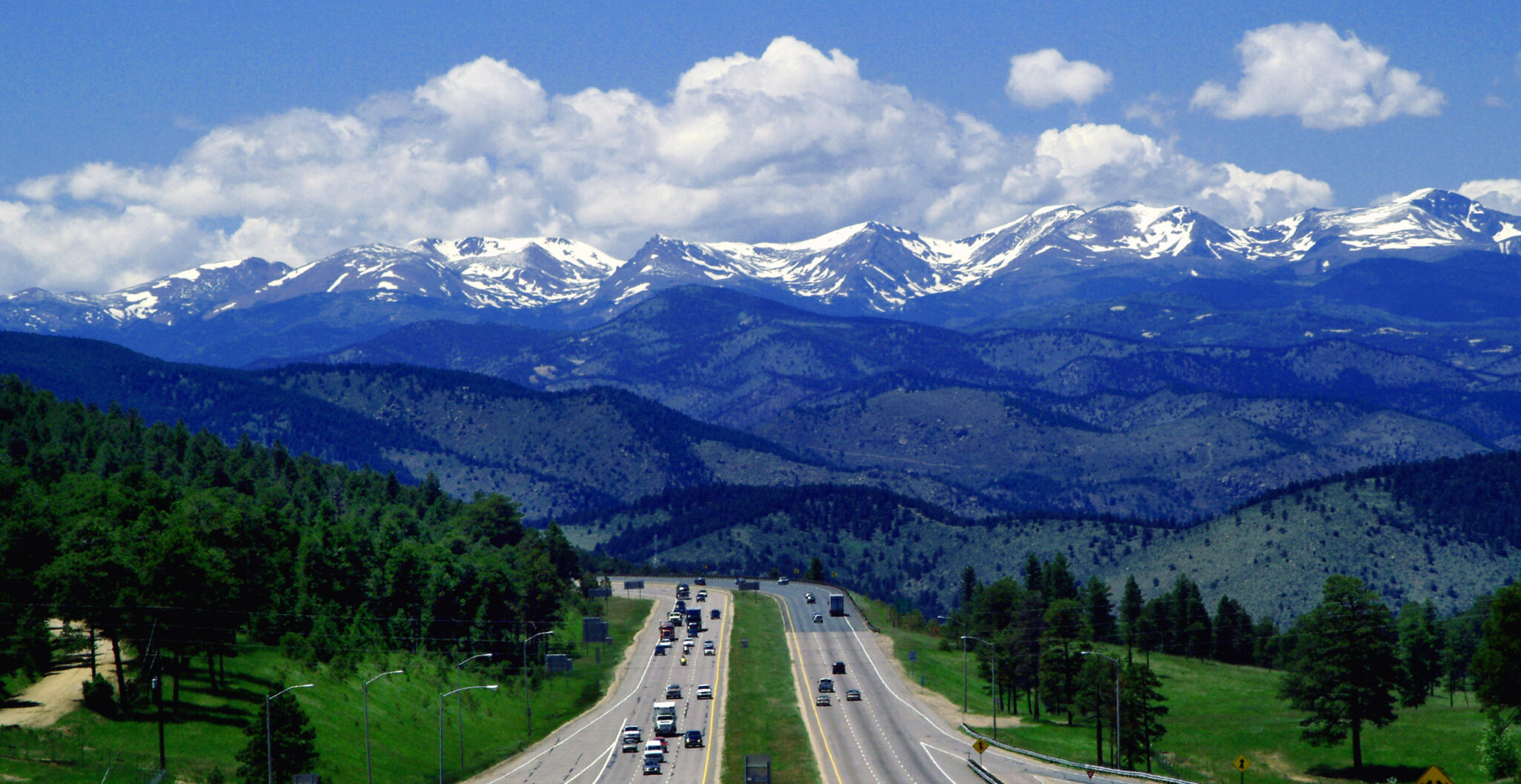
While driving offers flexibility and the chance to explore at your own pace, several other options exist for traveling between Denver and Aspen.
Shuttle Services and Private Transfers
For those who prefer to avoid the stress of driving in mountain conditions or simply want to relax and enjoy the scenery, shuttle services and private transfers are an excellent choice.
- Shuttle Services: Companies like Colorado Mountain Express (CME) and Snowmass Transportation offer shared-ride services from Denver International Airport (DIA) directly to Aspen hotels or residences. These services use comfortable vans or larger buses, equipped for mountain travel.
- Pros: Door-to-door convenience, professional drivers experienced in mountain conditions, opportunity to relax or work during the journey, no parking hassles in Aspen.
- Cons: Less flexible schedules, longer travel times due to multiple stops, generally more expensive than driving your own vehicle.
- Private Transfers: For a more luxurious and personalized experience, private car services offer direct, non-stop transfers. This is the fastest ground option and ideal for groups or those seeking ultimate comfort and privacy.
- Pros: Maximum flexibility, speed, privacy, luxury.
- Cons: Highest cost among ground transportation options.
Flying: Denver International Airport to Aspen/Pitkin County Airport
The quickest way to get from Denver to Aspen is by air, though it’s often the most expensive and can be subject to weather-related delays.
- Route: Direct flights are available from Denver International Airport (DEN) to Aspen/Pitkin County Airport (ASE). Major airlines like United and American often operate these routes.
- Flight Time: The actual flight time is very short, typically around 30-45 minutes.
- Pros: Significantly reduces travel time, offers spectacular aerial views of the Rockies.
- Cons:
- Cost: Flights to Aspen are generally premium-priced, especially during peak seasons.
- Weather Dependency: Aspen/Pitkin County Airport is known for challenging approaches due to surrounding mountains and variable weather, leading to frequent delays or diversions, particularly in winter.
- Logistics: Requires travel to/from Denver International Airport and from Aspen/Pitkin County Airport to your final destination in Aspen.
Making the Journey Part of the Destination: Stopovers and Scenic Delights
The drive from Denver to Aspen, particularly along I-70, is rich with opportunities for memorable stopovers that enhance the overall travel experience.
Must-See Stops Along I-70
If time allows, consider breaking up your drive with these noteworthy stops:
- Georgetown: A charming historic mining town just an hour west of Denver. Explore its Victorian-era architecture, visit the Georgetown Loop Railroad for a scenic steam train ride, or simply enjoy a coffee in its quaint downtown.
- Frisco, Silverthorne, and Dillon: These adjacent towns in Summit County offer stunning views of Lake Dillon, breweries, outlet shopping, and various outdoor activities like hiking and biking.
- Vail and Beaver Creek: World-renowned ski resorts that are beautiful in all seasons. Stop for a gourmet meal, stroll through the European-inspired villages, or take a scenic gondola ride.
- Glenwood Springs: Located at the confluence of the Colorado and Roaring Fork Rivers, Glenwood Springs is famous for its natural hot springs. Dip into the historic Glenwood Hot Springs Pool or the more intimate Iron Mountain Hot Springs. For adventure seekers, the Glenwood Caverns Adventure Park offers cave tours and thrilling mountaintop rides.
The Unique Charm of Independence Pass
For those traveling in summer or early fall, opting for Independence Pass offers an unforgettable experience, transforming the journey into a destination itself.
- Scenic Grandeur: The pass provides unparalleled panoramic views of alpine tundra, pristine lakes, and towering peaks. There are numerous pull-offs for photography and short hikes.
- High-Altitude Thrill: Driving over a 12,095-foot pass is an adventure in itself, with signs marking the Continental Divide and giving a sense of being on top of the world.
- Considerations: This route is not for the faint of heart or those in a hurry. It requires careful driving, and larger vehicles (RVs, trailers) are prohibited due to the narrow and winding road. Always check its seasonal opening and current conditions before planning this route.
Arriving in Aspen: Your Gateway to Mountain Luxury
Upon arrival, the reward for your journey is Aspen, a town that seamlessly blends rugged mountain beauty with sophisticated luxury.
Getting Around Aspen
Once you’ve reached Aspen, you’ll find that having a car isn’t always necessary, especially if you plan to stay centrally.
- Walkability: Downtown Aspen is highly walkable, with shops, restaurants, and galleries all within easy reach.
- Free Bus System: The Roaring Fork Transit Authority (RFTA) operates an efficient and free bus system throughout Aspen and to the nearby ski areas of Snowmass, Buttermilk, and Aspen Highlands. This makes getting to the slopes or other attractions incredibly convenient.
- Taxis/Ride-shares: Available for specific needs.

What Awaits You
Aspen is more than just a ski resort; it’s a year-round destination offering a wealth of experiences:
- World-Class Skiing and Snowboarding: Four distinct mountains (Aspen Mountain, Snowmass, Aspen Highlands, and Buttermilk) cater to all skill levels.
- Outdoor Activities: In warmer months, enjoy hiking, mountain biking, fly fishing, whitewater rafting, and golf.
- Dining and Shopping: A vibrant culinary scene ranges from casual cafes to Michelin-starred restaurants. High-end boutiques and art galleries line the streets.
- Arts and Culture: Aspen boasts a rich cultural scene with institutions like the Aspen Art Museum, Aspen Music Festival and School, and the Aspen Institute.
The journey from Denver to Aspen is an adventure in itself, offering diverse landscapes, potential challenges, and numerous opportunities for exploration. By understanding the distance, considering various travel options, and planning for mountain conditions, you can ensure a smooth and memorable trip to this iconic Colorado destination.
LifeOutOfTheBox is a participant in the Amazon Services LLC Associates Program, an affiliate advertising program designed to provide a means for sites to earn advertising fees by advertising and linking to Amazon.com. Amazon, the Amazon logo, AmazonSupply, and the AmazonSupply logo are trademarks of Amazon.com, Inc. or its affiliates. As an Amazon Associate we earn affiliate commissions from qualifying purchases.