
Colorado, a state synonymous with breathtaking mountain vistas and adventurous spirit, holds a special place in the hearts of outdoor enthusiasts, particularly those drawn to the allure of its towering peaks. Among the many geological wonders that define its landscape, the “14ers” stand out as the ultimate pilgrimage for hikers, climbers, and nature lovers alike. These majestic mountains, piercing the sky at elevations of 14,000 feet and above, represent not just a physical challenge but also a profound connection to the raw beauty of the natural world. The question “How many 14ers are in Colorado?” is more than just a numerical inquiry; it’s an invitation to explore a unique facet of travel and adventure that defines the Centennial State.
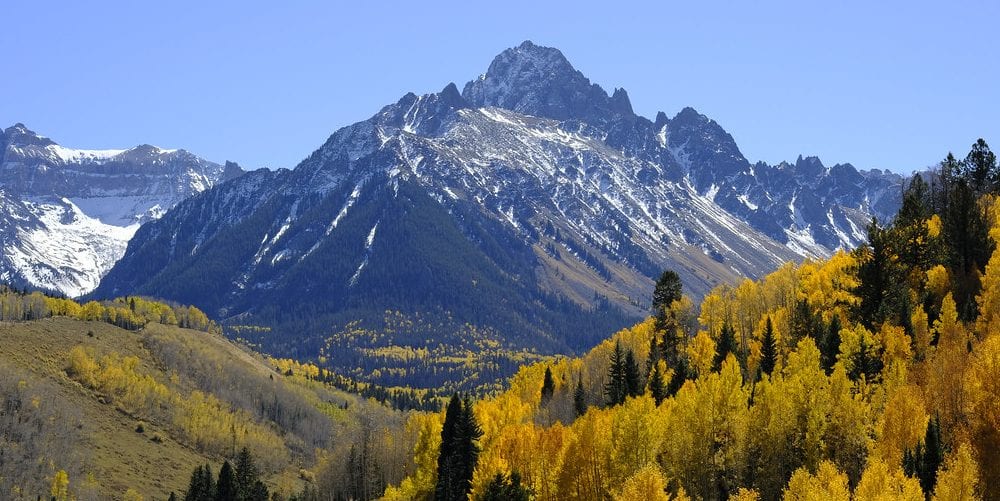
The sheer number of these colossal peaks often surprises those unfamiliar with Colorado’s rugged topography. While the exact count can vary slightly depending on the specific criteria used for “prominence” (a measure of a peak’s independence from surrounding terrain), the generally accepted number of 14ers within Colorado’s borders is a remarkable 58. This impressive tally makes Colorado home to the vast majority of the 14,000-foot peaks in the contiguous United States, cementing its reputation as a premier destination for high-altitude mountaineering and unparalleled scenic beauty.
Unveiling Colorado’s Crown Jewels: What Exactly is a 14er?
The term “14er” is a colloquialism widely used in the mountaineering community to refer to a mountain peak with an elevation of 14,000 feet (approximately 4,267 meters) or higher above sea level. However, simply reaching this altitude isn’t always enough to earn the prestigious title in the eyes of peak-baggers. There’s a subtle but significant criterion that often distinguishes a true 14er from a sub-peak or shoulder of a larger mountain.
Defining the “Fourteeners”: The Prominence Rule
The most commonly accepted definition of a 14er, particularly for those aiming to “bag” all of them, includes a prominence rule. Prominence refers to the vertical distance between a peak and the lowest contour line connecting it to any higher terrain. For a peak to be considered a distinct 14er, it typically needs to have a prominence of at least 300 feet (approximately 91 meters). This rule ensures that each mountain on the list is a genuinely separate and significant summit, rather than merely a bump on a ridge leading to a higher peak. For instance, some peaks that crest 14,000 feet might not be counted if they are too closely connected to another, taller 14er without sufficient drop in between. This is why lists sometimes vary between 53 and 58, with the higher number often including peaks that meet the 14,000-foot mark but have less prominence.
The Official Tally: 58 Distinct Peaks
Based on the widely accepted 300-foot prominence rule, Colorado boasts 58 official 14ers. This extensive collection offers an incredible range of challenges, from relatively gentle hikes suitable for experienced beginners to highly technical climbs demanding advanced mountaineering skills. These peaks are scattered across various mountain ranges throughout the state, each presenting its own unique geological features, ecosystems, and panoramic views. This abundance of high-altitude destinations makes Colorado an unrivaled hub for those seeking to test their endurance, marvel at dramatic landscapes, and experience the profound solitude of the alpine wilderness.
The Appeal and Challenge: Why People Are Drawn to These Peaks
The allure of the 14ers is multi-faceted. For many, it’s the sheer physical challenge – the arduous climb, the thinning air, and the demand for endurance – that draws them in. Reaching a summit at 14,000 feet is a significant accomplishment, rewarding climbers with a deep sense of satisfaction and bragging rights among fellow adventurers. Beyond the physical, there’s the unparalleled beauty. From their lofty vantage points, hikers are treated to expansive, uninterrupted views of the Rocky Mountains, a tapestry of jagged ridges, deep valleys, and shimmering alpine lakes. The unique ecosystems found at these elevations, home to resilient flora and fauna, also add to the fascination. It’s a chance to escape the everyday, reconnect with nature, and gain a new perspective on the world below.
The Diverse Landscape of Colorado’s 14ers
Colorado’s 14ers are not confined to a single massive range but are distributed across several distinct mountain chains, each offering its own character, accessibility, and level of difficulty. Understanding this geographical spread is key to planning a comprehensive 14er experience, allowing travelers to choose peaks that align with their skill level and desired adventure.
Geographic Distribution: Ranges and Their Peaks
The state’s 14ers are predominantly found within five major mountain ranges, each contributing a significant number of these towering giants:
- Sawatch Range: Located in central Colorado, the Sawatch is home to the highest concentration of 14ers, including the state’s tallest peak. These mountains are generally characterized by rounded, expansive slopes, making them popular for their relatively non-technical routes, though still demanding in terms of elevation gain and distance.
- Sangre de Cristo Mountains: Stretching from southern Colorado into New Mexico, this range is known for its rugged, serrated ridges and dramatic eastern escarpment. The Sangres offer some of the most challenging and remote 14er experiences, with significant exposure and technical sections on many routes.
- Elk Mountains: Situated in west-central Colorado near Aspen, the Elk Mountains are renowned for their steep, loose, and notoriously dangerous terrain. Home to some of the most technical and committing 14ers, they demand advanced climbing skills and a high tolerance for exposure.
- San Juan Mountains: In the southwestern part of the state, the San Juans are characterized by their vast, sprawling wilderness, volcanic origins, and incredible wildflowers. Many of these 14ers are quite remote, requiring long approaches, often via old mining roads.
- Front Range: The most accessible range, forming the easternmost edge of the Rockies, is where many Coloradoans get their first taste of 14er climbing. Its proximity to major population centers like Denver makes its peaks highly popular, though not necessarily easier.
Iconic Peaks and Their Unique Charms
Among the 58, a few 14ers stand out due to their stature, popularity, or the unique challenges they present:
- Mount Elbert: Standing at 14,433 feet, Mount Elbert is the highest peak in Colorado and the entire Rocky Mountains. Located in the Sawatch Range, it’s considered one of the “easiest” 14ers to hike due to its well-maintained trails and relatively gentle slopes, making it a popular choice for those seeking to summit the state’s high point.
- Longs Peak: An icon of Rocky Mountain National Park in the Front Range, Longs Peak (14,259 feet) is perhaps the most famous and recognizable 14er. Its East Face, with the notorious “Diamond,” is a world-class rock climbing objective, while the Keyhole Route is a challenging and exposed scramble popular with experienced hikers. Its exposed nature and rapid weather changes make it a serious undertaking.
- Pikes Peak: Known as “America’s Mountain,” Pikes Peak (14,115 feet) in the Front Range is unique for its accessibility. Visitors can drive, take a cog railway, bike, or hike to its summit. While the Barr Trail offers a grueling hiking experience, the ability to reach the top by vehicle makes it an excellent option for travelers who want to experience a 14er without the full physical demands of a climb.
- Maroon Bells (North Maroon Peak & Maroon Peak): Often cited as two of the most photographed mountains in North America, these twin 14ers in the Elk Mountains are stunningly beautiful but notoriously dangerous. Their loose, crumbling rock has earned them the nickname “Deadly Bells,” and they should only be attempted by experienced climbers with proper gear and caution.

Each 14er offers a distinct narrative and a unique set of challenges, inviting travelers to return again and again to experience the diverse beauty of Colorado’s high country.
Preparing for Your 14er Journey: Essential Travel Considerations
Embarking on a 14er adventure requires careful planning and respect for the mountain environment. These are serious undertakings that demand physical preparedness, appropriate gear, and an understanding of the inherent risks. Neglecting any of these aspects can turn a dream trip into a dangerous situation.
Seasonality and Weather: Navigating Alpine Extremes
The window for safely hiking Colorado’s 14ers is relatively short, primarily from late June through early September. During this period, snowmelt has generally cleared the trails, and the weather is typically more stable. However, “stable” is a relative term in the high mountains. Weather conditions can change rapidly and dramatically, even in summer. Thunderstorms, often accompanied by dangerous lightning, are a daily occurrence in the afternoon. It is crucial to start early, typically before sunrise, with the goal of being off the summit and below treeline (around 11,500-12,000 feet) by noon to avoid these afternoon storms. Always check the forecast before heading out, and be prepared for all four seasons in a single day, including sudden drops in temperature, hail, and even snow.
Physical Fitness and Acclimatization: Respecting Altitude
Climbing a 14er is physically demanding. Even the “easy” ones involve significant elevation gain (often 3,000-5,000 feet or more) over several miles. Cardiovascular fitness is paramount. Beyond fitness, acclimatization to high altitude is critical. Many travelers arriving from sea level experience symptoms of acute mountain sickness (AMS) above 8,000-10,000 feet. Symptoms can include headache, nausea, dizziness, and fatigue. To mitigate this, it’s advisable to spend a day or two at a moderate elevation (e.g., Boulder, Colorado Springs, or Leadville) before attempting a 14er. Hydration is also key; drink plenty of water before and during your hike. If AMS symptoms worsen, descend immediately.
Gear and Navigation: Equipping for Success
Appropriate gear is non-negotiable. Essential items include:
- Footwear: Sturdy hiking boots with good ankle support are recommended.
- Layers: Dress in multiple layers of moisture-wicking clothing (no cotton!), including a waterproof and windproof outer shell, even on sunny days.
- Sun Protection: Sunscreen, sunglasses, and a wide-brimmed hat are vital due to the intense UV radiation at high altitudes.
- Hydration: Carry at least 3 liters of water per person, along with electrolyte drinks.
- Nutrition: Pack plenty of high-energy snacks and a substantial lunch.
- Navigation: A detailed topographic map and a compass, along with a GPS device or a reliable smartphone app, are essential. Know how to use them.
- Emergency Kit: First-aid kit, headlamp (even for day hikes), whistle, knife, fire starter, and an emergency shelter are crucial.
- Trekking Poles: Highly recommended for stability and reducing strain on knees, especially during descents.
Safety and Leave No Trace Principles: Responsible Recreation
Safety should always be the top priority. Hike with a partner or inform someone of your itinerary. Stick to marked trails to minimize erosion and avoid getting lost. Respect wildlife by observing from a distance and never feeding them. Finally, practice the seven Leave No Trace principles: plan ahead and prepare; travel and camp on durable surfaces; dispose of waste properly (pack it in, pack it out, including human waste); leave what you find; minimize campfire impacts; respect wildlife; and be considerate of other visitors. Preserving the pristine beauty of the 14ers ensures these magnificent destinations remain enjoyable for generations to come.
The Ultimate Goal: Completing the Colorado 14er Challenge
For many, summiting a single 14er is a bucket-list achievement. For a dedicated few, the challenge extends to conquering all 58. This pursuit, known as “peak-bagging” or “completing the Colorado 14ers,” transforms a series of individual hikes into a long-term project that fosters deep appreciation for Colorado’s wilderness.
Beyond the Summits: Personal Growth and Community
The journey to complete all 14ers is rarely just about ticking off a list. It’s a transformative experience that builds resilience, hones outdoor skills, and instills a profound connection to nature. Each mountain presents a new lesson, whether it’s about navigating treacherous terrain, managing adverse weather, or simply persevering when exhaustion sets in. Along the way, a vibrant community of fellow 14er enthusiasts often emerges, sharing stories, tips, and companionship on the trails. This shared passion creates a unique bond, transforming the solitary pursuit into a communal endeavor. The mental fortitude gained, the problem-solving skills developed, and the breathtaking memories forged contribute to immense personal growth that extends far beyond the mountain peaks.
Planning Your Ascent: Resources and Practicalities
For those aspiring to complete the 14er challenge, or even just a handful of peaks, abundant resources are available. Websites like 14ers.com offer detailed route descriptions, photos, conditions reports, and forums where hikers can connect. Guidebooks provide in-depth information on each mountain, including historical context, geology, and specific route guidance. Planning involves researching routes, understanding their difficulty, checking weather forecasts, and assessing personal fitness. Some popular trailheads, particularly in Rocky Mountain National Park, require timed entry permits or overnight wilderness permits, so checking national forest and park service websites in advance is crucial. Logistical considerations, such as transportation to often remote trailheads and finding suitable lodging nearby, also play a significant role in successful trip planning.

A Lifelong Pursuit: Returning to the Mountains
Whether you aim to climb one 14er or all 58, the experience is bound to leave an indelible mark. The beauty, the challenge, and the sense of accomplishment are powerful motivators. Even after completing the entire list, many find themselves drawn back to these majestic peaks, seeking out new routes, revisiting favorites, or simply enjoying the profound peace of the alpine environment. The Colorado 14ers are more than just mountains; they are enduring symbols of adventure, natural splendor, and the indomitable human spirit.
In conclusion, Colorado proudly hosts 58 distinct 14ers, offering an unparalleled playground for adventurers and nature lovers. From the accessible giants of the Sawatch Range to the technical challenges of the Elk Mountains, these peaks define the state’s travel landscape. While the journey up can be arduous, the rewards—stunning vistas, a profound sense of achievement, and a deep connection to the wilderness—are immeasurable. Embarking on a 14er adventure is not just a trip; it’s an experience that truly redefines one’s understanding of scale, beauty, and personal capability.
LifeOutOfTheBox is a participant in the Amazon Services LLC Associates Program, an affiliate advertising program designed to provide a means for sites to earn advertising fees by advertising and linking to Amazon.com. Amazon, the Amazon logo, AmazonSupply, and the AmazonSupply logo are trademarks of Amazon.com, Inc. or its affiliates. As an Amazon Associate we earn affiliate commissions from qualifying purchases.