
The Mississippi River is more than just a river; it is the lifeblood of North America, a monumental waterway carving its path through the heart of the United States. From its humble beginnings to its grand delta, the Mississippi embodies geological grandeur, historical depth, and ecological diversity. Yet, for many, the precise location of its source remains a captivating mystery. To discover where the mightiest river on the continent truly starts is to embark on a journey to one of America’s most significant and accessible natural landmarks: Lake Itasca in northern Minnesota. This small, picturesque lake, cradled within Itasca State Park, is not merely a geographic coordinate but a symbol of discovery, natural wonder, and the enduring power of a single trickle that transforms into a colossal force. Understanding this landmark means delving into its geography, history, and the unique experience it offers to those who seek its shores.
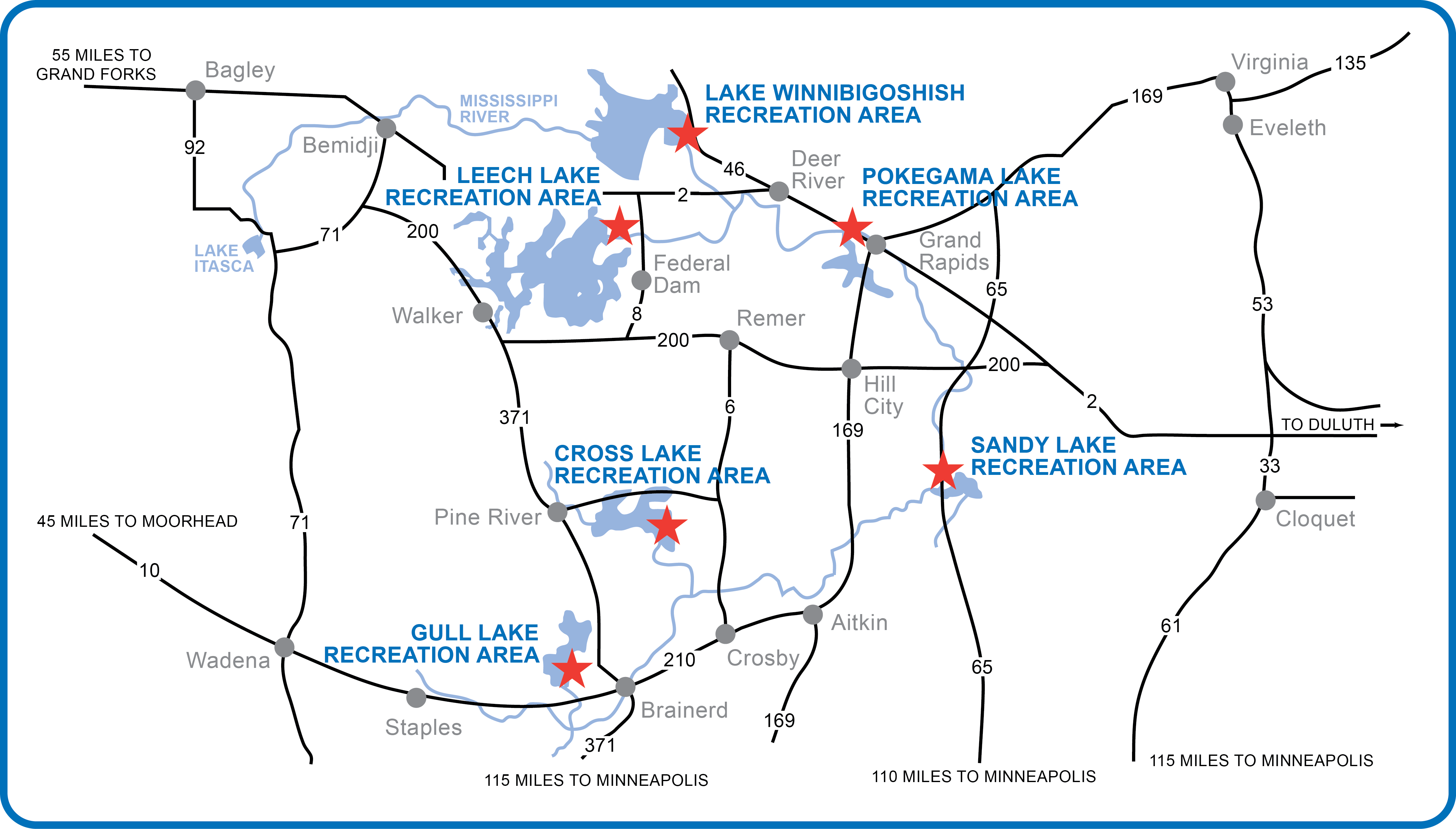
The Definitive Origin Point: Lake Itasca
For centuries, the search for the headwaters of the Mississippi River captivated explorers, cartographers, and adventurers alike. Its immense length, stretching over 2,300 miles from Minnesota to the Gulf of Mexico, made pinpointing its precise origin a formidable challenge. The journey to identify this pivotal landmark is a story of perseverance, scientific inquiry, and eventual triumph.
The Quest for the Source
Early European explorers, such as Louis Hennepin in the late 17th century, ventured into the upper reaches of the Mississippi, but their accounts were often vague or mistakenly identified larger lakes like Cass Lake as the source. The sheer complexity of the region, characterized by thousands of lakes, wetlands, and interconnecting streams, made definitive identification exceedingly difficult. For generations, the true origin remained a cartographical enigma, a blank space on maps that beckoned to those with a thirst for discovery. Explorers like David Thompson and Zebulon Pike made significant contributions, mapping vast territories, but still missed the ultimate source, often misidentifying Cass Lake or other larger bodies of water as the true beginning. The scientific rigor required to trace the smallest stream to its ultimate glacial lake source was a task reserved for a later era.
Henry Schoolcraft’s Historic Designation
It was in 1832 that American geographer and ethnologist Henry Schoolcraft, guided by Ojibwe chief Ozaawindib, definitively identified Lake Itasca as the principal source of the Mississippi River. Schoolcraft meticulously traced the meandering streams and lakes upstream from Cass Lake, ultimately arriving at the modest, roughly Y-shaped lake. He ingeniously coined the name “Itasca” from the Latin words “veritas caput,” meaning “true head.” This simple yet profound act settled one of the continent’s most persistent geographical questions, cementing Lake Itasca’s status as a monumental landmark. Subsequent expeditions, notably the Nicollet expedition in 1836, confirmed Schoolcraft’s findings, adding further scientific credibility to the designation. Today, the small island within Lake Itasca is named Schoolcraft Island in his honor, serving as a permanent tribute to his pivotal role in American geography.
A Natural Masterpiece: The Headwaters Environment
Beyond its geographical significance, the area surrounding the headwaters of the Mississippi is a remarkable natural landmark in its own right. It represents a pristine slice of Minnesota’s wilderness, offering a glimpse into the ecological processes that shape the landscape and give rise to a river of such magnitude.
Geological Formation and Ecological Richness
Lake Itasca itself is a glacial lake, a testament to the powerful forces of the last ice age that carved out much of Minnesota’s distinctive topography. Fed by underground springs and several small streams, the lake is relatively shallow, clear, and teeming with life. The surrounding landscape of Itasca State Park is a mosaic of old-growth pine forests, deciduous woodlands, and wetlands, providing critical habitat for a diverse array of flora and fauna. Here, one can encounter white-tailed deer, black bears, bald eagles, and a multitude of waterfowl, thriving in an environment preserved for its ecological integrity. The forest, a mixture of towering red pines, white pines, and jack pines, along with birches and maples, stands as a living monument to the region’s natural heritage, providing a vital watershed that nourishes the nascent Mississippi. The purity of this water, filtered through ancient forests and wetlands, is crucial to the river’s health downstream.
The Iconic Log Dam and Mississippi’s Gentle Beginning

The most iconic feature at the headwaters is the stone and log dam, built by the Civilian Conservation Corps in the 1930s, that allows visitors to literally walk across the very beginning of the Mississippi River. Here, the mighty river starts as a mere trickle, a narrow, shallow stream barely 18 feet wide and a few inches deep, bubbling gently out of Lake Itasca. This is a stark contrast to the sprawling width it achieves further downstream in cities like Minneapolis or St. Paul, let alone its monumental expanse near New Orleans. The humble beginning, where one can step from one bank to the other in a single stride, is profoundly symbolic. It underscores the immense journey that lies ahead for these waters, gathering tributaries and growing in volume and power as they traverse the continent. The pristine natural setting, with towering trees reflecting in the calm water and the gentle murmur of the nascent river, creates a serene and contemplative atmosphere, inviting visitors to reflect on the immense natural processes at play.
A Site Steeped in History and Culture
The headwaters of the Mississippi are not just a point on a map or a natural spectacle; they are a landmark deeply interwoven with human history, from ancient indigenous cultures to modern conservation efforts. This confluence of nature and human narrative adds layers of significance to the site, making it a powerful testament to our relationship with the environment.
Ojibwe Heritage and Early Inhabitants
Long before European explorers arrived, the headwaters region was home to various indigenous peoples, most notably the Ojibwe (also known as Chippewa). For these communities, the land and its waterways were not merely resources but sacred entities, integral to their spiritual beliefs, livelihoods, and cultural identity. The Mississippi and its surrounding lakes provided abundant fish, game, wild rice, and vital transportation routes. The Ojibwe understood the interconnectedness of this ecosystem, living in harmony with its rhythms. Their deep knowledge of the land was instrumental in guiding early explorers like Henry Schoolcraft to the true source. The presence of ancient burial mounds and archaeological sites within Itasca State Park serves as a poignant reminder of this rich indigenous heritage, underscoring the many centuries during which this landmark held profound importance for its original caretakers.
Preservation and the Birth of Itasca State Park
Recognizing the unparalleled natural and historical significance of the headwaters, conservation efforts began in earnest in the late 19th century. In 1891, the State of Minnesota established Itasca State Park, making it Minnesota’s oldest state park and one of the earliest state parks in the entire nation. This proactive measure was vital in protecting the ancient pine forests, the delicate ecosystems of Lake Itasca, and the invaluable historical site of the Mississippi’s origin. The park serves as a living laboratory for ecological research, a sanctuary for wildlife, and a cherished recreational area for millions. The establishment of the park demonstrates a progressive vision for landmark preservation, ensuring that future generations can experience the profound sense of connection to nature and history that the headwaters offer. The work of the Civilian Conservation Corps during the Great Depression further enhanced the park’s infrastructure, building trails, roads, and facilities that allow for responsible access while preserving the natural beauty of the area.
Experiencing a Legendary Landmark
Visiting the headwaters of the Mississippi River is a pilgrimage for many, an opportunity to connect with a fundamental geographical feature and witness the inception of one of the world’s great rivers. It is an experience that resonates with a sense of wonder, history, and the sheer scale of the natural world.
What to See and Do at the Source
The main attraction at Itasca State Park is undoubtedly the opportunity to walk across the nascent Mississippi River. Visitors can literally step from the eastern bank to the western bank, standing astride the birthplace of a continent-spanning waterway. This simple act is deeply symbolic and incredibly memorable. Beyond this iconic crossing, the park offers a wealth of activities. Miles of hiking and biking trails wind through ancient forests, leading to scenic overlooks and quiet spots for wildlife viewing. Canoeing and kayaking on Lake Itasca or the upper reaches of the river provide a tranquil way to experience the pristine environment. The Jacob V. Brower Visitor Center offers interpretive exhibits detailing the history of the river, its geology, and the flora and fauna of the park. From nearby towns like Bemidji or Park Rapids, the drive itself is scenic, leading through classic Minnesota lake country. In essence, the headwaters landmark offers not just a view, but an immersive experience in nature and history.
The Enduring Significance of the Headwaters
The headwaters of the Mississippi River at Lake Itasca represent more than just a geographic beginning; they symbolize the intricate web of natural processes that sustain life and shape landscapes. This landmark serves as a powerful reminder of the importance of protecting our natural resources, from the smallest stream to the largest river basin. It is a place where history, ecology, and human experience converge, offering profound insights into the United States’ natural heritage. To stand at the source is to witness the origin of a journey that touches countless lives, supports diverse ecosystems, and has profoundly influenced the course of a nation. It is a landmark that continues to inspire awe and curiosity, inviting all who visit to appreciate the power of beginnings and the enduring legacy of nature’s grand design.
LifeOutOfTheBox is a participant in the Amazon Services LLC Associates Program, an affiliate advertising program designed to provide a means for sites to earn advertising fees by advertising and linking to Amazon.com. Amazon, the Amazon logo, AmazonSupply, and the AmazonSupply logo are trademarks of Amazon.com, Inc. or its affiliates. As an Amazon Associate we earn affiliate commissions from qualifying purchases.