
Planning a trip to the United States tropical paradise requires more than just picking out a swimsuit and booking a flight. Understanding the nuances of the climate in Hawaii is essential for any traveler looking to balance relaxation with adventure. While the islands are famous for their perennial sunshine, they also possess a distinct rainy season that shapes the landscape, the culture, and the daily rhythm of life. Far from being a deterrent, the “wet” months offer a unique perspective on the archipelago, provided you know what to expect and how to navigate the tropical patterns.
Understanding the Timing and Mechanics of the Hawaiian Wet Season
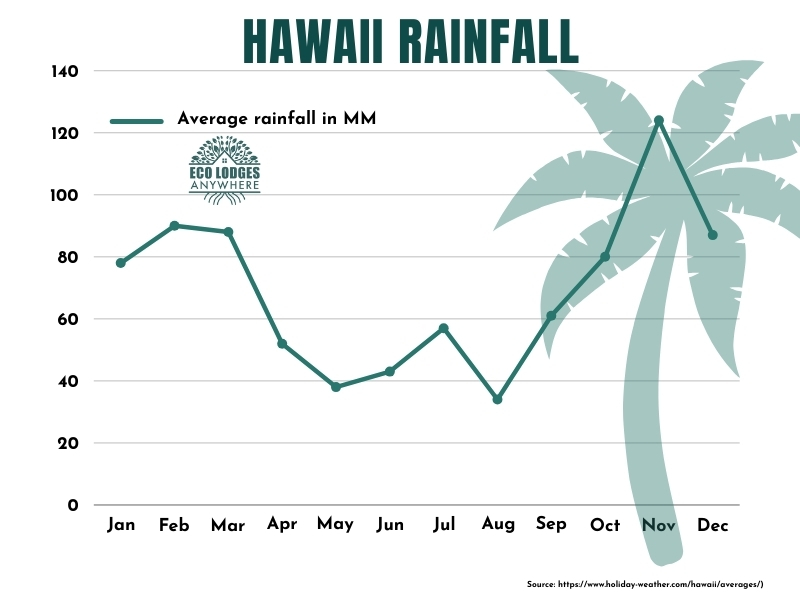
The rainy season in Hawaii traditionally spans from November through March. During this period, the islands experience a shift in weather patterns caused by the weakening of the steady trade winds and the occasional arrival of “Kona storms.” Unlike the brief, predictable afternoon showers seen in the summer, winter rains can sometimes be more widespread and persistent.
The Role of Trade Winds and Microclimates
To understand rain in the islands, one must understand the trade winds. These winds typically blow from the northeast, hitting the mountain ranges of islands like Oahu and Kauai. As the moist air rises over the peaks, it cools and condenses into rain. This creates a “windward” (wet) side and a “leeward” (dry) side. For example, Honolulu and Waikiki are located on the leeward side, meaning they stay significantly drier than the lush, mountainous interiors even during the peak of the rainy season.
Identifying Kona Storms
While trade wind showers are usually brief, Hawaii occasionally encounters Kona storms. The term “Kona” refers to the leeward or “southerly” direction. These storms occur when the wind reverses direction, bringing heavy rain to the normally dry areas like Kona on the Big Island or Lahaina in Maui. These systems can last for several days, but they are also responsible for the intense greening of the southern coastlines, a sight that is truly spectacular for photography and nature lovers.
Seasonal Temperature Shifts
Even during the wettest months, the temperature in Hawaii remains remarkably pleasant. Daytime highs in the winter usually hover around 78°F to 82°F, while nighttime lows rarely dip below 65°F at sea level. This mild climate means that a rain shower is rarely “cold” in the traditional sense, often referred to by locals as “liquid sunshine.” It is this combination of warmth and moisture that allows the islands to host some of the most diverse flora on the planet.
Tourism Tips: Embracing the Rain with Activities and Culture
A common misconception is that the rainy season ruins a vacation. In reality, the winter months are some of the most vibrant times to visit. The rain revitalizes the waterfalls, deepens the colors of the rainforest, and brings a sense of calm to the bustling tourist hubs.
Exploring Cultural and Indoor Landmarks
When the clouds gather over the North Shore, it is the perfect time to pivot toward Hawaii’s rich indoor cultural offerings. In Honolulu, the Bishop Museum offers an unparalleled look at Polynesian history and science. For those interested in royal history, a tour of Iolani Palace, the only royal palace on United States soil, provides a profound look into the Hawaiian Monarchy. Another essential stop is Pearl Harbor, where many of the memorials and museums offer covered areas that allow for reflection regardless of the weather.
Chasing Rejuvenated Waterfalls
If you are an enthusiast of natural wonders, the rainy season is arguably the best time to visit. The famous Akaka Falls on the Big Island and Rainbow Falls in Hilo become thunderous spectacles during the winter. In Kauai, the “Garden Isle,” the peaks of Mount Waialeale feed hundreds of temporary silver threads that lace the emerald cliffs of the Na Pali Coast. While hiking trails can become muddy, viewing these falls from a helicopter or a safe roadside lookout is a highlight of the season.
Winter Wildlife: Humpback Whale Watching
One of the greatest benefits of visiting during the rainy season has nothing to do with the rain itself, but the sea. From December through April, thousands of Humpback whales migrate from Alaska to the warm Hawaiian waters to mate and give birth. Maui is the premier destination for whale watching, particularly in the sheltered waters of the Auau Channel. Even on a drizzly day, seeing a 40-ton whale breach the surface is an experience that transcends weather conditions.
Navigating the Islands: Practical Advice for Travelers
Successfully navigating Hawaii during the wet season requires a bit of local “know-how.” Being prepared for sudden changes in weather ensures that your itinerary remains flexible and enjoyable.
Packing Essentials for the Tropics
Forget heavy raincoats or umbrellas that will flip inside out in the wind. The local approach to the rainy season is “minimalist protection.” A lightweight, breathable rain shell is essential for hiking in places like Waimea Canyon or walking through Volcanoes National Park. Waterproof footwear with good traction is also a must, as volcanic rock and red mud can become incredibly slippery when wet. Most importantly, bring a “dry bag” for your electronics if you plan on taking a boat tour or hiking near the coast.
Driving Safety and Road Conditions
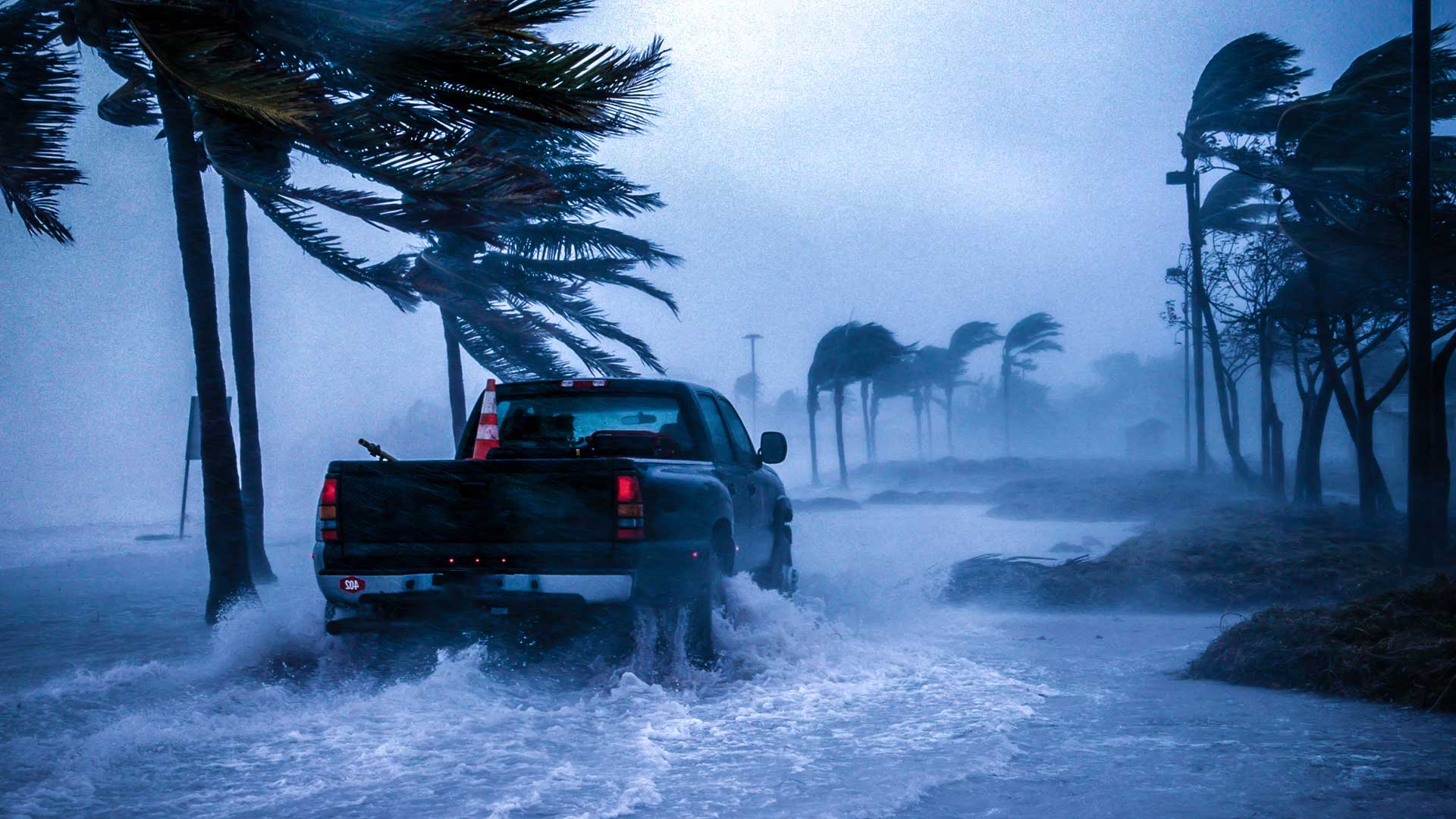
The rainy season can impact travel logistics, particularly on winding coastal roads. The Hana Highway in Maui, with its 600+ curves and dozens of one-lane bridges, requires extra caution during heavy downpours. Flash flooding is a real concern in valleys, so always heed local weather warnings and never attempt to cross a swollen stream. If you are staying on Oahu, be aware that traffic in Honolulu tends to slow down significantly during rain, so allow extra time to reach attractions like Diamond Head.
Savoring Rainy Day Comfort Foods
The local culture has perfected the art of the “rainy day meal.” When the air turns slightly misty, locals head to small eateries for soul-warming bowls of Saimin (a local noodle soup) or a hearty Loco Moco. Visiting the Polynesian Cultural Center on a rainy evening allows you to experience a traditional Luau under large, thatched pavilions, where the sound of rain on the roof adds an atmospheric layer to the drumming and chanting.
Choosing the Best Island for a Winter Visit
While the entire state experiences a rainy season, the impact varies significantly from island to island. Your choice of destination should align with your tolerance for rain and your desire for lush scenery.
Oahu: The Best All-Rounder
Oahu offers the best infrastructure for rainy days. If the North Shore is seeing heavy swells and rain, you can easily retreat to the museums and shopping centers of Honolulu. The south shore usually remains sunny, providing a safe haven for beachgoers even in January.
Kauai: The Lush Experience
If you choose Kauai during the rainy season, you are leaning into the experience. As the wettest island, it is also the greenest. While the Na Pali Coast may be harder to access by boat due to winter swells, the inland beauty of the island is at its peak. It is a time for those who love photography and don’t mind a bit of mud on their boots.
The Big Island: The Land of Contrasts
The Big Island is so large that it contains almost every climate zone. If it is raining in Hilo, it is almost certainly sunny in Kona. This island allows travelers to literally “drive away” from the rain. The rainy season also makes the coffee plantations in the Kona district particularly beautiful, as the moisture triggers the “Kona Snow” (white coffee blossoms).
Maui: The Whale Capital
For many, the rain is a small price to pay for the chance to see the Humpback whales. While the Hana Highway is the main attraction for nature lovers, the resort areas of Wailea and Ka’anapali stay relatively dry, making Maui a balanced choice for winter travelers.
Conclusion: The Beauty of the “Liquid Sunshine”
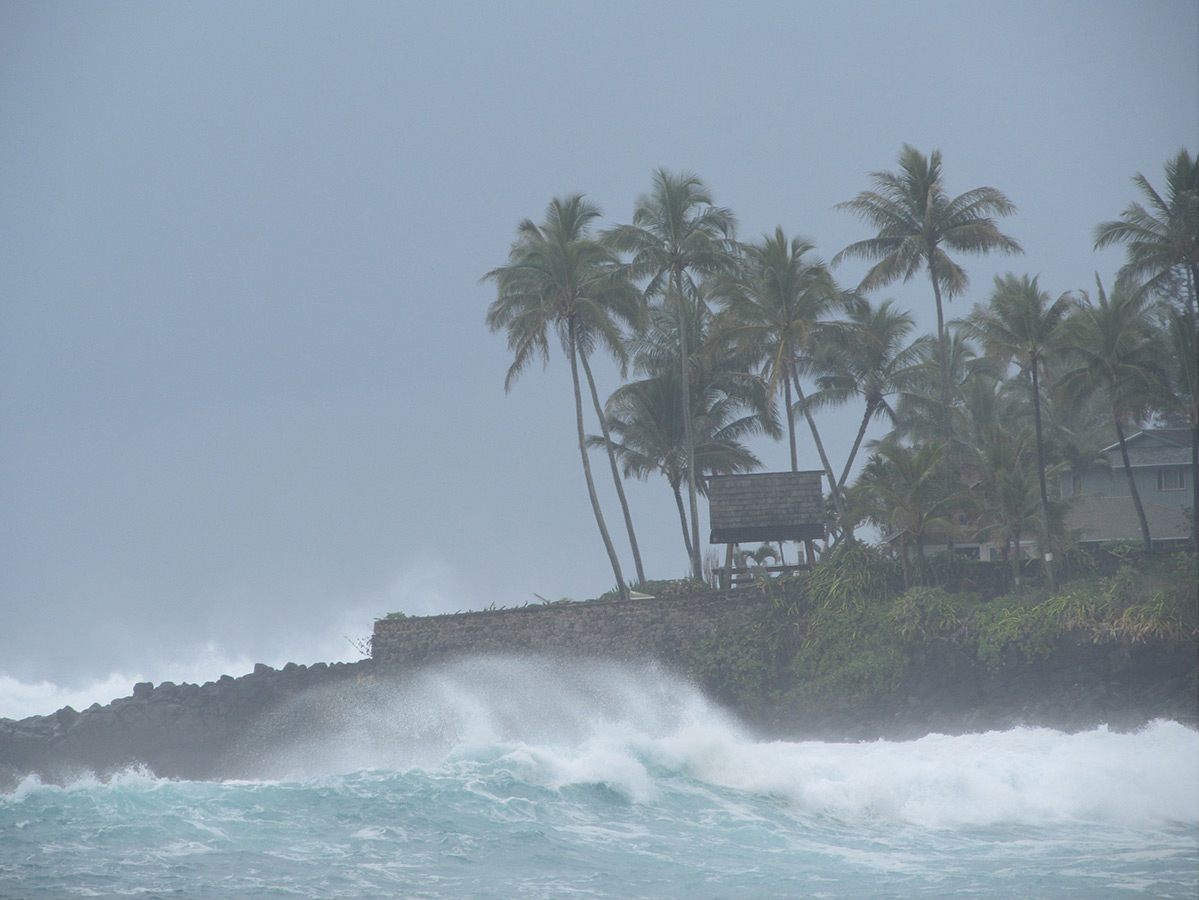
The rainy season in Hawaii is not a period to avoid, but rather a season to understand and appreciate. It is the lifeblood of the islands, responsible for the towering waterfalls, the vibrant tropical fruits, and the ancient taro patches that sustain the local culture. By choosing the right side of the island, packing appropriately, and keeping a flexible mindset, visitors can experience a side of the United States most beautiful state that many summer tourists miss. Whether you are watching a mist-covered sunset from a balcony in Waikiki or listening to the rain patter against the leaves in a Kauai rainforest, the “liquid sunshine” is an integral part of the true spirit of Aloha.
LifeOutOfTheBox is a participant in the Amazon Services LLC Associates Program, an affiliate advertising program designed to provide a means for sites to earn advertising fees by advertising and linking to Amazon.com. Amazon, the Amazon logo, AmazonSupply, and the AmazonSupply logo are trademarks of Amazon.com, Inc. or its affiliates. As an Amazon Associate we earn affiliate commissions from qualifying purchases.