
Understanding the economic landscape of any city is crucial, whether you’re considering a permanent move, an extended stay, or simply planning a budget-conscious trip. For Fort Collins, a vibrant city nestled at the base of the Colorado Rockies, the minimum wage isn’t just a number; it’s a foundational element that shapes the local lifestyle, affordability, and overall quality of life. This guide delves into the specifics of the minimum wage in Fort Collins, exploring its implications for residents, visitors, and those contemplating making this charming city their home.
Understanding Fort Collins’ Economic Landscape
Fort Collins operates within a multi-layered minimum wage structure, influenced by federal, state, and sometimes local ordinances. For individuals seeking employment or evaluating the cost of living, it’s essential to grasp how these various tiers interact and what the current figures mean for earning potential.
The Local Wage Standard
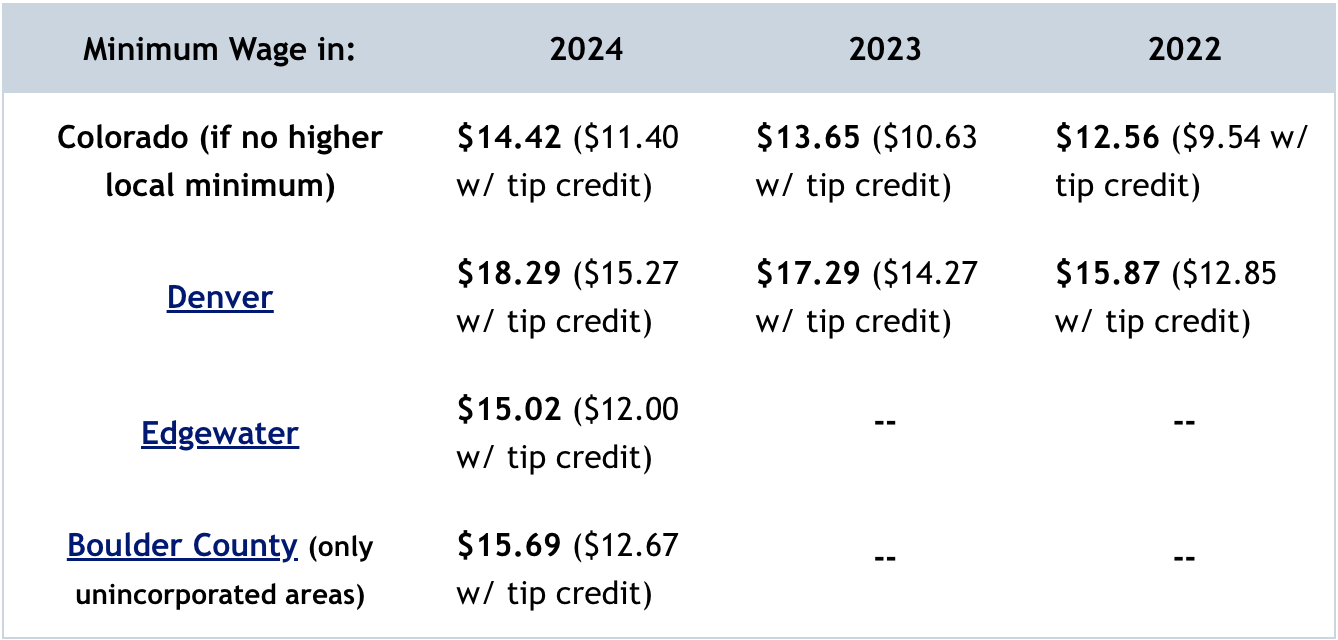
As of early 2024, the minimum wage in Fort Collins is set by the state of Colorado. Unlike some other cities in Colorado that have implemented their own municipal minimum wage ordinances, Fort Collins generally adheres to the statewide standard. For non-tipped employees, the minimum wage is currently $14.42 per hour. For employees who regularly receive tips, the cash wage paid by the employer can be lower, at $11.40 per hour, provided that the tips received bring the employee’s total hourly compensation up to at least the full minimum wage of $14.42. This tiered system is common across the United States and aims to ensure that all workers reach a baseline income level.
The state of Colorado typically adjusts its minimum wage annually, often on January 1st, to account for inflation and the rising cost of living. These adjustments are usually tied to the Consumer Price Index (CPI), ensuring that the purchasing power of minimum wage earners doesn’t erode significantly over time. Staying informed about these annual changes is vital for both employers and employees.
Federal vs. State vs. Local Ordinances
The interplay between federal, state, and local wage laws can sometimes be complex. The Federal Minimum Wage stands at $7.25 per hour, a figure that has remained unchanged for many years. However, both Colorado and Fort Collins workers benefit from state laws that mandate a higher minimum wage. When federal, state, and local minimum wage laws apply to the same employer and employee, the employee is entitled to the highest applicable rate. In this case, Colorado’s state minimum wage supersedes the federal standard, as it provides a greater benefit to the worker.
While Fort Collins currently follows the state standard, other Colorado cities like Denver and Boulder have adopted their own, even higher municipal minimum wages. This demonstrates a trend among progressive cities to address local economic conditions and cost of living challenges more directly. For Fort Collins, adhering to the state minimum wage means that while it offers a competitive wage compared to the national average, it remains aligned with broader state policy rather than pursuing a distinct local path.
Impact on Lifestyle and Cost of Living
The minimum wage directly impacts the lifestyle achievable in Fort Collins. Understanding how this baseline income translates into real purchasing power is crucial for anyone considering living or spending an extended period in the city.
Affordability of Essentials: Housing, Food, Transportation
Fort Collins is widely recognized for its high quality of life, but this often comes with a higher cost of living compared to the national average, particularly concerning housing. Rent for a one-bedroom apartment can easily range from $1,500 to $2,000 per month, making it challenging for someone earning minimum wage to cover housing costs alone without additional income or shared living arrangements. This reality often necessitates careful budgeting and highlights the importance of roommates for many young professionals, students at Colorado State University, and service industry workers.
Food costs are generally comparable to other cities of its size, though dining out regularly can quickly deplete a budget. Grocery expenses for a single person might average $300-$400 per month. Transportation in Fort Collins is manageable, with a robust public transit system provided by Transfort, including the popular MAX Bus Rapid Transit line, offering an affordable alternative to car ownership. However, for those requiring personal vehicles, fuel, insurance, and maintenance add significant monthly expenses. The minimum wage provides enough to cover basic necessities, but often leaves little room for error or unexpected costs without strategic financial planning.
Discretionary Spending and Leisure Activities
Life in Fort Collins isn’t just about covering bills; it’s also about enjoying the vibrant outdoor recreation, craft breweries, and cultural scene. For someone earning the minimum wage, discretionary spending requires careful prioritization. A single individual working full-time at $14.42/hour would earn approximately $2,307 after taxes monthly (assuming a simplified tax scenario). After housing, food, and basic transportation, the remaining disposable income might be modest.

This means enjoying Fort Collins’ many attractions often involves seeking out free or low-cost activities. Hiking and biking on the extensive trail networks, picnicking in city parks like City Park, or attending free community events become primary leisure options. Visiting breweries, concert venues, or going out for meals requires budgeting, perhaps limiting such outings to special occasions or happy hour deals. The minimum wage allows for participation in the Fort Collins lifestyle, but often emphasizes a budget-conscious approach to leisure and entertainment.
Financial Planning for Living or Extended Stays in Fort Collins
Effective financial planning is paramount for anyone intending to live or stay long-term in Fort Collins, especially when considering minimum wage income. Strategic budgeting and an understanding of local earning opportunities can make a significant difference.
Budgeting for Different Lifestyles: Students, Families, Solo Travelers
Budgeting in Fort Collins varies significantly based on individual circumstances.
- Students: Many students at Colorado State University work part-time jobs earning minimum wage. Their budgets often rely on student loans, parental support, or extensive cost-sharing with roommates. On-campus housing or shared off-campus apartments are common, and their lifestyle is typically geared towards affordable entertainment and university resources.
- Solo Travelers/Young Professionals: For a single individual, even with a full-time minimum wage job, making ends meet independently can be tight due to high housing costs. Strategic budgeting for groceries, opting for public transport or cycling, and choosing free outdoor activities are key. Many in this demographic seek roles with higher earning potential or work multiple jobs.
- Families: For families, relying solely on minimum wage income is generally unsustainable in Fort Collins without significant supplementary income or government assistance. The cost of childcare, larger housing needs, and increased food expenses far outpace what one or even two minimum wage incomes can comfortably support. Families typically require at least one higher-paying job or multiple full-time positions above minimum wage to thrive.
Regardless of the demographic, creating a detailed budget that tracks income and expenses, identifying areas for saving, and building an emergency fund are critical steps. Resources from local credit unions or financial literacy programs can be invaluable.
Exploring Job Opportunities and Earning Potential
While the minimum wage provides a baseline, many individuals in Fort Collins aim for jobs that offer higher wages. The city has a diverse economy, with opportunities in tech, healthcare (e.g., Poudre Valley Hospital), education (Colorado State University), and the thriving craft brewing industry.
- Service Industry: Many entry-level positions in retail, hospitality, and food service pay minimum wage. However, some roles, especially those with tips or specialized skills (e.g., experienced baristas, skilled servers), can lead to higher effective hourly rates.
- Skilled Trades: Demand for skilled trades (electricians, plumbers, carpenters) often commands wages significantly above the minimum.
- Tech and Professional Services: As a growing tech hub, Fort Collins offers numerous opportunities in software development, engineering, and administrative roles with competitive salaries.
- Education: Colorado State University is a major employer, offering a range of administrative, research, and support staff positions.
For those looking to move beyond minimum wage, investing in education, vocational training, or gaining specialized experience is a common path. The local community college, Front Range Community College, offers various programs designed to upskill the workforce.
Fort Collins: A Desirable Lifestyle Destination?
The question of whether Fort Collins is a desirable lifestyle destination, particularly from an economic perspective, is nuanced. The city consistently ranks high for quality of life, access to nature, and a vibrant community. However, these benefits must be weighed against the cost of living, which is significantly influenced by the local minimum wage.
Balancing Income and Quality of Life
For many, the appeal of Fort Collins lies in its natural beauty, outdoor activities, and laid-back yet progressive atmosphere. These non-monetary benefits contribute immensely to the overall quality of life. For individuals and families earning above the minimum wage, or those who have secured well-paying jobs in the city’s growing industries, the balance is often favorable. They can comfortably afford housing, enjoy leisure activities, and fully immerse themselves in the Fort Collins lifestyle.
However, for those at the lower end of the income spectrum, particularly minimum wage earners, the balance can be precarious. The high cost of housing, in particular, means that a significant portion of income is allocated to rent, leaving less for savings, emergencies, or discretionary spending. This can lead to a trade-off where the desirable lifestyle is accessed through financial frugality, shared living, or working multiple jobs. The city’s commitment to public spaces, free cultural events, and extensive trail systems helps mitigate some of these challenges by providing accessible ways to enjoy the Fort Collins experience without significant financial outlay.

Resources for Newcomers and Residents
Fort Collins offers a variety of resources to help newcomers and residents navigate its economic landscape. Organizations like the Fort Collins Chamber of Commerce provide information on local businesses and job opportunities. Workforce development centers offer career counseling, job search assistance, and training programs. For housing assistance, local non-profits and city programs sometimes offer support, though demand often outweighs supply. Additionally, community food banks and assistance programs can help offset the cost of living for those facing financial hardship.
Understanding the minimum wage in Fort Collins is more than just knowing a number; it’s about comprehending its role in shaping daily life, budgeting decisions, and the overall accessibility of the Fort Collins lifestyle. While the city’s economic realities present challenges for minimum wage earners, its vibrant community, natural beauty, and array of accessible activities continue to draw people who are willing to strategically plan their finances to call this unique Colorado city home.
LifeOutOfTheBox is a participant in the Amazon Services LLC Associates Program, an affiliate advertising program designed to provide a means for sites to earn advertising fees by advertising and linking to Amazon.com. Amazon, the Amazon logo, AmazonSupply, and the AmazonSupply logo are trademarks of Amazon.com, Inc. or its affiliates. As an Amazon Associate we earn affiliate commissions from qualifying purchases.