
The crimson glow against the indigo sky, the acrid scent of smoke, and the palpable fear – these are the hallmarks of a devastating wildfire. When the headlines screamed, “What Started The Los Angeles Fire?”, it wasn’t just about a single event, but a complex interplay of natural conditions and human actions that converge to create these catastrophic infernos, particularly in a region as dynamic as Los Angeles. Understanding the genesis of such fires is crucial for appreciating the challenges faced by this sprawling metropolis and for informing strategies aimed at mitigation and prevention. This exploration delves into the multifaceted origins of fires in Los Angeles, drawing parallels with the broader themes of travel, tourism, and the inherent risks associated with living in a region blessed with natural beauty but also susceptible to environmental hazards.
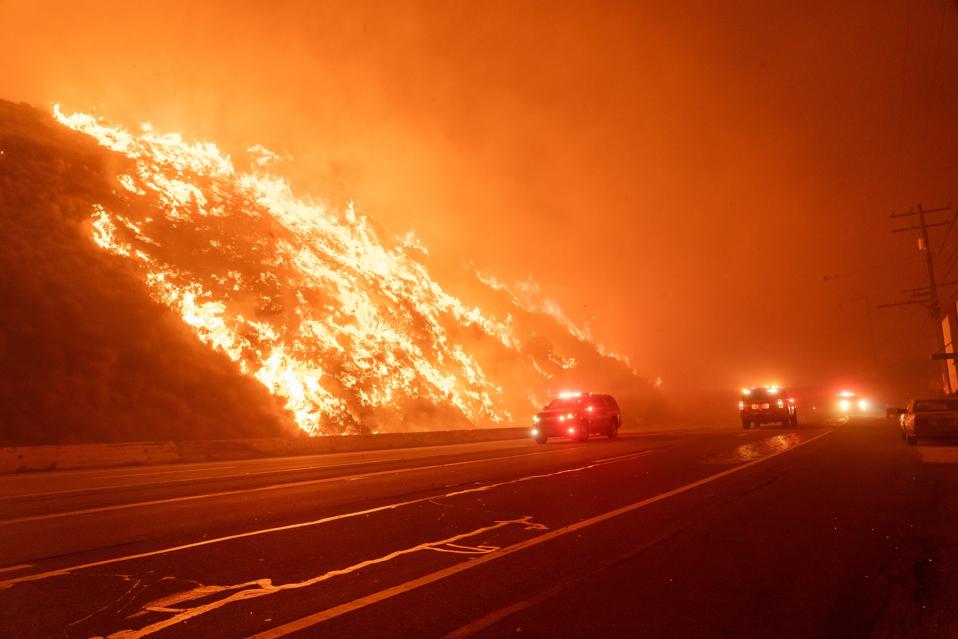
The Ignition Point: Natural and Human Factors
The spark that ignites a wildfire is rarely a singular, isolated incident. Instead, it’s often the confluence of environmental conditions ripe for combustion and a source of ignition. In the context of Los Angeles, these factors are particularly pronounced, shaping the narrative of its fire history.
Natural Predispositions: A Tinderbox Waiting for a Spark
The geography and climate of Southern California create a natural predisposition to fires. The Mediterranean climate, characterized by long, dry summers and mild, wet winters, leads to the accumulation of vast quantities of dry vegetation. This vegetation, often referred to as “fuel,” becomes exceptionally flammable when it hasn’t rained for months.
- Santa Ana Winds: Perhaps the most notorious natural catalyst for Los Angeles fires are the Santa Ana winds. These hot, dry, and extremely gusty winds originate in the desert interior and sweep down towards the coast, typically during the autumn and winter months. They rapidly dry out already parched vegetation and can fan small, seemingly insignificant sparks into raging infernos with astonishing speed. The Santa Ana winds are a significant factor in the intensity and rapid spread of many Los Angeles fires, transforming a smoldering ember into a full-blown conflagration that can threaten homes and infrastructure.
- Drought Conditions: Prolonged periods of drought, which have become increasingly common and severe in California, exacerbate the fire risk. Reduced rainfall means less moisture in the soil and vegetation, making them more susceptible to ignition and burning more intensely. The cumulative effect of years of drought can create vast swathes of extremely dry brush, a veritable tinderbox waiting for any spark.
- Topography: The rugged, hilly terrain surrounding Los Angeles also plays a role. Steep slopes can accelerate the upward movement of flames, and canyons can channel winds, intensifying the fire’s spread. This challenging topography makes firefighting operations more complex and dangerous.
Human Influences: Accidental and Intentional Ignitions
While nature sets the stage, human activity is almost always the direct cause of ignition. These can range from accidental mishaps to deliberate acts of arson.
- Electrical Equipment and Infrastructure: A significant portion of Los Angeles fires are linked to electrical equipment. This can include faulty power lines, sparks from damaged equipment, or even falling power lines during high winds. The vast network of power lines crisscrossing the Los Angeles basin and its surrounding wildland-urban interface presents a persistent risk, especially during windy conditions. Utility companies, such as the Southern California Edison and Los Angeles Department of Water and Power, are continuously working to mitigate these risks through infrastructure upgrades and vegetation management, but the potential for ignition remains.
- Campfires and Open Flames: In recreational areas, unattended campfires, discarded cigarettes, and sparks from barbeques can easily ignite dry brush. While regulations are in place to control the use of open flames, human error or negligence can have devastating consequences.
- Vehicle-Related Incidents: Sparks from dragging chains, catalytic converters igniting dry grass, or vehicle malfunctions can also be sources of ignition. The extensive network of freeways and roadways that traverse the natural landscapes around Los Angeles mean vehicles are constantly in close proximity to flammable vegetation.
- Arson: Unfortunately, arson remains a factor in some wildfires. Deliberately setting fires poses a significant threat and requires dedicated law enforcement efforts for prevention and prosecution.
- Debris Burning: Improperly managed debris burning, intended to clear land or dispose of waste, can easily escape control and spread into wildlands.
The Growing Threat: Wildland-Urban Interface and Climate Change
The concept of the “wildland-urban interface” (WUI) is central to understanding the escalating threat of wildfires in Los Angeles and other similar regions. This is where human development encroaches upon or intermingles with wildland areas, creating a zone of heightened risk for both structures and lives.
Living on the Edge: The Wildland-Urban Interface
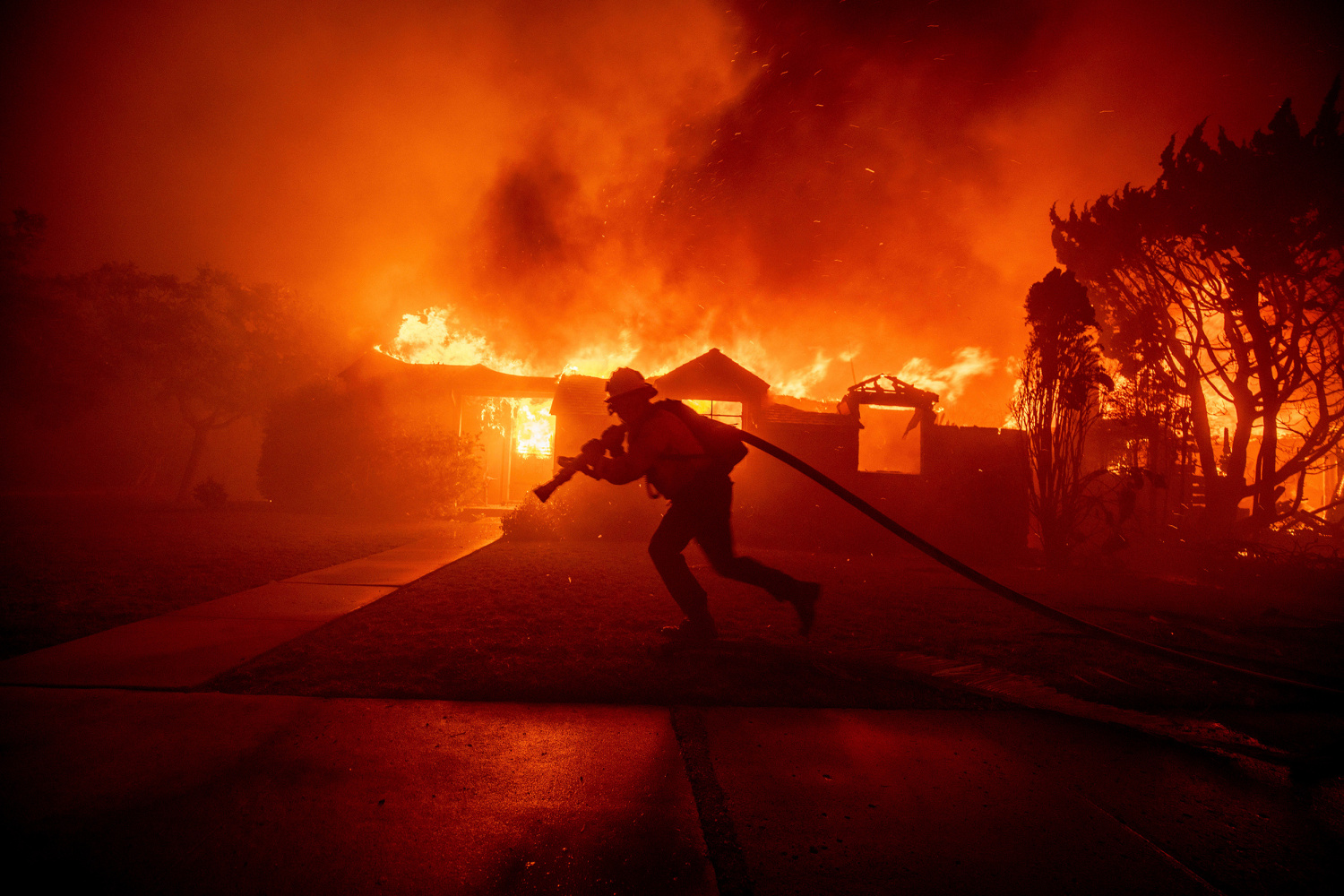
The allure of living amidst California’s natural beauty has driven significant development into the hills and canyons surrounding Los Angeles. These picturesque communities, while offering breathtaking views and a sense of escape, are inherently vulnerable to wildfires.
- Fuel Load in Developed Areas: Even within developed areas, landscaping can contribute to the fuel load. Dry, overgrown vegetation, dead trees, and flammable landscaping materials can readily ignite and spread fire to homes. Homeowners play a critical role in creating defensible space around their properties by maintaining vegetation and clearing debris.
- Ignition Sources in Developed Areas: Within the WUI, the sources of ignition can be more diverse and numerous. Barbecues, power tools, electrical malfunctions within homes, and even fireworks can all contribute to igniting fires that can then spread into the surrounding wildlands.
- Challenges for Fire Suppression: Fighting fires in the WUI presents immense challenges for firefighters. Narrow, winding roads can impede access for fire engines, and the proximity of homes to dense vegetation makes evacuation and protection efforts complex and dangerous. The dynamic nature of these fires, often fueled by unpredictable winds, means that a home that seems safe one moment can be in immediate peril the next.
The Amplifying Effect of Climate Change
Scientists and climate experts widely agree that climate change is exacerbating the conditions that lead to more frequent and intense wildfires. While the question “What Started The Los Angeles Fire?” might focus on immediate ignition, the broader context of a changing climate plays a crucial role in the increased frequency and severity of these events.
- Increased Temperatures and Longer Droughts: Global warming contributes to higher average temperatures, which lead to drier conditions and longer, more intense droughts. This directly increases the flammability of vegetation.
- Changes in Precipitation Patterns: While some regions may experience increased rainfall, California is generally projected to face more erratic precipitation patterns, with extended dry spells becoming more common.
- Earlier Snowmelt: In mountainous regions that feed Los Angeles with water, earlier snowmelt due to rising temperatures means that the dry season begins sooner and lasts longer, further stressing vegetation.
- More Extreme Weather Events: Climate change is also linked to an increase in extreme weather events, including the strong, dry winds that are so critical in spreading wildfires.
Preparing for the Inevitable: Prevention, Mitigation, and Community Resilience
Given the persistent threat of wildfires in Los Angeles, understanding their origins is not just an academic exercise but a crucial step towards fostering a culture of preparedness and resilience. The focus shifts from solely answering “What Started The Los Angeles Fire?” to proactively preventing future ignitions and mitigating their impact.
Prevention and Mitigation Strategies
A multi-pronged approach involving individuals, communities, and government agencies is essential for wildfire prevention and mitigation.
- Public Awareness and Education: Educating the public about fire safety, responsible outdoor practices, and the importance of defensible space is paramount. Campaigns promoting the “Ready, Set, Go!” program, which outlines steps for evacuation, are vital.
- Vegetation Management: Strategic removal and management of flammable vegetation in high-risk areas, particularly in the WUI, is a critical mitigation strategy. This includes controlled burns, mechanical thinning, and maintaining healthy forests.
- Infrastructure Hardening: Utility companies are investing in hardening their infrastructure to reduce the risk of ignition from power lines. This includes burying lines, using covered conductor wires, and implementing advanced monitoring systems.
- Building Codes and Land Use Planning: Stricter building codes that mandate fire-resistant materials in new construction within the WUI and careful land-use planning that limits development in the most hazardous areas are essential for long-term resilience.
- Early Detection Systems: Advanced technologies such as infrared sensors, camera networks, and AI-powered monitoring systems are being deployed to detect fires in their earliest stages, allowing for a quicker response.

Community and Individual Preparedness
The responsibility for wildfire preparedness extends to every resident living in or near fire-prone areas.
- Creating Defensible Space: Homeowners are urged to create defensible space around their properties by clearing away flammable vegetation, trimming trees, and removing dead leaves and debris.
- Home Hardening: Retrofitting homes with fire-resistant roofing, vents, and windows can significantly improve their chances of survival in a wildfire.
- Emergency Plans: Developing a family emergency plan that includes evacuation routes, meeting points, and a disaster kit is crucial. Knowing when and how to evacuate is paramount to safety.
- Staying Informed: Residents should stay informed about fire conditions and evacuation orders through local news, emergency alerts, and official social media channels.
The question “What Started The Los Angeles Fire?” will likely continue to be asked as long as communities coexist with the natural forces that shape this beautiful but volatile region. By understanding the intricate web of natural predispositions, human actions, and the amplifying effects of climate change, Los Angeles can move forward with a more informed and proactive approach to wildfire preparedness, safeguarding its communities and its irreplaceable natural heritage. The journey of travel and tourism in Los Angeles, whether to iconic landmarks like the Griffith Observatory or exploring the vibrant local culture in neighborhoods like Downtown Los Angeles, is intrinsically linked to the health and safety of its environment. Ensuring the resilience of this region against the threat of fire is not just about protecting property; it’s about preserving the very essence of what makes Los Angeles a unique and desirable destination.
LifeOutOfTheBox is a participant in the Amazon Services LLC Associates Program, an affiliate advertising program designed to provide a means for sites to earn advertising fees by advertising and linking to Amazon.com. Amazon, the Amazon logo, AmazonSupply, and the AmazonSupply logo are trademarks of Amazon.com, Inc. or its affiliates. As an Amazon Associate we earn affiliate commissions from qualifying purchases.