
For anyone planning a trip, considering a move, or simply managing daily expenditures in the Centennial State, understanding the sales tax structure is a fundamental aspect of financial planning. Colorado, renowned for its majestic Rocky Mountains and vibrant cities, offers a unique blend of natural beauty and urban sophistication. However, the cost of experiencing this lifestyle, whether through luxury travel, budget adventures, family vacations, or business stays, is invariably influenced by sales tax. It’s not a uniform rate across the state; rather, it’s a dynamic figure that fluctuates significantly from one locality to another. This guide will illuminate the intricacies of sales tax in Colorado, providing insights essential for budgeting and making informed purchasing decisions, ultimately shaping your travel or residential lifestyle.

Understanding Colorado’s Sales Tax Landscape
At the heart of Colorado’s sales tax system is a relatively low state rate, which is then augmented by a patchwork of local taxes. This tiered structure is crucial to grasp, as it means the final sales tax you pay can vary dramatically depending on where you make your purchase. For residents and visitors alike, this nuanced system demands attention to detail when budgeting for everything from a souvenir to a new car.
The State Sales Tax Rate
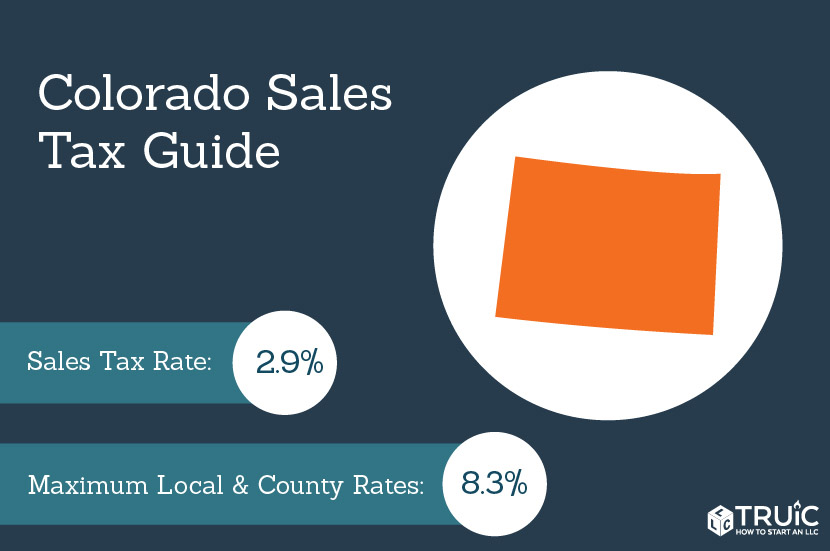
Colorado’s statewide sales tax rate is among the lowest in the nation, currently set at 2.9%. This consistent base rate applies to all taxable transactions across the state, providing a foundational element to the overall tax structure. This relatively modest state tax is a pleasant surprise for many, particularly those accustomed to higher rates in other states. However, it’s merely the starting point. Savvy travelers and residents know that this 2.9% rarely represents the total tax paid on a purchase, as local jurisdictions are eager to add their own levies. This low base rate makes initial calculations seem appealing, but the reality of local add-ons quickly changes the financial picture. Understanding this distinction is key to truly embracing the Colorado lifestyle without unexpected costs.
Beyond the State: Local Sales Taxes
The true complexity, and often the higher cost, of sales tax in Colorado comes from the myriad local sales taxes. Cities, counties, and even special districts (such as transportation districts or cultural facility districts) have the authority to impose their own sales taxes on top of the state’s 2.9%. These local rates can range from less than 1% to over 8%, leading to combined sales tax rates that can reach upwards of 10% in some areas. This decentralized approach means that a purchase made in one town might carry a significantly different tax burden than the exact same purchase just a few miles down the road. For individuals planning a budget-conscious trip or a long-term stay, researching the specific local sales tax rates for their chosen destination is paramount. Failing to account for these local variations can lead to underestimation of costs, impacting everything from daily expenditures to larger investments like vehicle purchases or home furnishings.
Navigating Sales Tax in Popular Colorado Destinations
The varied sales tax rates across Colorado become particularly evident and impactful when exploring the state’s diverse regions. Whether you’re enjoying the urban pulse of the Front Range or the serene beauty of a mountain town, the local sales tax will influence your spending. Understanding these variations is crucial for optimizing your lifestyle choices, whether it’s a luxury shopping spree or a frugal backpacking adventure.
Sales Tax in Major Cities
Colorado’s major urban centers, such as Denver, Colorado Springs, and Boulder, each present a distinct sales tax profile. Denver, as the state capital and largest city, exemplifies the complexity. A purchase within Denver includes the 2.9% state tax, plus Denver’s city tax, the Regional Transportation District (RTD) tax, and potentially cultural district taxes, combining to a rate often exceeding 8%. For instance, Denver’s total sales tax usually hovers around 8.81% (2.9% state + 3.62% city + 1.10% RTD + 0.1% cultural + 1.0% stadium), making it one of the higher taxed areas.
In contrast, Colorado Springs, a popular destination for outdoor enthusiasts and military families, typically has a lower combined rate, often around 8.25% (2.9% state + 3.12% city + 2.23% county/special districts). Boulder, known for its progressive vibe and stunning Flatirons backdrop, often sees rates similar to Denver due to various local levies, usually around 8.845% (2.9% state + 3.86% city + 1.1% RTD + 0.3% county + 0.685% open space). For business travelers or those on a family trip, these differences can add up, making it worthwhile to verify the specific rates in the areas you plan to frequent.
Sales Tax in Mountain Towns and Ski Resorts
The iconic mountain towns and world-class ski resorts of Colorado often implement higher local sales taxes to support their unique infrastructure and services, which cater to a heavy influx of tourists. Destinations like Aspen, Vail, and Breckenridge are prime examples.
In Aspen, a luxury travel hotspot, the combined sales tax rate can be quite high, often exceeding 10% (e.g., 2.9% state + 3.0% city + 0.9% county + 3.6% mass transit & open space = 10.4%). This impacts everything from designer boutique purchases to fine dining experiences. Similarly, Vail and Breckenridge often have combined rates in the 8-10% range. For a budget traveler, being aware of these elevated rates means factoring them into the cost of souvenirs, meals, and even activities, while for luxury travelers, it’s just another part of the premium experience. Understanding these localized impacts helps manage expectations and budgets, ensuring that your lifestyle choices in these beautiful settings align with your financial plans.
What’s Taxed and What’s Exempt? Key Considerations for Your Colorado Lifestyle
Beyond understanding the varying rates, knowing which items and services are subject to sales tax, and which are exempt, is equally important for navigating your Colorado lifestyle. This knowledge can significantly impact your daily expenditures, whether you’re grocery shopping for a family trip or purchasing equipment for an adventurous outdoor pursuit.
Common Taxable Items and Services
Generally, sales tax in Colorado applies to the sale of tangible personal property. This broad category includes most retail goods you purchase: clothing, electronics, souvenirs, sporting goods, furniture, and vehicles. Beyond tangible goods, prepared food sold in restaurants, cafes, and even many grocery stores (e.g., hot foods, deli items, prepared salads) is subject to sales tax.
For travelers, lodging is also a significant consideration. While not strictly “sales tax,” hotel stays are subject to state and local lodging taxes, which are often separate from the general sales tax and can be substantial, particularly in popular tourist areas. Rental cars are another key item for travelers and business stays, almost always subject to sales tax and often additional surcharges or fees. Understanding these common taxable items helps individuals budget accurately, preventing surprises at the checkout counter and ensuring a smooth financial experience during their Colorado adventures.
Notable Exemptions
Colorado offers several important exemptions that can provide relief, particularly for budget-conscious individuals and families. The most notable exemption is for unprepared food, often referred to as groceries. This means that staple food items purchased for home consumption—think fresh produce, meat, dairy, and pantry goods—are exempt from the state sales tax and most local sales taxes. This is a significant advantage for families planning longer stays or residents managing household budgets, as it substantially reduces the cost of essential living.
Other key exemptions include prescription medications, certain agricultural products, and some services. Generally, many professional services (e.g., legal, medical, accounting) are not subject to sales tax, though this can vary for specific service types and localities. Understanding these exemptions can profoundly influence your daily spending habits and overall financial lifestyle in Colorado. For instance, opting to cook meals from grocery store purchases rather than consistently dining out can lead to considerable savings, a vital strategy for budget travel or managing a new household.
Budgeting for Colorado’s Sales Tax: Tips for Travelers and Residents
Successfully managing your finances in [Colorado](https://lifeoutofthebox.com/colorado] requires more than just knowing the basic sales tax rate; it demands a proactive approach to budgeting that accounts for local variations and specific exemptions. Whether you’re a temporary visitor on a leisure trip or a new resident establishing roots, these tips can help you navigate the fiscal landscape with confidence.
Always Check the Combined Rate
The single most important piece of advice for anyone making a purchase in Colorado is to always be aware of the combined sales tax rate for that specific location. Do not rely solely on the state’s 2.9% rate. Before making significant purchases or planning your travel itinerary, take a moment to look up the city and county sales tax rates for your intended destination. The Colorado Department of Revenue website is an invaluable resource, providing detailed lists and search tools for local sales tax rates. This simple step can prevent sticker shock and ensure that your budget accurately reflects the true cost of goods and services, aligning with your desired lifestyle, be it frugal or extravagant.
Impact on Your Travel Lifestyle
Sales tax can have a surprisingly large impact on different travel lifestyles. For those indulging in a luxury travel experience, frequenting high-end boutiques, gourmet restaurants, and premium accommodations in places like Aspen or Vail, the higher local sales taxes will add a noticeable percentage to an already substantial bill. On the other hand, budget travelers can strategically leverage the grocery exemption. By purchasing unprepared food items and cooking some meals, they can significantly reduce their overall expenditure on food, stretching their travel budget further. For families on a trip, this strategy is particularly effective. Business travelers should also pay close attention to lodging taxes, which are often distinct from general sales tax and can vary widely by municipality, impacting expense reports. Being mindful of these nuances helps shape a travel experience that aligns with financial expectations.
Digital Purchases and Remote Sellers
In today’s digital age, it’s also important to understand how sales tax applies to online purchases in Colorado. Like most states, Colorado requires remote sellers (online retailers) to collect sales tax on sales made to Colorado residents if they meet certain economic nexus thresholds. This means that for most online purchases, you will likely pay the applicable sales tax, including state and local components, based on the delivery address. The days of easily avoiding sales tax by shopping online are largely over. While this adds to the cost of digital goods, it levels the playing field for local brick-and-mortar businesses and contributes to the local economy.
The Broader Economic Picture: Why Sales Tax Matters in Colorado
Beyond individual budgets, sales tax plays a vital role in the economic fabric of Colorado. Understanding its purpose can provide a deeper appreciation for why these levies exist and how they contribute to the quality of life enjoyed by both residents and visitors, ultimately enhancing the Colorado lifestyle.
Funding Local Services and Infrastructure
The revenue generated from state and local sales taxes is indispensable for funding a wide array of public services and infrastructure projects across Colorado. These funds support everything from maintaining Colorado’s roads and highways, which are essential for travel and commuting, to operating public schools and libraries, ensuring quality education and resources for communities. Sales tax also contributes to public safety initiatives, local parks, and recreational facilities, and even marketing efforts that promote tourism. In popular areas like ski resorts or national park gateways, higher local sales taxes often directly support the infrastructure needed to manage high visitor volumes, ensuring that the natural beauty and amenities remain accessible and enjoyable for everyone.
A Fair Share: Supporting the Colorado Economy
Paying sales tax is more than just a mandatory expense; it’s a contribution to the collective well-being and continued prosperity of Colorado. Whether you’re enjoying the vibrant cultural scene in Denver, skiing down the slopes of Breckenridge, or simply residing in a quiet mountain town, your sales tax dollars help sustain the very environment and services that make Colorado such a desirable place to live and visit. By contributing a small percentage on taxable purchases, individuals are helping to maintain the high quality of life, robust infrastructure, and stunning natural attractions that define the Colorado experience for future generations of residents and travelers alike. It’s an investment in the unique lifestyle that Colorado offers.
LifeOutOfTheBox is a participant in the Amazon Services LLC Associates Program, an affiliate advertising program designed to provide a means for sites to earn advertising fees by advertising and linking to Amazon.com. Amazon, the Amazon logo, AmazonSupply, and the AmazonSupply logo are trademarks of Amazon.com, Inc. or its affiliates. As an Amazon Associate we earn affiliate commissions from qualifying purchases.