
The devastating Hurricane Harvey, a Category 4 storm that made landfall in August 2017, left an indelible mark on the Lone Star State. Its impact was not confined to a single point but rather spread across a significant portion of the Texas coast, bringing with it catastrophic flooding and widespread destruction. Understanding where Harvey made its most profound impact is crucial for grasping the scale of the disaster and the subsequent recovery efforts. This article will delve into the primary areas affected by this momentous weather event, drawing on the experiences of those on the ground and the data compiled in its aftermath.
Harvey’s journey through Texas was characterized by its slow movement after landfall, which exacerbated the rainfall and flooding across vast regions. The storm’s initial landfall was near Rockport, a coastal city in Aransas County, where it unleashed its full fury. The winds were ferocious, and the storm surge pushed seawater inland, causing immense damage to infrastructure and homes. From Rockport, the hurricane began its inland crawl, weakening but continuing to drop staggering amounts of rain.
The Unrelenting Deluge: Houston and its Surrounding Areas
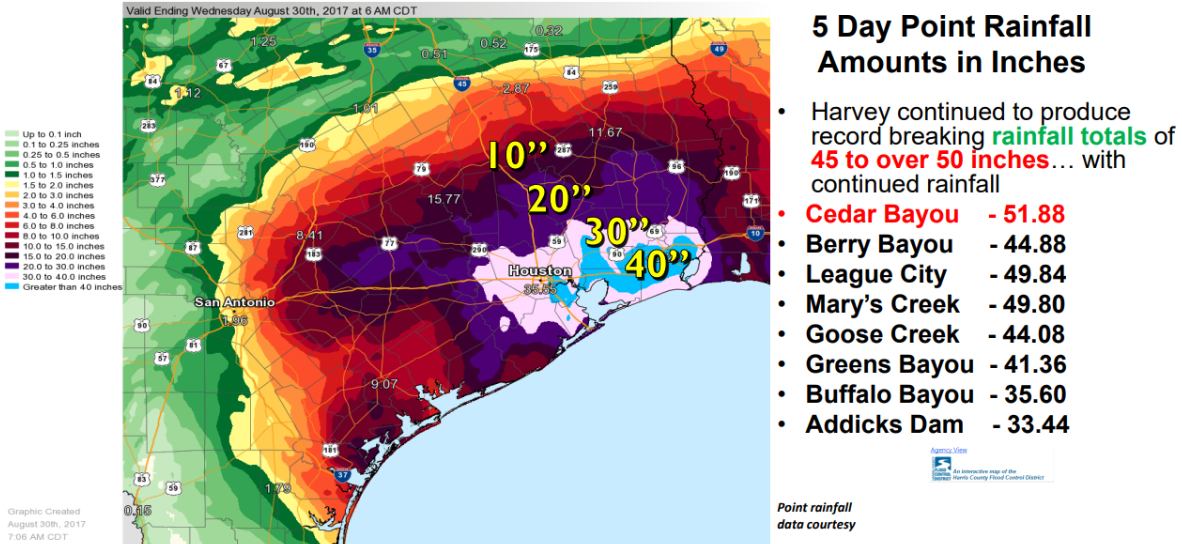
The most widely publicized and perhaps most severely impacted region by Hurricane Harvey was the greater Houston metropolitan area. While Harvey made landfall as a hurricane further down the coast, its slow, meandering path over Southeast Texas led to an unprecedented rainfall event that crippled the city and its surrounding communities. Houston, a sprawling metropolis and the fourth-largest city in the United States, experienced rainfall totals that shattered historical records. Over a period of several days, some areas received more than 50 inches of rain, transforming streets into rivers and inundating thousands of homes and businesses.
The sheer volume of water overwhelmed the city’s drainage systems and reservoirs. The Addicks and Barker reservoirs, designed to manage floodwaters, were forced to release water to prevent catastrophic dam failure, intentionally flooding thousands of homes in west Houston to protect the city center and more densely populated areas. This decision, while necessary to avert a larger disaster, still caused immense hardship for the residents whose homes were inundated.
Coastal Communities Bear the Initial Brunt
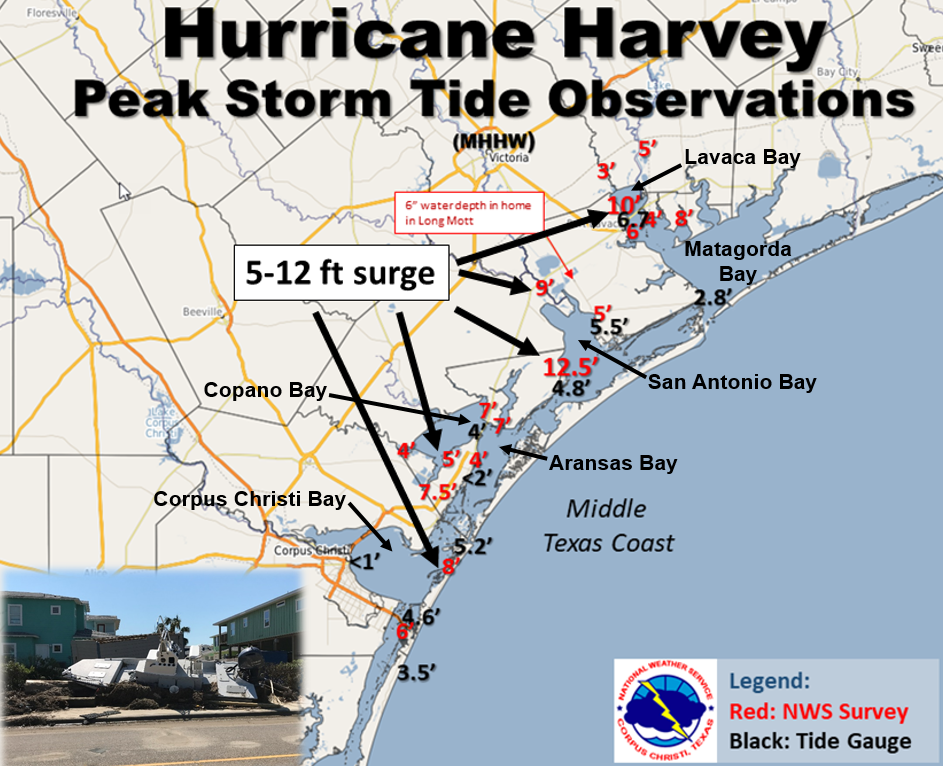
Before reaching Houston, Harvey made its initial destructive sweep along the Texas coast. Rockport, a popular tourist destination known for its birdwatching and fishing, was directly in the path of the eye of the hurricane. The storm surge, estimated to be between 4 and 6 feet in some areas, combined with 130 mph winds, caused widespread destruction. Buildings were reduced to rubble, and the iconic Aransas Pass lighthouse, a historic landmark, sustained significant damage. The Aransas National Wildlife Refuge, a vital sanctuary for the endangered Whooping Crane, also suffered damage to its infrastructure and habitats.
Further south along the coast, cities like Corpus Christi and Port Aransas also experienced severe impacts. Corpus Christi, a major port city, faced strong winds and storm surge, leading to power outages and localized flooding. Port Aransas, a charming island town, was devastated. The storm surge inundated the island, destroying many of its iconic beach houses and businesses. The ferry service to the island was temporarily suspended due to debris and damage to the docks.

The Inland Spread: Beyond the Immediate Coastline
While the coastal areas and Houston received the most immediate and dramatic attention, Hurricane Harvey’s reach extended far beyond. As the storm system lingered over Texas, its relentless rainfall affected a much broader swath of the state. The Brazos River basin, in particular, experienced historic flooding. Towns and communities located along the Brazos River, which flows through central and eastern Texas, saw record-breaking crests.
The Devastation of Inland Cities and Towns
Cities and towns upstream and downstream from Houston also bore the brunt of the extended rainfall and subsequent riverine flooding. Areas like Beaumont, Port Arthur, and Lake Charles (just across the border in Louisiana, which also experienced significant flooding due to Harvey’s rainfall) saw their river systems overflow. The Neches River in Southeast Texas experienced severe flooding, impacting communities that had never before faced such extreme inundation.
The economic repercussions of Harvey were also far-reaching. The Texas coast is home to a significant portion of the United States‘ oil and gas refining capacity. The storm forced the shutdown of numerous refineries and petrochemical plants, leading to disruptions in fuel supply and significant economic losses. This impact extended beyond the immediate affected areas, influencing energy prices and supply chains across the country.
Recovery and Resilience: The Long Road Ahead
The aftermath of Hurricane Harvey presented Texas with a monumental challenge of recovery and rebuilding. The scale of the destruction necessitated a massive coordinated effort involving federal, state, and local agencies, as well as countless volunteers and charitable organizations. The financial cost of the storm, estimated to be over $125 billion, made it one of the costliest natural disasters in United States history.
The recovery process involved not only the physical rebuilding of homes, businesses, and infrastructure but also the psychological and emotional healing of communities that had endured such profound loss. Many residents were displaced for extended periods, seeking temporary housing and navigating the complex process of insurance claims and disaster relief. The resilience of the Texan spirit, however, became evident as communities came together to support one another.
The Texas coast, from the barrier islands to the inland river valleys, faced a long and arduous road to recovery. The lessons learned from Hurricane Harvey continue to inform disaster preparedness and response strategies in Texas and beyond, emphasizing the importance of robust infrastructure, effective evacuation plans, and community support systems in the face of increasingly powerful weather events. The story of where Harvey hit is not just a geographical account but a testament to the enduring spirit of a state that faced adversity and began the long, determined process of healing and rebuilding.
LifeOutOfTheBox is a participant in the Amazon Services LLC Associates Program, an affiliate advertising program designed to provide a means for sites to earn advertising fees by advertising and linking to Amazon.com. Amazon, the Amazon logo, AmazonSupply, and the AmazonSupply logo are trademarks of Amazon.com, Inc. or its affiliates. As an Amazon Associate we earn affiliate commissions from qualifying purchases.