
Moving to or residing in Colorado brings with it an abundance of natural beauty, outdoor activities, and vibrant communities. Yet, alongside the excitement of exploring the Front Range or the majestic [Rocky Mountains], comes the practical necessity of managing your daily life – and for many, that includes registering a vehicle. Understanding “how much to register a car in [Colorado]” is not just a legal requirement; it’s a crucial aspect of budgeting and seamless integration into the [Colorado] lifestyle. The costs involved can vary significantly based on several factors, making it essential to have a clear picture before you visit your local County Clerk and Recorder’s Office.
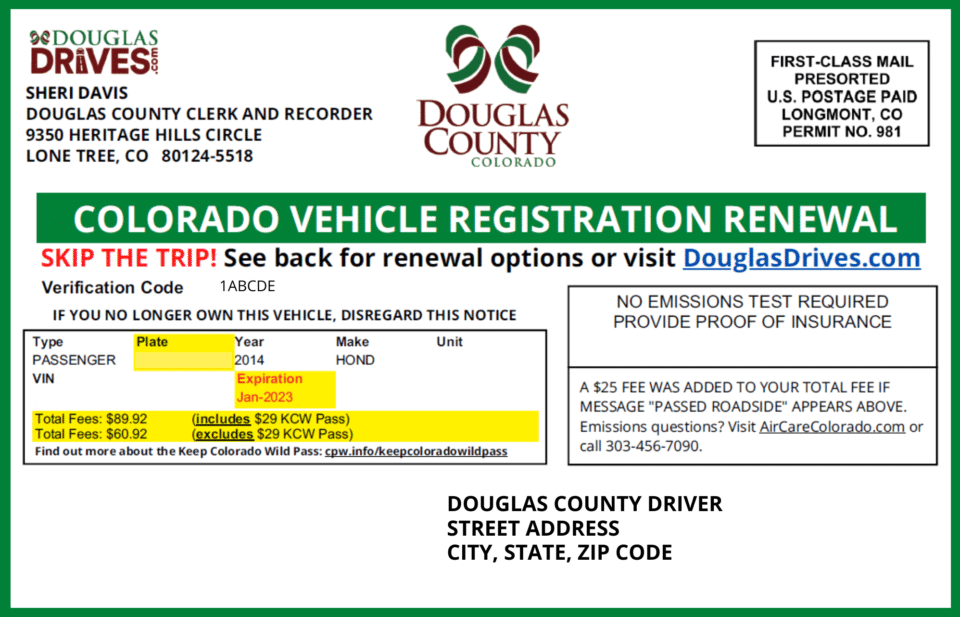
This comprehensive guide aims to demystify the vehicle registration process in [Colorado], breaking down the various fees, influencing factors, and necessary steps. By the end, you’ll be well-equipped to navigate the administrative landscape with confidence, ensuring your vehicle is legally compliant without any unwelcome financial surprises.
Understanding Colorado’s Vehicle Registration System
Before delving into the specific costs, it’s vital to grasp the foundational aspects of how vehicle registration operates within [Colorado]. This knowledge forms the basis for understanding why certain fees apply and what documentation you’ll need.
The Basics of Colorado Vehicle Registration
Every resident operating a vehicle on [Colorado] public roads is legally required to register it with the state. This applies whether you’ve just moved to [Colorado], purchased a new or used car, or are simply renewing an existing registration. The primary purpose of registration extends beyond mere compliance; it’s a critical mechanism for funding the state’s extensive infrastructure, including road maintenance, public safety initiatives, and various administrative services.
The overarching authority for vehicle services in [Colorado] is the Colorado Department of Revenue (DOR), specifically its Division of Motor Vehicles. However, the actual process of registration and renewal is decentralized and handled at the county level. This means you will conduct your transactions, pay your fees, and receive your plates and tags at your local [County Clerk and Recorder’s Office]. While the state sets the general framework and many of the fees, local variations and services can influence your experience.
Distinguishing Between Initial Registration and Renewal
It’s important to understand the difference between an initial registration and an annual renewal, as the requirements and sometimes even the urgency can differ.
- Initial Registration: This is for vehicles that are either new to [Colorado] (e.g., you’ve moved from another state) or new to you (e.g., you’ve just purchased a vehicle). Initial registration typically requires a more extensive set of documents, including proof of ownership (such as a title or Manufacturer’s Certificate of Origin), proof of [Colorado] residency, and often an emissions test certificate if you reside in a qualifying county. The timeline for initial registration for new residents is generally 90 days from establishing residency, making prompt action important to avoid penalties.
- Annual Renewal: Once your vehicle is initially registered, you will typically renew it annually. This process is generally simpler, requiring fewer documents and often allowing for online or mail-in renewals. You’ll usually receive a renewal notice in the mail or via email a few weeks before your registration expires, reminding you of the due date and the necessary steps. While simpler, staying on top of your renewal date is paramount to avoid late fees and potential legal issues.
Understanding these distinctions helps set expectations for the documentation you’ll need and the process you’ll follow, whether you’re a newcomer or a long-time resident.
Key Factors Influencing Your Registration Costs
The question of “how much” is rarely a straightforward answer in [Colorado] vehicle registration because the total cost is a mosaic of several contributing factors. No two vehicles, and sometimes no two residents, will pay precisely the same amount.
Vehicle’s Age and Original Taxable Value
Perhaps the most significant determinant of your registration cost in [Colorado] is a combination of your vehicle’s age and its original taxable value. [Colorado] employs a specific formula that assesses a vehicle’s value for registration purposes, which is derived from its original Manufacturer’s Suggested Retail Price (MSRP). This value depreciates over time, meaning that newer, more expensive vehicles will incur higher registration fees than older, less valuable ones.
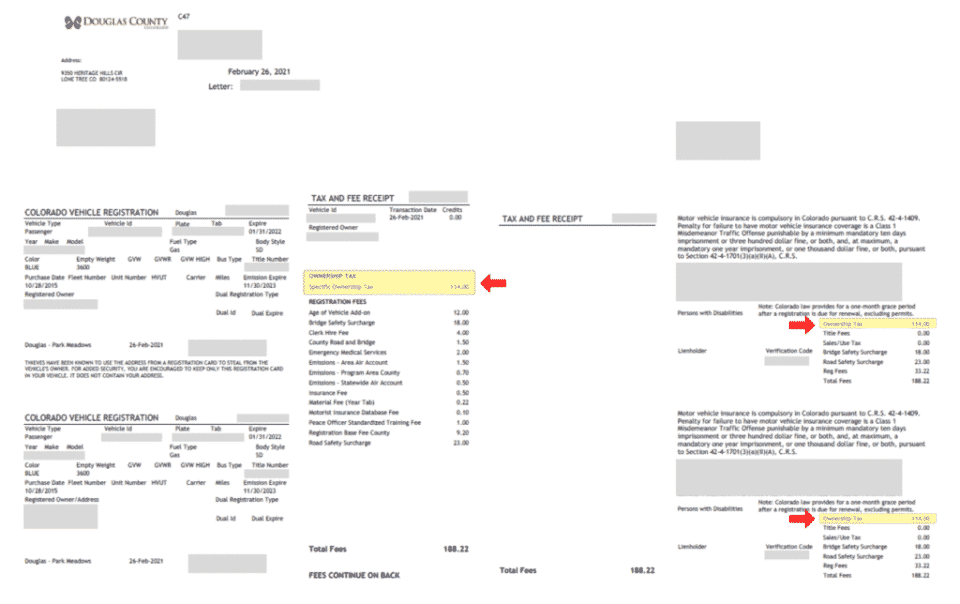
For example, a brand-new luxury SUV will have significantly higher ownership tax components than a 10-year-old sedan, even if both are passenger vehicles. The system is designed to gradually reduce the “specific ownership tax” portion of your registration as your vehicle ages, making it more affordable to register older cars. This “specific ownership tax” is calculated based on the original MSRP and a declining percentage for each year of the vehicle’s life.
Vehicle Weight and Type
Beyond age and value, the physical characteristics of your vehicle play a role. [Colorado] categorizes vehicles, and these categories influence the fee structure.
- Passenger Vehicles: Cars, SUVs, and standard pickups fall into this general category.
- Trucks: Heavier trucks, especially those used for commercial purposes or with higher Gross Vehicle Weight Ratings (GVWR), will face higher fees due to their increased impact on road infrastructure.
- Motorcycles: Typically have lower registration fees than cars.
- Recreational Vehicles (RVs) and Trailers: These also have their own fee schedules, often based on weight and length.
Essentially, the heavier the vehicle and the more potential impact it has on public roads, the higher the registration fees tend to be.
License Plate Fees
The license plate itself incurs a fee, but this can vary based on your choice.
- Standard Plates: The basic [Colorado] license plate comes with a standard fee that is included in your overall registration cost.
- Personalized Plates: If you opt for a custom combination of letters and numbers, there’s an additional, one-time personalization fee on top of the standard plate fee. This fee covers the administrative cost of creating and tracking your unique plate.
- Specialty Plates: [Colorado] boasts a wide array of specialty plates that allow drivers to express support for various causes, military branches, colleges, or organizations. These plates typically come with an annual fee that is added to your registration cost, with a portion often benefiting the specific cause or organization. Examples include plates supporting wildlife conservation, various universities, or veterans. Choosing a specialty plate can be a meaningful way to contribute, but it will increase your annual registration expense.
Local and State Fees/Taxes
Your total registration bill isn’t just about the vehicle; it’s also about where you live and potential additional taxes.
- County-Specific Road and Bridge Fees: Many counties in [Colorado] levy a specific fee to support local road and bridge maintenance. These fees are determined by your county of residence and contribute directly to the infrastructure closest to you.
- State Sales Tax (for new purchases): If you’ve just purchased a vehicle and haven’t already paid sales tax to a dealer (e.g., you bought it from a private seller or an out-of-state dealer who didn’t collect [Colorado] sales tax), you will pay the applicable state (2.9%) and potentially local sales tax at the time of registration. This is a one-time tax on the purchase price of the vehicle, not an annual registration fee, but it’s paid at the same time for new registrations.
- Emissions Testing Fees: For residents in certain high-population counties, an emissions test is mandatory before registration or renewal. The cost of this test (typically around $25-$30) is paid directly to the testing station and must be completed before you can finalize your registration at the [County Clerk and Recorder’s Office].
Registration Period
While standard registration is for a 12-month period, there can be nuances. If you are registering a newly purchased vehicle, or are a new resident, sometimes the initial registration period might be prorated depending on the vehicle’s original registration month, aiming to align it with a consistent renewal cycle. However, for most annual renewals, you’re paying for a full year.
Step-by-Step Guide to Colorado Car Registration

Navigating the administrative steps can feel daunting, but with the right preparation, registering your car in [Colorado] is a straightforward process.
Required Documents for New Residents/Purchases
Gathering the correct paperwork beforehand is the most critical step to a smooth experience. For new residents or those registering a newly acquired vehicle, expect to provide:
- Proof of Ownership: The vehicle’s title or a Manufacturer’s Certificate of Origin (MCO) for new vehicles. If the vehicle is financed, you’ll typically need the lienholder’s name and address.
- Proof of Colorado Residency: A utility bill, lease agreement, or another official document showing your current [Colorado] address.
- Proof of Insurance: Your vehicle must be covered by liability insurance that meets [Colorado]’s minimum requirements. You’ll need to provide your insurance card or policy declaration page.
- Colorado Driver’s License or ID: Your valid [Colorado] identification. If you are a new resident, you should obtain a [Colorado] driver’s license before attempting to register your vehicle.
- Emissions Test Certificate: If you live in an emissions-controlled county ([Denver], Boulder, Jefferson, Adams, Arapahoe, Douglas, southern Larimer, and parts of Weld counties within the [Denver Metropolitan Area]), you must have a current emissions test certificate.
- Odometer Reading: The current mileage on your vehicle.
- VIN Verification (for out-of-state vehicles): In some cases, vehicles coming from out of state may require a Vehicle Identification Number (VIN) verification. This is typically done by a law enforcement officer or an authorized dealer to ensure the VIN matches your documentation.
The Registration Process
Once you have your documents in order, the process is as follows:
- Visit Your Local County Clerk and Recorder’s Office: While some renewals can be done online, initial registrations almost always require an in-person visit. Check your county’s website for hours, locations, and any appointment requirements.
- Complete Application Forms: You’ll be asked to fill out various forms, including the “Application for [Colorado] Title and/or Registration.”
- Submit Documents: Present all your required paperwork to the clerk.
- Pay Fees: This is where all the factors discussed earlier come into play. The clerk will calculate your total fees, including specific ownership tax, license plate fees, county road and bridge fees, and any applicable sales tax. You can typically pay with cash, check, or credit/debit card.
- Receive Plates, Tags, and Registration Card: Once payment is processed, you will be issued your [Colorado] license plates (if new), a registration sticker (to be affixed to your rear plate), and a registration card, which you should keep in your vehicle.
Special Cases: Out-of-State Vehicles and Leased Cars
- Out-of-State Vehicles: If you’re moving to [Colorado] from another state, you’ll generally follow the new resident registration process. Be prepared for a VIN verification, especially if your vehicle’s title is from a non-title-holding state. You have 90 days from the date you establish residency to register your vehicle.
- Leased Cars: When registering a leased vehicle, the process is slightly different because the leasing company holds the title. Often, the dealership or leasing company will handle the initial registration for you. For renewals, you may receive a notice from the leasing company or the county. You’ll still need to provide proof of insurance and potentially an emissions certificate, but proof of ownership will be handled through documentation from the leasing company.
Potential Additional Fees and Considerations
Beyond the standard registration costs, there are several other fees and situations that could impact your overall expenditure and planning. Being aware of these can prevent unexpected costs.
Late Penalties
[Colorado] has strict penalties for late registration or renewal. If you fail to register your vehicle within 90 days of establishing residency or purchasing a new car, or if you don’t renew your registration by its expiration date, you will incur late fees. These penalties can accumulate, increasing the longer your registration is overdue. Avoiding these is straightforward: pay attention to deadlines and act promptly. Most counties offer email or text reminders for renewal, which can be an invaluable tool for staying organized.Emissions Testing Costs
As mentioned, residents in the [Denver Metropolitan Area] and surrounding [Front Range] counties (including parts of [Larimer] and [Weld]) are required to pass an emissions test. The cost of this test is not included in your registration fees; it’s a separate expense paid directly to the Air Care Colorado testing station. While the fee is relatively modest (typically under $30), it’s an unavoidable part of the process for many [Colorado] drivers. Vehicles that fail the test will require repairs and a retest, potentially adding significant costs. Certain vehicles, such as new cars (usually within their first 4-7 years) and antique vehicles, may be exempt.
Vehicle Identification Number (VIN) Verification
For vehicles transferring from out of state or in specific circumstances where ownership documents are unclear, a VIN verification might be required. This verification ensures that the vehicle physically matches the documentation. It can be performed by [Colorado] law enforcement officials or certain authorized dealerships. While often free if done by law enforcement at a designated location, some private facilities or mobile services may charge a fee. It’s a critical step that must be completed before you can title and register your out-of-state vehicle.
Sales Tax Implications
When you purchase a vehicle in [Colorado], you are subject to both state and local sales taxes. The state sales tax rate is 2.9%. However, cities and counties can levy their own additional sales taxes. For example, a vehicle purchased in [Denver] would incur additional city and county sales taxes, making the total sales tax higher than in a less populous area like rural [Colorado]. If you purchase a vehicle from a licensed [Colorado] dealer, they will typically collect these taxes at the point of sale. If you buy from a private seller or an out-of-state dealer who did not collect [Colorado] sales tax, you will be responsible for paying these taxes at the time of your initial registration at the [County Clerk and Recorder’s Office]. This can be a substantial one-time expense, so it’s vital to factor it into your budget when purchasing a car.
Tips for Managing Your Colorado Car Registration Budget
Understanding the costs is one thing; proactively managing them is another. Here are some lifestyle-oriented tips to help you budget for and potentially reduce your [Colorado] car registration expenses.
Budgeting for Annual Costs
The most effective strategy is to anticipate and budget for your annual registration. Since you now know the key factors that influence the cost, you can get a good estimate. Many county clerk websites offer online calculators that allow you to input your vehicle’s make, model, year, and original MSRP to get an approximate registration fee. Divide this estimated annual cost by 12 and set aside that amount each month. This way, when your renewal notice arrives, the funds are already available, preventing a sudden financial strain. This proactive approach is fundamental to sound personal finance within the [Colorado] lifestyle.
Leveraging Emissions Test Exemptions
If your vehicle is relatively new (often within its first four to seven years of model year, depending on fuel type) or falls under specific antique vehicle classifications, it may be exempt from emissions testing. Always check the current regulations on the Air Care [Colorado] website or with your county clerk’s office to see if your vehicle qualifies for an exemption. Avoiding the emissions test fee, even if small, is an easy way to trim costs and save time.
Choosing Cost-Effective License Plates
While personalized and specialty plates offer a unique touch and support various causes, they undeniably add to your annual registration expense. If budgeting is a primary concern, opting for the standard [Colorado] license plate can save you the additional annual fees associated with specialty plates or the one-time fee for personalization. It’s a simple choice that directly impacts your wallet.
Staying Organized and Avoiding Penalties
The easiest money to save is the money you don’t have to spend on late fees. Keep track of your registration renewal date. Sign up for email or text reminders offered by the [Colorado Department of Revenue] or your county’s DMV office. Many people put a reminder on their digital calendar or even a physical one. Procrastination in this area can lead to unnecessary fines and potential legal hassle, which is easily avoidable with a little organization. A well-managed lifestyle often starts with being on top of such administrative duties.
Ultimately, registering a car in [Colorado] is a manageable process, but it requires a clear understanding of the varying costs and requirements. From the specific ownership tax based on your vehicle’s value and age to county-specific fees and potential sales tax implications, numerous factors contribute to the final bill. By following this guide, gathering your documents in advance, and budgeting proactively, you can navigate the process confidently. With your vehicle properly registered and all legal obligations met, you’ll be free to fully immerse yourself in the vibrant and adventurous [Colorado] lifestyle, ready to explore everything from the bustling streets of [Denver] and [Colorado Springs] to the serene beauty of the wilderness, worry-free.
LifeOutOfTheBox is a participant in the Amazon Services LLC Associates Program, an affiliate advertising program designed to provide a means for sites to earn advertising fees by advertising and linking to Amazon.com. Amazon, the Amazon logo, AmazonSupply, and the AmazonSupply logo are trademarks of Amazon.com, Inc. or its affiliates. As an Amazon Associate we earn affiliate commissions from qualifying purchases.