
For anyone embarking on a significant journey, whether it’s relocating for work, settling down for an extended stay, or simply seeking a reliable form of identification while immersing themselves in a new destination, understanding local administrative processes is paramount. When your travels bring you to the breathtaking landscapes and vibrant communities of Colorado, securing a state-issued identification card is a fundamental step toward a seamless and enriched experience. This comprehensive guide is designed to illuminate the path to obtaining a Colorado ID, ensuring your transition or extended visit is as smooth and hassle-free as possible.
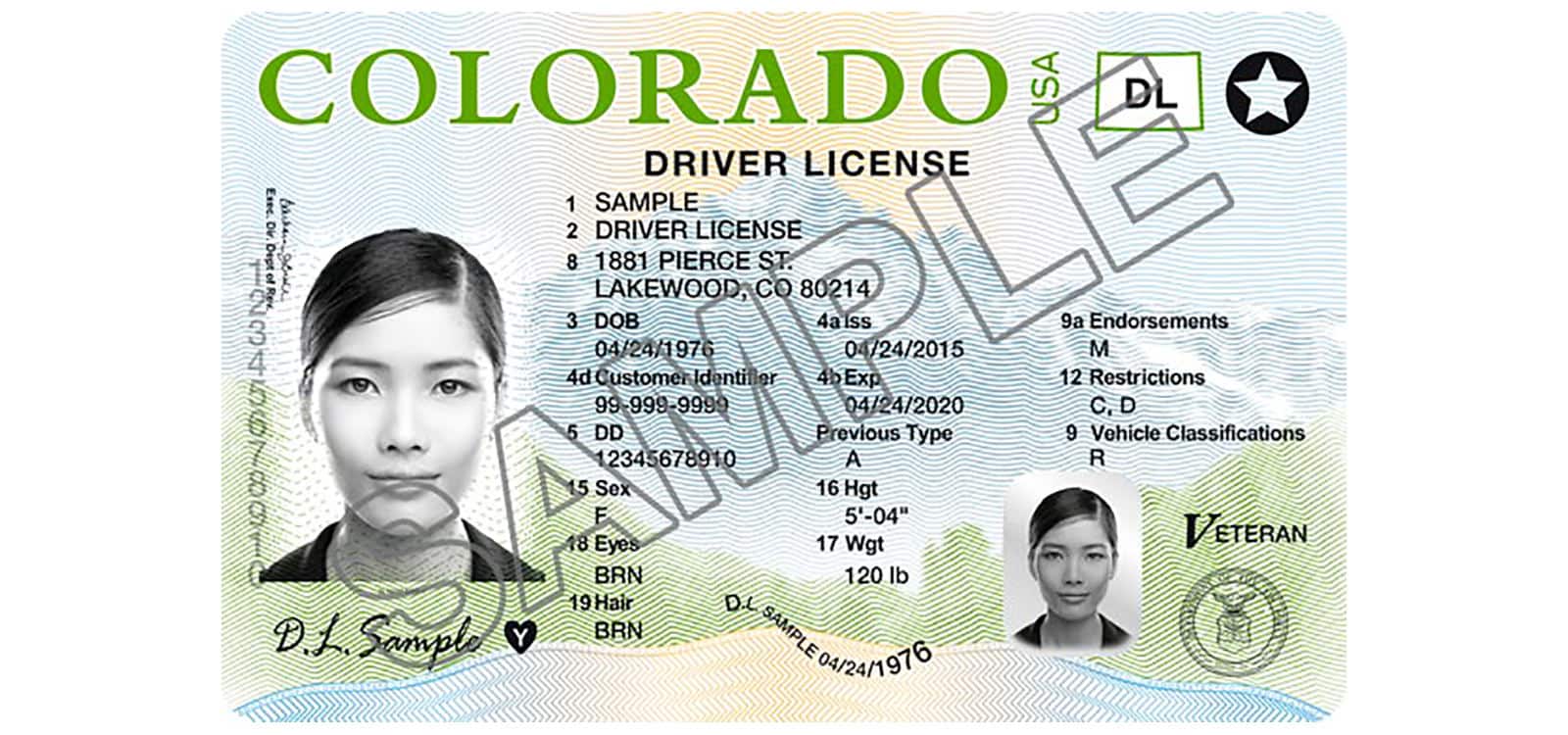
A Colorado ID serves as more than just a piece of plastic; it’s a key that unlocks various aspects of life within the state, from everyday transactions to establishing residency for long-term travel plans. For those who do not drive, or who prefer not to carry their driver’s license for identification, a state ID card offers a convenient and secure alternative. Its importance extends across numerous scenarios, making it an indispensable document for anyone intending to establish a presence, temporary or permanent, within the Centennial State.
The Essential Identification for Your Colorado Journey
Establishing your identity in a new state is a foundational element of any extended travel or relocation. A Colorado ID card simplifies countless interactions and verifies your legal presence, acting as a cornerstone for integrating into the local fabric. Understanding its utility and distinction from a driver’s license is the first step in navigating the application process.
Why a Colorado ID is Crucial for Long-Term Visitors and Residents
For many, Colorado is not just a passing destination but a place to live, work, and explore for an extended period. In such cases, a state-issued ID becomes critically important. It serves as official proof of age and identity, crucial for a myriad of daily activities that enhance your travel experience and daily life. Imagine wanting to open a bank account, register for a local library card to delve into Colorado’s history, or even verify your age when purchasing recreational cannabis or enjoying the state’s lively nightlife. Without a Colorado ID, these common tasks can become unnecessarily complicated.
Furthermore, for those considering a more permanent stay, a Colorado ID is often a prerequisite for establishing residency, enrolling children in schools, applying for state benefits, or even obtaining certain professional licenses. It validates your commitment to the community and streamlines administrative processes that would otherwise require a patchwork of less recognized documents. For the long-term traveler or new resident, this card is an emblem of belonging and an enabler of convenience, making your journey within Colorado far smoother and more integrated. It simplifies access to local services, making your “travel experience” in its broadest sense, much more localized and less transient.
Differentiating Between an ID Card and a Driver’s License
While both a Colorado ID card and a Colorado driver’s license serve as valid forms of identification, their primary functions differ significantly. The most obvious distinction is that an ID card does not grant you permission to operate a motor vehicle. Its sole purpose is identification. A driver’s license, conversely, serves both as an identity document and as proof of your legal authorization to drive.
The requirements for obtaining an ID card are generally less stringent regarding driving-related tests (such as written and practical driving exams), making it an ideal option for individuals who do not drive, are not yet of driving age, or simply prefer a separate form of identification that doesn’t carry the responsibilities of driving privileges. For international travelers establishing residency or those new to the U.S. who may not yet qualify for a driver’s license, a state ID card provides a critical stepping stone, allowing them to participate in many aspects of state life without needing to navigate driving regulations. Essentially, the ID card is purely about verifying who you are, making it an accessible and practical document for anyone engaging with [Colorado](https://lifeoutofthebox.com/colorado]’s infrastructure.
Eligibility and Documentation: Preparing for Your Application
The process of obtaining a Colorado ID is meticulously structured to ensure security and accuracy. Before you even set foot in a Colorado DMV (Department of Motor Vehicles) office, a thorough understanding of the eligibility criteria and required documentation will save you significant time and potential frustration. Proper preparation is the cornerstone of a successful application, allowing you to focus on enjoying your Colorado adventure.
Who Qualifies for a Colorado ID?
Generally, any individual residing in Colorado can apply for a state ID card, provided they meet specific age and residency requirements. There is no minimum age to obtain an identification card in Colorado, though applicants under 16 years old may require parental or guardian consent and presence during the application process. This inclusivity ensures that even the youngest residents or long-term visitors can possess official state identification.
Crucially, you must demonstrate proof of your current physical address in Colorado. This is a non-negotiable requirement, as the ID card is designed for residents or those establishing a long-term presence. The definition of “residency” for ID purposes typically involves living in the state with the intent to make it your home, or for a significant period. For travelers moving to Colorado, this means providing documents that clearly link you to a Colorado address. Furthermore, applicants must be able to prove their identity and legal presence in the United States. This includes U.S. citizens, permanent residents, and non-citizens with lawful temporary status who meet specific criteria.
Gathering Your Proof of Identity and Residency
This is arguably the most critical step in the application process. The Colorado DMV operates under a strict “Secure and Verifiable Identification” policy to combat identity theft and ensure document integrity. You will need to present original documents that establish:
- Identity: This typically includes your birth certificate (original or certified copy), a valid U.S. passport, a foreign passport with a valid U.S. visa and I-94 form, or a permanent resident card. The documents must show your full legal name and date of birth.
- Social Security Number (SSN): You’ll need proof of your SSN, which can be your Social Security card, a W-2 form, or a pay stub with your name and SSN. If you do not have an SSN, you may still be eligible to apply, but specific additional documentation will be required to prove ineligibility or provide an Individual Taxpayer Identification Number (ITIN) if applicable.
- Colorado Residency: You must provide two different documents that show your name and current Colorado residential address. Examples include utility bills (electric, gas, water), a bank statement, a rental or lease agreement, a mortgage statement, or a paycheck stub. These documents must be recent, typically within the last year, and clearly display your physical address – a P.O. Box is generally not sufficient for this purpose. For those new to Colorado, securing a lease or receiving a utility bill in your name should be prioritized as soon as you have an address.
- Legal Presence: For non-U.S. citizens, documents proving your legal presence in the U.S. are essential. This could include a valid foreign passport with an I-94, a permanent resident card, or an employment authorization document. The duration of your legal presence must meet specific requirements for the ID card’s validity period.
It is highly recommended to check the official Colorado DMV website for the most current and exhaustive list of acceptable documents, as requirements can occasionally change. Bringing more documents than required is always better than too few.
Social Security Number Verification
As mentioned, providing proof of your Social Security Number (SSN) is a standard requirement for obtaining a Colorado ID. This assists the DMV in verifying your identity and preventing fraudulent applications. Acceptable documents include your Social Security card, a W-2 form, a 1099 form, or a pay stub that clearly shows your SSN.
For individuals who are not eligible for an SSN (e.g., certain non-immigrants or temporary residents), Colorado does offer pathways to obtaining an ID. In such cases, you will typically need to complete a “No Social Security Number Affidavit” and provide additional documentation proving your ineligibility for an SSN from the Social Security Administration. This ensures that even without an SSN, individuals with a lawful presence in Colorado can still acquire the necessary identification for their journey and daily life within the state.
Navigating the Application Process
Once your documents are in order, the next phase involves the actual application process. This typically means a visit to a Colorado DMV office. Knowing what to expect and how to prepare for this visit will make the experience considerably smoother, allowing you to return to your Colorado adventures with minimal delay.
Scheduling Your Visit to the Colorado DMV
While some DMV services might be available online, the initial application for a new Colorado ID card almost always requires an in-person visit. Many Colorado DMV offices encourage or even require appointments for certain services to manage wait times effectively. It’s highly advisable to visit the official Colorado DMV website or call your local office to schedule an appointment in advance. This pre-planning can significantly reduce your waiting time, which can be substantial at popular locations like the Denver DMV office.
During your appointment booking, you may also be able to review the exact documents needed for your specific situation, further ensuring you arrive fully prepared. Remember that a visit to the DMV can take some time, so plan your day accordingly, especially if you have other travel plans or engagements.
Completing the Application and Fees
Upon arrival at your scheduled appointment, you will likely be asked to fill out an application form for the identification card. This form will request personal details such as your full legal name, date of birth, address, and other pertinent information. Ensure all information is accurate and consistent with your supporting documents.
There is a fee associated with obtaining a Colorado ID card. The exact amount can vary slightly, so it’s best to confirm the current fee on the Colorado DMV website before your visit. Most DMV offices accept various payment methods, including cash, debit cards, and major credit cards. Be prepared to pay the fee at the time of your application. This fee contributes to the administrative costs of processing your application and producing the secure document.
What to Expect at the DMV Office
During your in-person visit, a DMV representative will carefully review all your submitted documents to verify identity, residency, and legal presence. They will check for authenticity and ensure everything aligns with Colorado’s strict requirements. You will also have your photograph taken for the ID card and may be asked to provide a digital signature.
It’s crucial to present yourself clearly and respectfully. Answer all questions honestly and accurately. If there are any discrepancies or issues with your documentation, the DMV staff will guide you on how to resolve them, though this may require a follow-up visit. Once your application is processed and approved, you will typically receive a temporary paper ID. The permanent plastic card will then be mailed to your Colorado residential address within a few weeks. This temporary ID serves as valid proof of identity until your permanent card arrives, allowing you to continue your travels and activities in Colorado without interruption.
Maintaining Your Colorado ID
Obtaining your Colorado ID is a significant milestone for your extended stay or relocation journey, but it’s not a one-time event. Understanding the validity period, renewal process, and what to do if your card is lost or stolen ensures that your official identification remains current and readily available throughout your time in the state.
Understanding Validity Periods and Renewals
A standard Colorado ID card is typically valid for several years, usually five years, although the exact duration can depend on your legal presence status. For non-U.S. citizens with temporary legal presence, the ID card’s expiration date will often align with the expiration date of their authorized stay in the U.S. Always check the expiration date printed on your card to avoid any lapses in identification.
The Colorado DMV generally sends out renewal notices well in advance of your ID’s expiration date, typically to the mailing address on file. You can often renew your Colorado ID online, by mail, or in person, provided your information hasn’t changed significantly and you meet the eligibility criteria for remote renewal. Online renewal is particularly convenient for those whose travel plans might take them away from a DMV office. When renewing, you will likely need to verify your identity and residency again and pay a renewal fee. Keeping your contact information updated with the DMV is crucial to receive these important notifications and ensure a smooth renewal process.

Replacing a Lost, Stolen, or Damaged ID
Losing your Colorado ID, or having it stolen or damaged, can be a stressful event, particularly when you’re traveling or in a new environment. If this happens, it’s important to act quickly.
- Report it: If your ID card is stolen, report it to local law enforcement immediately. This creates a record that can be useful for identity theft protection.
- Order a Replacement: You can apply for a replacement Colorado ID card either online (if eligible) or in person at a DMV office. You will need to provide proof of identity and pay a replacement fee. While the online option is convenient, an in-person visit might be necessary if your situation is complex or if you prefer to receive a temporary card on the spot.
- Prepare Documents (Again): Even for a replacement, it’s wise to bring several forms of identification and proof of residency, just in case. This ensures you’re prepared for any verification steps the DMV might require.
Having a current and valid Colorado ID ensures uninterrupted access to services and confirms your identity throughout your exploration of the state. By understanding the process for obtaining, renewing, and replacing this vital document, you empower yourself to fully embrace all that Colorado has to offer, making your travels, whether short-term or a new chapter in life, as secure and enjoyable as possible.
LifeOutOfTheBox is a participant in the Amazon Services LLC Associates Program, an affiliate advertising program designed to provide a means for sites to earn advertising fees by advertising and linking to Amazon.com. Amazon, the Amazon logo, AmazonSupply, and the AmazonSupply logo are trademarks of Amazon.com, Inc. or its affiliates. As an Amazon Associate we earn affiliate commissions from qualifying purchases.