
For travelers planning a visit to San Diego, understanding the local time is more than a simple fact; it’s a foundational piece of information that dictates everything from flight schedules and hotel check-ins to restaurant reservations and attraction opening hours. San Diego, often lauded as “America’s Finest City,” operates within a specific time zone that shifts with the seasons, impacting millions of visitors annually. This guide delves into the specifics of San Diego’s time, unraveling its intricacies and offering practical insights to ensure a seamless and enjoyable travel experience in this vibrant California metropolis.

Understanding San Diego’s Position in the Global Clock
San Diego, like most of California and the western United States, observes the Pacific Time Zone. This designation means that its local time is directly linked to its geographical longitude, placing it eight hours behind Coordinated Universal Time (UTC) for a significant portion of the year.
Pacific Standard Time (PST) and Pacific Daylight Time (PDT) Explained
The concept of time in San Diego is primarily defined by two closely related terms: Pacific Standard Time (PST) and Pacific Daylight Time (PDT).
- Pacific Standard Time (PST): This is the standard time observed during the autumn and winter months. It is UTC-8, meaning it is eight hours behind Coordinated Universal Time. From roughly early November to mid-March, clocks in San Diego adhere to PST.
- Pacific Daylight Time (PDT): As spring arrives, San Diego transitions to Pacific Daylight Time (PDT). This occurs when clocks are moved forward by one hour, effectively making the time UTC-7. This shift, commonly known as “Daylight Saving Time,” usually takes place on the second Sunday in March and reverts on the first Sunday in November. The primary purpose of PDT is to make better use of daylight, shifting an hour of daylight from the morning to the evening. For travelers, this means longer evenings for exploring and enjoying outdoor activities.
Understanding this annual transition is vital. A flight booked for March might land during PST, but a return flight in April would depart during PDT. Similarly, coordinating a video call with friends or family back home requires a quick check to see if San Diego is observing PST or PDT at that moment.
Geographic Location and Its Impact on Time
San Diego’s position on the southwestern coast of California, very close to the Mexico border, firmly places it within the geographical boundaries of the Pacific Time Zone. This positioning ensures consistency with neighboring areas like Los Angeles to the north and other coastal cities. While time zones are administrative boundaries, they are largely based on lines of longitude. San Diego’s longitude places it squarely in the zone that is approximately 120 degrees west of the prime meridian, corresponding to the UTC-8/UTC-7 designation. This consistent time zone across a broad region simplifies travel and communication within the western United States.
The Traveler’s Essential Guide to San Diego Time
Beyond mere numbers on a clock, understanding San Diego’s time zone is an integral part of responsible and enjoyable travel planning. It impacts everything from initial booking to daily itineraries.
Why Time Zone Awareness is Crucial for Trip Planning
- Flight and Transportation Schedules: The most immediate impact of time zones is on travel logistics. All flight times, train schedules, and bus departures/arrivals are quoted in local time. A traveler arriving from the East Coast of the United States (Eastern Time, UTC-5/UTC-4) will experience a three-hour time difference, which must be factored into perceived travel duration and arrival times. Miscalculating this can lead to missed connections or unexpected delays.
- Accommodation Check-in/Check-out: Hotels, resorts, and vacation rentals in San Diego operate strictly on local time. Knowing the current time helps travelers plan their arrival to coincide with check-in hours and avoid early arrival fees or prolonged waits. Similarly, understanding the check-out time is essential to avoid late fees.
- Booking Activities and Reservations: Many of San Diego’s popular attractions, dining establishments, and tour operators require advance reservations. When booking from a different time zone, it’s critical to convert your local time to San Diego’s time to avoid booking errors. Missing a dinner reservation at a coveted Gaslamp Quarter restaurant or a whale-watching tour due to a time zone mix-up can be a significant disappointment.
- Communication with Locals and Tour Operators: If you need to contact your hotel, a car rental agency, or a tour guide prior to or during your trip, being mindful of the local time ensures you call during their operating hours, preventing frustration and facilitating smooth communication.
Avoiding Jet Lag: Strategies for Seamless Transitions
Jet lag, a common affliction for long-distance travelers, arises from the disruption of the body’s circadian rhythm due to rapid travel across multiple time zones. For those traveling to San Diego from distant locations, proactive strategies can significantly ease the transition.
- Pre-adjust Gradually: A few days before your trip, try to shift your sleep schedule by an hour or two in the direction of San Diego’s time. If coming from the east, go to bed and wake up later.
- Hydrate and Avoid Alcohol/Caffeine: Staying well-hydrated during your flight helps your body cope with the change. Alcohol and excessive caffeine can disrupt sleep patterns and worsen jet lag symptoms.
- Embrace Natural Light: Upon arrival in San Diego, expose yourself to natural light, especially in the morning. This helps reset your internal clock. Spending time outdoors at places like Balboa Park or along the Coronado beach can be particularly effective.
- Adjust to Local Meal Times: Try to eat meals at San Diego’s local breakfast, lunch, and dinner times, even if you’re not hungry. This helps synchronize your body’s digestive clock.
- Prioritize Sleep (but not too much): While tempting to nap for hours, try to stay awake until San Diego’s evening. If you must nap, keep it short (20-30 minutes). Go to bed at a reasonable local time.
- Stay Active: Gentle exercise, such as a walk along the waterfront or a stroll through Old Town San Diego State Historic Park, can boost energy levels and help with adaptation.
Maximizing Your San Diego Experience: Timing Your Activities
Once you’ve adjusted to the local time, knowing when to do things becomes paramount to truly experiencing San Diego’s diverse offerings. The city’s charm lies in its year-round pleasant weather, but specific times of day can enhance certain activities.
Best Times to Visit San Diego’s Top Attractions
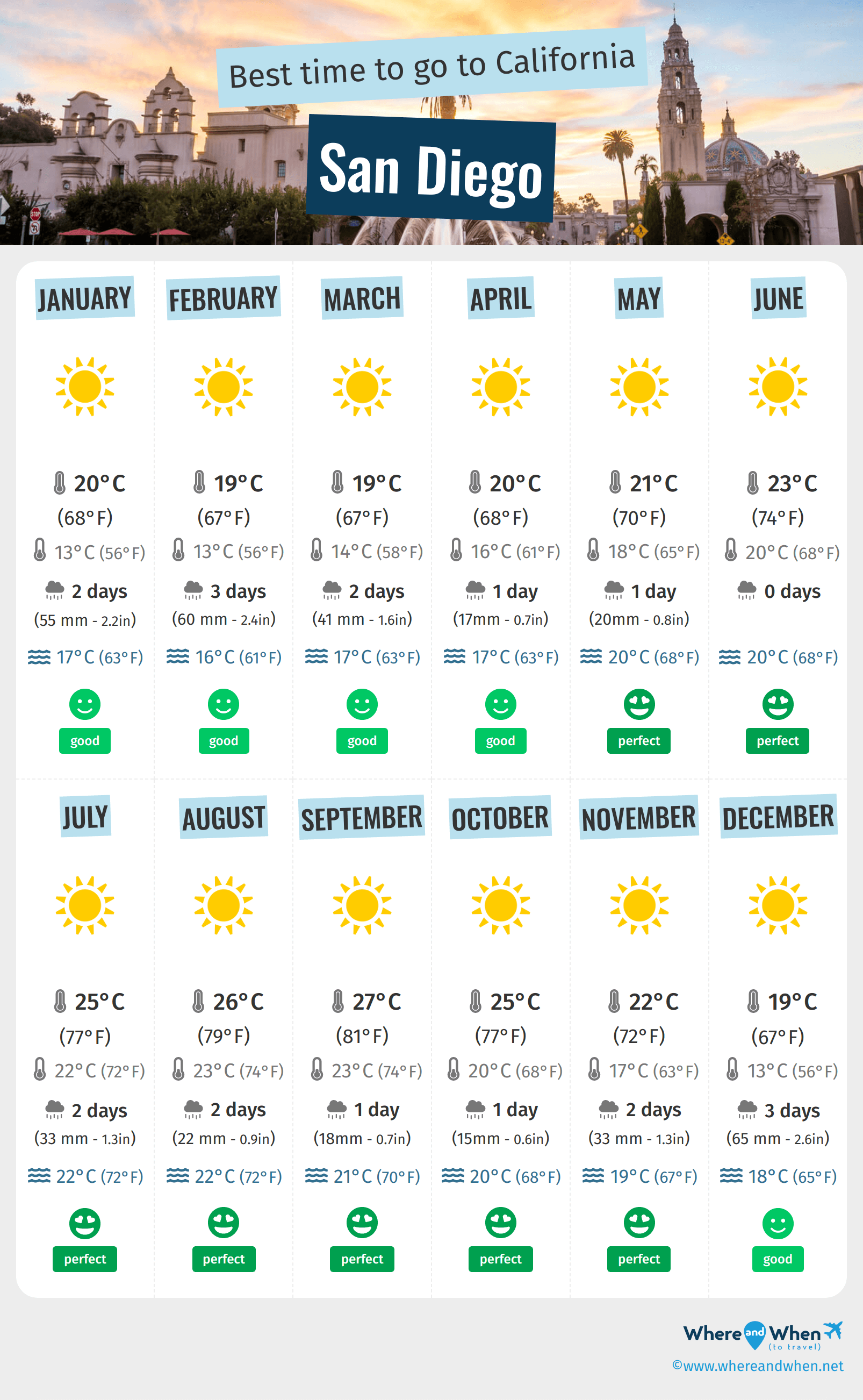
Many of San Diego’s world-class attractions have peak hours. Strategic timing can mean shorter lines and a more relaxed experience.
- San Diego Zoo and Balboa Park: Arrive shortly after opening (usually 9-10 AM) to beat the crowds, especially during weekends and holidays. The animals at the San Diego Zoo are often more active in the cooler morning hours. In the late afternoon, Balboa Park’s museums and gardens become less crowded.
- USS Midway Museum: This popular landmark can get very busy. Visiting early in the morning or later in the afternoon (after 3 PM) can offer a more spacious tour experience.
- Cabrillo National Monument: The monument offers breathtaking views of the Pacific Ocean and San Diego bay. Early mornings provide clear skies and fewer visitors for photographs, while late afternoons are ideal for sunset views over the ocean.
- La Jolla Cove & Children’s Pool: The sea lions and seals are always there, but low tide makes tide pooling and viewing easier. Check local tide charts. Early mornings are best for fewer crowds and a peaceful stroll along the cliffs.
- Legoland California: If venturing north to Carlsbad, arriving at opening or an hour before closing can help mitigate wait times for popular rides.
Culinary Adventures and Evening Entertainment
San Diego’s culinary scene is vibrant, from casual beachside tacos to upscale dining.
- Dining Out: For popular restaurants in the Gaslamp Quarter, Little Italy, or La Jolla, making reservations, especially for weekend dinners, is highly recommended. Peak dinner times are typically between 7:00 PM and 9:00 PM. Consider an earlier dinner (6:00 PM) or a late seating (after 9:00 PM) for more flexibility without reservations.
- Sunset Views: San Diego is renowned for its spectacular sunsets. Locations like Sunset Cliffs, Mount Soledad, or the beach in Coronado become popular spots about an hour before official sunset time. Arrive early to secure a good viewing spot.
- Nightlife: The Gaslamp Quarter comes alive in the evenings, with bars, clubs, and live music venues often opening around 9:00 PM and bustling until the early morning hours.
Embracing the San Diego Lifestyle: Early Mornings and Sunset Views
The San Diego lifestyle is often dictated by its beautiful weather and coastal environment.
- Morning Activities: Take advantage of San Diego’s pleasant mornings. Consider an early surf lesson at Pacific Beach, a run along the Mission Bay boardwalk, or a peaceful walk through a neighborhood like Old Town San Diego State Historic Park before the crowds arrive. These early hours offer cooler temperatures and a serene atmosphere.
- Afternoon Relaxation: The afternoons are perfect for relaxing on one of San Diego’s many beaches, exploring a neighborhood on foot, or enjoying a craft beer at one of the city’s renowned breweries.
- Sunset Rituals: As mentioned, the sunset is a daily event in San Diego that many locals and tourists cherish. Plan to be outdoors, perhaps with a picnic or a drink, to witness the skies paint themselves in hues of orange, pink, and purple.
Practical Tools and Tips for Managing Time Differences
In our hyper-connected world, managing time across different zones has become much simpler with the aid of technology and a few smart habits.
Leveraging Technology: World Clocks and Time Zone Converters
- Smartphone World Clock Features: Most smartphones have a built-in world clock function that allows you to add multiple cities. Add San Diego to your list to quickly see the current local time relative to your home time.
- Online Time Zone Converters: Websites like Time and Date (timeanddate.com) or World Clock (worldclock.com) offer robust time zone conversion tools. Simply input your current location and San Diego as the destination, and it will show you the exact time difference, accounting for Daylight Saving Time.
- Travel Apps: Many travel planning apps integrate time zone awareness, helping you manage your itinerary in local time automatically.
- Set Reminders in Local Time: When scheduling appointments or activities in San Diego, set your calendar reminders in San Diego’s local time to avoid confusion.
Communication Across Time Zones: Staying Connected
- Inform Loved Ones: Before you travel, let family and friends know about the time difference in San Diego. This helps them understand when best to reach you and prevents accidental late-night calls.
- Schedule Calls Mindfully: When planning calls or video chats, use a time zone converter to find a convenient overlap for all parties. A “morning” call for someone on the East Coast might be in the very early hours for you in San Diego.
- Consider Asynchronous Communication: For non-urgent messages, utilize messaging apps or email. This allows people to respond at their convenience, irrespective of the time difference.
Beyond the Clock: The Timeless Appeal of San Diego
While understanding the exact time in San Diego is a practical necessity for any traveler, the city itself offers an experience that often feels timeless. Its sunny disposition, relaxed vibe, and myriad attractions ensure that every moment spent here is cherished, regardless of the hour.
A City for All Seasons and Any Time
San Diego’s temperate climate means it’s a fantastic destination year-round. Whether you visit during the long daylight hours of summer or the cozy evenings of winter, there’s always something to see and do. The distinction between PST and PDT simply shifts the balance of daylight, but the city’s inherent appeal remains constant. From the historical charm of Old Town San Diego State Historic Park to the modern vibrancy of Little Italy and the natural beauty of La Jolla coves, San Diego offers an endless array of experiences waiting to be discovered.

Embracing the Moment in America’s Finest City
Ultimately, while the clock dictates schedules, the spirit of travel in San Diego is about embracing the moment. Knowing the time allows you to plan effectively, but allowing yourself to get lost in the beauty of a sunset over the Pacific Ocean or the vibrant atmosphere of the Gaslamp Quarter is what truly defines a memorable trip. So, set your watch, plan your days, but don’t forget to savor the timeless joy that San Diego so generously offers. Whether it’s 7 AM PST for a morning surf or 8 PM PDT for a night out, every hour in San Diego holds the promise of a unique and enriching experience.
LifeOutOfTheBox is a participant in the Amazon Services LLC Associates Program, an affiliate advertising program designed to provide a means for sites to earn advertising fees by advertising and linking to Amazon.com. Amazon, the Amazon logo, AmazonSupply, and the AmazonSupply logo are trademarks of Amazon.com, Inc. or its affiliates. As an Amazon Associate we earn affiliate commissions from qualifying purchases.