
Colorado holds a unique and often paradoxical position in the American political landscape, captivating visitors and residents alike with its stunning natural beauty and a social fabric woven from threads of both progressive idealism and traditional conservatism. For those considering a visit, understanding this dynamic isn’t just a matter of political curiosity; it deeply informs the local culture, the available activities, and the overall atmosphere one can expect to encounter. Far from being a monolithic entity, Colorado is a vibrant tapestry where the urban centers often lean distinctly left, the vast rural plains firmly right, and the iconic mountain towns present a fascinating blend of both. Delving into this political identity is key to appreciating the state’s diverse cultural offerings and making the most of a travel experience.
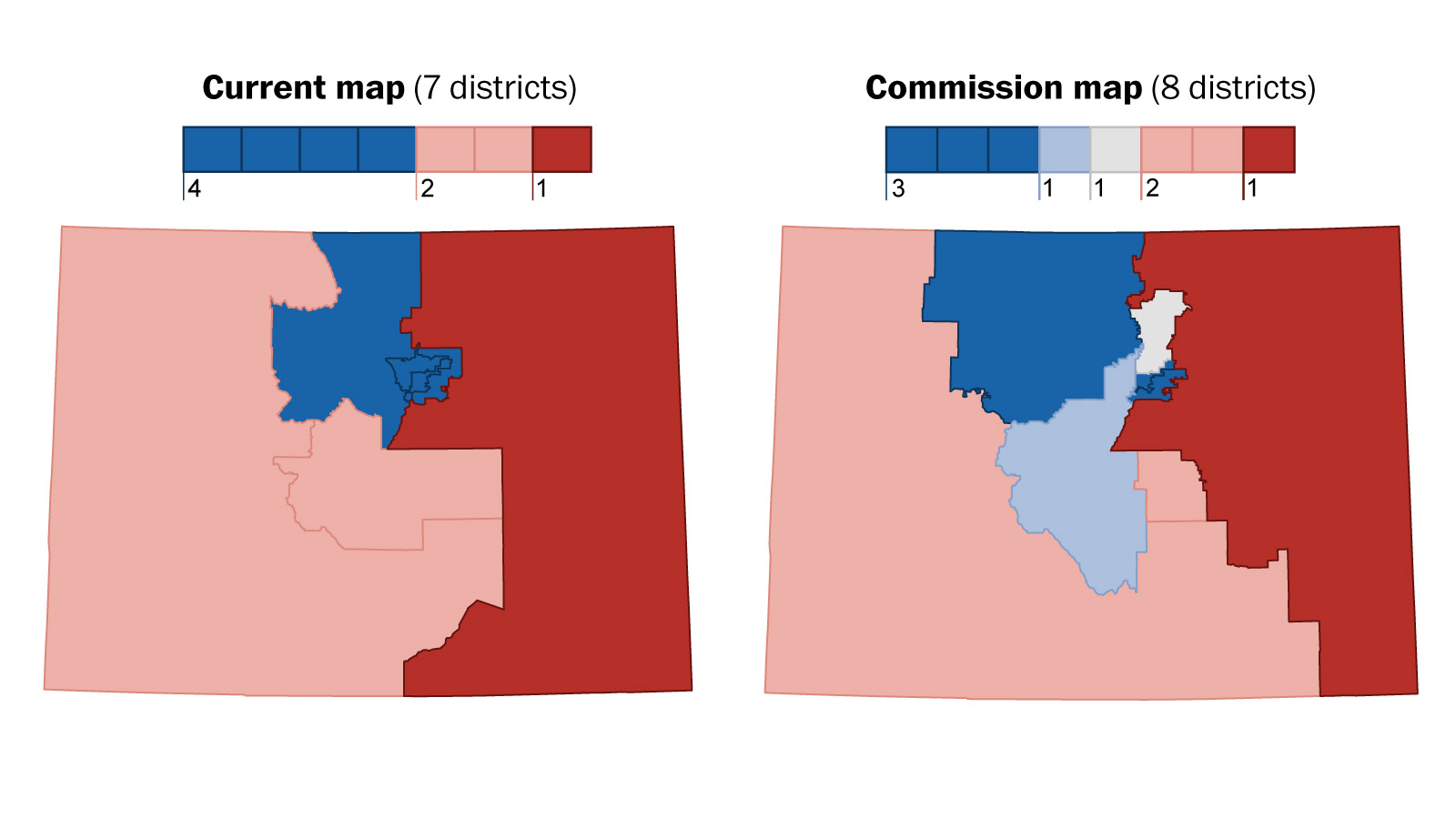
A State of Contrasts: Understanding Colorado’s Political Spectrum
At its heart, Colorado embodies the ongoing dialogue between expansion and preservation, innovation and tradition. Its political leanings are not static but rather a shifting mosaic influenced by geography, demography, and economic drivers. This complexity means that labeling Colorado as simply “liberal” or “conservative” misses the rich nuances that define its character and, by extension, its tourism appeal.
The Mile-High City’s Progressive Pulse
The urban core of Colorado, particularly the capital city of Denver and its surrounding metropolitan area, unequivocally skews liberal. Denver is a bustling hub of innovation, diversity, and social progressiveness. It’s a city that has embraced cannabis legalization, championed environmental sustainability initiatives, and fosters a thriving arts and culture scene. This progressive mindset is palpable in the city’s vibrant neighborhoods, its farm-to-table culinary experiences, and the open-mindedness of its residents. For tourists, this translates into an array of diverse cultural attractions, inclusive community events, and a general atmosphere of acceptance and forward-thinking ideals. Cities like Fort Collins to the north, known for its university and craft beer scene, and Boulder, a renowned center for outdoor activity and liberal thought, further reinforce this urban progressive identity, creating pockets of strong left-leaning sentiment that drive much of the state’s policy and cultural trends.
Mountain Towns: A Blend of Ideologies
The majestic Rocky Mountains host a variety of towns, each with its own political flavor. Many of the high-profile ski resorts, such as Aspen, Vail, Telluride, Breckenridge, and Winter Park, tend to lean liberal. These communities attract a demographic that often values environmental protection, social liberalism, and an active, outdoor-centric lifestyle. This is reflected in their emphasis on sustainable tourism, local sourcing in restaurants, and a generally laid-back, inclusive vibe. However, not all mountain towns follow this trend. Some smaller, more isolated communities, especially those with strong ties to mining or ranching heritage, retain more conservative leanings. Their residents prioritize self-reliance, traditional values, and often express skepticism towards government oversight. A trip through these regions reveals a different facet of Colorado – one rooted in rugged individualism and a deep respect for personal liberty, offering visitors a glimpse into the state’s pioneering past. Durango, in the southwest, for example, embodies a unique blend, boasting an outdoor-oriented, often liberal university population alongside a historic, independent spirit that values individual freedoms.
The Eastern Plains and Southern Colorado: Conservative Strongholds
Venturing east of the Front Range into the vast, agricultural Colorado plains, or south into areas like Colorado Springs and Grand Junction, the political pendulum swings decisively conservative. These regions are the heartland of traditional Colorado, characterized by ranching, farming, and military presence. Colorado Springs, home to the Air Force Academy and numerous evangelical organizations, is widely considered the state’s most conservative major city. Here, visitors will find a stronger emphasis on patriotic values, religious institutions, and a more traditional social outlook. The Eastern Plains, with their endless fields and small towns, are deeply rooted in agriculture and a strong sense of community and self-reliance that often aligns with conservative principles. For tourists, these areas offer a stark contrast to the urban centers, providing an authentic look at rural American life, often with a focus on historical sites, agricultural tourism, and access to unique natural wonders like Great Sand Dunes National Park or the ancient cliff dwellings of Mesa Verde National Park, where the emphasis is on the grandeur of nature and American heritage rather than progressive social trends.
How Political Leaning Shapes Colorado’s Culture and Activities for Tourists
The political leanings across Colorado are not just abstract concepts; they manifest tangibly in the state’s cultural landscape, influencing everything from local ordinances to the types of businesses that thrive, ultimately shaping the experiences available to tourists.
Environmentalism and Outdoor Recreation
One area where Colorado’s political spectrum converges, albeit with different motivations, is its deep connection to the outdoors. Regardless of political affiliation, most Coloradans share an profound appreciation for the state’s natural beauty, from the towering peaks of Pikes Peak to its pristine rivers and forests. Liberal communities often advocate for strict environmental regulations, funding for renewable energy, and extensive public lands access, driven by a desire for conservation and ecological sustainability. This translates into well-maintained national parks and forests, extensive trail systems for hiking and biking, and a prevalence of eco-tourism initiatives. Conservative areas, while perhaps less focused on climate change initiatives, often value land stewardship, hunting and fishing access, and the economic benefits of responsible resource management. This shared love for the land ensures that outdoor recreation, whether it’s skiing, hiking, whitewater rafting, or fly fishing, remains a cornerstone of the Colorado experience, appealing to visitors from all walks of life.
Food and Beverage Scene: A Reflection of Values
Colorado’s culinary scene beautifully illustrates its diverse political and cultural landscape. In liberal urban areas and upscale mountain towns, the emphasis is heavily on farm-to-table dining, organic ingredients, and sustainable practices. Craft breweries, distilleries, and wineries abound, often championing local sourcing and innovative flavors. The state’s early adoption of cannabis legalization has also led to a burgeoning cannabis tourism industry, with dispensaries, consumption lounges, and even cannabis-friendly lodging becoming part of the urban experience. These offerings cater to a progressive clientele seeking unique, experience-driven leisure. Conversely, in more conservative regions, dining might lean towards traditional American comfort food, family-owned diners, and a strong community focus. While craft beer has permeated much of the state, the narrative around local food in rural areas often highlights heritage, hard work, and the bounty of the land, appealing to a different set of values. Tourists can savor everything from sophisticated vegan cuisine in Denver to hearty ranch-style meals on the Eastern Plains, each offering a taste of Colorado’s varied cultural palate.
Arts, Festivals, and Community Events
The artistic and communal life of Colorado is also shaped by its political leanings. Liberal areas are hotbeds for contemporary art, avant-garde performances, and festivals celebrating diversity and social justice. Venues like Red Rocks Amphitheatre near Denver host a range of artists and events that often resonate with a progressive audience. Art districts in cities like Denver and Boulder showcase murals, galleries, and performance spaces that push boundaries. In contrast, conservative communities might prioritize events that celebrate historical heritage, agricultural traditions, military pride, and religious holidays. County fairs, rodeos, pioneer days, and patriotic parades are prominent features, fostering a strong sense of local identity and traditional values. Tourists seeking cultural immersion can find vibrant music scenes, film festivals, and quirky public art in the liberal hubs, or experience the enduring spirit of the Old West and small-town Americana in the more conservative heartlands.
Navigating the Cultural Landscape as a Visitor
For travelers, understanding Colorado’s political nuances is not about choosing a side, but about appreciating the richness and diversity of experiences the state offers. It empowers visitors to engage more thoughtfully with the local culture.
Engaging with Local Perspectives
A truly insightful travel experience involves more than just seeing sights; it’s about connecting with people. Recognizing that Coloradans hold a wide array of political views can help tourists engage in more respectful and enriching conversations. Whether chatting with a barista in Denver or a rancher on the Eastern Plains, an open mind and genuine curiosity about their perspective will enhance any interaction. It’s a chance to witness the “live and let live” ethos that, despite political differences, often binds Coloradans together in their shared appreciation for their home.
Understanding Local Ordinances and Social Norms
Colorado’s progressive policies, particularly regarding cannabis, can be a draw for some tourists. However, it’s crucial to understand that while legal statewide, public consumption remains illegal, and local regulations can vary. Similarly, environmental consciousness is high across the state, and visitors are expected to “Leave No Trace” when enjoying the outdoors. In more conservative areas, social norms might be more traditional, with less emphasis on certain progressive values. Being aware of these regional differences—whether it’s about dress codes, public behavior, or even preferred topics of conversation—can help visitors navigate their journey smoothly and respectfully.
Finding Your Niche: Diverse Experiences for Every Traveler
Ultimately, Colorado’s political mosaic ensures that there truly is something for everyone. If a vibrant, progressive urban environment with diverse cultural offerings, culinary innovation, and a strong emphasis on social justice appeals to you, then Denver, Boulder, or the major ski towns might be your ideal destination. If you seek a more traditional, perhaps faith-based experience, with a focus on patriotism, outdoor adventure in a conservative setting, and historical reflection, then Colorado Springs or the Southern and Eastern Plains could be a better fit. The key is to recognize that Colorado is a spectrum, not a single point, and its beauty lies in this very diversity.
Economic Drivers and Political Influence
The economic engines of Colorado also play a significant role in shaping its political identity and cultural offerings. The state’s diverse economy, ranging from high-tech to agriculture, underpins its varying political landscapes.
The Tech Boom and Urbanization
Over the past few decades, Colorado has experienced a significant tech boom, particularly in the Denver and Boulder areas. This influx of tech companies and educated professionals has contributed to rapid urbanization and a noticeable shift towards more liberal politics. These new residents often bring with them progressive social values, a demand for diverse cultural amenities, and an emphasis on environmental sustainability. This economic transformation has cemented the Front Range’s reputation as a progressive hub, directly influencing the types of services, entertainment, and cultural events available to tourists in these areas.
Agriculture, Mining, and Traditional Industries
Conversely, the vast Eastern Plains and parts of Western and Southern Colorado remain economically rooted in agriculture, ranching, and, to a lesser extent, mining and energy production. These traditional industries foster a more conservative political outlook, emphasizing self-reliance, property rights, and a skepticism towards government intervention. The cultural landscape here is defined by county fairs, agricultural shows, and a deep respect for the land and its resources. Tourists visiting these areas can experience authentic rural life, explore heritage farms, and engage with communities whose values are shaped by generations of working the land.
The Tourism Industry’s Unifying Role
Interestingly, tourism itself acts as a unifying force across Colorado’s political divides. From the ski slopes that attract global visitors to the national parks that draw nature enthusiasts, the state’s natural beauty and recreational opportunities transcend political leanings. Both liberal and conservative communities benefit immensely from the tourist dollar, creating a shared interest in maintaining the state’s appeal. This economic reality often encourages a degree of pragmatism and cooperation, ensuring that Colorado’s diverse attractions remain accessible and enjoyable for all.
The Future of Colorado’s Political Identity
Colorado’s political and cultural identity is continuously evolving, a dynamic process that makes it an even more fascinating destination.
Ongoing Demographic Shifts
The state continues to attract new residents, particularly to its urban centers, further fueling demographic shifts that lean progressive. However, internal migrations and the enduring strength of rural communities ensure that the conservative voice remains a significant part of the conversation. These shifts mean that the cultural landscape for tourists will likely continue to diversify, offering even more specialized experiences.
Balancing Growth with Preservation
A perennial challenge for Colorado, regardless of political leaning, is balancing rapid growth with the preservation of its natural resources and unique character. This shared concern often brings disparate groups together to address issues like water conservation, affordable housing, and sustainable tourism, reflecting a deeper commitment to the state itself that transcends political divisions.

A Microcosm of National Trends
In many ways, Colorado serves as a microcosm of broader national political and cultural trends. Its blend of urban progressivism, rural conservatism, and a shared love for the outdoors makes it an ideal destination for those seeking to understand the complexities of modern America. For tourists, this means that a visit to Colorado is not just a scenic getaway but an immersive experience into a truly dynamic and engaging cultural landscape. Whether you seek the cutting edge of progressive thought or the enduring embrace of traditional values, Colorado offers a compelling journey through the multifaceted heart of America.
LifeOutOfTheBox is a participant in the Amazon Services LLC Associates Program, an affiliate advertising program designed to provide a means for sites to earn advertising fees by advertising and linking to Amazon.com. Amazon, the Amazon logo, AmazonSupply, and the AmazonSupply logo are trademarks of Amazon.com, Inc. or its affiliates. As an Amazon Associate we earn affiliate commissions from qualifying purchases.