
Florida, the Sunshine State, beckons millions of travelers each year with its pristine beaches, vibrant cities, and world-class attractions. From the theme parks of Orlando to the historic charm of St. Augustine and the tropical allure of the Florida Keys, there’s an adventure for every type of visitor. However, for many planning a trip, safety is a paramount concern, often influencing the choice of destination. Understanding which cities offer the lowest crime rates and a general sense of security can significantly enhance a travel experience, ensuring peace of mind throughout your stay. This article delves into what constitutes safety in a travel context and identifies leading contenders for the title of Florida‘s safest city, helping you make an informed decision for your next getaway.
Understanding Safety in Travel: Why it Matters
When travelers consider safety, they’re often thinking beyond just violent crime rates. While these statistics are crucial, travel safety encompasses a broader spectrum, including property crime, pedestrian safety, natural disaster preparedness, and even the general feeling of security in public spaces. For families with young children, solo female travelers, or seniors, the perception of safety can be just as important as the empirical data. A city where one can comfortably walk at night, leave a car without excessive worry, or navigate public transport feeling secure significantly elevates the travel experience.
The importance of safety in travel cannot be overstated. It directly impacts a traveler’s comfort, enjoyment, and willingness to explore. Feeling unsafe can lead to anxiety, restrict activities, and ultimately detract from the purpose of the trip. Conversely, a destination renowned for its safety allows visitors to relax, immerse themselves in local culture, and fully appreciate the attractions without constant vigilance. For a state like Florida, which relies heavily on tourism, fostering safe environments is not just a matter of public welfare but also economic necessity. Tourists are more likely to return to places where they felt secure and well-cared for.
Defining “Safe” for Travelers
Defining what makes a city “safe” for travelers involves a multifaceted approach. It’s not solely about the absence of crime, but also the presence of community watch programs, well-maintained public infrastructure, responsive emergency services, and a general sense of order and tranquility. Factors like well-lit streets, active community engagement, and clear emergency protocols contribute to this overall sense of security. Additionally, the type of travel can influence what aspects of safety are prioritized. A budget traveler staying in a hostel might prioritize different safety features than a family at a resort, or a business traveler in a downtown district. Our assessment will attempt to balance these various perspectives to provide a comprehensive view.
Methodology for Assessing City Safety
Determining the “safest” city requires a systematic approach, moving beyond anecdotal evidence to incorporate verifiable data and expert analyses. Several key metrics and qualitative factors are typically considered when evaluating urban safety. By combining these elements, a more accurate and holistic picture emerges, offering travelers reliable insights.
Key Metrics and Data Sources
The primary data points for assessing city safety generally come from official law enforcement reports. These include:
- Violent Crime Rate: This category typically covers offenses such as murder, rape, robbery, and aggravated assault. A lower rate per capita indicates a safer environment in terms of direct physical harm.
- Property Crime Rate: This includes offenses like burglary, larceny-theft, and motor vehicle theft. While not physically threatening, high property crime can be a significant concern for travelers, particularly regarding their belongings and rental cars.
- Overall Crime Rate: A composite score often used by various organizations to provide a single number reflecting a city’s total crime incidents.
Reliable data sources for these statistics include the Federal Bureau of Investigation (FBI)’s Uniform Crime Reporting (UCR) Program, state-level law enforcement agencies (like the Florida Department of Law Enforcement), and independent research organizations that analyze and compile these figures. It’s crucial to look at per capita rates to compare cities of different sizes fairly.
Qualitative Factors and Community Aspects
Beyond raw statistics, several qualitative factors contribute to a city’s safety profile:
- Economic Stability: Cities with robust economies and lower unemployment rates often correlate with lower crime rates, as economic hardship can be a contributing factor to various offenses.
- Community Engagement: Strong community ties, active neighborhood watch programs, and visible police presence can deter crime and foster a sense of collective security.
- Public Infrastructure: Well-maintained streets, adequate lighting, and efficient public services not only improve quality of life but also enhance safety by making areas less appealing for criminal activity.
- Disaster Preparedness: Given Florida’s susceptibility to hurricanes and other natural events, a city’s preparedness and response mechanisms for such occurrences are an important, albeit distinct, aspect of safety. This includes evacuation plans, shelter availability, and public communication strategies.
- Tourist-Specific Safety Measures: Some cities implement special programs or allocate dedicated resources to ensure the safety of visitors, such as tourist police forces or specific safety guidelines for popular attractions.
By weighing both quantitative data and these qualitative community aspects, we can develop a comprehensive understanding of which Florida cities truly stand out as safe havens for travelers.
Top Contenders: Florida’s Safest Cities
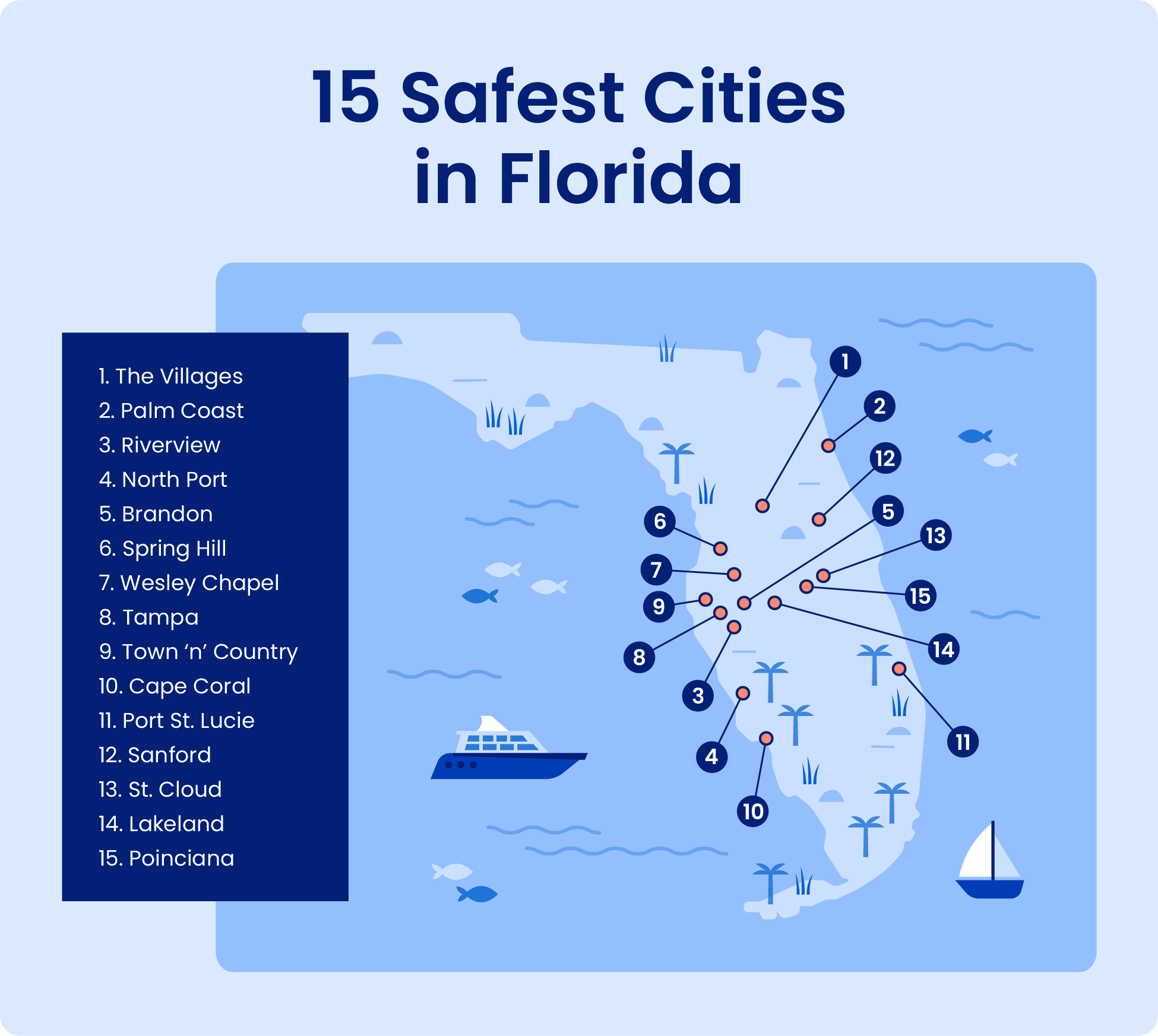
Based on a combination of low crime rates, community safety initiatives, and a generally tranquil atmosphere, several Florida cities consistently rank high for safety. While crime statistics can fluctuate annually, these cities have demonstrated a long-standing commitment to public safety, making them excellent choices for travelers seeking peace of mind.
Naples: A Haven of Serenity and Elegance
Often cited as one of the safest cities in Florida, Naples offers an idyllic blend of upscale living and remarkable tranquility. Located on the Gulf of Mexico in Southwest Florida, Naples boasts stunning beaches, world-class dining, and a thriving arts scene. Its crime rates, particularly violent crime, are consistently among the lowest in the state for cities of its size. This is partly attributed to a high level of community engagement, active law enforcement, and a relatively affluent population that invests in local infrastructure and safety programs.

Travelers to Naples can enjoy strolling along Fifth Avenue South, exploring the Naples Botanical Garden, or relaxing on Vanderbilt Beach with minimal safety concerns. The city’s atmosphere is one of calm and sophistication, making it particularly appealing for retirees, families, and those seeking a peaceful escape. The local authorities are highly responsive, and the community takes pride in maintaining a safe and beautiful environment.
Coral Gables: The City Beautiful’s Secure Charm
Nestled southwest of downtown Miami, Coral Gables is renowned for its meticulously planned urban design, lush landscapes, and Spanish Mediterranean architecture. Beyond its aesthetic appeal, Coral Gables consistently ranks as one of Florida’s safest cities. Its dedicated police department, proactive community policing efforts, and vigilant residents contribute to remarkably low crime rates, especially violent crime.
Coral Gables provides a secure backdrop for visitors exploring attractions like the Biltmore Hotel, the Venetian Pool, or dining in its charming downtown area. The city’s tree-lined streets and historic ambiance invite leisurely exploration, while the strong sense of community and security allow travelers to fully immerse themselves in its unique charm without undue worry. Its proximity to Miami offers the best of both worlds: a tranquil, safe base with easy access to a major metropolitan hub.
Sarasota: Culture, Coastlines, and Community Safety
On the west coast of Florida, Sarasota is celebrated for its vibrant arts scene, beautiful beaches (including the famous Siesta Key Beach), and a relaxed yet refined atmosphere. Sarasota is also a standout for its commitment to safety, regularly appearing on lists of Florida’s safest cities. The city benefits from active law enforcement, engaged neighborhoods, and a civic-minded population that values public order.
Travelers visiting Sarasota can explore the impressive Ringling Museum of Art, enjoy performances at the Sarasota Opera House, or simply relax by the Gulf of Mexico with confidence. The city’s welcoming environment extends to its safety, allowing visitors to focus on enjoying its cultural offerings and natural beauty. The sense of community pride is palpable, contributing significantly to its low crime rates and overall secure feeling.
Marco Island: Island Escape with Unwavering Security
Just south of Naples, Marco Island offers a unique combination of stunning white-sand beaches, luxurious resorts, and an exceptionally safe environment. As the largest of Florida’s Ten Thousand Islands, Marco Island is a popular destination for those seeking tranquility, natural beauty, and water activities. Its relatively isolated location and dedicated local police force contribute to some of the lowest crime rates in the entire state.
The island city’s small-town feel, coupled with its upscale residential character, fosters a vigilant and interconnected community. Visitors can explore the pristine beaches, go shelling, enjoy dolphin-watching tours, or venture into nearby Everglades National Park knowing they are returning to a secure base. Marco Island is particularly attractive to families and couples looking for a worry-free vacation where relaxation and safety are paramount.
Beyond Statistics: Practical Safety Tips for Florida Travelers
While choosing a city with low crime rates is a great starting point, personal vigilance and smart travel practices are equally important for ensuring a safe trip to Florida or any destination. Even in the safest cities, opportunities for petty crime can exist, and natural events require awareness.
General Travel Safety Advice
- Be Aware of Your Surroundings: Pay attention to who is around you, especially in crowded tourist areas, on public transport, or when using ATMs.
- Secure Your Belongings: Use hotel safes for valuables, avoid flashing large sums of cash, and keep bags secured and close to your body.
- Research Your Neighborhood: Even within safe cities, certain areas might have higher crime rates. Check reviews and local advice for specific neighborhoods you plan to visit or stay in.
- Inform Someone of Your Itinerary: Let family or friends know your travel plans, especially if you’re traveling solo.
- Use Reputable Transportation: Opt for licensed taxis, ride-sharing services with verified drivers, or well-regarded rental car companies.
- Avoid Walking Alone at Night: If you must, stick to well-lit, populated streets.
- Protect Your Digital Devices: Be wary of public Wi-Fi for sensitive transactions, and keep your phone charged for emergencies.
Florida-Specific Safety Considerations
- Weather Preparedness: Florida is prone to hurricanes, especially during hurricane season (June 1 – November 30). Stay informed about weather forecasts, and understand local evacuation plans if traveling during these months.
- Sun Protection: The Florida sun is intense. Use high-SPF sunscreen, wear hats and sunglasses, and stay hydrated to prevent heatstroke and sunburn.
- Wildlife Awareness: Be mindful of local wildlife, particularly in natural areas. Alligators are common in freshwater bodies, and proper precautions should always be taken, such as not feeding them or swimming in unsupervised areas.
- Water Safety: Observe beach flag warnings indicating current conditions and marine life. If swimming in the ocean, be aware of rip currents. When boating, ensure you understand local regulations and safety equipment requirements.
- Driving Safety: Florida highways can be busy. Drive defensively, obey speed limits, and be aware of aggressive drivers, especially in metropolitan areas. Also, be cautious of leaving valuables visible in your car.
By integrating these practical tips with your choice of a statistically safe destination, you can significantly enhance your travel experience and ensure a truly worry-free vacation in the Sunshine State.

Making Your Decision: Balancing Safety with Your Travel Goals
Ultimately, the “safest city” in Florida for you will depend on your personal priorities, travel style, and what you seek from your vacation. While cities like Naples, Coral Gables, Sarasota, and Marco Island consistently rank high in terms of low crime rates and overall security, each offers a distinct travel experience.
If your ideal trip involves luxury, pristine beaches, and fine dining in a tranquil setting, Naples or Marco Island might be perfect. For those who appreciate historic charm, architectural beauty, and a sophisticated atmosphere close to a major city, Coral Gables presents an excellent option. If arts, culture, and stunning Gulf Coast beaches are your priorities, Sarasota provides a vibrant yet secure environment.
Regardless of your choice, knowing that you’ve selected a destination committed to public safety allows you to relax and fully embrace the myriad experiences Florida has to offer. Combine your destination research with diligent personal safety practices, and your next Florida adventure is sure to be both unforgettable and secure.
LifeOutOfTheBox is a participant in the Amazon Services LLC Associates Program, an affiliate advertising program designed to provide a means for sites to earn advertising fees by advertising and linking to Amazon.com. Amazon, the Amazon logo, AmazonSupply, and the AmazonSupply logo are trademarks of Amazon.com, Inc. or its affiliates. As an Amazon Associate we earn affiliate commissions from qualifying purchases.