
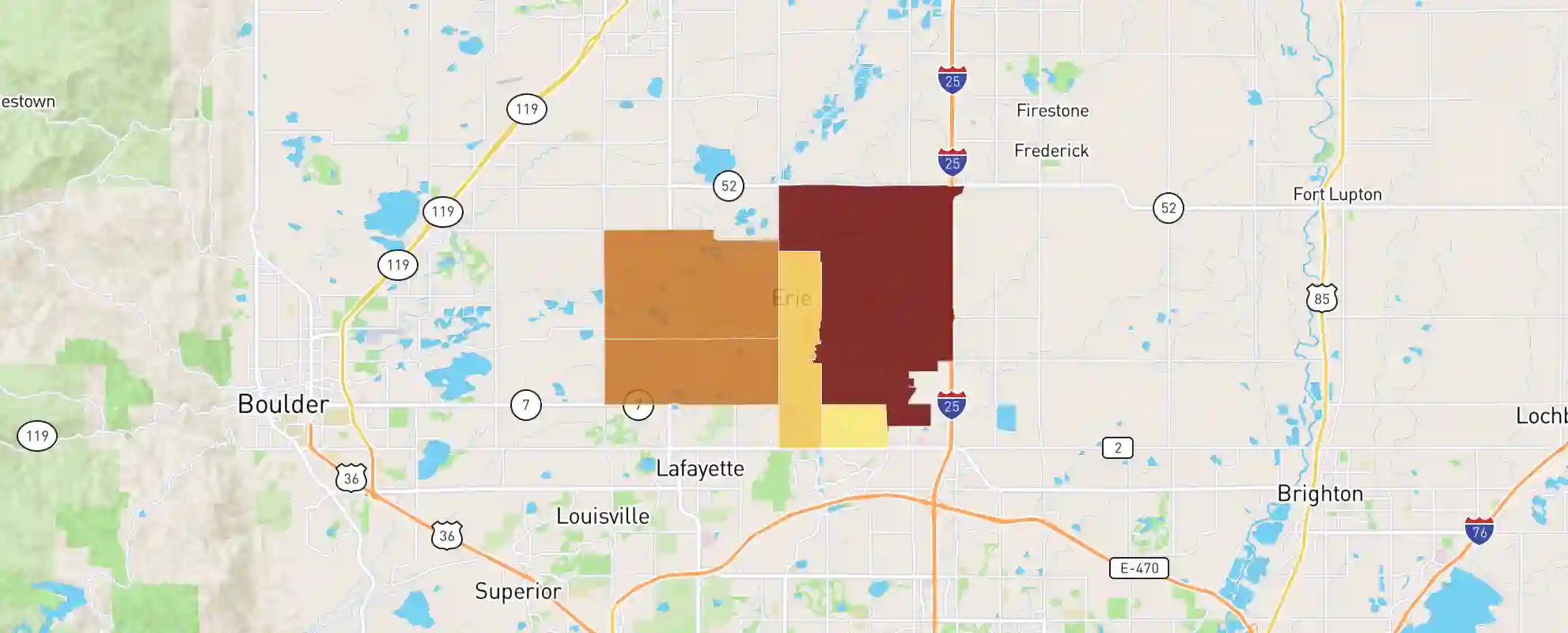
For travelers planning an adventure in the Centennial State, understanding the precise geographical location of their destination is often the first step in crafting an unforgettable itinerary. When it comes to the charming and rapidly growing town of Erie, Colorado, the answer to “What county is it in?” is surprisingly unique and a testament to its strategic position within the Front Range region. Erie stands out because it doesn’t just reside in one county; it proudly straddles the lines of two distinct and influential Colorado counties: Weld County and Boulder County. This bi-county identity is more than just a cartographical quirk; it profoundly shapes Erie’s character, its amenities, its economic drivers, and ultimately, the experience it offers to visitors. From the agricultural expanses of Weld County to the intellectual and outdoor-centric vibe of Boulder County, Erie offers a unique blend, making it a fascinating destination for those looking to explore the diverse facets of Northern Colorado.

Understanding Erie’s Unique Bi-County Identity
The fact that Erie spans two counties is central to understanding its evolution and current appeal. This geographical duality is not merely a technicality but a living aspect of the town’s identity, influencing everything from local governance and public services to its cultural atmosphere and recreational opportunities. For the discerning traveler, recognizing this split provides deeper insight into what makes Erie a distinctive place to visit.
A Tale of Two Counties: Weld and Boulder
Approximately two-thirds of Erie, including its historic Old Town core, is situated within Weld County. This portion often reflects the more traditional, community-focused aspects of the town, with a strong sense of local history and a connection to the agricultural heritage that still defines much of Weld County. The remaining one-third of Erie, particularly its newer developments and master-planned communities, extends into Boulder County. This section often carries a slightly different architectural aesthetic and a subtly distinct demographic, aligning more closely with the sophisticated, outdoor-oriented, and often environmentally conscious ethos associated with Boulder County proper.
This fascinating division is a result of Erie’s rapid growth over the past few decades. As the town expanded beyond its original Weld County boundaries, its natural progression led it into the adjacent Boulder County territory. While this presents unique challenges for local administration, requiring coordination between two distinct county governments for infrastructure, planning, and services, it offers a rich tapestry for visitors. You can literally drive from one county into another without noticing a definitive line, yet the subtle influences of each county are woven into the fabric of the town.
Geographical Significance and Regional Context
Erie’s location, roughly 30 miles north of Denver and just 15 miles east of Boulder, places it at a critical nexus within the Front Range. This makes it an ideal base for exploring a wider array of Colorado’s attractions. Weld County, the third-largest county by area in Colorado, is known for its vast agricultural lands, oil and gas industry, and a more spread-out, rural feel. This influence is seen in Erie’s open spaces, its community-focused events, and a general sense of groundedness.
In contrast, Boulder County is renowned for its stunning natural beauty, access to the Rocky Mountains foothills, its progressive culture, and a thriving tech and outdoor recreation industry. This proximity means that Erie residents and visitors benefit from easy access to the numerous hiking and biking trails, organic farms, and vibrant cultural scene that define Boulder. For travelers, this duality means that Erie offers a unique combination: the relaxed pace and affordability often found in more agricultural areas, coupled with the convenient access to world-class outdoor recreation and cultural amenities typically associated with urban centers like Boulder.
Erie as a Travel Destination: Bridging Two Worlds
The bi-county nature of Erie contributes significantly to its appeal as a travel destination. It’s a place where the tranquility of open landscapes meets the vibrancy of a growing community, all within a short drive of major Colorado attractions. This blend makes Erie an excellent choice for various types of travelers, from families seeking a quiet retreat to outdoor enthusiasts looking for convenient access to adventure.
Outdoor Adventures and Natural Beauty
One of Erie’s greatest assets is its abundance of outdoor activities, influenced by its strategic location. The town boasts numerous parks, open spaces, and an extensive trail system that caters to hikers, bikers, and nature lovers. The Erie Singletrack trails, for instance, offer miles of diverse terrain suitable for all skill levels, providing panoramic views of the Front Range and the surrounding plains.
A prominent feature is the Erie Lake (also known as the Erie Reservoir), which provides opportunities for fishing, paddleboarding, and kayaking, offering a serene escape just minutes from the town center. Birdwatchers will also appreciate the diverse ecosystems supported by the area’s wetlands and open fields. The town’s proximity to Boulder County means that world-class hiking in the Rocky Mountains foothills, including popular spots like Chautauqua Park and the Flatirons, is just a short drive away. Meanwhile, the open spaces toward Weld County offer expansive views and a sense of tranquility rarely found near such bustling urban centers.
Community Charm and Local Attractions
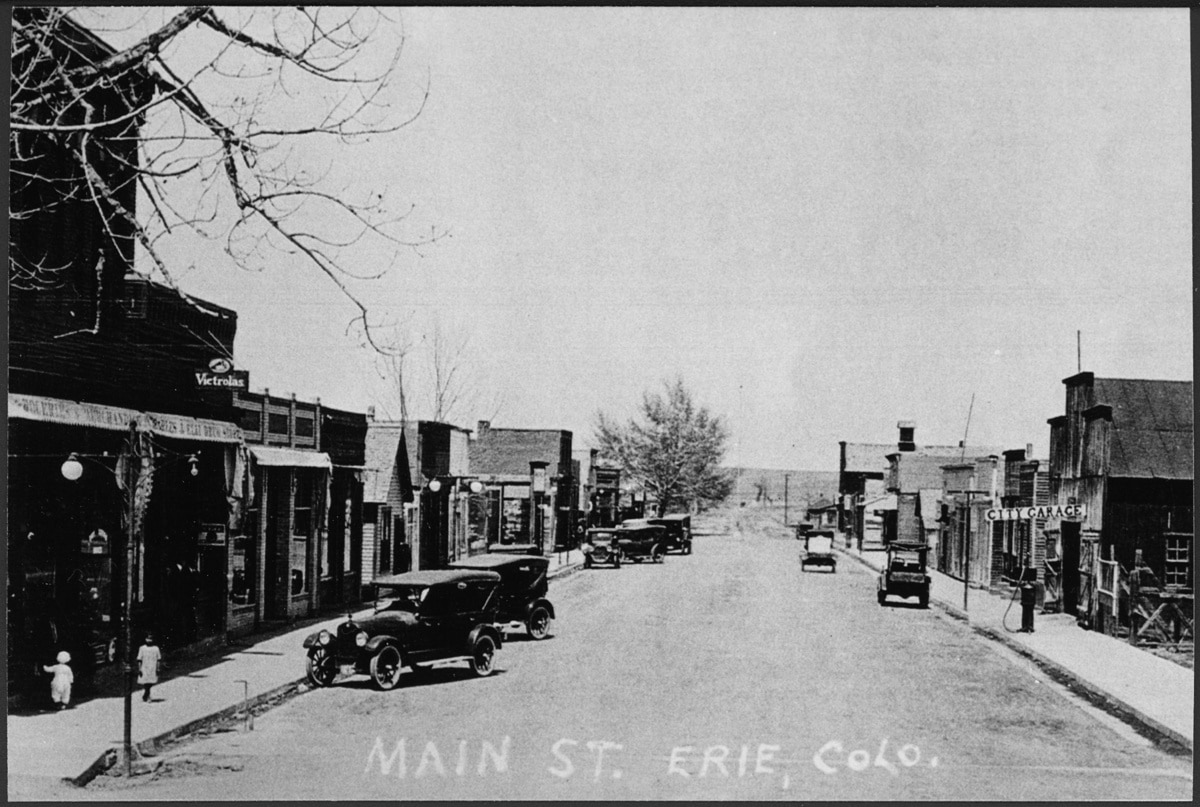
Despite its growth, Erie has successfully maintained a strong sense of community and small-town charm, particularly evident in its historic downtown area. Here, visitors can explore local shops, enjoy a meal at one of the burgeoning restaurants, or simply soak in the friendly atmosphere. The town is known for its vibrant calendar of events, reflecting a lively community spirit. Annual highlights might include a farmers market, summer concert series, and holiday celebrations that bring residents and visitors together. While specific events like an “Erie Balloon Festival” may vary by year, the town actively fosters community engagement through various gatherings.
The Erie Community Park is another hub of activity, offering sports fields, playgrounds, and picnic areas. Families traveling with children will find plenty of space for recreation, while those looking for a relaxing afternoon can enjoy the well-maintained facilities. This blend of natural beauty and a welcoming community atmosphere makes Erie an inviting destination for travelers seeking a balance of adventure and relaxation.
Planning Your Visit: Navigating Erie’s Locale
For travelers, knowing Erie’s unique geographical position is key to seamless planning. Its location within the Front Range means excellent accessibility and opportunities for extending your travels to nearby attractions.
Accessibility and Getting Around
Erie is conveniently located approximately 25 miles from Denver International Airport (DIA), making it easily accessible for out-of-state visitors. Travelers can rent a car at the airport and reach Erie via major roadways like I-25 and Highway 7. While a rental car is highly recommended for exploring Erie and its surroundings, limited public transportation options via the RTD (Regional Transportation District) may serve certain routes connecting to Boulder or Denver. However, to fully experience the area’s parks, trails, and nearby towns, personal transportation offers the most flexibility.
Navigating Erie itself is straightforward. The town’s layout is visitor-friendly, with clear signage and manageable distances between points of interest. Whether you’re heading to the Erie Community Center, the historic downtown, or one of the many parks, getting around is hassle-free.
Nearby Explorations: Leveraging Erie’s Centrality
One of the significant advantages of staying in Erie is its central location within Northern Colorado, opening up a plethora of day trip possibilities.
- Boulder: Just a 15-minute drive west, Boulder offers a vibrant downtown experience, famous Pearl Street Mall, countless hiking trails, the University of Colorado Boulder campus, and an excellent dining scene.
- Longmont: To the north, Longmont provides a more laid-back alternative with its own craft breweries, local art scene, and family-friendly parks.
- Denver: The state capital, Denver, is less than an hour away, offering world-class museums, professional sports, diverse culinary experiences, and a bustling urban environment.
- Rocky Mountains: For those seeking grander adventures, the gateway to the Rocky Mountains and destinations like Rocky Mountain National Park (about a 90-minute drive) are easily accessible, providing opportunities for scenic drives, challenging hikes, and wildlife viewing.
Erie’s position as a bridge between Weld County and Boulder County allows travelers to experience both the agricultural charm and the majestic mountain proximity that defines this part of Colorado.
The Future of Erie: Growth and Preservation
As one of Colorado’s fastest-growing towns, Erie is constantly evolving. The future of Erie as a travel destination is intrinsically linked to how it manages this expansion while preserving the qualities that make it unique. Its bi-county status will continue to play a role in this delicate balance.
Balancing Development with Small-Town Appeal
Erie’s local government and community are actively engaged in balancing robust development with the desire to maintain its small-town character and extensive open spaces. This commitment is visible in the careful planning of new residential and commercial areas, the ongoing investment in parks and trails, and the preservation of its historical downtown. For travelers, this means that while new amenities and services continue to emerge, the essence of Erie—its friendly community, access to nature, and welcoming atmosphere—is consciously being protected.
Visitors can expect to see a growing array of dining options, local businesses, and community events that enhance the travel experience. At the same time, efforts to conserve the natural beauty of the area, particularly along the Front Range and the agricultural lands of Weld County, ensure that Erie remains a haven for outdoor enthusiasts. This forward-looking yet preservation-minded approach ensures that Erie will continue to offer a unique and enriching experience for travelers for years to come.
In conclusion, knowing that Erie, Colorado, is situated in both Weld County and Boulder County is more than just a geographical detail; it’s a key to unlocking a richer understanding of this compelling Front Range town. This dual identity fosters a destination that offers a rare blend of relaxed small-town living with immediate access to significant natural beauty and the vibrant cultural hubs of Northern Colorado. Whether you’re drawn by the promise of outdoor adventure, the charm of a tight-knit community, or the strategic base for exploring the wider region, Erie presents a multifaceted travel experience worth discovering.
LifeOutOfTheBox is a participant in the Amazon Services LLC Associates Program, an affiliate advertising program designed to provide a means for sites to earn advertising fees by advertising and linking to Amazon.com. Amazon, the Amazon logo, AmazonSupply, and the AmazonSupply logo are trademarks of Amazon.com, Inc. or its affiliates. As an Amazon Associate we earn affiliate commissions from qualifying purchases.