
When planning a trip to the vast and vibrant state of Texas, understanding local laws is paramount to ensuring a safe and enjoyable experience. For many travelers, particularly those who enjoy sampling local beverages, one of the most crucial pieces of information revolves around the legal alcohol limit for driving. This guide delves into the specifics of Texas‘s driving while intoxicated (DWI) laws, offering clarity for tourists and locals alike, and ensuring your adventures across the Lone Star State remain memorable for all the right reasons.
The framework for understanding alcohol limits in Texas is built upon the concept of Blood Alcohol Concentration (BAC). This is a measurement of the amount of alcohol present in a person’s bloodstream. In Texas, as in most of the United States, there are specific BAC thresholds that, if exceeded, constitute a criminal offense.
Understanding Texas’s DWI Laws and BAC Limits
The legal alcohol limit in Texas for drivers aged 21 and over is a BAC of 0.08%. This means that if your blood alcohol content reaches or surpasses this percentage while you are operating a motor vehicle, you are in violation of the law. It is important to note that this is the standard limit, and there are specific circumstances and exceptions that can lead to stricter penalties.
The 0.08% BAC Standard
The 0.08% BAC limit is widely recognized and enforced across the United States to promote road safety. This threshold is not an arbitrary number; it’s based on scientific research that indicates significant impairment in driving abilities at this level. Even below 0.08%, alcohol can affect judgment, coordination, and reaction time, making any amount of alcohol consumption before driving a risk.
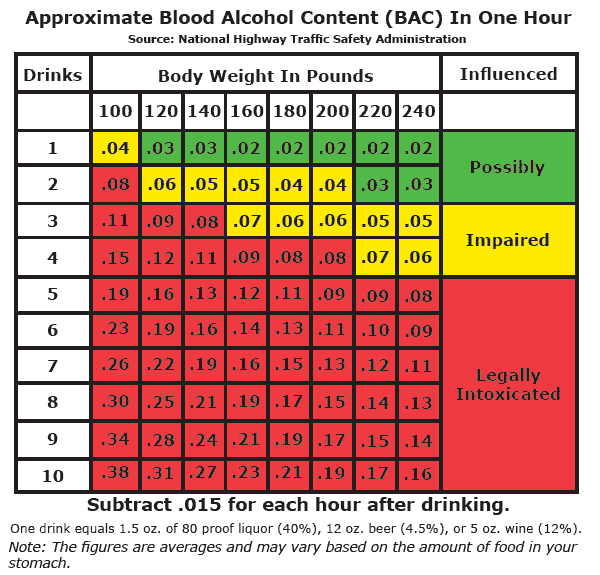
Factors influencing BAC can vary greatly from person to person and even from one drinking occasion to another. These include:
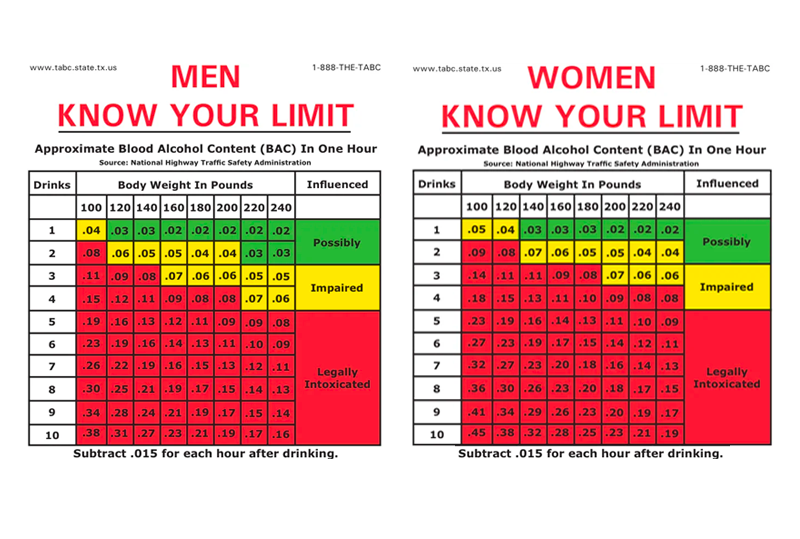
- Body Weight: Generally, lighter individuals will have a higher BAC than heavier individuals after consuming the same amount of alcohol.
- Sex: Due to differences in body composition and metabolism, women tend to have a higher BAC than men when consuming the same quantity of alcohol.
- Food Consumption: Drinking on an empty stomach leads to faster alcohol absorption and a higher BAC compared to drinking after a meal.
- Type and Amount of Alcohol: Different alcoholic beverages contain varying amounts of alcohol. The more drinks consumed and the higher the alcohol proof, the higher the BAC will be.
- Time: Alcohol is metabolized by the body over time. The longer the period between drinks and the end of driving, the lower the BAC will be.
- Metabolism: Individual metabolic rates can affect how quickly a person processes alcohol.
It is a common misconception that one or two drinks will not push a person over the 0.08% BAC limit. However, depending on the factors listed above, even a small number of drinks can result in a BAC at or above the legal limit. For instance, a standard drink is typically defined as:
- 12 ounces of beer (approximately 5% alcohol)
- 5 ounces of wine (approximately 12% alcohol)
- 1.5 ounces of distilled spirits (approximately 40% alcohol, or 80 proof)
If you are enjoying Texas‘s renowned breweries or visiting a distillery in the Texas Hill Country, it is vital to be aware of how quickly your BAC can rise. For a more precise understanding, many resources and online calculators can help estimate BAC, but these are purely for informational purposes and should not be relied upon as definitive legal guidance. The only way to know your BAC with certainty is through a test administered by law enforcement.
Zero Tolerance for Underage Drivers
A critical distinction in Texas law is the “zero tolerance” policy for drivers under the age of 21. For individuals younger than 21, the legal limit is significantly lower, with a BAC of 0.02% being considered a violation. This policy is in place because the developing brains of young people are more susceptible to the harmful effects of alcohol, and driving under the influence at any age is dangerous, but especially so for those who are not yet legal adults.
Even a trace amount of alcohol in a minor’s system while driving can lead to severe consequences, including license suspension, fines, and mandatory alcohol education programs. This stringent approach underscores the state’s commitment to preventing alcohol-related incidents involving its youngest drivers.
Consequences of Exceeding the Legal Limit in Texas
The ramifications of being caught driving under the influence in Texas are substantial and can have a long-lasting impact on an individual’s life, especially for visitors who may not be familiar with the severity of these penalties. These consequences go beyond mere fines and can include jail time, license revocation, and significant financial burdens.
First Offense DWI Penalties
A first-time DWI offense in Texas is a Class B misdemeanor, punishable by:
- Jail Time: A minimum of 72 hours and up to 180 days in jail.
- Fines: Ranging from $500 to $2,000.
- License Suspension: A driver’s license suspension for 90 days to one year.
- Community Service: A requirement for 24 to 100 hours of community service.
- Ignition Interlock Device (IID): In many cases, an IID may be required on the vehicle, which is a breathalyzer device that prevents the car from starting if alcohol is detected.
Beyond these immediate legal penalties, a DWI conviction will result in a surcharge of $1,000 per year for three years to retain driving privileges, significantly increasing the financial cost. A DWI conviction also becomes a permanent part of a person’s criminal record, which can affect future employment opportunities, especially in fields requiring background checks.
Enhanced Penalties for Higher BAC or Repeat Offenses
The penalties for DWI in Texas escalate significantly with higher BAC levels or for subsequent offenses.
- High BAC (0.15% or higher): If a driver’s BAC is 0.15% or higher, the offense is elevated to a Class A misdemeanor, carrying more severe penalties. This includes a mandatory minimum of 6 days in jail and a potential jail sentence of up to one year, with fines up to $4,000. The license suspension period also increases to up to two years.
- Second Offense DWI: A second DWI conviction within five years is a Class A misdemeanor, with a mandatory jail sentence of at least 30 days and up to one year, fines up to $4,000, and license suspension from 180 days to two years. If the second offense occurs more than five years after the first, it can still be a Class B misdemeanor with reduced penalties but will still be considered a second offense for enhancement purposes.
- Third or Subsequent Offense DWI: A third or subsequent DWI conviction is a felony offense. This is classified as a third-degree felony, carrying a prison sentence of two to ten years in a state penitentiary, fines up to $10,000, and a license revocation of up to two years.
It is crucial for anyone visiting Texas to understand that these laws apply to all drivers operating a vehicle within the state, regardless of residency. If you are enjoying the vibrant nightlife of Austin or attending a festival in Houston, making responsible choices about alcohol consumption and transportation is non-negotiable.
Safe Travel and Responsible Alcohol Consumption in Texas
Ensuring you adhere to Texas‘s legal alcohol limits is not just about avoiding legal trouble; it’s about prioritizing the safety of yourself and others. Responsible behavior when consuming alcohol is a cornerstone of safe travel, allowing you to fully experience the many wonders Texas has to offer without incident.
Transportation Options Beyond Driving
Fortunately, Texas offers a variety of transportation alternatives to ensure you can enjoy local establishments and attractions without the risk of driving under the influence.
- Ride-Sharing Services: Companies like Uber and Lyft are widely available in major Texas cities such as Dallas, San Antonio, and Fort Worth. They provide a convenient and often cost-effective way to get around, especially for evenings out.
- Taxis: Traditional taxi services are also a reliable option for transportation.
- Designated Drivers: If you are traveling with a group, designating a sober driver is a classic and effective strategy. This individual can enjoy the trip without consuming alcohol and ensure everyone gets home safely.
- Public Transportation: While coverage varies, major cities like Houston and Dallas have public transportation systems that can be useful for reaching certain destinations.
- Walking: If you are staying in areas with a high concentration of restaurants, bars, and attractions, such as downtown Austin or the Riverwalk in San Antonio, walking can be a safe and enjoyable option.
When planning your itinerary, consider booking accommodation in areas that are easily accessible or close to the places you intend to visit. For example, staying at a resort near the Alamo in San Antonio might mean you can explore the historic landmark and enjoy nearby dining without needing to drive. Similarly, if you are interested in the vibrant music scene of Austin, choosing a hotel in the downtown area or near Sixth Street can simplify your transportation needs.
Tips for Responsible Drinking
Beyond simply knowing the legal limit, practicing responsible drinking habits is essential for a safe and enjoyable trip.
- Pace Yourself: Avoid consuming alcohol too quickly. Alternate alcoholic drinks with water or non-alcoholic beverages.
- Eat Before and While Drinking: Having food in your stomach significantly slows the absorption of alcohol.
- Know Your Limits: Be aware of how alcohol affects you personally. Everyone reacts differently.
- Never Drink and Drive: This cannot be stressed enough. The consequences are simply not worth the risk.
- Plan Ahead: Before you start drinking, decide how you will get home. Have the numbers for ride-sharing services or taxis readily available.
- Be Aware of Others: If you are with someone who has been drinking, ensure they have a safe way to get home.
By understanding Texas‘s legal alcohol limits and prioritizing responsible choices, you can ensure your visit to this diverse and exciting state is filled with wonderful experiences, from exploring the vast landscapes and historic landmarks to enjoying the unique culture and culinary delights, all while staying safe on the roads. Whether you’re drawn to the natural beauty of the Big Bend National Park, the bustling energy of Dallas, or the rich history of Galveston, a little planning and awareness will go a long way in making your Texas adventure truly unforgettable.
LifeOutOfTheBox is a participant in the Amazon Services LLC Associates Program, an affiliate advertising program designed to provide a means for sites to earn advertising fees by advertising and linking to Amazon.com. Amazon, the Amazon logo, AmazonSupply, and the AmazonSupply logo are trademarks of Amazon.com, Inc. or its affiliates. As an Amazon Associate we earn affiliate commissions from qualifying purchases.