
California, a land of sun-kissed beaches, iconic landmarks, and vibrant cities, beckons millions of travelers each year. From the bustling streets of Los Angeles to the rolling vineyards of Napa Valley and the majestic beauty of Yosemite National Park, the Golden State offers an unparalleled array of experiences. Whether you’re planning a family vacation, a romantic getaway, a solo adventure, or even a long-term stay, understanding the local laws is paramount to ensuring a safe, enjoyable, and legally compliant visit. Among the crucial aspects of law that every visitor and resident should be aware of is the legal age of consent. This isn’t merely a legal technicality; it’s a fundamental safeguard designed to protect individuals, particularly minors, from exploitation and harm. For travelers, especially those venturing from different states or countries where laws may vary, familiarity with California’s specific regulations is not just advisable, but essential. Navigating social interactions, enjoying nightlife, or simply interacting with people in a new environment requires a clear understanding of these legal boundaries. This comprehensive guide aims to shed light on the legal age of consent in California, exploring its definitions, nuances, and the critical implications for everyone, from tourists exploring attractions like Disneyland to those considering permanent accommodation. By understanding and respecting these laws, we collectively contribute to a safer, more responsible travel and lifestyle environment within this magnificent state.
Understanding the Legal Age of Consent in California
The concept of the legal age of consent is a cornerstone of legal systems worldwide, designed to protect individuals from sexual exploitation by ensuring that they possess the mental and emotional maturity to agree to sexual activity. In the United States, the age of consent is primarily determined at the state level, which means it can differ significantly from one state to another. This variability underscores the importance for anyone visiting or residing in California to be specifically informed about its laws, regardless of what they might be accustomed to in their home state or country.
What is the Legal Age of Consent?
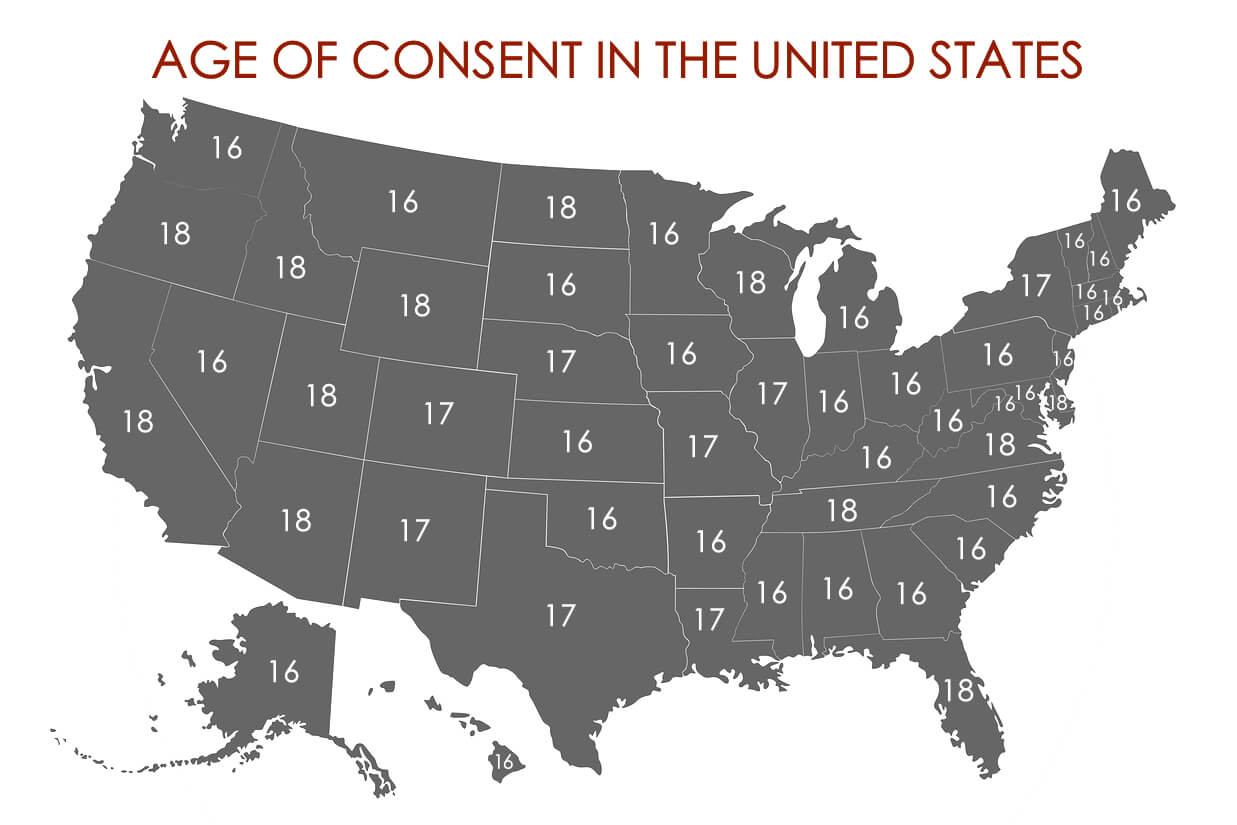
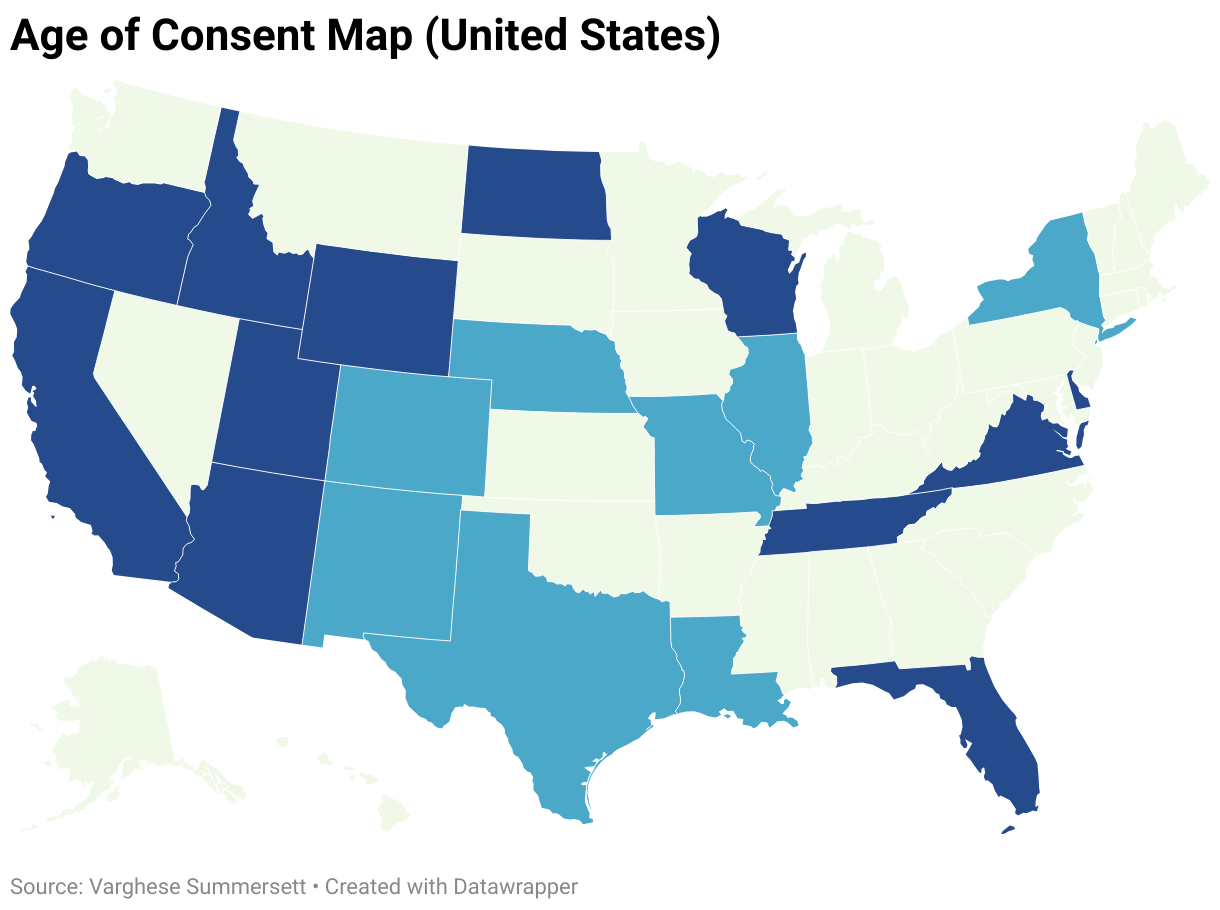
In California, the legal age of consent is 18 years old. This means that any sexual activity with an individual under the age of 18 is considered illegal, regardless of whether the minor seemingly “consented” or expressed willingness. The law presumes that individuals under 18 lack the full capacity to make such significant decisions, protecting them from potential coercion, manipulation, or exploitation. This bright-line rule serves as a clear boundary for adults and is a fundamental component of the state’s efforts to safeguard its youth.
It is critical to understand that the term “consent” in this context refers to legal capacity, not merely agreement. A minor, by definition of the law, cannot legally consent to sexual activity. Therefore, any sexual contact with someone under 18 years old in California is deemed unlawful and can lead to severe criminal charges, often falling under the umbrella of statutory rape. This applies universally across the state, whether you are enjoying a luxury stay in Beverly Hills, exploring the historic sites of San Francisco, or relaxing on the beaches of San Diego.
Statutory Rape vs. Age of Consent
While often used interchangeably in casual conversation, it’s important to differentiate between the legal age of consent and the specific crime of statutory rape. Statutory rape is the legal term for sexual intercourse or sexual contact with a person who is under the legal age of consent. The defining characteristic of statutory rape is the victim’s age, not the presence or absence of their physical consent. Even if a minor expresses a desire to engage in sexual activity, or initiates it, an older individual who participates is legally culpable because the minor is deemed incapable of providing legal consent.
This distinction is vital because it removes any defense based on the minor’s perceived willingness. The law is absolute: if one partner is under 18 and the other is an adult (or above the specific age threshold that removes the “close-in-age” defense), the act is illegal. This robust legal framework is designed to create a protective environment for adolescents and contributes to the overall safety of communities, making destinations across California safer for young visitors and residents alike.
Key Exceptions and Nuances in California Law
While the general rule in California is that the age of consent is 18, the legal landscape is often complex, with specific provisions and exceptions that address various scenarios. These nuances are not loopholes to be exploited but rather carefully crafted elements of the law that acknowledge specific circumstances, primarily focusing on protecting minors while also considering situations where individuals are close in age. Understanding these exceptions is crucial for a complete grasp of California’s legal framework.
The “Romeo and Juliet” Law (Close-in-Age Exemption)
One of the most commonly discussed nuances in age of consent laws across the United States is often referred to as the “Romeo and Juliet” law or the close-in-age exemption. This provision acknowledges that sometimes, individuals who are relatively close in age engage in consensual sexual activity, even if one partner is technically below the age of consent. In California, this exemption is outlined in Penal Code Section 261.5.
Specifically, California law provides a defense for an individual charged with statutory rape if:
- The alleged victim is at least 14 years old but under 18 years old.
- The defendant is no more than three years older than the alleged victim.
- The defendant is 20 years old or younger.
For example, if a 17-year-old and a 20-year-old engage in consensual sexual activity, the 20-year-old might be able to invoke this defense because the age difference is three years or less, and the older partner is 20 or younger. However, if the older partner was 21, this defense would not apply, and the 21-year-old would still face statutory rape charges. Similarly, if the victim was 13, this defense would not apply at all, as the minimum age for this exemption is 14.
It is absolutely vital to emphasize that this “Romeo and Juliet” law is a defense that may be raised in court, not a blanket permission. It does not mean that sexual activity with someone under 18 is automatically legal if they are close in age. Prosecutors can still bring charges, and the defendant would need to successfully argue this defense. Furthermore, the presence of any aggravating factors, such as a position of authority, coercion, or abuse, would typically nullify this defense entirely. Travelers exploring California’s many attractions, from the Santa Monica Pier to the Golden Gate Bridge, should be acutely aware of these distinctions.
Other Aggravating Factors
Beyond the age of consent and the “Romeo and Juliet” defense, several other factors can significantly impact the severity of charges and potential penalties related to sexual offenses in California. These factors often involve power dynamics and the circumstances surrounding the act.
- Position of Authority: If the older individual holds a position of authority over the minor (e.g., teacher, coach, guardian, employer, caregiver at a resort or hotel), any sexual contact can result in more severe charges, even if the age difference falls within the “Romeo and Juliet” parameters. This is because the law recognizes the inherent imbalance of power and the potential for abuse of trust.
- Coercion, Fraud, or Duress: Any evidence that the sexual activity was not truly consensual, even from a minor who “cannot consent” legally, but involved force, threats, manipulation, or deception, will lead to significantly harsher penalties. This can escalate charges beyond statutory rape to more serious sexual assault offenses.
- Physical or Mental Disability: If the minor has a physical or mental disability that further impairs their ability to understand or resist, the charges can also be more severe, reflecting the heightened vulnerability of the victim.
- Use of Alcohol or Drugs: Intentionally intoxicating a minor to facilitate sexual activity is a significant aggravating factor that will lead to more severe charges.
- Trafficking: Cases involving human trafficking or the exploitation of minors for commercial sex acts carry the most severe penalties, reflecting the heinous nature of these crimes.
These aggravating factors underscore California’s commitment to protecting its youngest and most vulnerable populations. Visitors and residents engaging in social activities, whether at a high-end Grand Hyatt Hotel or a local dive bar, must always exercise caution and respect these legal boundaries.
Why This Matters for Travelers and the Tourism Industry
For a state as popular with tourists as California, understanding the legal age of consent isn’t just a matter of legal compliance for its residents; it holds profound implications for visitors and the entire tourism industry. From the bustling urban centers like Los Angeles and San Francisco to the serene beauty of the Pacific Coast Highway and its charming coastal towns, millions travel through California annually. Ensuring their safety and preventing legal missteps is a shared responsibility.
Understanding Local Laws: Ignorance is No Defense
One of the most critical lessons for any traveler is that “ignorance of the law is no defense.” This legal principle means that claiming you weren’t aware of California’s specific age of consent laws will not exempt you from prosecution if a violation occurs. This is particularly relevant for international travelers or visitors from other U.S. states where the age of consent might be different (e.g., some states have an age of 16 or 17). A tourist from a country with a lower age of consent, for example, might unknowingly put themselves in a precarious legal situation if they are not familiar with California’s 18-year-old threshold.
The ramifications of such a misunderstanding can be devastating. Beyond facing severe criminal charges in California, including potential felony convictions, imprisonment, and mandatory sex offender registration, international travelers could also face issues upon returning to their home country. Many nations have laws that allow for prosecution of their citizens for crimes committed abroad, especially those involving minors. This could lead to a dual legal nightmare and a permanent stain on one’s record, severely impacting future travel and lifestyle opportunities. Therefore, proactive research and adherence to local laws are fundamental to responsible tourism and ensuring a hassle-free trip.

Responsible Travel and Personal Safety
Responsible travel extends beyond environmental considerations; it encompasses ethical behavior and ensuring the safety and well-being of all individuals encountered during a trip. Understanding the age of consent is a critical component of this.
- Protecting Oneself: For adults traveling in California, awareness of the age of consent helps prevent unintentional legal violations. In social settings, particularly at establishments like bars, clubs, or resorts where travelers might meet new people, verifying ages can be crucial. Many venues enforce strict ID checks, but personal responsibility remains paramount. Misjudging someone’s age or relying solely on appearance can lead to severe legal consequences.
- Protecting Others: For parents traveling with minors, understanding the legal framework helps them protect their children. It reinforces the importance of supervision, communication about personal safety, and being aware of who their children are interacting with. Hotels and accommodation providers in California often have policies designed to protect minors, such as restrictions on unaccompanied minors in certain areas or age requirements for booking rooms.
- Avoiding Misunderstandings: In a diverse state like California, cultural differences might lead to varying perceptions of age or social norms. Clear legal definitions help bridge these gaps, providing a universal standard for appropriate conduct. This legal clarity is vital for maintaining a respectful and safe environment for everyone, enhancing the positive experiences associated with California‘s vibrant culture and attractions.
Impact on the Tourism Industry and Accommodation Providers
The tourism and accommodation sectors in California have a vested interest in ensuring compliance with the age of consent laws. A reputation for safety and ethical practices is vital for sustained growth and positive visitor experiences.
- Maintaining Reputation: Destinations renowned for family-friendly attractions, such as Disneyland or resort areas along the coast, depend heavily on a perception of safety. Incidents involving minors can severely damage a destination’s reputation, deterring future tourism.
- Hotel and Accommodation Responsibility: Hotels, resorts, apartments, and other accommodation providers play a crucial role. They often implement policies to prevent underage drinking, ensure minors are supervised, and train staff to recognize and report suspicious activity. Checking IDs, particularly for guests under a certain age or when there’s an age discrepancy between guests, is a common practice. Many luxury resorts, for instance, pride themselves on providing a secure environment for all their guests, including families.
- Preventing Exploitation: Beyond legal compliance, actively promoting awareness and upholding these laws is part of the industry’s broader commitment to preventing the sexual exploitation of children. This commitment aligns with global efforts to promote responsible tourism and ethical travel, ensuring that the beauty and hospitality of California can be enjoyed by all without fear or harm.
Legal Consequences and Seeking Advice
The legal age of consent in California is a serious matter, and violations carry severe consequences. It is imperative for anyone in the state, whether a long-term resident or a transient traveler exploring its landmarks, to understand the potential penalties and the importance of seeking qualified legal counsel when necessary. The legal system is complex, and navigating it requires expert guidance.
Potential Penalties for Violations
Violating California’s age of consent laws, particularly through statutory rape, can lead to extremely serious criminal charges. The exact penalties depend on various factors, including the age difference between the parties, the specific circumstances of the offense, and the presence of any aggravating factors as discussed earlier.
Generally, statutory rape in California is classified as a felony. Convictions can result in:
- Imprisonment: Sentences can range from several years to potentially more than a decade in state prison, depending on the severity of the offense.
- Fines: Significant monetary fines are often imposed in addition to incarceration.
- Sex Offender Registration: Perhaps one of the most long-lasting and debilitating consequences is the requirement to register as a sex offender. This registration is typically for life and involves public disclosure of personal information, which can severely impact an individual’s ability to find housing, employment, and maintain social relationships. It can also impose restrictions on where one can live or work, especially near schools or parks.
- Probation: In some cases, probation may be granted, but it usually comes with very strict conditions, including regular check-ins, counseling, and travel restrictions.
- Impact on Lifestyle and Future: Beyond legal penalties, a felony conviction of this nature can have a profound and permanent impact on an individual’s life. It can affect professional licenses, immigration status for non-citizens, and overall reputation and lifestyle, making it difficult to travel internationally or secure certain types of accommodation or employment.
Given these severe repercussions, it cannot be overstated how critical it is to fully understand and respect California’s age of consent laws.
When to Seek Legal Advice
While this article provides general information, it is not a substitute for professional legal advice. The law is intricate, and every situation has unique details that can affect its legal outcome.
- If You Have Questions: If you have any doubts or questions about the age of consent laws in California or how they might apply to a specific scenario, the best course of action is to consult with a qualified California attorney specializing in criminal defense. Seeking proactive advice can prevent future legal problems.
- If You Are Accused: If you or someone you know is accused of violating age of consent laws, it is absolutely essential to seek legal counsel immediately. Do not speak to law enforcement without an attorney present. An experienced lawyer can explain your rights, assess the charges against you, and build an appropriate defense strategy. They can navigate the complexities of the legal system, including understanding specific statutes, potential defenses like the “Romeo and Juliet” law, and negotiating with prosecutors.
- General Guidance for Travelers: For travelers, understanding that different regions have different laws should encourage a cautious approach. If you find yourself in a situation where you are unsure of the legality of an interaction, it is always safer to err on the side of caution and disengage. Prioritize understanding the legal landscape of your destination to ensure a smooth and enjoyable trip, whether you’re staying in a budget apartment or a luxurious resort suite.
In summary, the legal age of consent in California is a critical piece of legislation designed to protect minors. Its enforcement is rigorous, and the consequences for violations are severe. For residents and visitors alike, a clear understanding of these laws and a commitment to responsible behavior are paramount for fostering a safe, respectful, and lawful environment across the vibrant and diverse state of California. By staying informed and acting responsibly, we can all contribute to positive experiences for everyone exploring the Golden State.
LifeOutOfTheBox is a participant in the Amazon Services LLC Associates Program, an affiliate advertising program designed to provide a means for sites to earn advertising fees by advertising and linking to Amazon.com. Amazon, the Amazon logo, AmazonSupply, and the AmazonSupply logo are trademarks of Amazon.com, Inc. or its affiliates. As an Amazon Associate we earn affiliate commissions from qualifying purchases.