
Colorado, a state renowned for its majestic Rocky Mountains, expansive plains, and vibrant ecosystems, boasts a diverse array of wildlife that captivates naturalists and casual observers alike. Among its many natural treasures, one feathered resident holds a special place in the state’s identity: the Lark Bunting. Designated as Colorado’s official state bird in 1931, this striking grassland avian species embodies the wild beauty and resilient spirit of the American West. Understanding the Lark Bunting goes beyond mere identification; it’s an exploration of Colorado’s natural heritage, its delicate ecosystems, and the historical processes that elevate a species to a symbol of state pride.

The Lark Bunting: An Emblem of the Prairies
The Lark Bunting (Calamospiza melanocorys) is a small, migratory songbird primarily found in the prairies and grasslands of western North America. Its designation as Colorado’s state bird is a tribute to its prominent presence and ecological significance within the state’s vast eastern plains, which form a crucial part of its breeding grounds. This bird, while perhaps not as universally recognized as some other state birds, is deeply intertwined with the natural identity of Colorado, particularly for those who appreciate the subtle grandeur of its less mountainous regions. Its presence is a seasonal highlight, marking the arrival of spring and summer across the high plains.
Identifying the Lark Bunting
Distinguishing the Lark Bunting is an exercise in appreciating avian elegance, particularly during the breeding season. The male Lark Bunting is especially striking, showcasing a dramatic transformation that makes him easily identifiable. During spring and summer, he dons a glossy black plumage, accented by large, pristine white wing patches. This stark contrast is not only visually appealing but also serves as a critical display mechanism during courtship flights. His powerful, melodious song, often delivered from a prominent perch or during a distinctive aerial display flight, is another unmistakable characteristic. The song is a rich tapestry of trills, whistles, and buzzy notes, unique to the open grasslands.
In contrast, the female Lark Bunting presents a more subdued, yet equally beautiful, appearance. Her plumage is a streaky brown and white, providing excellent camouflage within the dry grasses where she builds her nest. She also possesses white wing patches, though these are typically smaller and less pronounced than those of the male. Juveniles resemble the female, making identification challenging outside the breeding season when males are in their striking black and white livery. During the non-breeding season, both sexes adopt a plainer, sparrow-like appearance, which can make them harder to differentiate from other grassland birds. However, the consistent presence of the white wing patch remains a key identifying feature, even if diminished.
Habitat and Migration Patterns
The Lark Bunting’s life cycle is intrinsically linked to the health and expanse of North America’s grasslands. These birds are obligate grassland species, meaning they rely exclusively on prairie and steppe environments for their survival. In Colorado, their primary breeding grounds are found across the eastern plains, an area characterized by short-grass and mixed-grass prairies. Here, they utilize the sparse vegetation for nesting, foraging, and sheltering their young. Their diet consists primarily of insects during the breeding season, providing essential protein for their growing chicks, supplemented by seeds. Outside of breeding, seeds form a larger part of their diet.
As a migratory species, the Lark Bunting undertakes an annual journey that spans thousands of miles. They arrive in Colorado and other northern breeding grounds in late April or early May, after spending the winter months in the southwestern United States and northern Mexico. Their return to the breeding grounds is heralded by the males’ distinctive songs and elaborate aerial displays, signifying the onset of courtship and nesting activities. By late summer, usually around August or September, the birds begin their southward migration, forming large, often mixed-species flocks. This migratory pattern is a testament to their adaptability and dependence on seasonal resources, highlighting the importance of conserving habitat across their entire range.
The Journey to State Symbol Status
The selection of a state bird is rarely arbitrary; it often reflects a deeper connection between the species and the state’s natural landscape, cultural values, or historical narrative. For the Lark Bunting in Colorado, the journey to becoming the official state bird was a reflection of its ubiquity and significance on the state’s vast eastern plains, regions that, while less celebrated than the mountains, are equally vital to Colorado’s ecological identity. This process, spanning public interest and legislative action, solidified the bird’s place as a natural landmark.
Historical Context and Significance
Prior to the official designation, various birds were informally recognized or favored by local groups. However, the push for an official state bird gained momentum in the early 20th century, a period when many states were adopting official symbols to foster a sense of identity and pride. For Colorado, a state known for its rugged individualism and frontier spirit, selecting a bird that embodied the essence of its unique landscapes was paramount. The Lark Bunting, with its striking appearance and melodious song echoing across the prairies, emerged as a strong contender. Its migration patterns meant it was a familiar harbinger of spring for residents of the plains, a symbol of renewal and the bounty of the season.
The bird’s resilience and adaptability to the harsh conditions of the high plains further resonated with the spirit of Colorado’s early settlers and its agricultural communities. It symbolized the enduring spirit of life on the plains, a landscape often underestimated in its ecological richness. Furthermore, the selection of the Lark Bunting served to highlight and celebrate the state’s diverse geography, acknowledging that Colorado is not solely defined by its mountains but also by its vast and ecologically significant plains. This helped to solidify a comprehensive understanding of Colorado’s natural landmarks.
The Legislative Process
The formal recognition of the Lark Bunting as Colorado’s state bird was largely championed by schoolchildren and various ornithological and civic groups. Students across the state, often encouraged by their teachers, engaged in discussions and informal polls to select a bird that best represented Colorado. This grassroots involvement not only raised awareness about local wildlife but also instilled a sense of civic participation in the younger generation. The enthusiasm generated by these efforts eventually reached the state legislature.
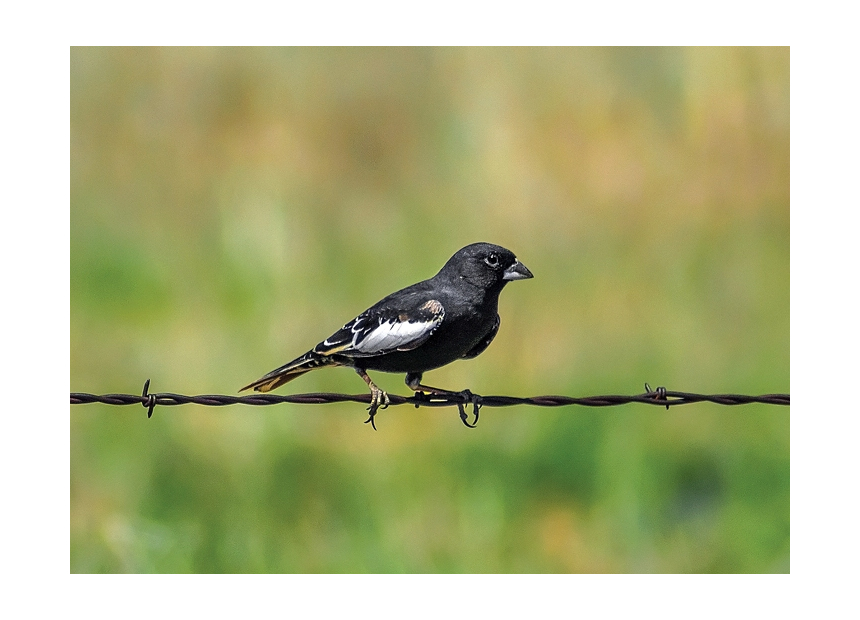
In 1931, after considerable deliberation and public advocacy, the Colorado General Assembly officially designated the Lark Bunting as the state bird. The legislative act, signed into law, formalized what many Coloradans already felt intuitively: that this distinctive grassland bird was a true symbol of their state. This process underscores how natural elements, through public appreciation and legislative action, become enduring landmarks that define a state’s identity. The designation was not just about picking a bird; it was about celebrating a vital component of Colorado’s ecological and cultural fabric.
Where to Spot Colorado’s State Bird
For those interested in experiencing Colorado’s natural landmarks, observing the Lark Bunting in its natural habitat offers a unique and rewarding opportunity. Its presence is a testament to the health of the state’s grasslands, making the search for this iconic bird an immersive natural experience. While widespread across the eastern plains, knowing the prime locations and optimal viewing times significantly enhances the chances of a successful sighting.
Prime Viewing Locations
The eastern plains of Colorado are the quintessential habitat for the Lark Bunting. Areas characterized by short-grass and mixed-grass prairies provide the ideal environment for breeding, foraging, and nesting. Several specific locations are particularly renowned for their Lark Bunting populations:
- Pawnee National Grassland: Located in northeastern Colorado, the Pawnee National Grassland is arguably one of the best places in the entire United States to observe grassland birds, including the Lark Bunting. Its expansive, relatively undisturbed prairies offer abundant opportunities to see males performing their distinctive aerial courtship displays and hear their complex songs. The area is also well-known for the Pawnee Pioneer Trails Scenic Byway, which provides accessible viewing points.
- Comanche National Grassland: Situated in southeastern Colorado, this grassland offers a similar experience, with vast stretches of prairie habitat perfect for Lark Buntings. Beyond birdwatching, visitors can also explore historical sites and unique geological features, enhancing the overall appreciation of this natural landmark.
- Barr Lake State Park: While known for its raptors and waterfowl, the surrounding prairie areas of Barr Lake State Park, located northeast of Denver, can also host Lark Buntings during the breeding season. Its proximity to the metropolitan area makes it a more accessible option for many.
- Rural Roads and Agricultural Fields: Simply driving through the less-developed rural areas of eastern Colorado, particularly along county roads that traverse extensive grasslands, can yield numerous sightings. Look for males perched on fence posts, power lines, or atop shrubs, boldly displaying their white wing patches.
Best Times for Observation
The optimal time to observe the Lark Bunting in Colorado is during its breeding season, which typically runs from late April or early May through July. This is when the males are in their most striking black and white plumage and are most active in singing and performing their aerial courtship flights. These displays are a hallmark of the species and provide the most engaging viewing opportunities.
Early mornings and late afternoons are generally the best times of day for birdwatching, as birds are most active during these cooler periods. The males’ songs are particularly prevalent at dawn and dusk. Patience and a good pair of binoculars are essential for a rewarding experience. Understanding the bird’s vocalizations will also greatly aid in locating them, as their distinctive song often precedes a visual sighting. Respecting their habitat by staying on marked trails and observing from a distance is crucial for their well-being and to maintain the integrity of these natural landmarks.
Conservation and Colorado’s Natural Heritage
The Lark Bunting, as Colorado’s state bird and a significant natural landmark, carries with it a responsibility for conservation. Its status as an obligate grassland species makes it particularly vulnerable to habitat loss and degradation, which are among the greatest threats to grassland birds across North America. Protecting this iconic species is not merely about preserving a symbol but ensuring the health and biodiversity of Colorado’s vast and vital prairie ecosystems.
Protecting the Lark Bunting
Over the past few decades, populations of the Lark Bunting and other grassland birds have experienced significant declines. This decline is largely attributed to the widespread conversion of native grasslands into agricultural fields, urban development, and energy infrastructure. Habitat fragmentation also plays a role, breaking up contiguous prairies into smaller, isolated patches that are less able to support viable bird populations. Climate change further exacerbates these challenges, altering weather patterns and potentially impacting food availability and nesting success.
Conservation efforts for the Lark Bunting focus primarily on protecting, restoring, and sustainably managing grassland habitats. This includes initiatives to:
- Preserve intact native prairies: Safeguarding existing grasslands from conversion is paramount. This involves land acquisition, conservation easements, and policy development that incentivizes landowners to maintain native vegetation.
- Restore degraded grasslands: Efforts to reseed native grasses, control invasive species, and implement prescribed burning help to rejuvenate degraded prairie ecosystems, making them more suitable for Lark Buntings and other wildlife.
- Promote sustainable grazing practices: Managed grazing, when properly implemented, can mimic the historical role of bison in maintaining healthy grassland structures, benefiting Lark Bunting nesting and foraging success.
- Research and monitoring: Continuous scientific research helps to better understand Lark Bunting ecology, population trends, and the effectiveness of various conservation strategies. Long-term monitoring projects provide crucial data for adaptive management.

The Broader Ecological Impact
The Lark Bunting serves as an indicator species for the health of grassland ecosystems. A healthy population of Lark Buntings signals a thriving prairie, which in turn supports a vast array of other wildlife, from insects and small mammals to raptors and larger herbivores. Grasslands themselves provide essential ecosystem services, including carbon sequestration, water filtration, and soil stabilization, all of which are vital for the environmental and economic well-being of Colorado.
By focusing on the conservation of the Lark Bunting, Colorado not only honors its state symbol but also invests in the broader ecological integrity of its natural landscape. This commitment to preserving the Lark Bunting’s habitat ensures that future generations can continue to witness the stunning aerial displays and hear the captivating songs of this iconic bird, truly a living landmark that embodies the wild heart of the Centennial State. Its story is a poignant reminder that the natural landmarks of a region are dynamic and require ongoing stewardship.
LifeOutOfTheBox is a participant in the Amazon Services LLC Associates Program, an affiliate advertising program designed to provide a means for sites to earn advertising fees by advertising and linking to Amazon.com. Amazon, the Amazon logo, AmazonSupply, and the AmazonSupply logo are trademarks of Amazon.com, Inc. or its affiliates. As an Amazon Associate we earn affiliate commissions from qualifying purchases.