
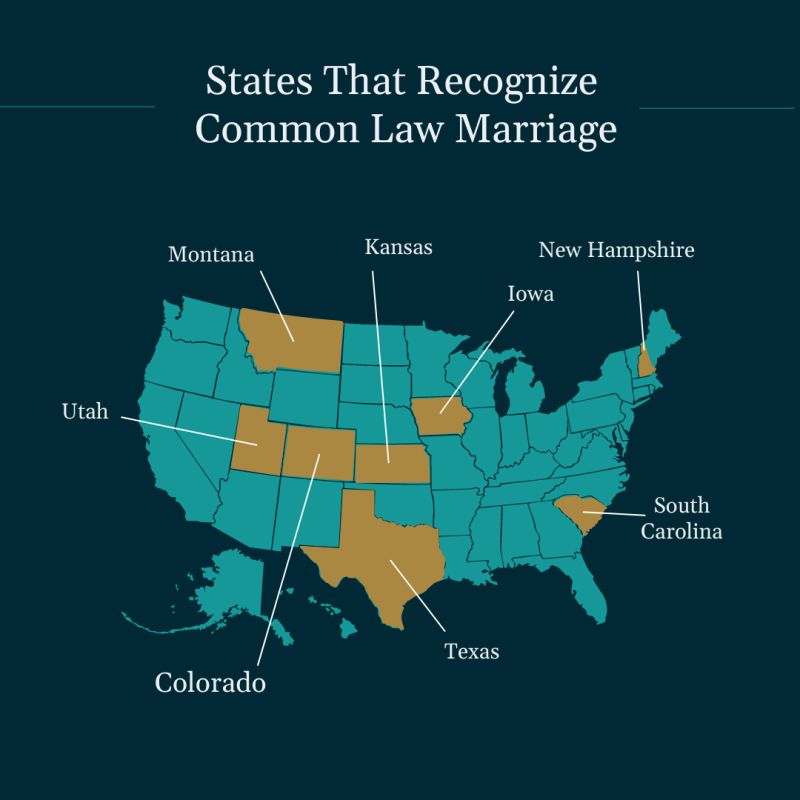
In an age where personal choices and diverse relationship structures are increasingly common, understanding the legal landscape of domestic partnerships is crucial. For couples choosing to build a life together without formalizing their union through a traditional ceremony, the concept of common law marriage can have significant implications. Colorado is one of the few states that still recognizes common law marriage, a legal status that, while perhaps less frequently discussed than its ceremonial counterpart, carries the same rights and responsibilities. This detailed guide explores what common law marriage entails in Colorado, its requirements, and its profound impact on a couple’s lifestyle, financial planning, and future security. For residents and newcomers alike, understanding this unique aspect of Colorado law is essential for navigating personal relationships with clarity and confidence.
Understanding Common Law Marriage in a Modern Lifestyle
The recognition of common law marriage in Colorado reflects a legal tradition that acknowledges relationships formed through intent and conduct, rather than just official paperwork. In today’s dynamic society, where couples might prioritize career, travel, or simply cohabitation before a formal wedding, common law marriage provides a legal framework for their partnership, often without their explicit knowledge or declaration. It’s a concept deeply intertwined with modern lifestyle choices, influencing everything from shared assets to end-of-life decisions.
The Legal Framework in Colorado
Unlike many states that have abolished common law marriage, Colorado maintains its validity, albeit with specific criteria. The legal foundation for common law marriage in Colorado stems from case law, which has evolved over decades. The most recent and significant ruling from the Colorado Supreme Court in 2020 (in the case of In re Marriage of Hogsett) affirmed that common law marriage is established when a couple mutually agrees to be married and holds themselves out to the public as spouses. Critically, the court clarified that this intent and public presentation need not be proven by a specific “magic date” or duration of cohabitation; rather, it’s about the cumulative evidence of their conduct and understanding.
This means that a couple in Colorado doesn’t need to live together for a specific number of years, or even present themselves as married in every single instance. What matters is the consistent demonstration of their intent to be married and their public perception as such. This nuanced approach requires a careful examination of various factors, making it distinct from the more straightforward process of obtaining a marriage license. For individuals leading intertwined lives, this legal nuance means their relationship could inadvertently acquire legal standing, impacting their rights and obligations in unexpected ways.
Dispelling Common Myths and Misconceptions
Common law marriage is often shrouded in myths, leading to misunderstandings that can have serious legal consequences. One of the most prevalent myths is the “seven-year rule,” which suggests that cohabiting for a specific duration automatically confers common law marriage status. This is entirely false in Colorado, as is the notion in most other states. As established by the Colorado Supreme Court, no specific duration of cohabitation is required. The focus is on the couple’s mutual intent and their public representation as married.
Another misconception is that common law marriage is a “lesser” form of marriage. This is incorrect. Once established, a common law marriage in Colorado is legally identical to a ceremonial marriage. It grants the same rights and imposes the same responsibilities regarding property, debt, inheritance, spousal support, and children. This parity means that couples in common law marriages possess the same legal standing as traditionally married couples, an important aspect for lifestyle planning and legal protection. Dispelling these myths is crucial for any couple living together in Colorado to fully understand their legal position and make informed decisions about their future.
The Requirements for Recognition: More Than Just Living Together
Establishing a common law marriage in Colorado isn’t as simple as merely cohabiting. The courts look for specific elements that demonstrate a couple’s clear intent to be married and their presentation of that marriage to the world. These requirements are subjective and often depend on the totality of evidence presented, making each case unique. Understanding these nuances is vital for couples navigating their intertwined lives and making long-term lifestyle choices.
Presenting as Married: The Intent and Holding Out
The core of establishing a common law marriage lies in two critical components: the couple’s mutual agreement to be married (intent) and their “holding out” to the public as spouses. The “holding out” element means that the couple behaves in a way that leads others to reasonably believe they are married. This isn’t about formal announcements but about everyday actions and declarations. Examples of “holding out” can include:
- Using a shared surname: While not mandatory, adopting a common surname is strong evidence.
- Joint finances: Opening joint bank accounts, sharing credit cards, or filing joint tax returns.
- Property ownership: Purchasing property together and holding it in both names as “married.”
- Representing each other as spouse: Introducing one another as “my husband” or “my wife” to family, friends, and colleagues.
- Shared responsibilities: Making joint decisions regarding significant life events, health care, or childcare.
- Insurance policies: Naming each other as a spouse on health, life, or auto insurance policies.
- Estate planning: Designating each other as a spouse in wills or trusts.
The court examines the cumulative weight of these actions. It’s not about any single piece of evidence but how these behaviors collectively reflect a consistent pattern of a couple presenting themselves as married. This public perception, coupled with their private understanding, forms the bedrock of a common law marriage. For individuals making lifestyle choices that involve shared finances, property, or public representation, being aware of these indicators is paramount.
Mutual Agreement and Understanding
Beyond public presentation, there must be a mutual agreement between the partners to enter into a marital relationship. This agreement doesn’t need to be formal or spoken aloud; it can be implied by the couple’s actions and conduct over time. The key is that both individuals understand and intend their relationship to be a marriage, with all its accompanying rights and responsibilities, even if they never exchanged vows or obtained a license.
This mutual understanding often requires a deeper look into the couple’s private lives. Do they discuss their future as a married couple? Do they make long-term plans assuming a marital bond? Is there an unspoken or explicit commitment to each other as life partners in the context of marriage? This subjective element can be challenging to prove or disprove, often relying on testimony from the partners themselves, as well as friends and family who witnessed their relationship unfold. For couples consciously or unconsciously moving towards a deeply committed partnership, recognizing this legal implication in Colorado is crucial for their personal and financial lifestyle planning.

Lifestyle Implications and Practical Considerations
Once established, a common law marriage carries the same legal weight as a ceremonial marriage, directly impacting a couple’s lifestyle and practical decisions. From financial matters to healthcare and even the process of separation, understanding these implications is key to navigating life in Colorado. This parity in legal status means couples in common law marriages should approach their partnership with the same foresight and planning as traditionally married couples.
Financial and Property Rights
One of the most significant lifestyle implications of common law marriage relates to financial and property rights. In Colorado, if a common law marriage is established, assets acquired during the relationship are considered marital property and are subject to equitable division upon dissolution, just like in a traditional divorce. This includes real estate, bank accounts, investments, and even debts. Without a formal understanding of their status, couples might inadvertently create complex financial entanglements.
For example, if one partner purchased a home in their name, but the couple was found to be in a common law marriage, the other partner could have a claim to a share of that property. Similarly, jointly held debts would become shared responsibilities. This has profound implications for individual financial planning, investment strategies, and estate planning. Couples in [Colorado](https://lifeoutofthebox.com/colorado] should be acutely aware that their shared lifestyle choices regarding finances can lead to legal recognition, with all its financial consequences. Proactive discussions and, if necessary, legal agreements (like prenuptial-style agreements, even without a ceremony) can help clarify intentions and protect individual assets.
Healthcare and Decision-Making
Beyond finances, common law marriage also impacts critical healthcare and decision-making capabilities. In a common law marriage, partners typically have the legal right to make medical decisions for an incapacitated spouse, access medical information, and inherit certain benefits, similar to traditionally married couples. This is particularly important for couples who have been together for a long time and consider each other next-of-kin.
Without legal recognition of their partnership (either through common law marriage or explicit legal documents like powers of attorney), partners might face barriers in hospitals or during medical emergencies. Understanding that their common law status confers these rights can offer a significant peace of mind. For those managing complex health issues or planning for later life, the legal status of their relationship directly influences their ability to support each other and ensure their wishes are honored, a crucial aspect of their shared lifestyle.
Dissolution: Ending a Common Law Marriage
Just as establishing a common law marriage does not require a ceremony, ending one in Colorado requires a formal legal process: a divorce. A couple in a common law marriage cannot simply separate and consider their relationship over. They must go through the same legal divorce proceedings as ceremonially married couples to formally dissolve the marriage, divide assets and debts, and address any spousal support or child custody issues.
This requirement is often surprising to couples who believed their informal union could be informally ended. The implications are significant for lifestyle changes after separation, as legal ties remain until a divorce decree is issued. Failing to formally dissolve a common law marriage can lead to ongoing legal and financial liabilities, including potential claims on future assets or continued responsibilities for debts. For couples considering ending their cohabitation in [Colorado](https://lifeoutofthebox.com/colorado], understanding the legal requirement for divorce is critical to ensure a clean break and protect their individual futures.
Why Understanding Matters for Colorado Residents and Newcomers
The unique legal landscape of common law marriage in Colorado means that couples need to be particularly informed about their relationship status and its legal implications. Whether you are a lifelong resident or considering a move to the Centennial State, awareness of common law marriage can significantly impact your personal and financial lifestyle decisions.
Planning for the Future
For many couples, the informal nature of their relationship allows for flexibility and a focus on personal growth. However, in Colorado, this informality can lead to an unintended legal marriage. Recognizing this possibility empowers couples to actively plan for their future, whether that involves embracing common law marriage, formalizing their union, or taking steps to avoid its establishment.
Couples who want the protections and benefits of marriage without a ceremony should understand how to demonstrate their intent and “hold out” to ensure their common law status is recognized. Conversely, couples who wish to avoid common law marriage, despite living together and sharing aspects of their lives, should take proactive measures. This might include maintaining separate finances, clearly communicating their non-marital intent, and potentially signing cohabitation agreements that explicitly disclaim a marital relationship. These proactive steps are crucial for defining their lifestyle choices and ensuring their legal status aligns with their personal intentions.

Navigating Legal Complexities in Your Life
The complexities of common law marriage in Colorado underscore the importance of seeking professional legal advice, especially when making significant life decisions. Whether you are buying a home together, having children, creating an estate plan, or considering separating, understanding your marital status—whether ceremonial or common law—is paramount. A qualified attorney can help assess whether a common law marriage exists, explain the rights and responsibilities that accompany it, and guide couples through necessary legal processes.
For residents of Colorado, and especially for those moving from states that do not recognize common law marriage, this legal aspect is a critical consideration for integrating into the local lifestyle. It impacts everything from property ownership and inheritance to spousal support and social security benefits. By being informed and proactive, individuals and couples can navigate the legal landscape of common law marriage in Colorado with clarity, ensuring their relationships and lifestyle choices are legally sound and aligned with their personal aspirations.
LifeOutOfTheBox is a participant in the Amazon Services LLC Associates Program, an affiliate advertising program designed to provide a means for sites to earn advertising fees by advertising and linking to Amazon.com. Amazon, the Amazon logo, AmazonSupply, and the AmazonSupply logo are trademarks of Amazon.com, Inc. or its affiliates. As an Amazon Associate we earn affiliate commissions from qualifying purchases.