
Embarking on a career as a school counselor in Texas is a rewarding path for those passionate about guiding young minds and fostering positive educational environments. This vital role involves supporting students’ academic, career, and social-emotional development, equipping them with the skills and resilience to navigate the complexities of life. While the journey requires dedication and specific qualifications, understanding the steps involved can make the process clear and achievable. This guide will walk you through the essential requirements, educational pathways, and practical considerations for becoming a certified school counselor in the Lone Star State.

Laying the Foundation: Essential Requirements for School Counselors in Texas
Before diving into specific educational programs, it’s crucial to understand the foundational requirements set forth by the Texas Education Agency (TEA). These prerequisites ensure that aspiring counselors possess the necessary academic background and ethical grounding to effectively serve students.
Educational Attainment: The Master’s Degree Imperative
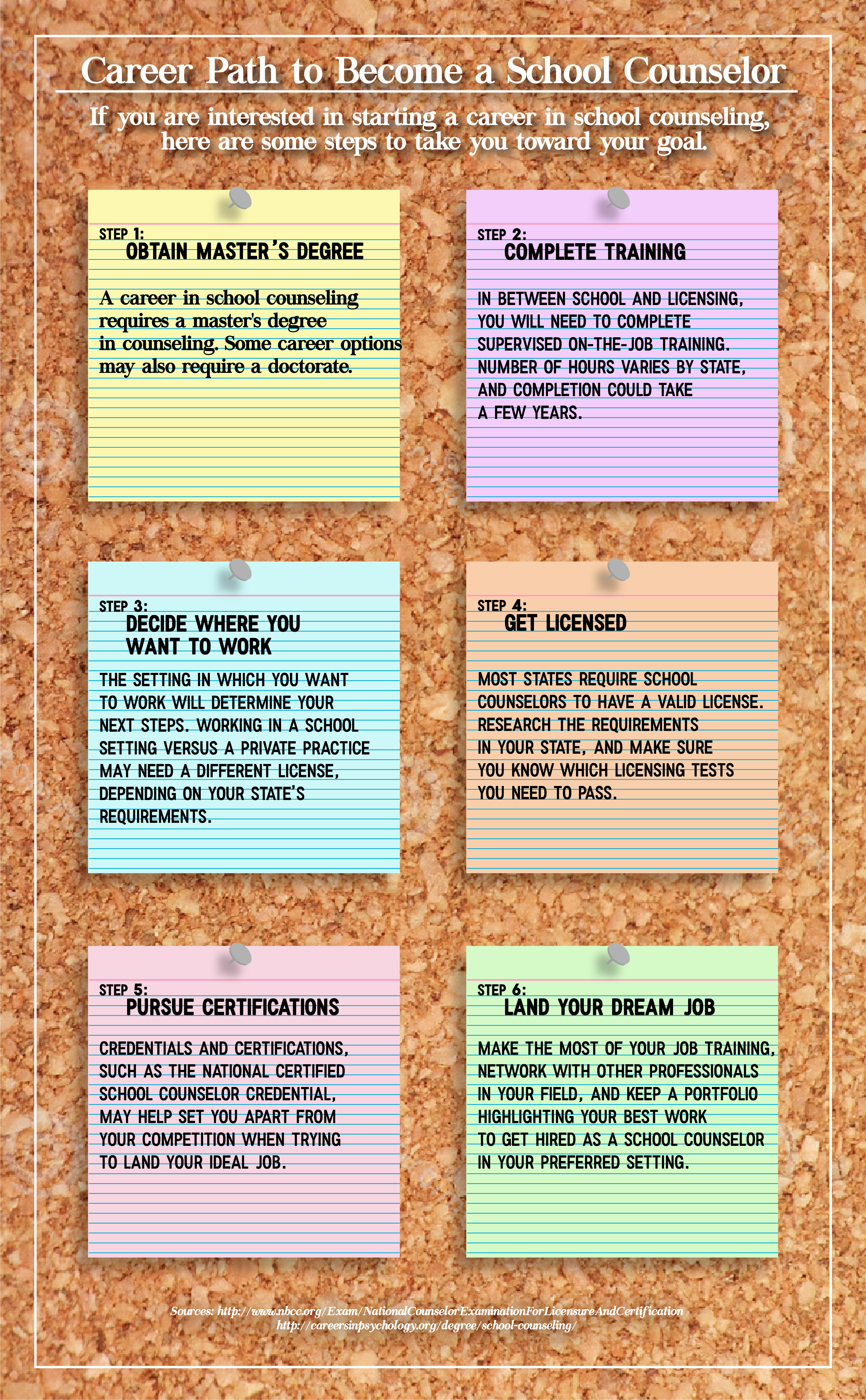
The cornerstone of becoming a school counselor in Texas is obtaining a master’s degree from an accredited institution. This degree must be in school counseling or a closely related field, as approved by the TEA. The curriculum is designed to provide a comprehensive understanding of counseling theories, developmental psychology, assessment techniques, group dynamics, and legal and ethical considerations specific to the school setting.
- Accredited Programs: It is paramount to select a master’s program that is accredited by a recognized body. This ensures that the education received meets a high standard of quality and will be recognized by the TEA for certification purposes. Look for programs accredited by organizations like the Council for Accreditation of Counseling and Related Educational Programs (CACREP). While not always explicitly mandated by the TEA, CACREP accreditation is a strong indicator of program quality and can often streamline the certification process.
- Curriculum Focus: The coursework within these master’s programs typically covers a broad range of essential topics. Students will delve into child and adolescent development, learning theories, mental health interventions, crisis counseling, career development, and multicultural counseling. Practical experience is also a significant component, often involving practicum and internship placements in actual school settings under the supervision of experienced counselors.
Professional Experience: Gaining Practical Insight
In addition to academic qualifications, Texas requires a period of relevant professional experience. This hands-on experience is invaluable for developing the practical skills and nuanced understanding necessary for effective school counseling.
- Teaching Experience: Historically, a certain amount of teaching experience was a prerequisite for school counselor certification. While this requirement has been modified, a background in teaching can still be highly beneficial and may fulfill certain experience requirements or provide a strong foundation for understanding the school environment from a different perspective. The TEA’s current regulations will specify the exact nature and duration of required professional experience.
- Internship and Practicum: As mentioned, the master’s program itself will typically include supervised practicum and internship experiences. These placements are crucial for applying theoretical knowledge in real-world school settings, working directly with students, parents, and school staff. The duration and nature of these experiences are often stipulated by the TEA and the graduate program.
The Certification Examination: Demonstrating Competency
To officially earn your school counselor certification in Texas, you will need to pass a standardized examination. This test assesses your knowledge and competency in the core areas of school counseling as defined by the state.
- Texas Examination of Educator Standards (TExES): The primary examination for school counselor certification in Texas is the TExES. Specifically, you will typically need to pass the School Counselor TExES exam (currently 151). This comprehensive test covers areas such as counseling and guidance, professional responsibilities, program development, and assessment.
- Preparation and Resources: Thorough preparation is key to success on the TExES. Many universities offer review courses, and the TEA provides study guides and practice tests on its website. Familiarizing yourself with the exam format, question types, and content areas is essential for optimal performance.
Background Check and Fingerprinting: Ensuring Student Safety
As a professional working closely with children, a thorough background check is a mandatory part of the certification process. This is a standard procedure to ensure the safety and well-being of students within the Texas public school system.
- Criminal History Review: Applicants will undergo a criminal history background check, which involves submitting fingerprints for review by the Texas Department of Public Safety and the Federal Bureau of Investigation (FBI). Any past criminal convictions may be reviewed, and the TEA will make a determination based on the nature and severity of the offense.
- Ethical Conduct: Beyond criminal history, applicants are expected to adhere to a strict code of ethical conduct. Any disciplinary actions taken against previous professional licenses or certifications will also be considered. Maintaining a clean record and demonstrating a commitment to ethical practice are vital.
Navigating the Educational Journey: From Graduate School to Certification
The path to becoming a school counselor in Texas involves a structured educational and professional development process. Understanding these stages will help you plan your journey effectively.

Choosing the Right Master’s Program
The selection of a master’s program is a critical decision that will shape your foundation as a counselor. It’s important to find a program that aligns with your career aspirations and meets the TEA’s requirements.
- Program Accreditation and Reputation: Prioritize programs with strong accreditation and a good reputation within the counseling field. Research the faculty’s expertise, the program’s curriculum, and the types of internship placements available.
- Specialization Options: Some master’s programs may offer specializations, such as elementary, middle school, or high school counseling, or focus on specific areas like special education support or college and career readiness. Consider your interests when making your choice.
- Location and Format: Decide whether an on-campus program, an online program, or a hybrid format best suits your lifestyle and learning preferences. Many universities in Texas, such as Texas A&M University or The University of Texas at Austin, offer reputable counseling programs.
Completing Supervised Practice
The practical component of your master’s program is where you translate theory into action. Supervised practice is essential for developing confidence and competence.
- Practicum: This is an initial, supervised experience where you begin to apply counseling skills in a school setting. It typically involves a smaller number of hours and focuses on gaining foundational experience.
- Internship: The internship is a more extensive, supervised experience, often completed during the final year of the master’s program. This involves a greater commitment of hours and allows you to take on more responsibility under the guidance of a certified school counselor or supervisor. The goal is to provide comprehensive, real-world counseling services to students.
Applying for Certification
Once you have successfully completed your master’s degree, passed the TExES exam, and fulfilled any other state requirements, you can apply for your school counselor certification through the TEA.
- Online Application Portal: The TEA utilizes an online application system for educator certifications. You will need to create an account, upload all required documentation, and pay the necessary application fees.
- Documentation Requirements: Be prepared to submit official transcripts from your master’s program, proof of passing the TExES exam, and any other supporting documents as outlined by the TEA. It’s crucial to ensure all information is accurate and complete to avoid delays in processing your application.
Career Pathways and Professional Development
Becoming a certified school counselor in Texas opens doors to a fulfilling career. Continuous professional development is key to staying current and effective in this dynamic field.
Opportunities in Diverse School Settings
School counselors are employed in a wide range of educational institutions across Texas, from large urban districts to small rural communities.
- Public and Private Schools: You can find employment in Texas public school districts, as well as private schools. Each setting may have unique characteristics and student populations, offering varied experiences.
- Levels of Education: School counselors work with students at all levels, including elementary, middle, and high schools. The focus and interventions may differ based on the developmental stage of the students. For instance, elementary school counselors might focus on social skills and early intervention, while high school counselors concentrate on college and career planning.
- Specialized Roles: Within school counseling, there can be specialized roles, such as counselors focused on students with special needs, gifted and talented students, or those involved in college admissions and advising.
Continuing Education and Professional Growth
The field of education and counseling is constantly evolving. To maintain your certification and enhance your skills, ongoing professional development is essential.
- Professional Development Requirements: The TEA mandates continuing education requirements for maintaining your educator certificate. This typically involves accumulating a certain number of professional development hours through approved courses, workshops, and conferences.
- Professional Organizations: Joining professional organizations such as the Texas School Counselor Association (TSCA) or the American School Counselor Association (ASCA) can provide valuable resources, networking opportunities, and access to professional development. These organizations often host conferences and offer training sessions on the latest counseling strategies and best practices.
- Advanced Certifications and Specializations: As you gain experience, you may consider pursuing advanced certifications or specializing in specific areas of school counseling, such as play therapy, grief counseling, or substance abuse prevention.
Becoming a school counselor in Texas is a journey that requires careful planning, dedicated study, and a genuine commitment to supporting students. By understanding and fulfilling the educational, experiential, and examination requirements, you can successfully embark on a career that makes a profound difference in the lives of young people across the state. The rewards of helping students navigate their challenges, discover their potential, and build a brighter future are immeasurable.
LifeOutOfTheBox is a participant in the Amazon Services LLC Associates Program, an affiliate advertising program designed to provide a means for sites to earn advertising fees by advertising and linking to Amazon.com. Amazon, the Amazon logo, AmazonSupply, and the AmazonSupply logo are trademarks of Amazon.com, Inc. or its affiliates. As an Amazon Associate we earn affiliate commissions from qualifying purchases.