
Navigating the intricacies of vehicle ownership in the vast and vibrant state of Texas can sometimes feel like planning an epic road trip. Just as you meticulously map out your journey, ensuring your trusty vehicle is road-ready and legally compliant is paramount. Among the essential tasks for any Texas resident is the timely renewal of their vehicle registration. This process, while straightforward once understood, can sometimes present a few questions. Whether you’re a seasoned Texan or new to the Lone Star State, this guide will break down everything you need to know to keep your registration current, ensuring your adventures across Texas are smooth and uninterrupted.
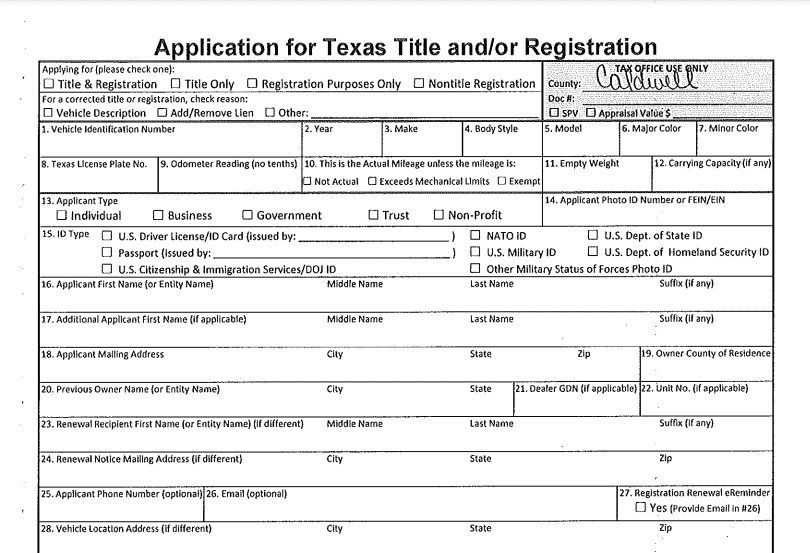
Renewing your vehicle registration in Texas is a mandatory annual requirement designed to ensure all vehicles on the road are properly insured and have passed necessary safety inspections. The process is overseen by the Texas Department of Motor Vehicles (TxDMV) and, for many, is conveniently handled through local county tax assessor-collector offices. Understanding the timeline, required documents, and available renewal methods will help you avoid late fees and potential penalties, allowing you to focus on planning your next excursion, perhaps to the historic Alamo in San Antonio or a scenic drive through the Texas Hill Country.
Understanding the Renewal Process
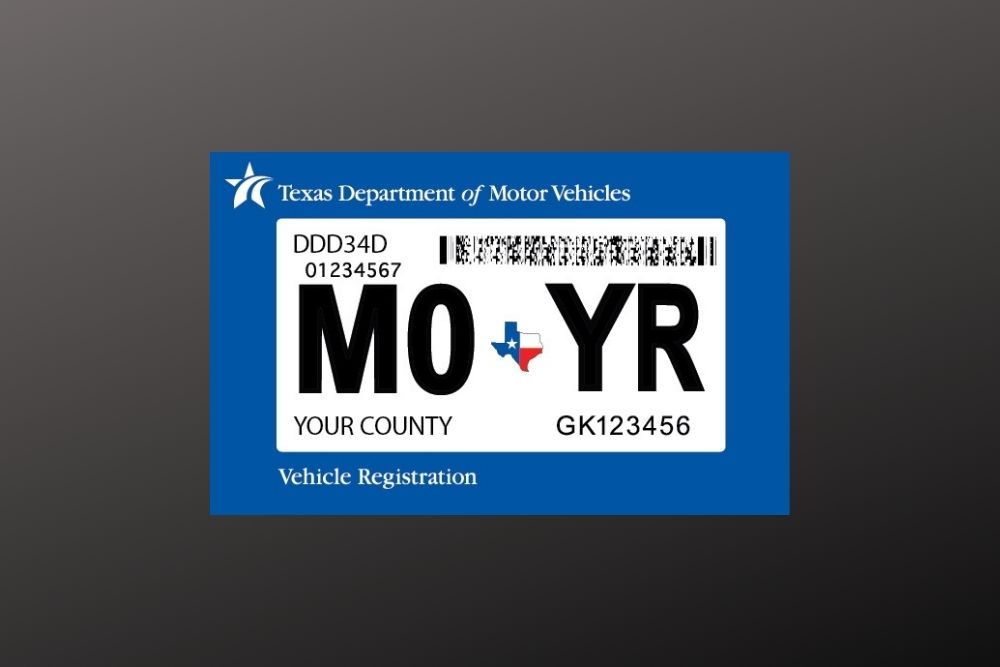
The Texas vehicle registration renewal is typically a straightforward process, but it’s essential to be aware of the key components and timelines involved. Your vehicle registration is valid for a period of 12 months, usually coinciding with your birth month. You will receive a renewal notice by mail from the TxDMV approximately 60 days before your registration expires. This notice is a helpful reminder, but it’s your responsibility to ensure renewal is completed on time, even if the notice doesn’t arrive.
Key Deadlines and Requirements
The expiration date of your current registration is clearly printed on your registration certificate and sticker. It is crucial to mark this date on your calendar. Penalties for expired registration can include fines, and driving an unregistered vehicle can lead to your vehicle being impounded.
Before you can renew your registration, you must meet two primary requirements:
- Vehicle Inspection: In most Texas counties, your vehicle must pass a vehicle safety inspection and, for vehicles manufactured in 1996 or newer, an emissions test. This inspection is conducted by licensed Texas facilities. Once your vehicle passes, the inspection station electronically transmits the passing results to the TxDMV. You will need a valid inspection certificate (also known as a “sticker” for older vehicles) or proof of passing the inspection to renew your registration. Some counties are exempt from emissions testing, so check with your local authorities if you are unsure.
- Proof of Insurance: Texas law requires all drivers to maintain financial responsibility for their vehicles, typically demonstrated through liability insurance. You must have at least the minimum required coverage. When renewing your registration, you’ll need to provide proof of current Texas liability insurance. The insurance information is usually electronically verified, but having your insurance card handy is always a good idea.
Texas has implemented a two-year registration period for certain types of vehicles, including passenger cars and light trucks, to simplify the renewal process and reduce administrative burdens. If your vehicle is eligible, you may have the option to renew for one or two years. Opting for a two-year renewal can save you time and potentially a small amount on fees over the longer term. Always check your renewal notice or consult with your county tax assessor-collector’s office to determine your vehicle’s eligibility for a two-year registration.
Information Needed for Renewal
To successfully renew your Texas vehicle registration, you will generally need the following information:
- Renewal Notice or Current Registration Certificate: This document contains your license plate number and Vehicle Identification Number (VIN), which are essential for identifying your vehicle in the state system.
- Proof of Passing Vehicle Inspection: The inspection station should provide you with a receipt or sticker. The electronic record is key.
- Proof of Current Texas Liability Insurance: While often verified electronically, it’s wise to have your insurance policy details available.
- Payment: Be prepared to pay the required renewal fees, which vary based on vehicle type and county.
Methods of Renewal
The TxDMV offers several convenient ways to renew your vehicle registration in Texas, catering to different preferences and needs. Understanding these options will help you choose the most efficient method for your situation, whether you’re residing in the bustling streets of Houston or enjoying the tranquility of a small Texas town.
Online Renewal
The most popular and often the quickest method is online renewal. The official Texas Department of Motor Vehicles website provides a secure portal for renewing your registration.
To renew online, you will typically need:
- Your license plate number.
- Your VIN.
- A valid credit card or debit card for payment.
- Your vehicle’s passing inspection information (which should be electronically transmitted).
After completing the online renewal and payment, you will receive your new registration sticker by mail within a few weeks. This method is ideal for those who prefer to handle tasks from the comfort of their home, perhaps after a productive day exploring the Dallas Arts District or visiting the Fort Worth Stockyards.
Renewal by Mail
If you prefer a traditional approach or cannot renew online, you can also renew your registration by mail. Your renewal notice will typically include a mail-in form.
To renew by mail:
- Complete the renewal form accurately.
- Include a check or money order for the renewal fees.
- Mail the form and payment to the address specified on your renewal notice.
It’s advisable to mail your renewal at least two to three weeks before your expiration date to ensure timely processing and receipt of your new registration sticker. This method can be a good option if you’re planning a vacation and want to get ahead of your administrative tasks before heading to a resort in the Texas Gulf Coast.
In-Person Renewal
For those who prefer face-to-face interaction or need immediate assistance, renewing in person at your local county tax assessor-collector’s office is always an option. These offices are strategically located throughout Texas to serve its residents.
When renewing in person, be sure to bring:
- Your renewal notice or current registration certificate.
- Proof of a valid vehicle inspection.
- Proof of current Texas liability insurance.
- A valid form of payment.
The staff at the tax assessor-collector’s office can assist you with any questions and will provide your new registration sticker on the spot, allowing you to get back on the road immediately. This can be particularly convenient if you’re in the process of moving to a new Texas city or visiting family and need to get your registration up-to-date.
Troubleshooting and Additional Information
While the Texas vehicle registration renewal process is generally smooth, occasional issues can arise. Being aware of these common concerns and knowing where to find additional help can save you time and frustration.
What if I Lose My Renewal Notice?
Losing your renewal notice is not a reason to worry. You can obtain a renewal notice by visiting the TxDMV website or by contacting your county tax assessor-collector’s office. You can also renew your registration without the notice by providing your license plate number and VIN.
What if My Vehicle Fails Inspection?
If your vehicle fails its safety or emissions inspection, you will need to have the necessary repairs made. Once the repairs are completed, you must have your vehicle re-inspected. Only after passing the inspection can you proceed with renewing your registration. Many stations offer a grace period for re-inspection after initial failure without incurring a full re-inspection fee.
What are the Fees?
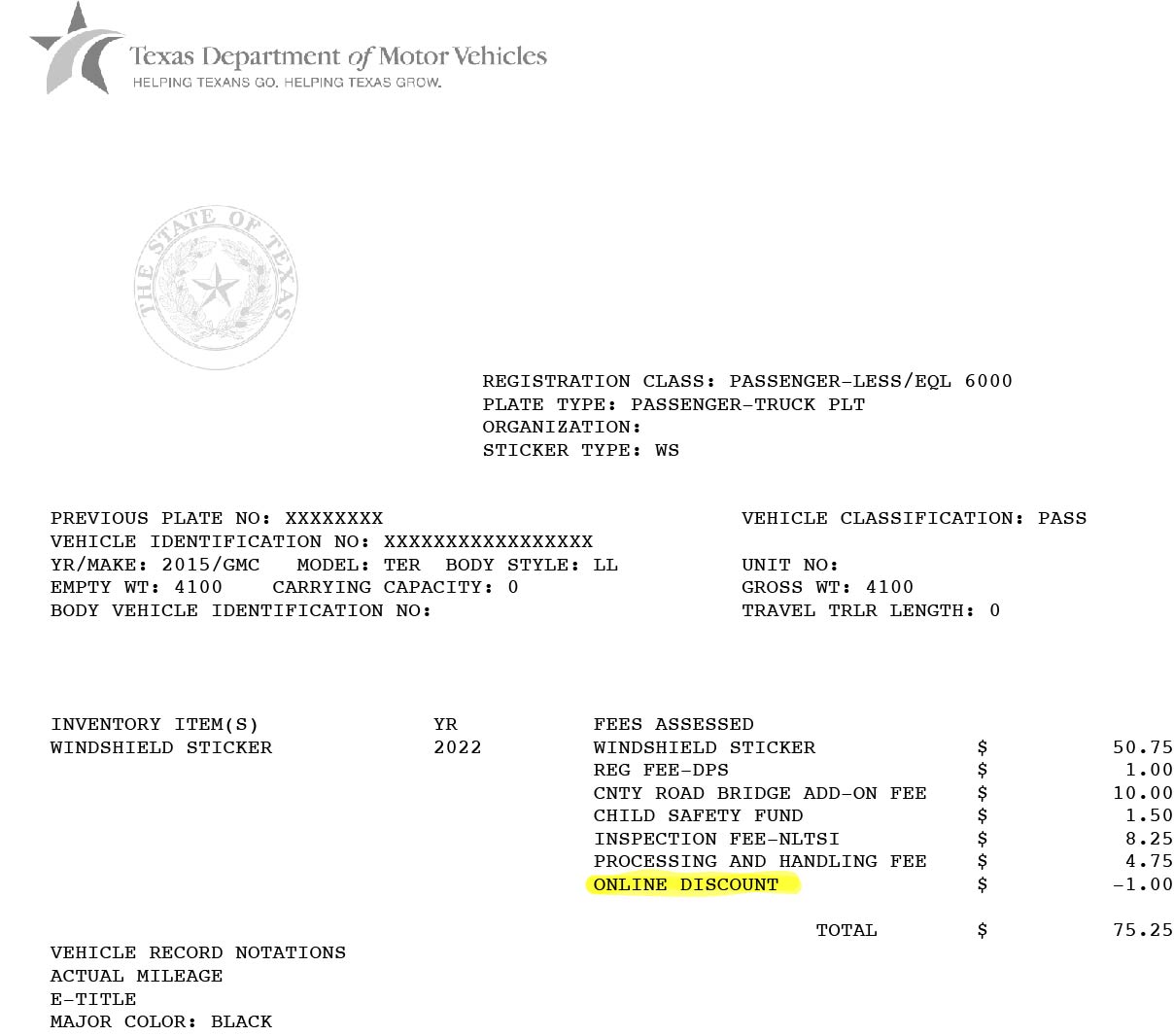
The cost of renewing your vehicle registration varies depending on the type of vehicle and the county in which it is registered. These fees help fund state and local transportation projects, including road maintenance and improvements that benefit all travelers, from those frequenting the Big Bend National Park to city commuters. Your renewal notice will clearly state the exact fees due. You can also typically find fee schedules on your county tax assessor-collector’s website or the TxDMV website.
For New Texas Residents
If you are new to Texas and have recently moved your vehicle into the state, you will need to register your vehicle with the TxDMV. This process includes obtaining Texas license plates and registering your vehicle within 30 days of establishing residency. You will also need to obtain a Texas driver’s license and have your vehicle pass a Texas State Vehicle Inspection. After these initial steps, you will follow the regular annual renewal process outlined above. Ensuring your vehicle is properly registered is just as important as finding the perfect accommodation for your extended stay in a new city, like Austin.
The Texas Department of Motor Vehicles is dedicated to making the vehicle registration renewal process as efficient as possible. By understanding the requirements and utilizing the available renewal methods, you can ensure your vehicle remains legally compliant and ready for all the explorations and experiences that the great state of Texas has to offer, from its bustling urban centers to its wide-open natural landscapes.
LifeOutOfTheBox is a participant in the Amazon Services LLC Associates Program, an affiliate advertising program designed to provide a means for sites to earn advertising fees by advertising and linking to Amazon.com. Amazon, the Amazon logo, AmazonSupply, and the AmazonSupply logo are trademarks of Amazon.com, Inc. or its affiliates. As an Amazon Associate we earn affiliate commissions from qualifying purchases.