
For many, the allure of Colorado is undeniable. From the majestic peaks of the Rocky Mountains to the vibrant urban centers of Denver and Boulder, the state offers a unique blend of outdoor adventure, cultural richness, and economic opportunity. Whether you’re considering a permanent move, exploring remote work opportunities, planning your retirement, or simply weighing the financial implications of a long-term stay, understanding Colorado’s tax landscape is a critical component of informed lifestyle planning. Unlike many states with progressive income tax systems, Colorado stands out with a distinct approach that simplifies the tax equation for its residents. This comprehensive guide will demystify Colorado’s income tax rate, exploring its structure, implications for various lifestyles, and other essential tax considerations for anyone looking to embrace life in this stunning western state.
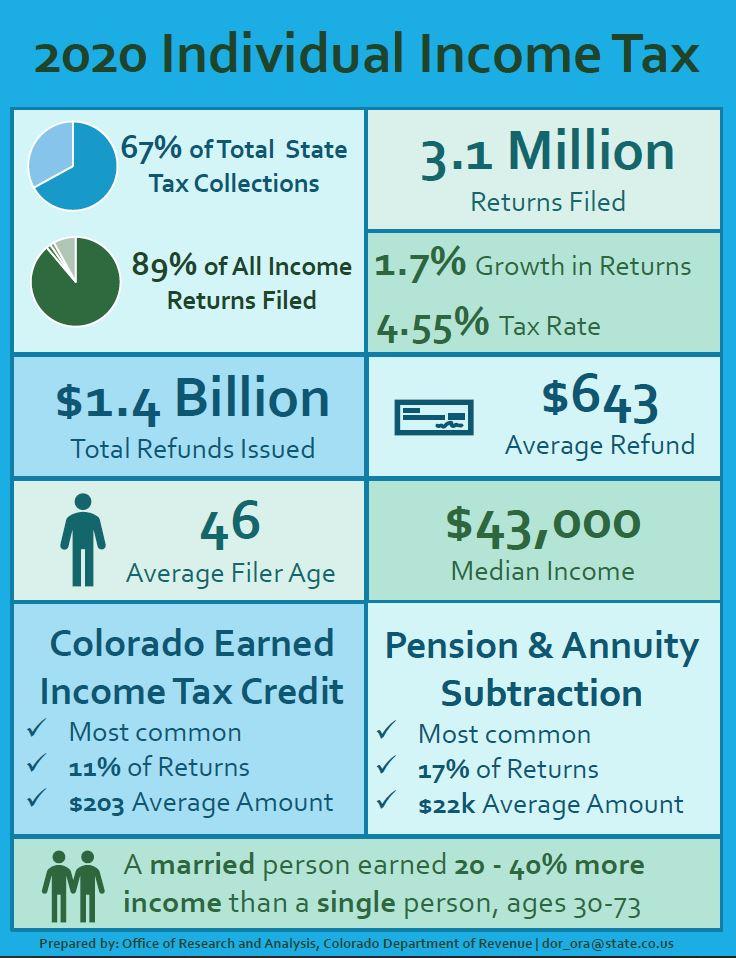
Unpacking Colorado’s Flat Income Tax System
At the heart of Colorado’s tax policy is its commitment to a flat income tax rate. This approach sets it apart from the majority of U.S. states that employ a graduated or progressive tax system, where higher earners pay a larger percentage of their income in taxes. For individuals and businesses alike, this simplicity is often cited as a significant advantage, fostering a predictable and transparent financial environment.
The Current Rate and Its Implications
As of the most recent legislative adjustments, Colorado levies a flat income tax rate. This means that whether you earn $50,000 or $500,000 annually, the same percentage of your taxable income is paid to the state. This flat rate is applied to your federal adjusted gross income (AGI) after certain state-specific deductions and exemptions. The consistency of this rate provides a clear picture for financial planning, making it easier to estimate your state tax liability regardless of income fluctuations. For example, a high-earning professional contemplating a move to Denver from a state with a high progressive tax rate might find Colorado’s flat rate appealing, as it could result in a lower overall tax burden compared to their previous residence. Conversely, those with very low incomes might find less relief than in a progressive system with generous lower-bracket breaks. However, the absence of complicated brackets and marginal rates simplifies tax preparation and provides a straightforward calculation for everyone.
Who Pays Colorado Income Tax?
Understanding residency is paramount to determining your Colorado income tax obligations. Generally, if you are a resident of Colorado for the entire tax year, all of your income, regardless of where it was earned, is subject to Colorado income tax. A resident is typically defined as someone who is domiciled in Colorado or maintains a permanent place of abode in the state and spends more than six months of the tax year there.
Non-residents, on the other hand, are only subject to Colorado income tax on income derived from Colorado sources. This could include wages earned from a Colorado-based employer, income from rental properties located within the state, or earnings from a business conducted in Colorado. For digital nomads or those with split-year residency, the rules can become complex, requiring careful documentation of domicile and days spent in the state to avoid double taxation or unintended liabilities. It’s crucial to consult Colorado tax guidelines or a professional if your residency status is not straightforward.
Historical Context and Legislative Stability
Colorado’s flat tax rate has largely been a stable fixture of its fiscal policy for many years. While the exact percentage has seen minor adjustments over time, often driven by voter initiatives or economic conditions, the fundamental structure of a flat income tax has remained consistent. This stability is often viewed favorably by businesses and individuals seeking long-term financial predictability. The state’s TABOR (Taxpayer’s Bill of Rights) amendment, approved by voters in 1992, also plays a significant role in shaping Colorado’s tax policy. TABOR requires voter approval for any tax rate increase and limits the growth of state and local government revenues. This commitment to fiscal restraint further underscores the stability seen in Colorado’s tax rates, making it a reliable factor in lifestyle and financial planning.
Beyond the Flat Rate: Other Tax Considerations for Colorado Living
While the income tax rate is a major piece of the financial puzzle, it’s not the only tax that impacts the cost of living and lifestyle choices in Colorado. A holistic view requires understanding sales, property, and other specialized taxes that contribute to the overall tax burden.
Sales Tax
Colorado has a state sales tax rate, but the effective rate you pay can vary significantly depending on your specific location. This is because many cities and counties impose their own additional sales taxes, and special districts (like transportation or cultural districts) may add even more. For example, the combined sales tax rate in Denver will be higher than in a smaller, rural county. This variability means that your spending power on goods and services, which directly impacts your day-to-day lifestyle, can differ based on whether you live in Colorado Springs, Boulder, or a less populated area. When budgeting for your Colorado lifestyle, it’s crucial to look up the combined sales tax rate for your intended locality, as it will affect everything from groceries (for certain items) to clothing, car purchases, and dining out.
Property Tax
For homeowners, property taxes are another significant financial consideration. Colorado generally has one of the lowest residential property tax rates in the nation, which can be a considerable advantage for those looking to purchase a home. However, it’s important to remember that property taxes are calculated based on the assessed value of your home, and home values in desirable areas like Denver, Boulder, and ski towns can be quite high. This means that while the rate is low, a high home value can still result in a substantial property tax bill. Understanding how property is assessed and how mill levies are applied in different counties is vital for anyone considering homeownership as part of their Colorado lifestyle plan. Lower property taxes can free up more disposable income, enhancing the overall affordability of living in Colorado compared to other high-cost-of-living states.
Special Deductions and Credits

Beyond the basic flat rate, Colorado offers various deductions and credits that can reduce your overall tax liability, particularly beneficial for certain demographic groups or those engaged in specific activities. For example, seniors may qualify for a pension or annuity subtraction, reducing the taxable portion of their retirement income. There are also credits for childcare expenses, earned income, and even specific energy-efficient home improvements, aligning with Colorado’s commitment to sustainability and family support. These provisions can significantly impact the effective tax rate for eligible taxpayers, making it worthwhile to explore what state-specific benefits you might qualify for, further tailoring your financial plan to your unique Colorado lifestyle.
Lifestyle Choices and Your Tax Burden in the Centennial State
Colorado’s tax structure interacts uniquely with various lifestyle choices, from where and how you work to how you plan for retirement. Understanding these interactions is key to maximizing your financial well-being in the state.
Remote Work and Digital Nomads
The rise of remote work has made Colorado an attractive destination for digital nomads and professionals seeking a better work-life balance amidst stunning natural beauty. For these individuals, Colorado’s flat income tax can be a straightforward proposition. If you establish Colorado residency, your worldwide income will be taxed at the state’s flat rate. The simplicity of this system can be a relief compared to navigating complex multi-state tax rules for remote workers who frequently move. However, understanding the nuances of establishing domicile versus simply renting a temporary space is critical to avoid tax pitfalls. Colorado’s tax department has specific guidelines on what constitutes residency, which often includes factors like voter registration, driver’s license, and the location of your primary bank accounts. For a digital nomad, the appeal of Colorado’s lifestyle is often its outdoor access, from hiking in the Front Range to skiing in the Western Slope, and the clear tax structure supports financial planning around these pursuits.
Retirement in Colorado
Colorado is a popular retirement destination, drawing seniors with its mild climate, abundant recreational opportunities, and access to excellent healthcare facilities. The state offers some tax advantages for retirees that can make the flat income tax rate even more palatable. As mentioned, there is a pension/annuity subtraction that allows eligible individuals to subtract a portion of their qualified retirement income from their taxable income. This applies to income from sources like private and public pensions, annuities, and IRA distributions. Social Security benefits, for instance, are generally exempt from Colorado income tax, offering significant relief for many seniors. These provisions are designed to make Colorado a financially viable option for retirees, ensuring that more of their hard-earned retirement savings can be used to enjoy the state’s vibrant lifestyle.
Entrepreneurship and Small Business
For entrepreneurs and small business owners, Colorado’s flat income tax rate extends to business income that passes through to individual owners (e.g., sole proprietorships, partnerships, S-corporations). This means business profits are also subject to the same predictable flat rate, which can simplify financial forecasting and reduce the administrative burden compared to states with complex corporate tax structures or varying individual income tax brackets. This predictability, combined with a generally pro-business environment, makes Colorado an attractive state for starting and growing a business. The straightforward tax system allows entrepreneurs to focus more on innovation and growth rather than navigating convoluted tax codes, directly impacting their business lifestyle.
Financial Planning Tips for Prospective Colorado Residents
Making the move to Colorado or settling into a long-term lifestyle requires careful financial planning. Understanding the tax environment is just one piece, but it’s a foundational one.
Budgeting for the Cost of Living
While Colorado’s income tax is straightforward, the overall cost of living, particularly in metropolitan areas like Denver and Boulder, can be higher than the national average. Housing costs, in particular, can be a significant expense. When planning your budget, factor in not just your income tax liability but also sales tax on purchases, property taxes if you plan to buy, and other everyday expenses. Utilize online cost-of-living calculators specific to different Colorado cities to get a realistic picture. A clear understanding of your tax obligations allows for more accurate budgeting, ensuring your dream Colorado lifestyle is financially sustainable.
Seeking Professional Advice
Tax laws, even flat-rate ones, can have nuances, especially concerning residency, multi-state income, or complex financial portfolios. For personalized guidance, particularly if you have unique income streams, are a business owner, or are transitioning residency, consulting with a qualified tax professional specializing in Colorado tax law is highly recommended. A professional can help you navigate deductions, credits, and filing requirements to optimize your tax situation and ensure compliance, giving you peace of mind as you embrace your Colorado lifestyle.
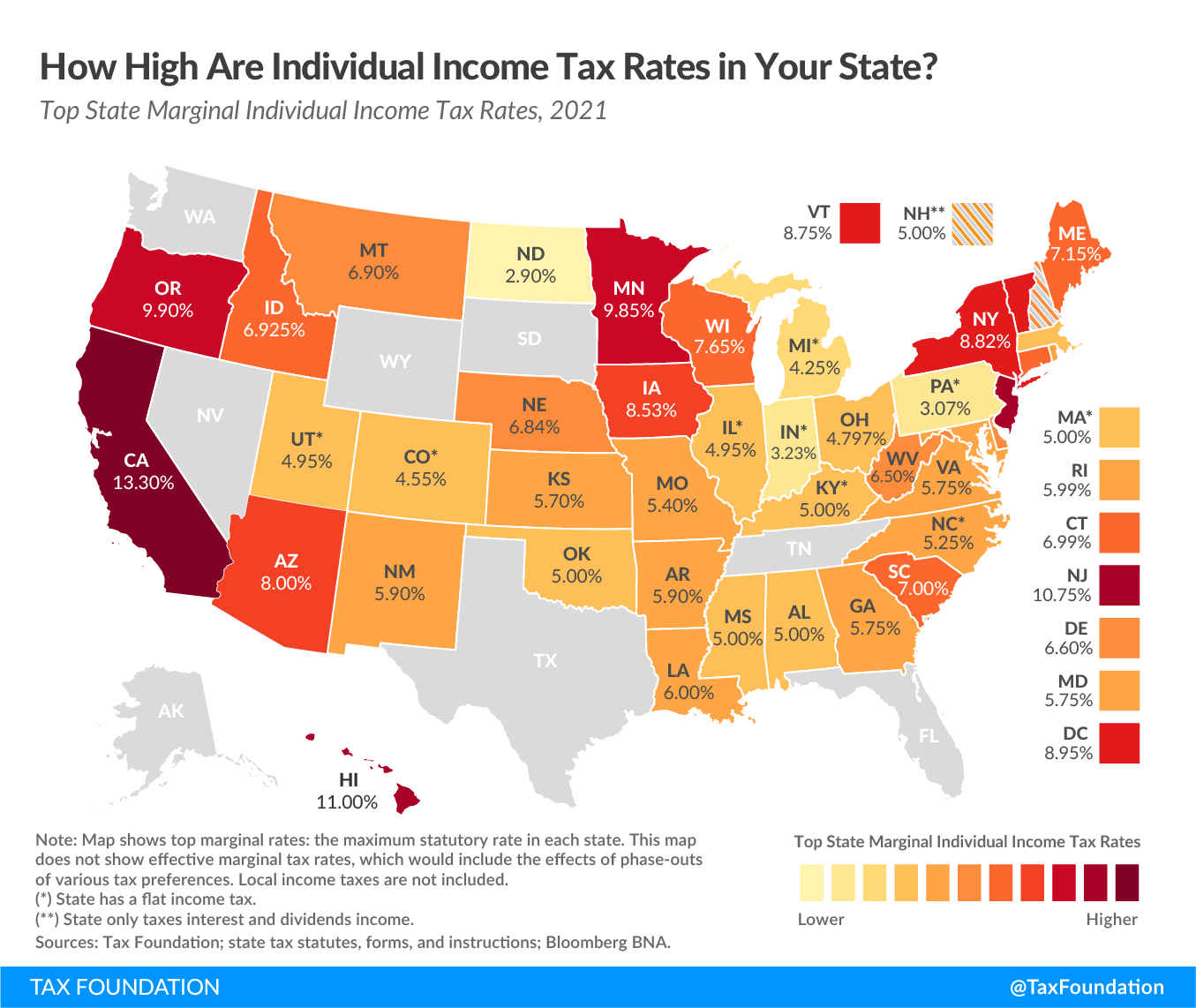
Understanding Local Nuances
Remember that while the state income tax is flat, local taxes and regulations can vary. Property tax rates are set at the county level, and sales tax varies significantly by city. There might also be local occupational taxes or fees in certain municipalities. Before committing to a specific location within Colorado, research the complete local tax picture to fully understand how your financial commitments will change. These local nuances can make a tangible difference in your overall cost of living and impact your lifestyle choices, from where you decide to live to where you shop and dine.
In conclusion, Colorado’s flat income tax rate offers a predictable and generally simpler tax environment compared to many other states. However, a comprehensive understanding of sales tax, property tax, and state-specific deductions and credits is essential for anyone considering making Colorado their home or extended base. By carefully planning and seeking expert advice where necessary, you can confidently navigate the financial landscape and fully embrace the vibrant and active lifestyle that the Centennial State has to offer.
LifeOutOfTheBox is a participant in the Amazon Services LLC Associates Program, an affiliate advertising program designed to provide a means for sites to earn advertising fees by advertising and linking to Amazon.com. Amazon, the Amazon logo, AmazonSupply, and the AmazonSupply logo are trademarks of Amazon.com, Inc. or its affiliates. As an Amazon Associate we earn affiliate commissions from qualifying purchases.