
California, often romanticized as the Golden State, a land of endless opportunity, innovation, and sunshine, has long been a magnet for dreamers and doers. From its sprawling tech hubs in Silicon Valley to its vibrant cultural scenes in Los Angeles and San Francisco, the state has traditionally symbolized a pinnacle of the American lifestyle. However, in recent years, a narrative of exodus has begun to overshadow this golden allure. A growing number of residents are making the profound lifestyle decision to pack up their lives and seek new horizons outside California’s borders. This isn’t just about a change of scenery; it’s a re-evaluation of priorities, a search for a more sustainable and fulfilling way of life that, for many, has become increasingly elusive within the state. Understanding how many people have left California, and more importantly, why from a lifestyle perspective, offers critical insights into broader societal and economic shifts, both within the state and across the nation.

The decision to relocate from a place as iconic and influential as California is rarely made lightly. It often represents a culmination of complex factors, ranging from economic pressures to quality-of-life considerations, all of which deeply impact an individual’s or family’s chosen lifestyle. This article delves into the statistics of this significant demographic shift, exploring the key lifestyle drivers that compel individuals to leave, the emerging destinations offering alternative ways of living, and the long-term implications for both California and the broader lifestyle landscape of America.
Unpacking California’s Demographic Shift
The narrative of Californians leaving the state is supported by compelling data, painting a clear picture of a significant demographic realignment. This movement represents more than just statistics; it reflects a collective reassessment of lifestyle values and the pursuit of different opportunities elsewhere.
The Numbers Game: Quantifying the Exodus
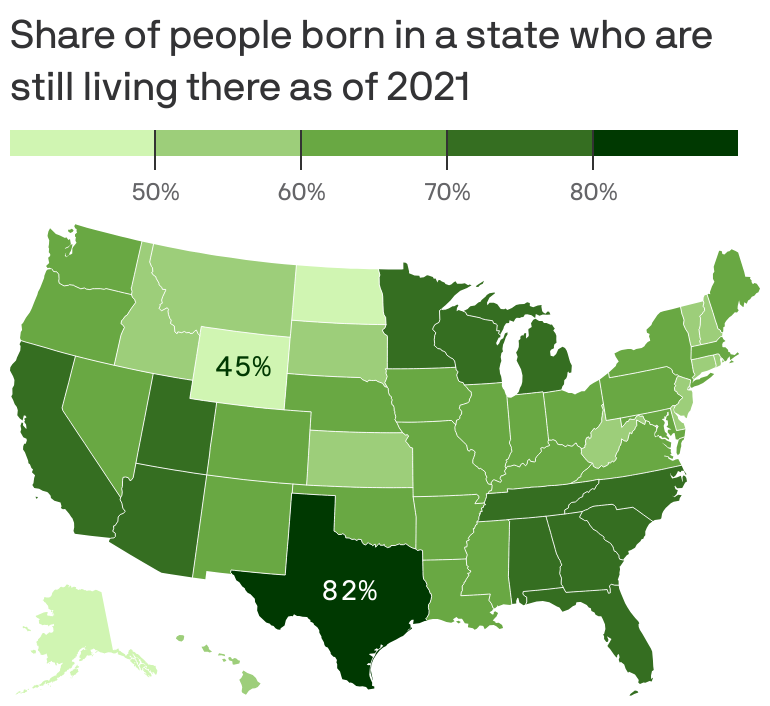
Recent data from the US Census Bureau and the California Department of Finance clearly indicate a sustained trend of outmigration. While California continues to experience some population growth due to international immigration and births, it has seen a net loss of residents to other states for several consecutive years. For example, between 2020 and 2022, California saw a net domestic migration loss of over half a million people. In 2021 alone, more than 360,000 people moved out of the state than moved in from other parts of the U.S. This isn’t a fleeting trend; it’s a consistent pattern reflecting deep-seated lifestyle dissatisfactions and economic pressures.
The numbers reveal that the magnitude of this exodus is substantial enough to impact California’s overall population figures and its long-term demographic trajectory. This loss is not uniform across all demographics, suggesting specific lifestyle segments are more prone to relocating. It represents a significant repositioning of individuals and families seeking a different kind of life, one that they perceive as more attainable and rewarding outside the Golden State.
Beyond the Statistics: Who is Leaving and Why?
The profile of those leaving California is diverse but often points to specific groups making pivotal lifestyle decisions. Young families are frequently cited, struggling with the high cost of living and seeking better educational opportunities or safer environments for their children. Young professionals, while initially drawn by the promise of lucrative careers, often find the exorbitant housing costs and competitive environment make establishing a stable lifestyle challenging. Retirees, looking to stretch their fixed incomes further and enjoy a more relaxed pace of life, also contribute significantly to the outflow.
The reasons for their departure are multifaceted, yet consistently revolve around lifestyle aspirations. High on the list is the prohibitive cost of living, particularly housing. The dream of homeownership, a cornerstone of the American lifestyle, remains out of reach for many in California, pushing them to seek affordability elsewhere. Beyond finances, the desire for a different quality of life plays a crucial role. Concerns about traffic congestion, crowded public spaces, and the general pace of life in major metropolitan areas often lead to a yearning for more space, less stress, and a stronger sense of community – elements that many feel are increasingly difficult to find in California. These are not merely economic decisions; they are profound lifestyle choices driven by a desire for greater well-being and a more attainable sense of the American Dream.
The Lifestyle Drivers Behind the Departure
The decision to leave a place as iconic as California is rarely singular; it’s typically a confluence of factors, each contributing to a compelling argument for a different way of life. These drivers collectively shape the lifestyle choices individuals and families make, pushing them towards new geographies.
The High Cost of California Living
Perhaps the most potent driver of outmigration is the astronomical cost of living in California. Housing, in particular, stands out as an insurmountable barrier for many. The median home price in many parts of the state far exceeds the national average, making homeownership an unattainable dream for a vast segment of the population. Even renting consumes a disproportionately large portion of income, leaving little room for savings or discretionary spending. This financial strain directly impacts lifestyle choices, forcing compromises on everything from family planning to leisure activities and retirement savings. High state and local taxes, coupled with rising utility costs and everyday expenses like groceries and gasoline, further erode purchasing power, making a comfortable lifestyle increasingly difficult to maintain. For many, the financial burden simply outweighs the benefits of living in California, prompting a search for greater financial freedom and a more comfortable daily existence elsewhere.
Seeking a Different Pace: Quality of Life Considerations
Beyond the financial calculus, a significant portion of the exodus is driven by a desire for an improved quality of life. The fast-paced, often congested lifestyle of California’s major urban centers can be taxing. Traffic, a daily reality for millions, steals precious hours from personal and family time. Urban sprawl and density can lead to a feeling of disconnect, despite a dense population. Many Californians express a longing for simpler living, more open spaces, cleaner air, and a greater sense of community that they feel has eroded in their current locales. The dream of a backyard, a quiet neighborhood, or easy access to nature without hours of driving becomes a powerful motivator. This search for a different “pace of life” is a fundamental lifestyle choice, prioritizing mental well-being, community engagement, and a less stressful daily routine over the perceived glamour or career opportunities that California might offer.
Remote Work’s Role in Lifestyle Freedom

The COVID-19 pandemic dramatically accelerated the trend of remote work, becoming a pivotal factor in empowering individuals to make significant lifestyle changes. No longer tethered to a physical office in Silicon Valley or Downtown Los Angeles, many professionals realized they could maintain their high-paying jobs while living in more affordable areas with a higher quality of life. This newfound geographic flexibility has been a game-changer, decoupling career aspirations from the necessity of residing in expensive urban centers. For many, remote work unlocked the possibility of buying a home, spending more time with family, or pursuing hobbies that were impractical in their previous Californian lifestyles. It has given individuals the freedom to design a life that aligns more closely with their values, rather than being dictated by their commute or rent payments, effectively empowering a “work-from-anywhere” lifestyle that California’s high costs had previously inhibited.
Emerging Destinations and New Lifestyles
As Californians depart, they are not just leaving a state; they are actively seeking and establishing new lifestyles in various parts of the country. These emerging destinations offer a compelling mix of affordability, community, and quality of life that contrasts sharply with the challenges faced in California.
Popular States for California Ex-Pats
Several states have consistently emerged as top destinations for those leaving California, each offering distinct lifestyle advantages. Texas, particularly cities like Austin and Dallas, attracts with its robust job market, lower cost of living, and no state income tax. Ex-Californians find that their money goes significantly further, allowing for larger homes and a more expansive lifestyle. Arizona, especially the Phoenix metropolitan area, offers a warmer climate, growing economy, and relatively affordable housing, appealing to both families and retirees seeking sunshine and a relaxed pace. Nevada, with its proximity to California and tax benefits, has become a popular choice for those looking for a similar desert climate and a more budget-friendly existence, often maintaining ties with their former state.
Further north, Idaho and Oregon have drawn those seeking a stronger connection to nature, a slower pace of life, and a sense of community often found in smaller cities like Boise or Bend. The appeal here is often tied to outdoor lifestyle opportunities, from hiking and skiing to a thriving craft food and beverage scene, all at a fraction of California’s cost. Similarly, Florida continues to be a magnet for retirees and those seeking a warm, no-income-tax environment, offering a distinct coastal or community-oriented lifestyle. These states aren’t just attracting new residents; they are shaping new lifestyle narratives, built on accessibility, affordability, and a renewed focus on community and personal well-being.
Redefining “The American Dream” Outside California
For many who leave California, the relocation is fundamentally about redefining their version of “The American Dream.” What was once synonymous with California’s innovation and luxury has shifted towards a more practical, sustainable vision. This redefined dream often includes affordable homeownership, allowing families to build equity and secure a financial future without crippling mortgage payments. It embraces a lifestyle where a single income can comfortably support a family, and disposable income allows for savings, travel, or investment in personal passions.
The pursuit of community is also a significant aspect of this redefinition. Many ex-Californians seek neighborhoods where children can play freely, neighbors know each other, and local events foster a sense of belonging. The emphasis shifts from striving for material wealth in an intense, competitive environment to cultivating a rich, fulfilling personal life with ample time for family, hobbies, and civic engagement. This represents a pivot from the aspirational, often high-stress lifestyle associated with California to one that prioritizes balance, accessibility, and a grounded sense of security and belonging. This new American Dream is less about the glitz and glamour, and more about achieving genuine contentment and stability in a place where one feels they can truly thrive.
Implications for California and the Lifestyle Landscape
The sustained exodus of residents from California carries significant implications, not only for the Golden State itself but also for the broader national landscape of lifestyle trends and economic development. This demographic shift reshapes communities, alters economies, and challenges long-held perceptions of desirability.
Economic and Social Impacts on the Golden State
The departure of a large number of residents has tangible economic and social consequences for California. Economically, a net outmigration can lead to a phenomenon known as “brain drain,” where highly educated and skilled workers, particularly in tech and other high-value industries, take their talents and entrepreneurial spirit to other states. This can stifle innovation, reduce the state’s tax base, and ultimately impact economic growth. Property values, while still high in many areas, could face downward pressure in the long term, affecting local government revenues that rely on property taxes. The loss of consumers also affects local businesses, from small shops to service providers, leading to slower economic activity in some sectors.
Socially, the demographics of those leaving and those remaining can alter the social fabric of California. If younger families and professionals are disproportionately leaving, it could lead to an aging population and a different mix of community needs and priorities. Schools may see declining enrollments, and a decrease in volunteerism or civic engagement could impact community vitality. The state might become even more stratified, with a smaller, wealthier population dominating, further exacerbating issues of inequality and access to resources for those who choose, or are forced, to remain. The vibrant, diverse lifestyle that California has long been celebrated for could undergo fundamental shifts as its population dynamics change.
Adapting to Change: California’s Future Lifestyle Trajectory
In response to these challenges, California faces a critical juncture in adapting its policies and strategies to retain residents and continue attracting talent. The state’s future lifestyle trajectory will depend heavily on its ability to address the core issues driving outmigration. This includes implementing more aggressive housing affordability initiatives, potentially through zoning reform, increased construction, and innovative financing models to make homeownership and renting more accessible. Investing in infrastructure to alleviate traffic congestion and improve public transit could enhance the daily quality of life for millions.
Furthermore, California must continue to leverage its strengths: its unparalleled natural beauty, world-class universities, and enduring innovative spirit. Efforts to diversify its economy beyond tech, support small businesses, and create a more equitable distribution of opportunities across different regions could help foster a more inclusive and appealing lifestyle for a broader range of residents. The focus must shift from simply attracting wealth to creating a sustainable, high-quality lifestyle that is attainable for a middle-class family, a young professional, or a retiree. This involves a commitment to addressing environmental challenges, improving public services, and fostering a sense of community that resonates with the evolving aspirations of its populace. The Golden State’s ability to remain golden, in terms of attracting and retaining residents, will ultimately depend on its willingness to evolve and redefine the California dream for a new generation, one where a desirable lifestyle isn’t just a luxury but an achievable reality for many.
The phenomenon of people leaving California is more than just a statistical blip; it is a profound reflection of evolving lifestyle priorities across America. It highlights a collective search for a balance between career opportunities, financial stability, and a high quality of life—a balance that many feel California, despite its many attractions, is struggling to provide. As individuals and families vote with their feet, they are not only reshaping the demographics of California but also contributing to the vibrant growth and redefinition of the “American Dream” in new communities across the nation.
LifeOutOfTheBox is a participant in the Amazon Services LLC Associates Program, an affiliate advertising program designed to provide a means for sites to earn advertising fees by advertising and linking to Amazon.com. Amazon, the Amazon logo, AmazonSupply, and the AmazonSupply logo are trademarks of Amazon.com, Inc. or its affiliates. As an Amazon Associate we earn affiliate commissions from qualifying purchases.