
Vail, Colorado stands as a beacon for mountain enthusiasts worldwide, renowned for its expansive ski terrain, picturesque village, and breathtaking alpine scenery. At the heart of its identity and allure is its remarkable elevation, a defining natural characteristic that shapes everything from its climate and ecosystems to its history and the very experience of its visitors. The base elevation of Vail Village, the central hub of this iconic resort town, sits at approximately 8,120 feet (2,475 meters) above sea level. This impressive altitude is not just a number; it is the fundamental landmark that dictates the unique world-class qualities Vail offers, embedding it firmly in the high-altitude landscape of the Rocky Mountains.
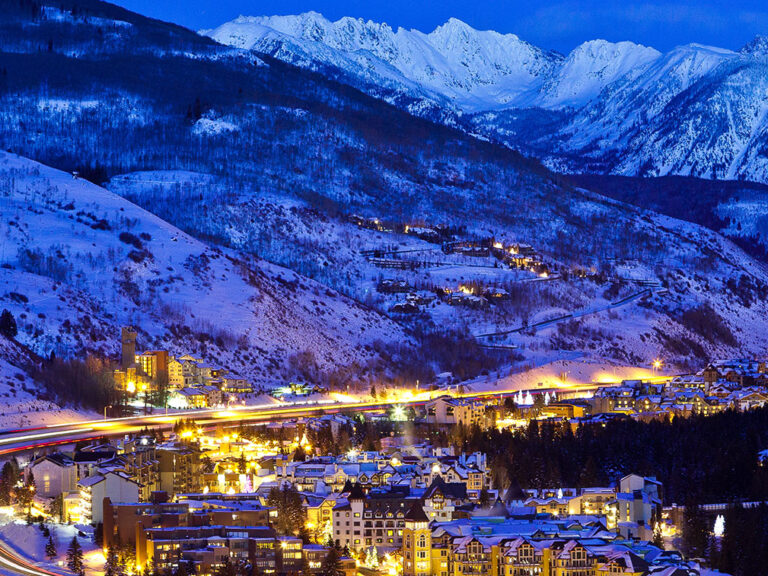
This elevation is a key player in crafting Vail’s legendary deep snow, crisp mountain air, and the panoramic vistas that stretch across vast wilderness. Understanding Vail’s elevation is crucial to appreciating its environmental distinctiveness, planning a visit, and recognizing its place as one of the world’s premier mountain destinations. It is a landmark not built by human hands, but sculpted by millennia of geological forces, offering a profound connection to the raw power and beauty of nature.
The Lofty Heights of Vail Village and Beyond
The town of Vail is nestled in the Eagle River Valley, but its ski resort sprawls across the vast slopes of the Gore Range, reaching significantly higher elevations that define its unparalleled winter sports experience.
Pinpointing Vail’s Base Elevation
As mentioned, the base of Vail Village, where the main gondolas and pedestrian areas are situated, measures approximately 8,120 feet (2,475 meters) above sea level. This is the starting point for most visitors, providing immediate immersion into a high-alpine environment. Even at this elevation, the air is noticeably thinner, and the climate distinct from lower-lying regions. This base elevation is thoughtfully designed to offer convenient access to the slopes while integrating seamlessly with the town’s luxurious amenities and vibrant atmosphere. The layout and architecture of Vail are intrinsically linked to this elevation, with buildings constructed to withstand heavy snow loads and infrastructure designed to function efficiently in cold, high-altitude conditions.
The Surrounding Peaks and Ski Terrain
While Vail Village provides the entry point, the true scope of Vail’s elevation becomes apparent when ascending its mountainsides. The summit of Vail Mountain reaches a staggering 11,570 feet (3,527 meters). This substantial vertical rise of over 3,400 feet (1,050 meters) offers an incredible diversity of terrain and microclimates. Intermediate points like Mid-Vail sit at around 10,200 feet (3,109 meters), and the iconic Blue Sky Basin, famous for its powder stashes and backcountry feel, hovers around 10,700 feet (3,261 meters) to 11,300 feet (3,444 meters). These varying elevations provide different snow conditions, tree lines, and panoramic views, ensuring an engaging experience for skiers and snowboarders of all levels. Beyond the resort boundaries, the peaks of the Gore Range extend even higher, with some reaching over 13,000 feet (3,962 meters), forming a dramatic natural backdrop that frames the entire valley.
A Rocky Mountain Context
Vail’s impressive elevation is a direct consequence of its location within the central Rocky Mountains, a majestic mountain range that stretches over 3,000 miles (4,800 kilometers) from British Columbia in Canada to New Mexico in the United States. These mountains were formed by immense tectonic forces over tens of millions of years, as continental plates collided and uplifted the Earth’s crust. This geological history created the rugged, high-altitude landscape characterized by sharp peaks, deep valleys, and extensive plateaus that define much of Colorado. Vail sits within this grandeur, its mountains a testament to the powerful, enduring processes that shaped the North American continent. The elevation is not merely a feature; it is an intrinsic part of the geological narrative of this incredible region.
The Profound Impact of High Altitude on Vail’s Environment
The elevation of Vail is not merely a geographical fact; it fundamentally dictates the environmental conditions that make it such a unique and cherished landmark.
Climate and Weather Patterns
High altitude has a profound effect on Vail’s climate. Temperatures generally decrease with elevation, meaning Vail experiences colder winters and cooler summers compared to towns at lower altitudes. This helps preserve snowpack and offers a refreshing escape from lowland heat during warmer months. Precipitation patterns are also influenced; mountain ranges act as natural barriers, forcing moist air upwards, where it cools and condenses, leading to significant snowfall in winter. Vail’s high elevation ensures it receives abundant, dry, and fluffy snow, often referred to as “champagne powder,” which is ideal for skiing. Furthermore, UV radiation is more intense at higher elevations due to less atmospheric filtering, a critical factor for visitors to consider. The air is also much drier, which contributes to the rapid evaporation of moisture, impacting both the environment and human physiology.
Unique Alpine Ecosystems
The altitude creates distinct alpine ecosystems around Vail. Below the treeline (typically around 11,000 to 11,500 feet in Colorado), dense forests of lodgepole pine, subalpine fir, and Englemann spruce thrive. As elevation increases, these forests thin out, giving way to krummholz (stunted, wind-swept trees) before transitioning into the harsh yet beautiful alpine tundra above the treeline. This tundra environment is characterized by low-growing grasses, wildflowers, and hardy sedges, adapted to extreme cold, high winds, and a short growing season. This diverse flora supports a variety of fauna, including elk, deer, bighorn sheep, marmots, pikas, and various raptors, all specially adapted to survive and flourish in this challenging, elevated landscape. The preservation of these natural habitats is paramount to Vail’s identity as a wilderness landmark.
Snowfall and Ski Conditions
Perhaps the most celebrated impact of Vail’s elevation is on its snowfall. The combination of cold temperatures, moisture-laden air currents, and its position within the Rocky Mountains results in an average annual snowfall that frequently exceeds 300 inches (760 cm). This consistent and abundant snow, often light and dry due to the cold temperatures, is the foundation of Vail’s reputation as a premier ski destination. The varying elevations across the ski resort ensure that different areas hold snow differently, offering diverse conditions and extended seasons. The sheer volume and quality of snow are arguably Vail’s most famous natural landmark feature, drawing millions of visitors seeking the ultimate winter sports experience.
Elevation’s Role in Shaping Vail’s History and Identity
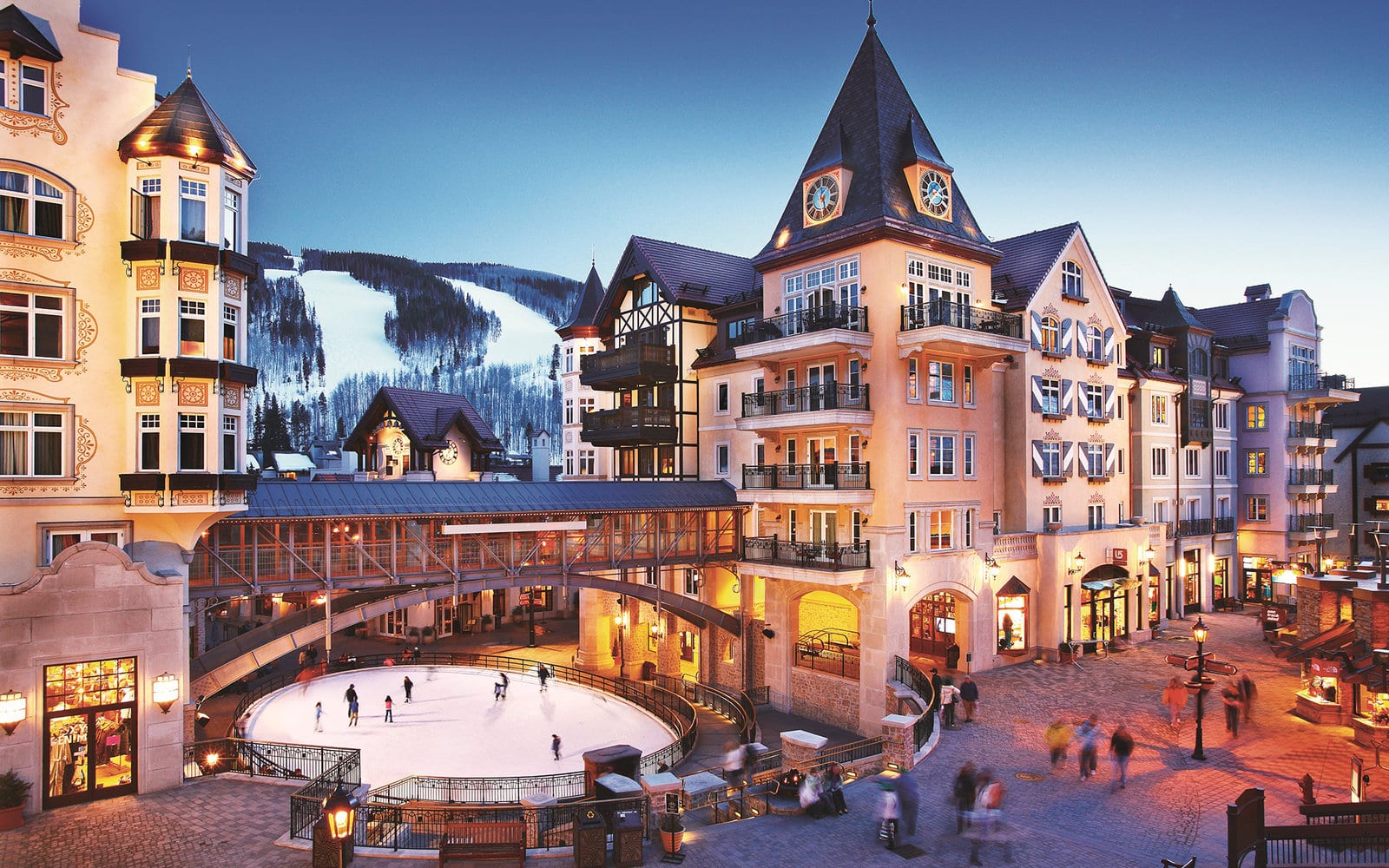
The elevation that defines Vail today was both a formidable challenge and the ultimate opportunity that shaped its very existence and its enduring identity.
From Mining Outpost to World-Class Resort
Before it was a world-class ski resort, the area around Vail was traversed by prospectors and a remote sheep ranching area, its high altitude making it challenging for extensive settlement. The visionaries who founded Vail in the early 1960s, notably Pete Seibert, a veteran of the 10th Mountain Division, recognized the immense potential of its snow-laden slopes. They saw beyond the logistical difficulties of building a resort at such a height and instead focused on the extraordinary natural asset it presented. The development of Vail was an ambitious undertaking, transforming a rugged mountain landscape into a sophisticated resort town, directly leveraging its elevation for unparalleled skiing and breathtaking scenery. Its history is, therefore, intrinsically linked to conquering and utilizing its high-altitude environment.
A Landmark Defined by its Altitude
Today, Vail is synonymous with luxury, adventure, and the quintessential alpine resort experience. Its elevation is not just a feature but a core component of its brand and allure. The promise of “America’s #1 Ski Resort” is built on the foundation of consistent, high-quality snow, which is a direct consequence of its lofty position. The sense of being “on top of the world” while gazing across the Gore Range from the Back Bowls or Blue Sky Basin is an integral part of the Vail experience. Its high altitude contributes to a distinct mountain culture, where outdoor pursuits and a connection to nature are paramount. As a landmark, Vail represents the successful integration of human endeavor with a dramatic, high-altitude natural setting.
Engineering and Infrastructure Challenges
Building and maintaining a town and resort at Vail’s elevation has presented ongoing engineering and infrastructure challenges. From constructing roads and utilities that can withstand extreme cold and heavy snow to designing buildings that are energy-efficient and structurally sound, every aspect of development has been influenced by its high-altitude environment. The extensive network of chairlifts and gondolas, designed to transport thousands of people up and down the mountain daily, are marvels of engineering adapted to the steep, often icy, terrain. Water and sewage systems must cope with freezing temperatures, and power lines contend with snow and wind. These challenges underscore the monumental effort required to create and sustain such a thriving landmark in a demanding natural setting.
Navigating the High-Altitude Experience for Visitors
For visitors to Vail, understanding and respecting its elevation is key to a safe, enjoyable, and memorable experience.
Acclimatization and Health Considerations
Upon arrival at 8,120 feet (2,475 meters) in Vail Village, many individuals may experience symptoms of altitude sickness, which can include headaches, nausea, dizziness, and shortness of breath. This is due to the lower atmospheric pressure and reduced oxygen availability at higher elevations. It is crucial for visitors to acclimatize slowly, stay well-hydrated, avoid excessive alcohol and caffeine, and listen to their bodies. Taking it easy on the first day, perhaps exploring the village rather than immediately hitting the slopes, is a common recommendation. While most symptoms are mild and resolve with acclimatization, severe cases require medical attention. Awareness of these physiological impacts is an essential part of visiting any high-altitude landmark.
Enhancing Outdoor Activities
The elevation of Vail significantly enhances the thrill and challenge of its outdoor activities. Skiing and snowboarding on dry, high-altitude powder are unparalleled. In the warmer months, hiking the numerous trails, such as those leading to the Booth Falls or through the Eagles Nest Wilderness, offers strenuous exercise rewarded by spectacular views. Mountain biking down rugged terrain also becomes an exhilarating experience, often starting from elevations well above 10,000 feet. The thinner air means that even activities that might seem moderate at sea level require more effort, adding a layer of achievement to every adventure undertaken in this elevated landscape.
The Panoramic Vistas
Perhaps the most universally appreciated aspect of Vail’s elevation is the incredible panoramic vistas it affords. From the top of Vail Mountain, the views stretch across the vast expanse of the Gore Range and beyond, encompassing countless peaks, alpine valleys, and pristine wilderness. These views are transformative, offering a sense of perspective and grandeur that is truly unforgettable. Whether bathed in the golden light of sunrise, sparkling under a blanket of fresh snow, or vibrant with summer wildflowers, the landscapes shaped by Vail’s elevation are a landmark unto themselves, inspiring awe and wonder in all who behold them.
Comparing Vail’s Elevation to Other Notable Destinations
Understanding Vail’s elevation is further enhanced by comparing it to other high-altitude towns and resorts, both within Colorado and globally, cementing its status as a prominent landmark.
Colorado’s High-Altitude Landscape
Colorado is famous for its “fourteeners” (peaks over 14,000 feet) and a multitude of high-altitude towns. Vail’s base elevation of 8,120 feet is comparable to, or slightly lower than, some of its renowned neighbors. For example, Breckenridge’s base sits higher at approximately 9,600 feet (2,926 meters), while Aspen is at about 7,908 feet (2,410 meters). Telluride is also high, at 8,750 feet (2,667 meters). This comparison highlights that while Vail is significantly high, it is part of a larger network of elevated communities in Colorado, all contributing to the state’s identity as a mountain haven. However, Vail’s particular combination of base elevation, vast ski terrain reaching to 11,570 feet, and expansive back bowls makes its overall high-altitude footprint exceptionally significant.
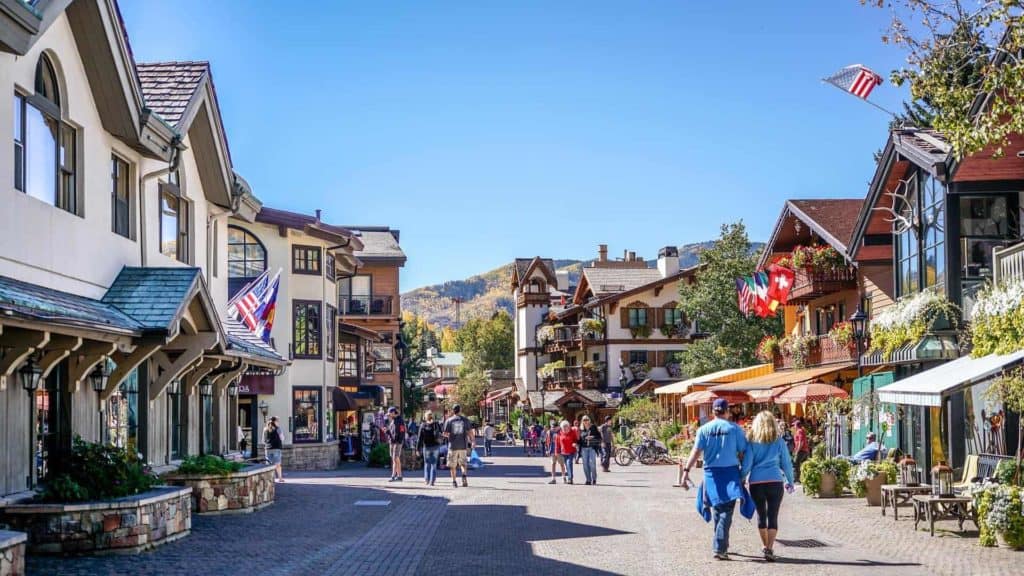
Global Alpine Context
Globally, Vail’s elevation places it among the ranks of prominent high-altitude resorts and towns. Many famous resorts in the European Alps operate at similar or even higher base elevations. For instance, Zermatt, Switzerland, is around 5,315 feet (1,620 meters), but its highest ski lifts reach over 12,700 feet (3,883 meters). Val Thorens, France, holds the distinction of being Europe’s highest ski resort, with its village at 7,546 feet (2,300 meters) and lifts ascending much higher. While not the absolute highest, Vail’s substantial base elevation combined with its impressive vertical rise means it firmly stands as a significant high-altitude landmark on the world stage, offering a truly elevated experience that is recognized and sought after by adventurers and luxury travelers alike. Its elevation is not merely a topographical detail; it is the cornerstone of its identity as a truly iconic alpine destination.
LifeOutOfTheBox is a participant in the Amazon Services LLC Associates Program, an affiliate advertising program designed to provide a means for sites to earn advertising fees by advertising and linking to Amazon.com. Amazon, the Amazon logo, AmazonSupply, and the AmazonSupply logo are trademarks of Amazon.com, Inc. or its affiliates. As an Amazon Associate we earn affiliate commissions from qualifying purchases.