
The year 2012 marked a monumental shift not just for the state of Colorado but for the entire concept of cannabis policy within the United States. On November 6, 2012, Colorado voters approved Amendment 64, a ballot initiative that legalized recreational cannabis for adults 21 and older. While the vote made cannabis legal, the practical reality for consumers and tourists began on January 1, 2014, when the first licensed recreational dispensaries opened their doors. This pivotal moment transformed Colorado into a unique tourist destination, drawing visitors interested in exploring its new cannabis culture, activities, and local insights. The move sparked a “green rush” that reshaped local economies, created new tourism sectors, and positioned Colorado as a trailblazer in regulated cannabis tourism.

A Pivotal Moment for Colorado Tourism: The Legalization Journey
The journey to legal recreational cannabis in Colorado was the culmination of decades of advocacy and evolving public opinion. Its impact on the state’s tourism sector has been profound, creating a unique appeal for many visitors.
A Brief History of Colorado’s Cannabis Reform
Prior to 2012, Colorado had already established itself as a leader in medical marijuana, having legalized it in 2000. This laid much of the groundwork for the transition to recreational use. Amendment 64, spearheaded by groups like the Marijuana Policy Project, sought to extend this legality to adults for non-medical purposes. The initiative proposed to regulate cannabis much like alcohol, allowing for cultivation, manufacture, sale, and possession of limited amounts by adults aged 21 and over.
On election day in November 2012, Colorado voters overwhelmingly approved Amendment 64 with 55% of the vote. This made Colorado and Washington the first two states in the United States to legalize recreational cannabis. While the passage was immediate, the implementation required significant legislative and regulatory efforts. The state government, local municipalities, and the newly formed Cannabis Business Office worked tirelessly to establish a comprehensive regulatory framework. This included licensing procedures for growers, manufacturers, and retailers, as well as rules for packaging, labeling, testing, and taxation.
The true opening of the recreational cannabis market occurred on January 1, 2014. On that historic day, numerous licensed dispensaries across Colorado, particularly in Denver, opened their doors to recreational customers, marking the official birth of a new economic and cultural phenomenon. This landmark event immediately put Colorado on the global map as a destination where cannabis could be legally purchased and consumed, drawing immediate interest from tourists worldwide.
From Illicit to Industry: The Birth of a New Tourist Attraction
The legalization of cannabis transformed it from a forbidden substance into a regulated industry, and by extension, a novel component of Colorado’s tourism appeal. What was once clandestine became an open, albeit regulated, market, giving rise to unique local experiences and services tailored for visitors. This shift created an entirely new sector within Colorado’s robust tourism economy.
Tourists, previously drawn to Colorado for its pristine Rocky Mountains, skiing, hiking, and craft beer scene, now had an additional, distinctive reason to visit. Dispensaries, once hidden, became legitimate storefronts, often designed with sophisticated aesthetics, providing a welcoming and informative environment for consumers. This industry brought new jobs, generated substantial tax revenue for the state, and fostered innovation in product development, from traditional flower to edibles, concentrates, and topicals. For tourists, this meant access to a diverse range of products and an opportunity to engage with cannabis in a way previously unimaginable in other parts of the world. The narrative shifted from stigmatization to education and exploration, making cannabis an integral, albeit carefully managed, part of the Colorado experience.
Navigating the Green Rush: What Tourists Need to Know
For tourists planning a trip to Colorado, understanding the local cannabis laws and how to responsibly engage with the industry is crucial for an enjoyable and lawful visit.
Understanding Colorado’s Cannabis Laws for Visitors
While cannabis is legal in Colorado, it’s important to remember that it remains federally illegal in the United States. This creates a complex legal landscape that visitors must navigate carefully. The fundamental rule is that only individuals 21 years of age or older with a valid government-issued ID can purchase or consume recreational cannabis.
Purchase Limits: Non-residents can purchase up to 7 grams (1/4 ounce) of cannabis flower or its equivalent in concentrates or edibles (e.g., 800mg of edibles) per transaction. It’s important for tourists to be aware of these limits and not attempt to exceed them.
Where Consumption is Allowed/Prohibited: This is perhaps the most critical aspect for tourists. Public consumption of cannabis is strictly prohibited. This includes sidewalks, parks, ski slopes, public transportation, and federal land (such as national parks and forests). The legal place to consume cannabis is typically on private property with the owner’s permission. Many hotels and accommodations still prohibit cannabis use, so it’s essential to check policies beforehand. The emergence of licensed consumption lounges, though limited, offers a legal public space for consumption in some areas.
Driving Under the Influence: Driving while impaired by cannabis is illegal and carries severe penalties, similar to those for alcohol impairment. Visitors should never consume cannabis and then drive. Use ride-sharing services, taxis, or public transport.
Transportation Rules: It is illegal to transport cannabis across state lines, even if traveling to another state where cannabis is legal (e.g., from Colorado to California). Flying with cannabis is also illegal due to federal regulations, even within Colorado’s airspace. When driving, cannabis must be in a sealed container and out of reach of the driver, ideally in the trunk.
Where to Find Legal Cannabis: Dispensaries and Product Variety
For tourists looking to explore Colorado’s cannabis offerings, licensed dispensaries are the exclusive legal outlets. These establishments are easily identifiable by their often-discreet but official signage and typically require ID verification at the entrance.
Finding a Dispensary: Many major cities like Denver, Boulder, and Aspen have numerous dispensaries. Online search engines and cannabis-specific apps can help visitors locate the nearest licensed establishment. It’s always advisable to choose a reputable dispensary with knowledgeable staff who can guide first-time users.
Product Variety: Colorado’s cannabis market is incredibly diverse. Visitors can find:
- Flower: The traditional form of cannabis, available in various strains with different cannabinoid and terpene profiles.
- Edibles: Cannabis-infused food and beverages (gummies, chocolates, cookies, drinks). These are precisely dosed, making them popular. A crucial tip for edibles is “start low, go slow,” as their effects can be delayed and more intense. Typical doses for beginners are 2.5-5mg of THC.
- Concentrates: Highly potent products like wax, shatter, oils, and live resin, often consumed through vaping or dabbing. These are generally recommended for experienced users due to their high THC content.
- Topicals: Cannabis-infused lotions, balms, and patches designed for localized relief without psychoactive effects, often used for pain or inflammation.
Dispensary staff (known as “budtenders”) are typically well-trained and can provide personalized recommendations based on a visitor’s experience level and desired effects. Asking questions is encouraged to ensure a safe and enjoyable experience.
Experiencing Cannabis Culture: Activities and Attractions
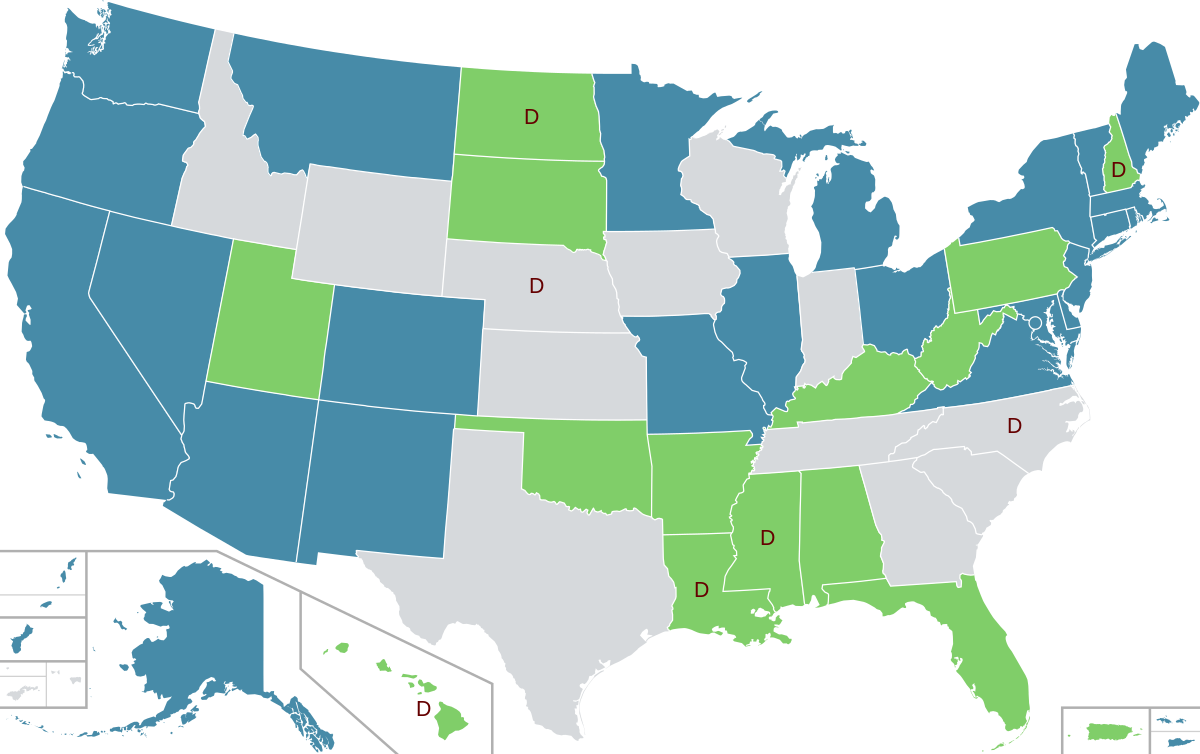
Beyond simply purchasing products, Colorado offers a nascent but growing range of cannabis-related tourism activities and unique accommodation options, allowing visitors to immerse themselves in the local cannabis culture.
Cannabis Tours and Experiences
For those interested in learning more about the cannabis plant and industry, Colorado has developed specialized tours and experiences. These are designed to be informative, engaging, and provide a behind-the-scenes look at the “green rush.”
- Dispensary Tours: Many tour operators offer guided visits to multiple dispensaries, providing insights into the different types of products, the purchasing process, and the history of cannabis in Colorado. These tours often include transportation and allow visitors to shop responsibly.
- Grow Facility Tours: Some licensed cultivators open their doors for tours, showcasing the cultivation process from seed to harvest. Visitors can learn about different growing techniques, plant genetics, and the science behind cannabis production. These tours offer a fascinating look at the agricultural side of the industry.
- Cannabis Cooking Classes: For culinary enthusiasts, some establishments offer cooking classes where participants learn to infuse cannabis into various dishes safely and effectively. These classes often emphasize proper dosing and responsible consumption practices.
- Puff, Pass & Paint: Creative workshops that combine cannabis consumption with art, allowing participants to relax, socialize, and express themselves in a cannabis-friendly environment. Similar experiences include cannabis-infused yoga or pottery classes.
- Cannabis-Friendly Transportation: Several services offer chauffeured tours in limousines or party buses, allowing guests to consume cannabis safely while traveling between dispensaries, grow facilities, or other attractions. This is a popular option given the restrictions on public consumption and driving under the influence.
These activities provide a structured and often educational way for tourists to engage with Colorado’s cannabis scene, moving beyond mere retail transactions to a deeper cultural immersion.
Cannabis-Friendly Accommodation and Events
Finding cannabis-friendly accommodation can be a challenge due to federal restrictions and individual property policies. However, a niche market has emerged to cater to cannabis tourists.
- Private Rentals: Platforms like Airbnb and specialized cannabis-friendly rental sites offer private homes or rooms where cannabis consumption is permitted. It’s crucial for visitors to filter for “cannabis-friendly” properties and confirm the specific rules with the host before booking.
- Boutique Hotels and Inns: A small number of boutique hotels and bed & breakfasts in Colorado explicitly market themselves as cannabis-friendly, often offering designated consumption areas (e.g., outdoor patios or balconies) or even vaporizers for guest use. These establishments cater to an adult clientele seeking a more permissive environment.
- Consumption Lounges: While still relatively new and limited in number, some cities like Denver and Colorado Springs have seen the opening of licensed cannabis consumption lounges. These venues provide a legal, social space for visitors to consume cannabis on-site, similar to how one might visit a bar for alcohol. They often feature comfortable seating, ventilation systems, and sometimes offer food, beverages, and entertainment.
- Cannabis Events: Throughout the year, Colorado hosts various cannabis-related events, from trade shows and industry conferences to festivals and local gatherings celebrating cannabis culture. These events provide opportunities for tourists to experience the community aspect of legalization and interact with growers, entrepreneurs, and enthusiasts.
As the industry matures, the availability of these dedicated spaces and events is likely to grow, further solidifying cannabis as an integrated part of Colorado’s diverse tourism offerings.
Beyond the Buzz: The Broader Impact on Colorado’s Tourism Landscape
The legalization of cannabis in Colorado has brought about more than just new products and activities; it has fundamentally altered parts of the state’s economic and cultural fabric, significantly contributing to its overall tourism landscape.
Economic Contributions and Local Development
One of the most tangible impacts of cannabis legalization on Colorado’s tourism sector is the substantial economic boost. Tax revenues from cannabis sales have been significant, with a portion often earmarked for public services, including school construction, transportation infrastructure, and public health initiatives. This directly benefits the infrastructure that supports tourism.
The cannabis industry has also created thousands of jobs, ranging from cultivation and processing to retail and tourism-focused services. This job creation strengthens local economies and provides opportunities for residents. Furthermore, the “cannabis tourism” segment itself has stimulated growth in ancillary businesses, such as specialized transportation services, cannabis-friendly lodging, and tour operators, all contributing to a more diversified and resilient tourism economy. The influx of visitors specifically interested in cannabis has led to increased hotel bookings, restaurant patronage, and general spending within local communities, augmenting the traditional tourism revenue streams.
Integrating Cannabis into the Colorado Experience
While cannabis has undeniably become a draw, it has largely integrated into Colorado’s existing tourism identity rather than overshadowing it. Visitors continue to flock to the state for its world-class skiing, hiking in the Rocky Mountains, vibrant craft beer scene, and cultural attractions in cities like Denver. Cannabis is often seen as an additional amenity or experience that complements these traditional offerings.
Many tourists enjoy a day on the slopes or a scenic hike, followed by a visit to a dispensary or a relaxed evening enjoying an edible. The key for [Colorado](https://lifeoutofthebox.com/colorado] has been to promote responsible integration, ensuring that cannabis consumption is seen as an adult activity to be enjoyed discreetly and respectfully, alongside other recreational pursuits. This balanced approach ensures that the state appeals to a broad spectrum of travelers, from adventure seekers to those curious about regulated cannabis. The local culture has adapted to this new reality, largely viewing cannabis as another regulated product, much like alcohol, fostering a more open and less stigmatized environment.
Responsible Tourism: Tips for an Enjoyable and Lawful Visit
To ensure a positive experience, tourists engaging with [Colorado](https://lifeoutofthebox.com/colorado]’s cannabis scene must prioritize responsibility and awareness.
Respecting Local Norms and Public Safety
For any tourist, respecting local laws and cultural norms is paramount. While cannabis is legal, public consumption is not, and discretion is highly valued. Visitors should aim to be as discreet as possible, avoiding overt displays of cannabis use. It’s important to remember that not all [Colorado](https://lifeoutofthebox.com/colorado] residents embrace cannabis, and respecting varied opinions contributes to a harmonious visitor experience. Public safety is also a major concern; never drive under the influence of cannabis. Planning transportation ahead of time, especially after consumption, is a crucial tip. Being mindful of your surroundings and the impact of your actions helps maintain a positive perception of cannabis tourism.
Health and Wellness Considerations
For those new to cannabis, starting with a very low dose and waiting to understand its effects is essential. Edibles, in particular, can have delayed and more potent impacts compared to smoking. “Start low, go slow” is a mantra for a reason. Understand that cannabis affects everyone differently, and combining it with alcohol or other substances can amplify effects in unpredictable ways. If you have any health conditions or are on medication, it’s advisable to consult a healthcare professional before consuming cannabis. Reputable dispensaries will have knowledgeable staff to provide guidance, but personal responsibility for one’s health and safety ultimately lies with the individual.

Conclusion
The legalization of recreational cannabis in Colorado on January 1, 2014, following the passage of Amendment 64 in November 2012, heralded a new era for the state’s tourism landscape. This groundbreaking decision transformed Colorado into a unique and compelling destination for a diverse array of travelers. From understanding the nuanced legal framework to exploring the burgeoning cannabis industry through tours and specialized accommodations, Colorado offers an unparalleled opportunity to engage with regulated cannabis culture. The economic benefits and integration into the broader Colorado experience underscore the success of this pioneering venture. By prioritizing responsible consumption, respecting local laws and norms, and embracing the educational aspects of this evolving industry, visitors can ensure an insightful, enjoyable, and truly unique tourism experience in the Centennial State.
LifeOutOfTheBox is a participant in the Amazon Services LLC Associates Program, an affiliate advertising program designed to provide a means for sites to earn advertising fees by advertising and linking to Amazon.com. Amazon, the Amazon logo, AmazonSupply, and the AmazonSupply logo are trademarks of Amazon.com, Inc. or its affiliates. As an Amazon Associate we earn affiliate commissions from qualifying purchases.