
For residents and businesses across the scenic landscapes of Colorado, understanding the nuances of tax season is more than just a civic duty; it’s a fundamental aspect of financial planning that significantly influences individual lifestyles and the operational rhythm of local enterprises. Whether you’re planning a luxurious ski trip to Aspen, budgeting for a family adventure in the Rocky Mountains, or managing a vibrant small business in Denver‘s bustling urban core, the timing of tax return acceptance can shape critical financial decisions. This article delves into when Colorado typically begins accepting tax returns and, more importantly, explores how this annual event interweaves with and impacts the diverse lifestyles of those who call the Centennial State home or choose it as a destination for business and leisure.
Navigating Colorado’s Tax Season: A Lifestyle Perspective
The tax season in Colorado generally mirrors the federal schedule set by the IRS, with specific state-level considerations. The opening of the filing window marks the official start for taxpayers to submit their income tax returns, a moment that prompts many to reflect on their financial year and plan for the one ahead. This period is not merely about compliance; it’s a strategic window for individuals to optimize their finances, potentially unlocking funds for lifestyle enhancements, and for businesses to review their fiscal health.
Key Dates for Individual Filers in the Centennial State
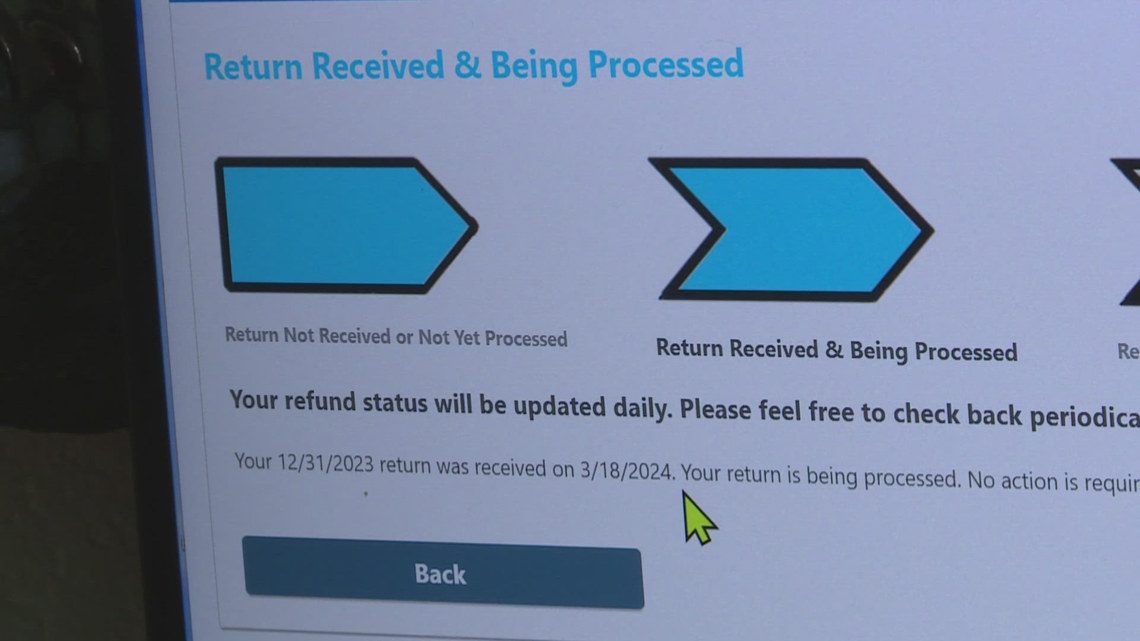
Typically, the Colorado Department of Revenue (CDOR) begins accepting state income tax returns in late January, aligning closely with the IRS’s opening date for federal returns. For instance, in recent years, the filing window has opened around January 29th. This synchronicity is beneficial for many, allowing them to prepare and file both federal and state returns concurrently. The standard deadline for filing Colorado state income tax returns, like federal returns, is April 15th. If this date falls on a weekend or holiday, the deadline shifts to the next business day.
Understanding these key dates is paramount for effective lifestyle management. Early filers, particularly those anticipating a refund, can receive their funds sooner, enabling them to make timely decisions about how to allocate these resources. For some, an early refund might mean funding a spontaneous weekend getaway to a mountain town like Telluride or Breckenridge, or perhaps investing in new outdoor gear to fully embrace Colorado’s active lifestyle. For others, it might be an opportunity to reduce debt or bolster savings, contributing to long-term financial security.
Understanding the Colorado State Income Tax
Colorado maintains a flat income tax rate, which simplifies calculations for many residents. Currently, this rate is 4.40%, applied to federal taxable income with some state-specific modifications. While seemingly straightforward, understanding deductions, credits, and potential exemptions can significantly impact one’s final tax liability or refund. For instance, Colorado offers specific credits that can benefit families, seniors, or those engaging in certain types of investments or charitable giving, indirectly influencing their disposable income and lifestyle choices. Knowing these intricacies helps individuals plan their spending, savings, and investments throughout the year, ensuring they maximize their financial well-being within the vibrant Colorado economy.
Financial Planning and the Colorado Lifestyle
Tax season is more than a mere administrative exercise; it’s a pivotal moment for financial introspection and strategic planning that profoundly impacts the Colorado lifestyle. From funding exhilarating adventures to fortifying the foundations of local businesses, the careful management of tax returns plays a significant role in shaping personal and entrepreneurial journeys across the state.
Leveraging Tax Refunds for Colorado Adventures (Budget & Luxury Travel)
For many Colorado residents, a tax refund represents a welcome influx of cash that can be strategically deployed to enhance their lifestyle. This could manifest in various forms, bridging the gap between aspirational experiences and tangible realities. On the luxury end, a substantial refund might finance an exclusive retreat to a five-star resort in Vail or a gourmet culinary tour through Boulder‘s renowned farm-to-table restaurants. It could also facilitate the purchase of high-end outdoor equipment, from premium ski gear to state-of-the-art mountain bikes, allowing enthusiasts to fully immerse themselves in Colorado’s world-class recreational opportunities.
Conversely, for those embracing a budget-conscious lifestyle, a refund can unlock equally enriching, albeit more fiscally prudent, experiences. This might involve planning a series of camping trips in one of Colorado’s breathtaking national parks, exploring the vibrant street art and cultural scene in Denver on a shoestring budget, or taking a scenic road trip through the San Juan Mountains, staying at charming, affordable lodges. The flexibility afforded by a tax refund empowers individuals to curate their ideal Colorado lifestyle, whether it leans towards lavish indulgence or resourceful exploration. Understanding when these funds become available allows for meticulous planning, perhaps securing early bird discounts on travel or booking coveted accommodations before they’re fully reserved.
Strategic Planning for Colorado Businesses and Entrepreneurs (Business Stays/Operations)
The timing of tax season is equally critical for the myriad businesses and entrepreneurs that form the backbone of Colorado’s diverse economy, especially those in the hospitality, tourism, and lifestyle sectors. For these entities, tax planning is an integral part of their operational strategy. Businesses that operate on thin margins, such as independent coffee shops in Fort Collins or boutique hotels in Colorado Springs, rely heavily on accurate financial forecasting and timely tax management.
Tax refunds for businesses, or carefully managed tax liabilities, can provide crucial capital for reinvestment. This might include upgrading facilities to enhance guest experiences, investing in marketing campaigns to attract more visitors, or expanding service offerings. For example, a restaurant anticipating a refund might allocate those funds to a kitchen renovation or training programs for staff, ultimately elevating the dining experience. A tour operator might use the capital to purchase new vehicles or develop innovative adventure packages, catering to the evolving demands of Colorado’s vibrant tourism market.

Furthermore, businesses often make strategic decisions about business travel and “stays” around tax season. Accountants and financial advisors frequently travel to meet clients, and business owners themselves might attend industry conferences or retreats to strategize for the coming year. The financial clarity provided by tax filing enables more informed budgeting for these essential business-related travel and accommodation expenses, ensuring that such investments align with the company’s fiscal health and growth objectives.
The Impact of Tax Season on Colorado’s Economy and Community
Beyond individual and business finances, the collective act of filing tax returns has a ripple effect throughout Colorado’s economy and social fabric. The flow of funds—whether through tax revenues collected by the state or refunds disbursed to taxpayers—influences consumer spending, local investment, and the overall economic vitality that supports the Colorado lifestyle.
Stimulating Local Economies through Timely Filing
When Colorado residents and businesses file their returns promptly, it ensures a steady and predictable flow of revenue to the state. These funds are critical for supporting essential public services that directly enhance the quality of life in Colorado. This includes funding for maintaining Colorado’s extensive network of state parks and recreational areas, which are vital for the outdoor lifestyle championed by many residents. It also contributes to infrastructure improvements, educational programs, and public safety initiatives—all components that underpin a thriving community.
Moreover, the disbursement of tax refunds can inject significant capital into local economies. As individuals receive their refunds, they are more likely to spend locally on goods and services, from dining at a new restaurant in Denver to purchasing unique artisan crafts in Old Town Fort Collins or booking a stay at a charming bed-and-breakfast in Manitou Springs. This consumer spending directly supports local businesses, creates jobs, and generates further economic activity, fostering a virtuous cycle of prosperity that is integral to the Colorado lifestyle.
Resources and Support for Colorado Taxpayers
Recognizing the complexity that can accompany tax season, the Colorado Department of Revenue (CDOR) provides a wealth of resources to assist taxpayers. Their official website offers detailed guides, FAQs, and forms, ensuring that individuals and businesses have access to accurate information. Additionally, various community organizations and non-profits across Colorado often provide free tax preparation assistance for eligible low-income individuals and seniors, ensuring equitable access to support services.
For those requiring professional advice, a robust network of tax professionals, accountants, and financial advisors operates throughout the state, from specialized firms in Denver’s financial district to independent practitioners serving rural communities. Engaging with these experts can not only ensure compliance but also identify opportunities for tax savings and strategic financial planning tailored to an individual’s specific lifestyle goals or a business’s operational needs. Access to such support is a cornerstone of responsible financial management within the Colorado context.
Optimizing Your Colorado Financial Health Beyond Tax Day
While the flurry of activity surrounding the tax filing deadline is undeniable, true financial resilience and an optimized Colorado lifestyle are built on year-round practices. Tax day should be viewed less as an ending and more as a checkpoint, prompting a continuous commitment to sound financial habits.
Year-Round Financial Habits for a Thriving Colorado Lifestyle
Effective financial planning in Colorado extends far beyond the confines of tax season. It involves cultivating habits that promote fiscal health throughout the year. This includes diligent record-keeping of income and expenses, which simplifies tax preparation and provides a clear picture of one’s financial standing. Regular budgeting, whether for daily expenditures or larger lifestyle investments like home renovations or adventure travel, is crucial. Moreover, setting clear financial goals—such as saving for a down payment on a mountain cabin, funding a child’s education, or building an emergency fund—provides direction and motivation.
Proactive engagement with financial advisors can offer personalized strategies for investment, retirement planning, and wealth management, ensuring that one’s financial trajectory aligns with their desired Colorado lifestyle. By integrating these habits into daily life, residents can approach each tax season with confidence, knowing their financial house is in order and poised for future growth.

Planning for Future Colorado Experiences
Ultimately, understanding when Colorado starts accepting tax returns is a practical piece of knowledge that fits into a much larger puzzle of lifestyle design. The strategic management of one’s finances through responsible tax planning and diligent year-round habits empowers individuals to truly embrace the rich tapestry of experiences that Colorado offers.
Whether it’s dreaming of an exhilarating whitewater rafting trip down the Arkansas River, planning a serene retreat to the hot springs of Glenwood Springs, or envisioning the launch of a new entrepreneurial venture in the vibrant RiNo Art District of Denver, financial preparedness is the key. By making informed decisions about income, expenses, and taxes, [Colorado](https://lifeoutofthebox.com/colorado] residents and businesses can ensure they have the resources and stability to not just live, but truly thrive and create memorable experiences in this remarkable state, year after year. The annual tax cycle, therefore, becomes a rhythmic reminder to align financial actions with lifestyle aspirations, ensuring a flourishing future in the heart of the Rocky Mountains.
LifeOutOfTheBox is a participant in the Amazon Services LLC Associates Program, an affiliate advertising program designed to provide a means for sites to earn advertising fees by advertising and linking to Amazon.com. Amazon, the Amazon logo, AmazonSupply, and the AmazonSupply logo are trademarks of Amazon.com, Inc. or its affiliates. As an Amazon Associate we earn affiliate commissions from qualifying purchases.