
The Maine Coon, often referred to as the “Gentle Giant” of the feline world, is a breed that commands attention not only for its impressive physical stature but also for its dog-like personality and majestic appearance. For those who embrace a sophisticated Lifestyle, whether residing in a sprawling estate in California or navigating the urban elegance of London, the Maine Coon is a premier companion. However, potential and current owners often find themselves asking a critical question: how long does a Maine Coon live? Understanding the longevity and health requirements of this breed is essential for anyone looking to integrate these magnificent creatures into a long-term, high-quality life.
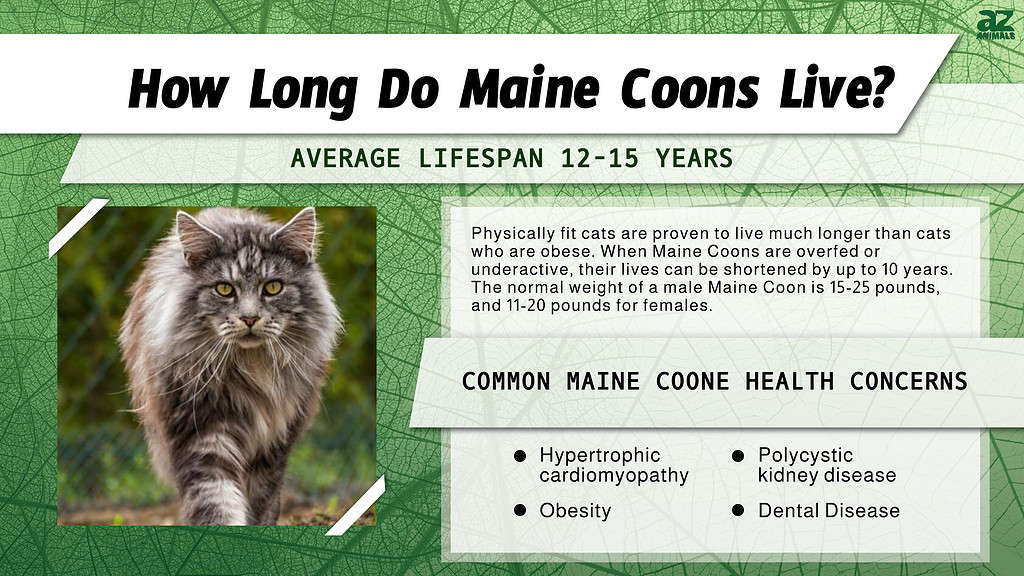
Generally, a healthy Maine Coon can be expected to live between 12 and 15 years. Some exceptionally well-cared-for individuals have been known to reach their late teens or even early twenties. Because these cats are considered a hardy breed—having originated in the rugged climate of the United States, specifically the state of Maine—they possess a natural resilience. Yet, their large size and specific genetic predispositions mean that their lifespan is heavily influenced by their environment, diet, and the quality of veterinary care they receive.
The Lifespan of the Gentle Giant: An Overview
The Maine Coon is one of the largest domesticated cat breeds in the world, and in the animal kingdom, size often correlates with specific health considerations. In the context of a luxury Lifestyle, where wellness and longevity are prioritized, understanding the biological timeline of a Maine Coon is the first step toward ensuring they thrive for as long as possible.
Genetics and Ancestry from [Maine]
The history of the Maine Coon is steeped in folklore, with stories suggesting they are descendants of seafaring cats brought over from Europe or even related to the Norway Forest Cat. Regardless of their exact origin, they evolved to survive the harsh winters of North America. This evolutionary background has gifted them with a thick, water-resistant coat and a sturdy bone structure.
Genetically, however, the breed’s popularity has led to certain hereditary conditions that can impact their lifespan. Responsible breeders in countries like Canada and the United Kingdom now utilize rigorous genetic testing to screen for issues such as Hypertrophic Cardiomyopathy (HCM) and Spinal Muscular Atrophy (SMA). By selecting a companion from a lineage with a proven track record of health, owners can significantly increase the odds of their cat reaching the upper end of the age spectrum.
Average Life Expectancy Statistics
While 12.5 years is often cited as the median age, many Maine Coons living in controlled, indoor environments exceed this. Factors such as being strictly indoor pets, receiving regular vaccinations, and having a stress-free environment contribute to this extended life expectancy. In metropolitan hubs like New York City, where indoor living is the norm for luxury pets, Maine Coons are shielded from the dangers of traffic, predators, and infectious diseases that plague outdoor cats. This protective Lifestyle is a primary driver in pushing the breed’s average lifespan toward the 15-year mark.
Health Factors and Preventative Care in a Luxury Lifestyle
To maximize the years spent with a Maine Coon, one must adopt a proactive approach to health. This mirrors the wellness trends found in human high-end living—focusing on prevention rather than just treatment. For the discerning owner, this means establishing a relationship with top-tier feline specialists, perhaps located in medical hubs like Boston or Paris.
Hypertrophic Cardiomyopathy (HCM) Awareness
HCM is the most common heart disease in cats and is particularly prevalent in Maine Coons. It causes the walls of the heart to thicken, which can lead to heart failure or sudden death. For those who travel frequently or maintain multiple residences, ensuring your cat undergoes regular echocardiograms by a board-certified veterinary cardiologist is vital. Whether you are staying at your penthouse in Tokyo or your villa in Italy, keeping a digital record of these medical screenings allows for consistent care across borders. Early detection of HCM can be managed with medication, allowing the cat to live a full and comfortable life.
Maintaining Joint Health for the Active Traveler
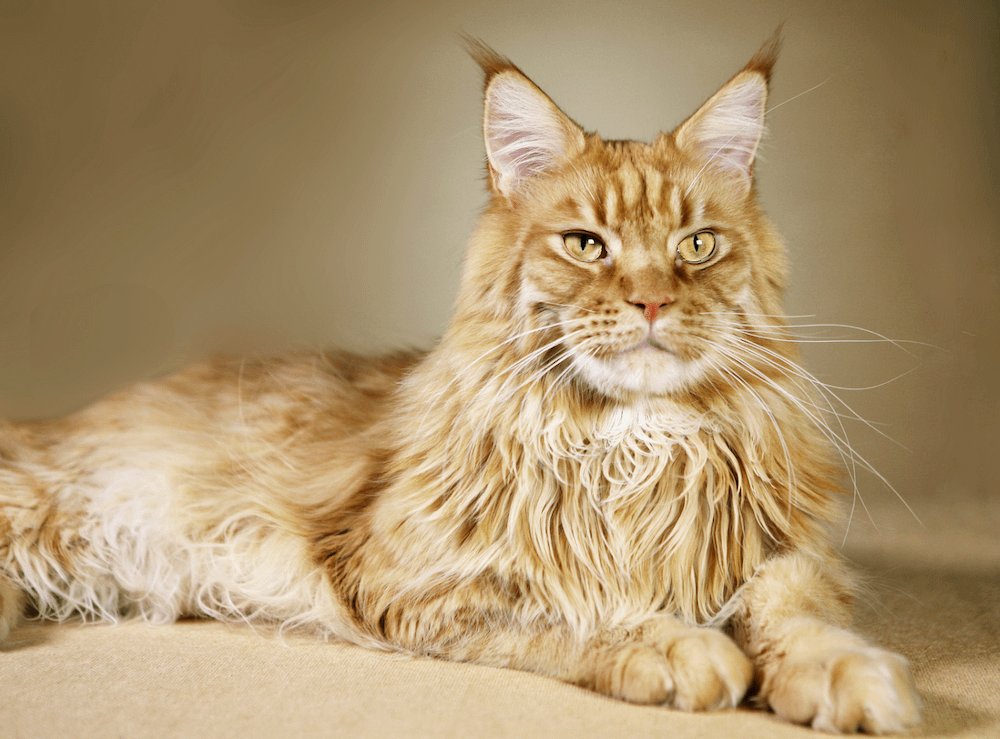
Due to their substantial weight—males can easily reach 20 pounds or more—Maine Coons are susceptible to hip dysplasia and arthritis. This is a crucial consideration for owners who enjoy taking their pets on adventures. If you plan to explore the grounds of a resort like Adare Manor in Ireland or walk through Central Park with your Maine Coon on a harness, joint health must be a priority. Supplementation with glucosamine and chondroitin, often found in premium feline diets, can help maintain mobility. Additionally, maintaining an ideal weight is the single most effective way to reduce stress on their joints, ensuring they remain active and mobile well into their senior years.
Curating a Longevity-Focused Environment
A Maine Coon’s environment plays a silent but powerful role in how long they live. A high-end Lifestyle provides the perfect opportunity to curate a space that promotes both physical health and mental stimulation, which are the twin pillars of feline longevity.
Nutrition: From [France] to [Japan]
The diet of a Maine Coon should be as refined as that of its owner. These cats require high-quality protein to maintain their large muscle mass. Many owners opt for a combination of high-moisture wet food and specialized kibble. In culinary capitals like France, some owners even prepare human-grade, vet-approved meals for their companions. Hydration is equally important, as Maine Coons are prone to kidney issues and feline lower urinary tract disease. Investing in a circulating water fountain—matching the aesthetic of a modern apartment in Dubai—can encourage more frequent drinking, supporting long-term renal health.
Stress Reduction in Urban Settings
Stress is a known factor in shortening the lifespan of domestic animals. Maine Coons are highly social and can become anxious if left alone for extended periods. For those with a busy business Lifestyle, employing a dedicated pet concierge or ensuring your cat has a companion can mitigate this. In high-traffic cities like Hong Kong, creating “vertical space” with luxury cat trees or built-in wall perches allows the Maine Coon to observe their domain from a safe height. This sense of security reduces cortisol levels, which in turn supports a stronger immune system.
Traveling with Your Maine Coon: Ensuring Quality of Life
For the modern nomad, the question isn’t just “how long does a Maine Coon live,” but “how well can they live while traveling?” Fortunately, the Maine Coon’s adaptable and courageous nature makes them excellent travel companions, provided the logistics are handled with care.
Pet-Friendly Luxury at [The Ritz-Carlton]
When traveling between major cities, choosing accommodations that cater to high-end pets is essential. Many properties, such as The Ritz-Carlton or The Plaza Hotel in New York City, offer specialized amenities for feline guests. These can include custom-designed bedding, gourmet cat menus, and scratching posts delivered to the suite. Staying at a familiar brand like Four Seasons Hotel ensures a consistent level of comfort for the cat, reducing the “environmental shock” that can lead to travel-related stress.
Senior Care and the Long-Term Companion
As your Maine Coon enters their “golden years” (around age 10), their needs will shift. Travel may need to become less frequent, or more focused on slow-paced stays at a summer home in Spain rather than trans-continental flights. Routine blood work becomes even more critical to monitor for hyperthyroidism and kidney function. In the world of luxury Lifestyle, the transition to senior care is handled with the same grace and attention to detail as any other life stage. Many owners choose to install heated orthopedic beds or low-entry litter boxes to accommodate the changing physical needs of an aging giant.
Conclusion: A Life Well Lived
The Maine Coon is more than just a pet; it is a majestic presence that enhances the lives of those who appreciate the finer things. By understanding that their lifespan of 12-15 years is a product of both genetics and meticulous care, owners can take the necessary steps to ensure their companion remains by their side for over a decade. Whether you are admiring the skyline from The Shard or relaxing in a villa in Greece, the presence of a healthy, happy Maine Coon is the ultimate luxury.
Ultimately, the answer to “how long does a Maine Coon live?” is largely written by the owner. Through a combination of preventative medicine, world-class nutrition, and a stress-free Lifestyle, these cats can thrive. Their longevity is a testament to the bond between human and feline—a bond that, when nurtured in the best of environments, provides years of unparalleled companionship and joy. From the snowy landscapes of Maine to the bustling streets of Singapore, the Maine Coon remains a timeless icon of beauty and resilience.
LifeOutOfTheBox is a participant in the Amazon Services LLC Associates Program, an affiliate advertising program designed to provide a means for sites to earn advertising fees by advertising and linking to Amazon.com. Amazon, the Amazon logo, AmazonSupply, and the AmazonSupply logo are trademarks of Amazon.com, Inc. or its affiliates. As an Amazon Associate we earn affiliate commissions from qualifying purchases.