
The question of when cannabis became legal in Colorado is more than a simple date; it marks a watershed moment not just for the state but for the entire nation, profoundly reshaping its local culture and becoming a significant draw for tourism. On November 6, 2012, Colorado made history by becoming one of the first two states in the U.S. to legalize recreational marijuana for adult use through a ballot initiative known as Amendment 64. While the vote occurred in 2012, the implementation and establishment of the retail market took time, with the first adult-use cannabis dispensaries officially opening their doors to customers on January 1, 2014. This move instantly placed Colorado at the forefront of a burgeoning new industry and irrevocably altered the landscape of its tourism sector, inviting a new demographic of visitors keen to explore this pioneering legal framework. Understanding the journey to legalization, the current regulations, and the unique tourist experiences it offers is essential for anyone considering a visit to the Centennial State.

A Pivotal Moment in Colorado’s History
The path to adult-use cannabis legalization in Colorado was not an overnight phenomenon but rather the culmination of years of advocacy, public discourse, and the successful implementation of medical marijuana programs. This gradual evolution set the stage for the groundbreaking decision that would redefine Colorado’s image and economy.
The Road to Legalization: Medical Cannabis
Before 2012, Colorado had already established a robust medical cannabis program. In 2000, Colorado voters approved Amendment 20, which legalized medical marijuana for patients with debilitating conditions. This initial step proved crucial, as it allowed the state to develop a regulatory framework for cannabis cultivation, processing, and dispensing. Over the next decade, medical marijuana dispensaries became a familiar part of the local economy, particularly in cities like Denver. This period provided valuable lessons in managing the practicalities of a legal cannabis market, from seed-to-sale tracking to patient privacy, laying the groundwork for the more expansive adult-use system that would follow. The success and relative lack of significant issues within the medical program helped to demystify cannabis for many residents and policymakers, fostering a more accepting environment for further legalization efforts.
Adult-Use Legalization: A National First
The real game-changer came with the passage of Amendment 64 in November 2012. This ballot measure allowed adults aged 21 and older to legally possess and recreationally use small amounts of marijuana. It also tasked the state legislature with creating a system for commercial cultivation, manufacturing, and retail sales. The implementation process was meticulous, focusing on public safety, taxation, and ensuring a responsible market. On January 1, 2014, the first licensed dispensaries opened their doors, marking an unprecedented moment in U.S. history. This date immediately put Colorado on the world stage, drawing immense media attention and, crucially, a new wave of tourists interested in experiencing a legal cannabis market firsthand. The pioneering spirit of Colorado in this regard paved the way for other states to consider similar legislation, making it a living laboratory for the social and economic impacts of cannabis legalization.
Understanding Colorado’s Cannabis Laws for Tourists
For tourists planning a trip to Colorado, understanding the nuances of the state’s cannabis laws is paramount. While legal, cannabis consumption is subject to strict regulations designed to ensure public safety and responsible use, particularly within the context of local culture and activities.
Where Can You Purchase Cannabis?
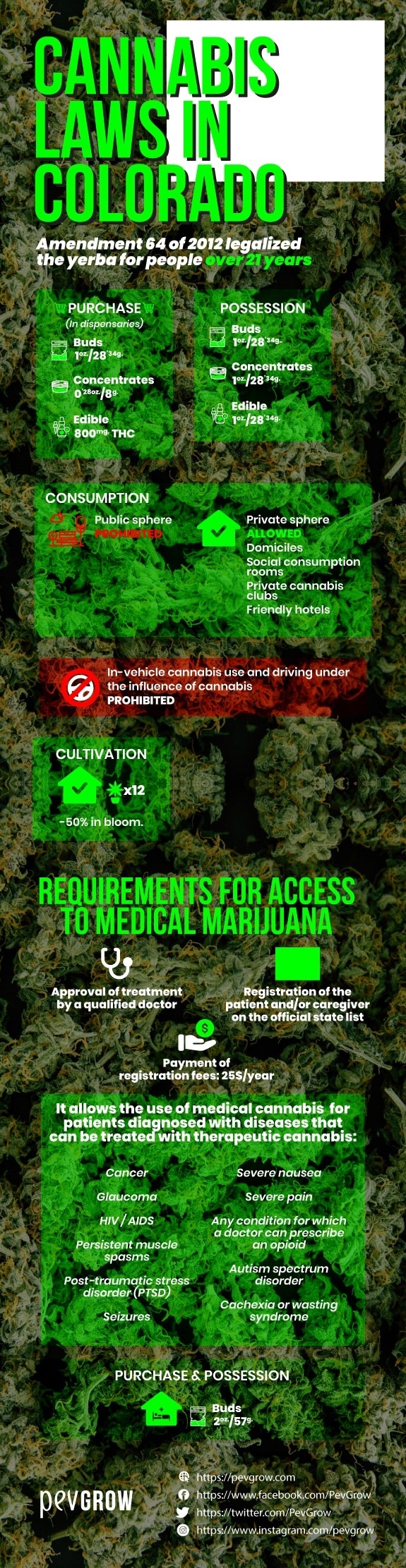
Adults 21 and older with a valid ID can purchase recreational cannabis from state-licensed dispensaries. These establishments are easily identifiable, often marked with green crosses or specific signage. While there are numerous dispensaries across the state, some municipalities, such as Colorado Springs, have opted out of allowing recreational sales, though medical dispensaries may still operate. It’s always wise to check local regulations before planning a purchase. Tourists should also be aware that only cash is typically accepted for cannabis purchases due to federal banking restrictions, so come prepared. The atmosphere inside dispensaries is generally professional and educational, with knowledgeable staff ready to guide customers through various products, including flower, edibles, concentrates, and topicals.
Public Consumption Rules and Restrictions
One of the most critical aspects for tourists to grasp is that while cannabis is legal to purchase and possess, consuming it in public places remains illegal. This includes sidewalks, parks, ski slopes in areas like Aspen or Breckenridge, and even inside vehicles. The law is quite strict on this, and violations can result in significant fines. This regulation directly impacts where tourists can enjoy their purchases, often leading to questions about cannabis-friendly accommodations or private spaces. Many hotels and rental properties explicitly prohibit cannabis use on their premises, further complicating the issue for visitors. This aspect of the law is a key differentiator from alcohol consumption, which often has more liberal public consumption rules in certain contexts.
Possession Limits and Transport Considerations
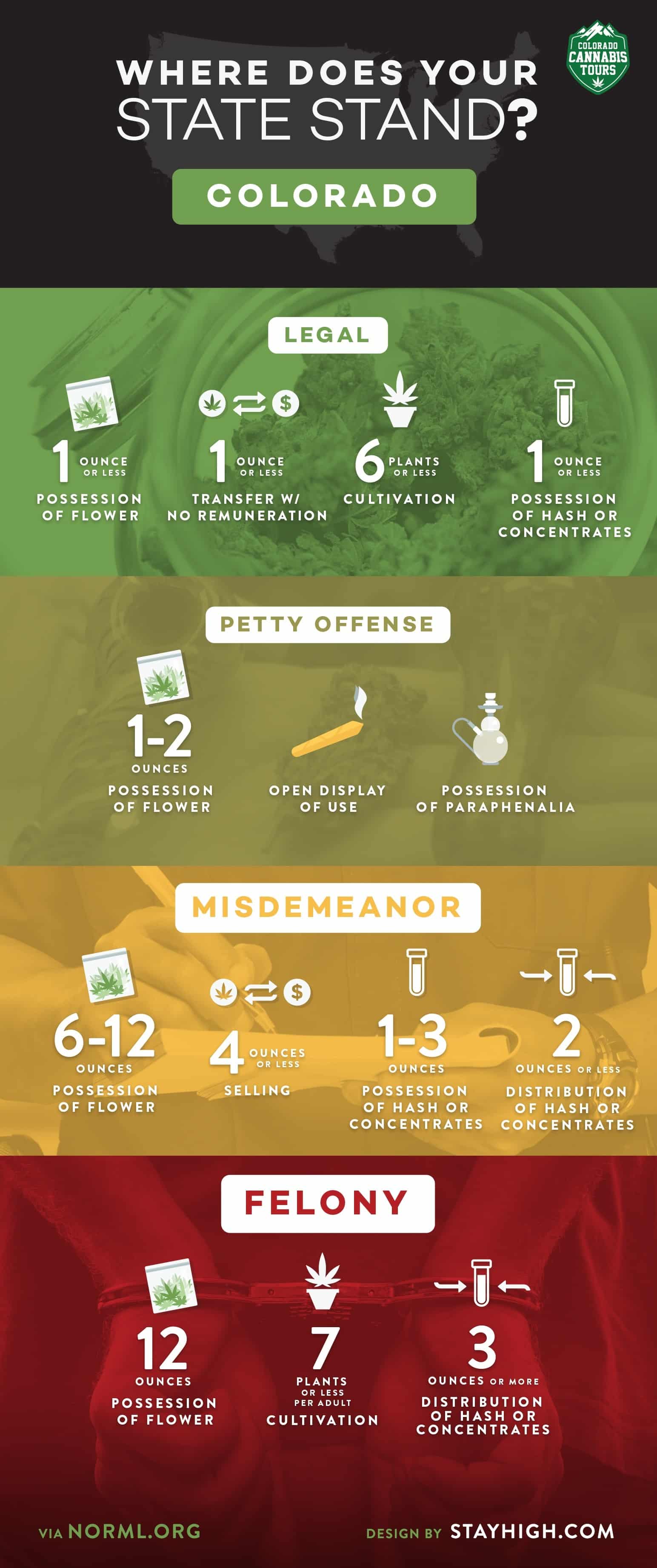
For recreational users, the legal possession limit in Colorado is one ounce of cannabis flower, or its equivalent in concentrates or edibles (e.g., 8 grams of concentrate or 800 milligrams of THC in edibles). Tourists must adhere to these limits. Furthermore, it is illegal to transport cannabis across state lines, even if traveling to another state where cannabis is legal. This includes flying out of Denver International Airport or driving into neighboring states. Cannabis should always be transported in a sealed, child-resistant container, out of reach of the driver, similar to open container laws for alcohol. These rules are crucial for avoiding legal complications during a visit.
Driving Under the Influence: Zero Tolerance
Driving under the influence of cannabis is strictly prohibited and carries severe penalties, similar to those for alcohol. Colorado has a per se limit of 5 nanograms of active THC per milliliter of blood for impairment. This is an important tip for any tourist: if you consume cannabis, arrange for alternative transportation, such as ride-sharing services or designated drivers. Public safety remains a top priority, and law enforcement is vigilant in addressing impaired driving, emphasizing that legal use does not equate to unrestricted use, especially when behind the wheel.
The Impact on Colorado Tourism
The legalization of cannabis has undeniably carved out a unique niche for Colorado in the global tourism market. It has introduced new types of attractions, activities, and considerations for visitors, directly influencing the state’s local culture and economy.
Cannabis Tourism: A New Niche
Colorado has seen the rise of “cannabis tourism,” attracting visitors specifically drawn to the novelty and freedom of a legal marijuana market. This niche includes individuals interested in responsible adult use, but also those curious about the cannabis industry, its cultivation, and its cultural integration. Travel agencies now offer specialized cannabis tours, which might include dispensary visits, grow facility tours, and even cannabis-friendly cooking classes. Events like the annual 4/20 Rally in Denver have grown significantly, drawing large crowds and contributing to the city’s vibrant atmosphere. This new form of tourism has spurred innovation in hospitality and entertainment, catering to an evolving demographic of travelers.
Integrating Cannabis into the Tourist Experience
Beyond direct cannabis-focused tours, the presence of legal marijuana has subtly integrated into the broader tourist experience. Local businesses, from art galleries to music venues, have found ways to accommodate or acknowledge cannabis culture, albeit within legal boundaries. For example, some resorts in areas like Vail or Aspen might offer guidance on local dispensary locations, or provide information on private consumption options, even if they don’t allow on-site use. The existence of legal cannabis has become part of the local flavor, an aspect of Colorado’s unique identity that many visitors are curious to explore responsibly. This integration highlights the state’s progressive stance and its ability to adapt and innovate within its tourism offerings.
Economic Benefits and Challenges
The economic impact of cannabis tourism has been substantial. Tax revenues from cannabis sales have contributed significantly to state coffers, funding public services such as education and infrastructure. Local economies in cities with high tourist traffic have seen boosts through increased visitor spending on accommodation, dining, and other activities, in addition to direct dispensary sales. However, challenges also exist. The restrictions on public consumption and the scarcity of cannabis-friendly accommodations can be frustrating for tourists, leading to demand for more innovative solutions. There’s also the ongoing challenge of educating visitors about responsible consumption and legal boundaries, ensuring that the positive economic impacts are not overshadowed by public safety concerns.
Navigating Cannabis-Friendly Colorado
For a seamless and enjoyable experience, tourists need practical tips and guidance on how to responsibly navigate the cannabis landscape in Colorado, from finding suitable places to consume to understanding local etiquette.
Finding Cannabis Accommodations
Given the prohibition on public consumption and the general bans in most hotels, finding a place to legally consume cannabis can be a significant hurdle for visitors. A growing number of private rentals, typically through platforms like Airbnb, explicitly advertise as “420-friendly” or “cannabis-friendly.” These accommodations often allow consumption within designated private spaces, such as private balconies or enclosed patios. There are also a few dedicated cannabis-friendly hotels or bed-and-breakfasts emerging, particularly in Denver, which cater specifically to this market. Researching these options in advance is highly recommended to avoid any legal issues or misunderstandings with lodging providers.
Dispensary Etiquette and Education
Visiting a dispensary can be a unique experience for first-timers. It’s important to bring a valid, government-issued ID (driver’s license or passport) and be prepared for a security check. Staff members, often called “budtenders,” are typically very knowledgeable and helpful. Don’t hesitate to ask questions about product types, strains, potency, and recommended dosages, especially for edibles, which can have delayed and more intense effects. Being respectful, patient, and open to learning will enhance the purchasing experience. Remember, photography may be restricted inside some dispensaries.
Responsible Consumption Tips for Visitors
Responsible consumption is key to a positive cannabis tourism experience. Here are some essential tips:
- Start Low, Go Slow: Especially for edibles, begin with a very small dose (e.g., 2.5-5 mg THC) and wait at least an hour or two to understand its effects before consuming more.
- Know Your Limits: Understand how cannabis affects you personally. Different products and consumption methods can have varied impacts.
- Avoid Overconsumption: It’s easy to overdo it, particularly with edibles. Pace yourself.
- Stay Hydrated: Keep water handy.
- Don’t Drive Impaired: As reiterated, driving under the influence of cannabis is illegal and dangerous. Use ride-shares or designated drivers.
- Store Safely: Keep all cannabis products in child-resistant packaging and out of reach of minors and pets.
- Be Aware of Your Surroundings: Even in legal states, discretion and respect for others are important.
Beyond the Basics: Future Outlook and Broader Implications
Colorado’s journey with cannabis legalization continues to evolve, offering insights not just for its own tourism sector but for other jurisdictions contemplating similar reforms. The pioneering efforts of the state have created a dynamic environment ripe for further development and refinement.
Evolving Regulations and Social Acceptance
Since 2014, Colorado has continuously refined its cannabis regulations, adapting to new challenges and opportunities. This includes adjustments to packaging requirements, product testing standards, and licensing procedures. The social acceptance of cannabis has also steadily grown within the state, although public opinion on various aspects, such as consumption lounges, remains an ongoing discussion. As the market matures, there’s an increasing focus on creating safe and regulated environments for social consumption, which would further enhance the tourist experience by providing more legal venues for enjoyment. These ongoing discussions highlight Colorado’s commitment to a responsible and adaptable framework.
A Model for Other States
Colorado’s experience serves as a critical case study for other states and even countries considering cannabis legalization. Its successes and challenges provide invaluable lessons in regulatory design, public health considerations, economic development, and, crucially, integrating cannabis into a broader tourism strategy. The state’s ability to create a functional legal market that generates significant tax revenue while largely mitigating negative social impacts has made it a beacon for progressive drug policy. For tourists, visiting Colorado offers a chance to experience firsthand a legal cannabis market that is both mature and continuously striving for improvement, embodying a unique aspect of modern American local culture.
LifeOutOfTheBox is a participant in the Amazon Services LLC Associates Program, an affiliate advertising program designed to provide a means for sites to earn advertising fees by advertising and linking to Amazon.com. Amazon, the Amazon logo, AmazonSupply, and the AmazonSupply logo are trademarks of Amazon.com, Inc. or its affiliates. As an Amazon Associate we earn affiliate commissions from qualifying purchases.