
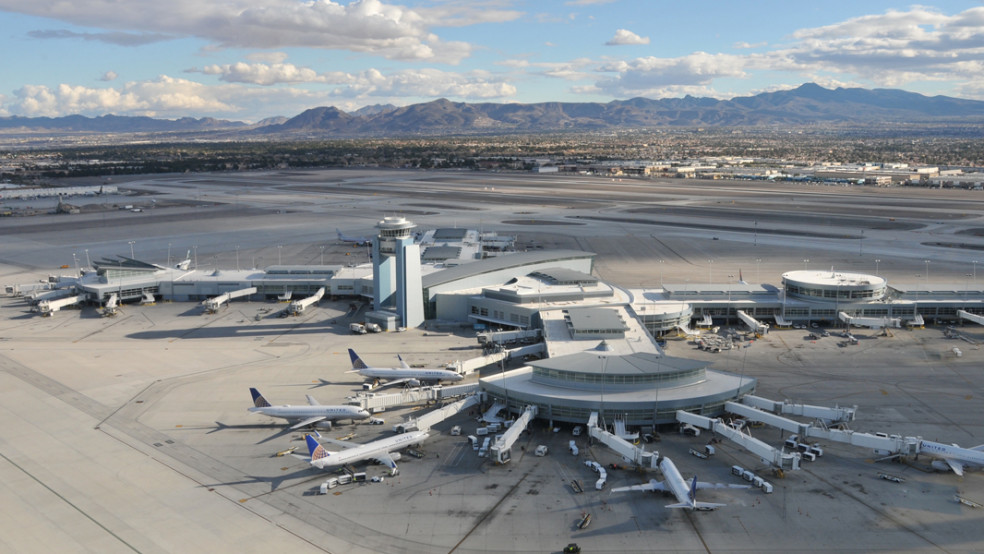
When planning a journey to the neon-lit desert oasis of Las Vegas, the first point of entry for millions of travelers is the city’s primary aviation hub. For decades, this bustling terminal was known by another name, but today, Harry Reid International Airport stands as the central gateway to the entertainment capital of the world. Located in Paradise, just five miles south of downtown and minutes away from the world-famous Las Vegas Strip, this airport is a critical piece of infrastructure for the United States aviation network.
Understanding the layout, history, and logistical nuances of the main airport is essential for any traveler looking to maximize their time in Nevada. Whether you are arriving for a high-stakes poker tournament, a world-class residency show, or a desert hiking expedition, Harry Reid International Airport provides the first and last impression of the city.
The Evolution of the Main Aviation Hub
The story of the main airport in Las Vegas is one of rapid growth and transformation, mirroring the explosive development of the city itself. Originally established as a small airfield in the 1940s, the facility has expanded into one of the busiest airports globally, handling over 50 million passengers annually.
From McCarran to Harry Reid
For the vast majority of its history, the airport was known as McCarran International Airport, named after Senator Pat McCarran. However, in late 2021, the facility was officially renamed to honor Harry Reid, the long-serving Nevada senator who played a pivotal role in the state’s development. The name change was a significant cultural shift for Clark County, signaling a new era for the region’s tourism and travel identity. Despite the name change, the airport code “LAS” remains the same, ensuring continuity in flight bookings and baggage tags.
Proximity to the Las Vegas Strip
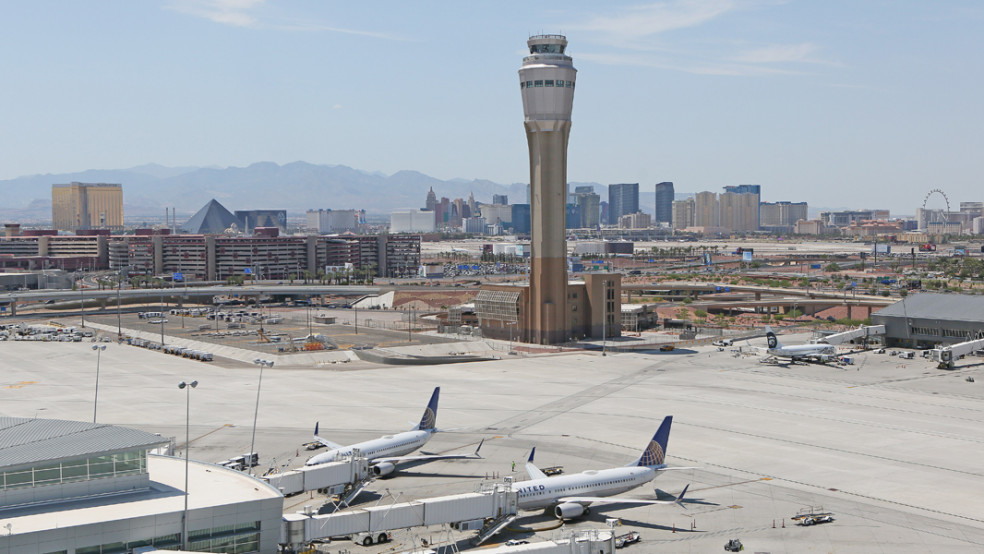
One of the most appealing aspects of Harry Reid International Airport for travelers is its incredible proximity to the main attractions. Unlike many major cities where the airport is located an hour away from the center, the terminals in Las Vegas offer a stunning view of the skyline upon arrival. Visitors can see iconic landmarks like the Luxor Hotel pyramid and the Mandalay Bay towers immediately after landing. This proximity allows for a quick transition from the tarmac to the casino floor, often taking less than fifteen minutes by car.
Other Regional Airports
While Harry Reid International Airport is the primary commercial hub, it is not the only airfield in the valley. North Las Vegas Airport primarily handles general aviation and scenic tours to the Grand Canyon. Similarly, Henderson Executive Airport serves as a premier facility for corporate jets and private travel in Henderson. For those interested in historical aviation or skydiving, Boulder City Municipal Airport and Jean Airport are also located within the greater metropolitan area.
Terminal Logistics: Terminal 1 and Terminal 3
Navigating the main airport in Las Vegas can be slightly confusing for first-time visitors because there is no Terminal 2. The airport is split into two main complexes: Terminal 1 and Terminal 3. Understanding which airline operates out of which terminal is crucial for a smooth arrival and departure.
Terminal 1: Domestic Operations
Terminal 1 is the older and busier of the two facilities. It primarily handles domestic carriers and is the main hub for Southwest Airlines, which is the dominant carrier in Las Vegas. The terminal is divided into four concourses: A, B, C, and D. Travelers flying with Allegiant Air, Spirit Airlines, or Delta Air Lines will typically find themselves navigating this bustling complex. The D Gates are connected to the main Terminal 1 building via an automated people mover (the Blue Line tram), providing a futuristic transit experience within the airport.
Terminal 3: International and Domestic Excellence
Opened in 2012, Terminal 3 is a state-of-the-art facility that handles all international arrivals and several domestic carriers. If you are flying in from Canada, Mexico, the United Kingdom, or Germany, you will pass through the customs and border protection area here. Major domestic airlines like United Airlines and American Airlines also operate out of Terminal 3. The terminal is known for its spacious layout, high-end shopping, and modern architecture, offering a more serene environment compared to the high-energy atmosphere of Terminal 1.
The Automated Tram System
A unique feature of Harry Reid International Airport is its extensive tram system. There are three separate lines: the Green Line, the Blue Line, and the Red Line. These trams connect the various gate areas to the main baggage claim and security checkpoints. For instance, the Red Line connects Terminal 3 to the D Gates, while the Blue Line connects Terminal 1 to the same gate area. It is important to pay close attention to the signage, as boarding the wrong tram can lead you to a different terminal than the one where your car is parked or where your luggage will arrive.

Ground Transportation and Accessibility
Once you have cleared the gate and retrieved your luggage, the next step in your Las Vegas journey is securing transportation to your final destination. Because the airport is so close to the Las Vegas Strip, there are numerous ways to reach the major resorts.
Ride-Sharing and Taxis
Ride-sharing services like Uber and Lyft are incredibly popular at Harry Reid International Airport. Both terminals have designated pick-up zones located in the parking garages. For those who prefer a traditional taxi, there are managed taxi stands outside the baggage claim areas of both terminals. Taxis in Las Vegas operate on a flat-rate zone system for trips to the Las Vegas Strip, which helps eliminate price gouging and ensures that travelers know exactly what they will pay before they even reach Caesars Palace or The Venetian Resort.
The Rent-A-Car Center
Unlike many airports where the rental car counters are located inside the terminal, Harry Reid International Airport utilizes a centralized Rent-A-Car Center. This facility is located about three miles away from the airport. Shuttles depart every few minutes from outside the baggage claim areas of Terminal 1 and Terminal 3. If you plan on exploring sights outside the city, such as the Hoover Dam or Red Rock Canyon National Conservation Area, renting a car is highly recommended.
Public Transit and Shuttles
For budget-conscious travelers, the Regional Transportation Commission of Southern Nevada (RTC) operates several bus routes that stop at the airport. The Westcliff Airport Express and the Centennial Express provide direct links to the Las Vegas Strip and downtown. Additionally, many off-Strip hotels and some major resorts like the MGM Grand or Wynn Las Vegas offer private shuttle services, though these often require a prior reservation.
The Unique Airport Experience: Gaming and Culture
Harry Reid International Airport is one of the few places in the world where the vacation experience begins the moment you step off the plane. The airport is designed to reflect the culture and energy of the city it serves.
Slot Machines and Gaming
Perhaps the most famous feature of the Las Vegas airport is the presence of over 1,400 slot machines. These machines are scattered throughout the terminals, allowing passengers to try their luck while waiting for their luggage or their next flight. While the odds on airport slots are generally lower than those found at a major resort like Bellagio, they remain a popular novelty and a quintessential part of the Nevada travel experience.
Art and Museums
Beyond the gaming, the airport is home to a significant collection of public art. Travelers can admire large-scale sculptures, intricate floor mosaics, and rotating exhibits that showcase the history of Clark County. The Howard W Cannon Aviation Museum is located on the pedestrian bridge over the baggage claim in Terminal 1. This museum offers a fascinating look at the history of flight in the desert, featuring vintage aircraft and memorabilia that highlight the role of the University of Nevada Las Vegas and the military in local aviation.
Dining and Shopping
The airport offers a wide array of dining options that cater to every palate. From quick bites at local favorites to sit-down meals that provide a taste of the city’s culinary scene, there is no shortage of choices. Many travelers make a point to visit the airport shops for last-minute souvenirs, such as items branded with the Welcome to Fabulous Las Vegas Sign or merchandise from the local sports teams that play at Allegiant Stadium and T-Mobile Arena.
Essential Travel Tips for Harry Reid International Airport
To ensure your trip to Las Vegas starts and ends on a high note, keep these professional travel tips in mind.
- Arrive Early: Despite the efficiency of the airport, security lines can be long, especially on Sunday afternoons when thousands of tourists are heading home. TSA PreCheck and CLEAR are available and highly recommended.
- Check Your Terminal: Double-check your airline’s terminal location before you leave your hotel. Terminal 1 and Terminal 3 are not physically connected by a walkway, and moving between them requires taking a shuttle bus.
- Hydrate: The desert climate of Nevada is extremely dry. Harry Reid International Airport has several water bottle refilling stations located past security checkpoints.
- View the Landmarks: If you have a window seat, try to sit on the right side of the plane when landing from the north for the best views of the Sphere, the High Roller Observation Wheel, and the rest of the skyline.
Harry Reid International Airport is more than just a transit point; it is the vital link that connects the world to the wonders of Las Vegas. By understanding its layout and amenities, you can ensure your journey through this desert gateway is as exciting and seamless as the destination itself.
LifeOutOfTheBox is a participant in the Amazon Services LLC Associates Program, an affiliate advertising program designed to provide a means for sites to earn advertising fees by advertising and linking to Amazon.com. Amazon, the Amazon logo, AmazonSupply, and the AmazonSupply logo are trademarks of Amazon.com, Inc. or its affiliates. As an Amazon Associate we earn affiliate commissions from qualifying purchases.