
For individuals considering a move to, or establishing their lives within, Connecticut, understanding the state’s marital property laws is a crucial component of comprehensive lifestyle planning. Financial stability, asset protection, and future security are paramount considerations for any individual or couple, profoundly influencing their quality of life. The question “Is Connecticut a community property state?” often arises as people seek to understand how their assets might be divided in the event of divorce or death, directly impacting their long-term financial lifestyle. This article delves into Connecticut’s approach to marital property, contrasting it with community property systems and highlighting its implications for residents’ financial well-being and lifestyle choices.
Understanding Property Laws and Your Lifestyle in Connecticut
The legal framework governing marital assets plays a significant role in the financial planning of individuals and couples. Where you choose to live, and thus which state’s laws apply to your property, directly impacts your lifestyle and future financial security. Connecticut operates under a specific legal doctrine that differs markedly from community property principles. For residents and those contemplating making Connecticut their home, comprehending these distinctions is not merely a legal technicality but a fundamental aspect of responsible lifestyle management and asset protection.
Domicile and Marital Property Implications
Your domicile, or legal residence, is a critical factor in determining which state’s laws will govern your marital property. If you establish your domicile in Connecticut, then its property division laws will apply to any marital dissolution proceedings, regardless of where the marriage took place or where assets were originally acquired. This underscores the importance of understanding local laws when planning your life, especially for those with substantial assets or contemplating marriage. A lifestyle choice to reside in Connecticut inherently links you to its legal system, making it imperative to be informed about how assets are treated, both during marriage and in the event of divorce. This knowledge empowers individuals to make informed decisions about property acquisition, investment strategies, and estate planning, ensuring a proactive approach to their financial lifestyle.
The Basics of Equitable Distribution
Unlike community property states, Connecticut adheres to the principle of “equitable distribution” when it comes to dividing marital assets in a divorce. This means that instead of an automatic 50/50 split, as often seen in community property jurisdictions, the courts in Connecticut aim for a fair and equitable division of property. “Equitable” does not necessarily mean “equal,” but rather what the court deems just and reasonable based on a comprehensive review of various factors. This approach is designed to provide flexibility, allowing judges to tailor property divisions to the unique circumstances of each couple, thereby directly impacting the post-divorce financial lifestyle of both parties. Understanding equitable distribution is crucial for anyone planning their financial future in Connecticut, enabling them to anticipate potential outcomes and strategize accordingly.
Differentiating Community Property from Equitable Distribution
The terms “community property” and “equitable distribution” represent two fundamentally different philosophies regarding marital assets. For a sophisticated lifestyle, understanding these differences is key to making informed financial decisions, especially when considering interstate moves or significant life changes. The distinction impacts how assets are viewed, managed, and potentially divided, directly shaping an individual’s financial outlook and lifestyle planning.
What Community Property Entails
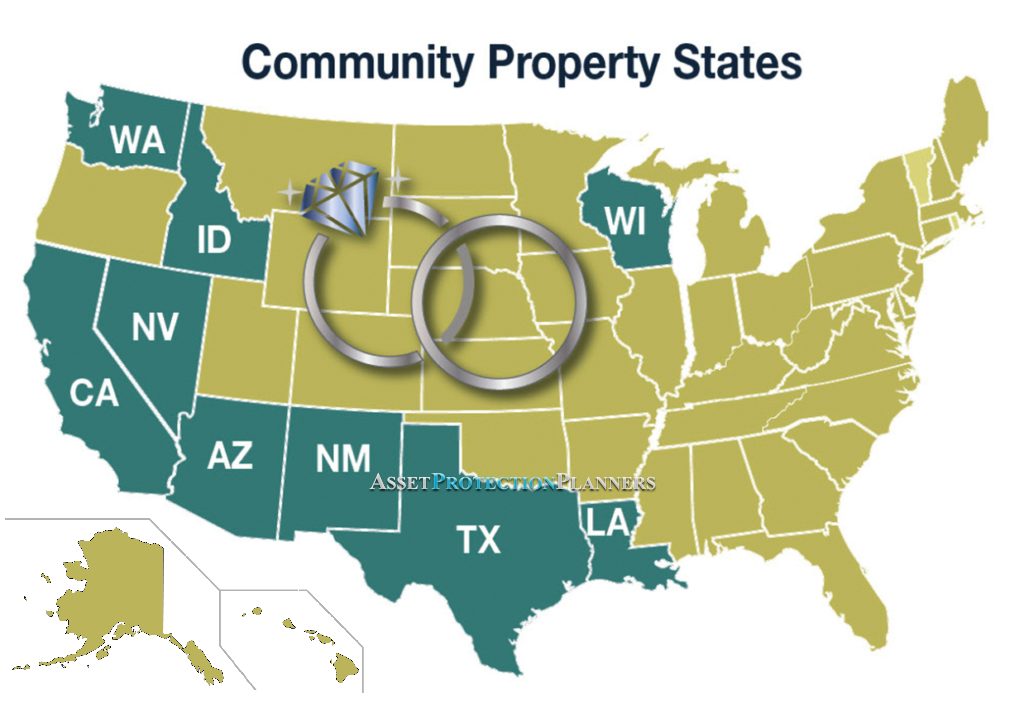
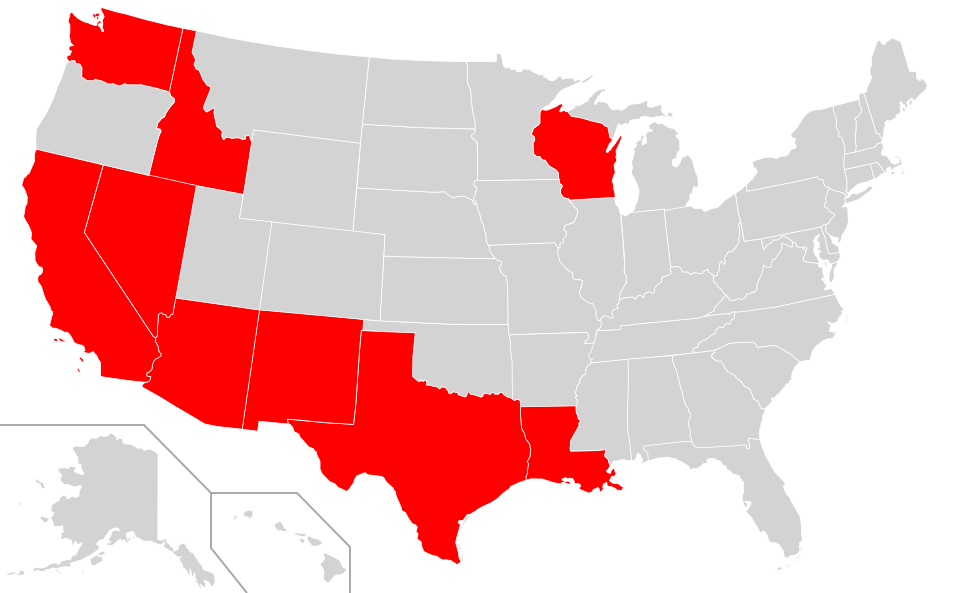
In a community property state, generally, all assets and debts acquired by either spouse during the marriage are considered “community property” and are owned equally by both spouses, typically resulting in a 50/50 split upon divorce. This includes income, real estate, bank accounts, and investments accumulated from the date of marriage until separation. Assets acquired before marriage, or received as gifts or inheritances during marriage, are usually considered “separate property” and are not subject to division. There are nine community property states in the United States: Arizona, California, Idaho, Louisiana, Nevada, New Mexico, Texas, Washington, and Wisconsin. The clarity of this system can simplify some aspects of financial planning, but it also means less flexibility for courts to consider individual circumstances beyond the strict 50/50 rule for community assets.
Connecticut’s Equitable Distribution Approach
As definitively stated, Connecticut is not a community property state; it operates under the principle of equitable distribution. This means that marital property is divided fairly, though not necessarily equally, by the court. When determining an equitable division, Connecticut courts consider a wide array of factors, including the length of the marriage, the cause of the dissolution of the marriage, the age, health, station, occupation, amount and sources of income, vocational skills, employability, estate, liabilities and needs of each of the parties, and the opportunity of each for future acquisition of capital assets and income. The court also considers the contribution of each of the parties in the acquisition, preservation, or appreciation in value of their respective estates. This comprehensive approach allows for a highly individualized assessment, aiming to ensure that both parties can maintain a reasonable lifestyle post-divorce, a critical concern for those focused on long-term financial well-being and lifestyle continuity.
Navigating Marital Assets in Connecticut: A Lifestyle Perspective
For individuals leading dynamic lifestyles, especially those with diverse investment portfolios, multiple properties, or complex business interests, understanding how Connecticut’s equitable distribution laws apply to their assets is paramount. This knowledge allows for strategic financial planning that supports their desired lifestyle, protects their wealth, and prepares for future eventualities.
Defining Marital Property vs. Separate Property
In Connecticut, the definition of “marital property” is quite broad. It generally includes all property owned by either spouse at the time of the divorce, regardless of when and how it was acquired. This is a significant departure from community property states, where separate property (acquired before marriage or through gift/inheritance) is typically excluded from division. In Connecticut, even property brought into the marriage by one spouse or received as a gift or inheritance during the marriage can be subject to division by the court. The only truly “separate” property might be assets that have been explicitly excluded by a valid prenuptial or postnuptial agreement. This expansive view of marital property means that every asset and liability held by either spouse could potentially be on the table during a divorce, making meticulous record-keeping and proactive financial planning essential for maintaining one’s lifestyle.
Factors Influencing Equitable Distribution Decisions
Connecticut courts consider numerous statutory factors when determining an equitable distribution of property. These factors are designed to provide a holistic view of the marriage and each party’s circumstances, ensuring a fair outcome that supports their future lifestyles. Key considerations include:
- Financial contributions: The direct monetary contributions of each spouse to the acquisition, preservation, or appreciation of assets.
- Non-financial contributions: Contributions as a homemaker, parent, or supporter of the other spouse’s career.
- Economic circumstances: The income, vocational skills, employability, and earning capacity of each spouse.
- Health and age: The physical and mental health of each spouse, and their ages, which can impact future earning potential and needs.
- Custodial responsibilities: The needs of any minor children and the implications of custody arrangements.
- Causes for the dissolution: While not the sole factor, the court may consider the reasons for the breakdown of the marriage, though Connecticut is a “no-fault” divorce state.
These factors allow courts to make nuanced decisions that reflect the unique dynamics of each marriage, rather than adhering to a rigid formula. For individuals focused on preserving their lifestyle and securing their financial future, understanding how these factors might be applied to their situation is invaluable.
The Role of Premarital and Postnuptial Agreements
For those looking to define their financial lifestyle with greater certainty, particularly in a non-community property state like Connecticut, premarital (prenuptial) and postnuptial agreements offer powerful tools. These legal contracts allow couples to explicitly delineate how their assets and debts will be handled in the event of divorce or death, potentially overriding the default equitable distribution statutes.
- Prenuptial agreements: Signed before marriage, these agreements allow prospective spouses to protect separate assets, define the character of future property, and establish terms for alimony or asset division. They are particularly valuable for individuals entering marriage with substantial wealth, family businesses, or specific estate planning goals.
- Postnuptial agreements: Signed during marriage, these serve a similar purpose, allowing couples to clarify financial arrangements or address changes in circumstances, such as a new business venture or inheritance.
Both types of agreements, when properly executed, provide a robust framework for financial planning, offering peace of mind and predictability that can significantly enhance one’s overall lifestyle by mitigating future financial uncertainties. For individuals prioritizing financial autonomy and control over their assets, these agreements are an essential element of strategic lifestyle management in Connecticut.
Protecting Your Financial Future: Lifestyle Planning in Connecticut
Effective financial planning in Connecticut extends beyond merely accumulating wealth; it involves strategic asset protection and thoughtful decision-making that aligns with your desired lifestyle. Given Connecticut’s equitable distribution laws, a proactive approach is vital for ensuring long-term financial security and continuity.
Importance of Financial Transparency and Planning
Maintaining financial transparency within a marriage, coupled with regular financial planning, is a cornerstone of a secure lifestyle in Connecticut. Both spouses should have a clear understanding of all assets, debts, income streams, and investments. This not only fosters trust but also simplifies the process of making joint financial decisions, planning for retirement, or addressing unforeseen financial challenges. For those with complex financial portfolios, involving financial advisors in this process can be particularly beneficial. Proactive planning helps couples manage expectations, set shared financial goals, and create a roadmap that supports their collective lifestyle aspirations, minimizing potential disputes later on.
Seeking Professional Guidance for Asset Protection
Given the complexities of Connecticut’s equitable distribution laws, seeking professional legal and financial guidance is a prudent step for anyone concerned about asset protection. An experienced family law attorney can provide invaluable advice on how assets might be categorized and divided, help draft robust prenuptial or postnuptial agreements, and guide you through the intricacies of the legal system. Similarly, financial advisors can help structure your assets in a way that aligns with your lifestyle goals, takes into account potential legal scenarios, and optimizes for growth and security. This combined professional expertise ensures that your financial strategies are sound, legally compliant, and tailored to protect your lifestyle in Connecticut for years to come.
Beyond Divorce: Estate Planning and Lifestyle Continuity
The discussion of marital property laws in Connecticut extends beyond the context of divorce; it also has profound implications for estate planning and ensuring the continuity of your desired lifestyle for your loved ones. Understanding how property is classified and distributed in Connecticut is essential for crafting an estate plan that reflects your wishes and provides for your beneficiaries.
Property Division in Estate Planning
In Connecticut, how property is titled and whether a will or trust exists largely dictates its distribution upon death. Unlike community property states where a surviving spouse typically retains their 50% share of community property, Connecticut’s laws provide for a “statutory share” for the surviving spouse in the absence of a will or if the will disinherits them. This means a surviving spouse is generally entitled to a life estate in one-third of all the property of which the deceased spouse died possessed. However, this can be managed and specified through a well-drafted will or trust. Understanding these default provisions and actively planning for them ensures that your assets are distributed according to your intentions, preserving your legacy and supporting the lifestyles of your heirs.
Ensuring Your Legacy in Connecticut
For individuals passionate about maintaining their chosen lifestyle even after they are gone, comprehensive estate planning in Connecticut is indispensable. This involves not only drafting a will but also potentially establishing trusts, designating beneficiaries for life insurance and retirement accounts, and considering strategies for minimizing estate taxes. By carefully planning how your assets will be managed and distributed, you can ensure that your financial legacy continues to support the people and causes you care about, providing for their lifestyle and well-being. Proactive estate planning in Connecticut, with the guidance of legal professionals, offers peace of mind that your life’s accomplishments and financial prudence will continue to have a positive impact, securing your long-term lifestyle vision for future generations.
LifeOutOfTheBox is a participant in the Amazon Services LLC Associates Program, an affiliate advertising program designed to provide a means for sites to earn advertising fees by advertising and linking to Amazon.com. Amazon, the Amazon logo, AmazonSupply, and the AmazonSupply logo are trademarks of Amazon.com, Inc. or its affiliates. As an Amazon Associate we earn affiliate commissions from qualifying purchases.