
Embarking on a journey to the Golden State requires more than just a packed suitcase and a detailed itinerary; it also demands a clear understanding of its time zone. Whether you’re planning a luxurious escape to a Napa Valley vineyard, a family adventure at Disneyland Resort, a business trip to Silicon Valley, or simply connecting with loved ones across the globe, knowing “What Time Zone Is California In Right Now?” is fundamental to a seamless travel experience. California, a beacon of innovation, natural beauty, and vibrant culture in the United States, observes Pacific Time, a designation that shifts between Pacific Standard Time (PST) and Pacific Daylight Time (PDT) depending on the season. This article will delve into the intricacies of California’s time zone, exploring its implications for travel, accommodation, tourism, and lifestyle, ensuring your visit is perfectly timed.
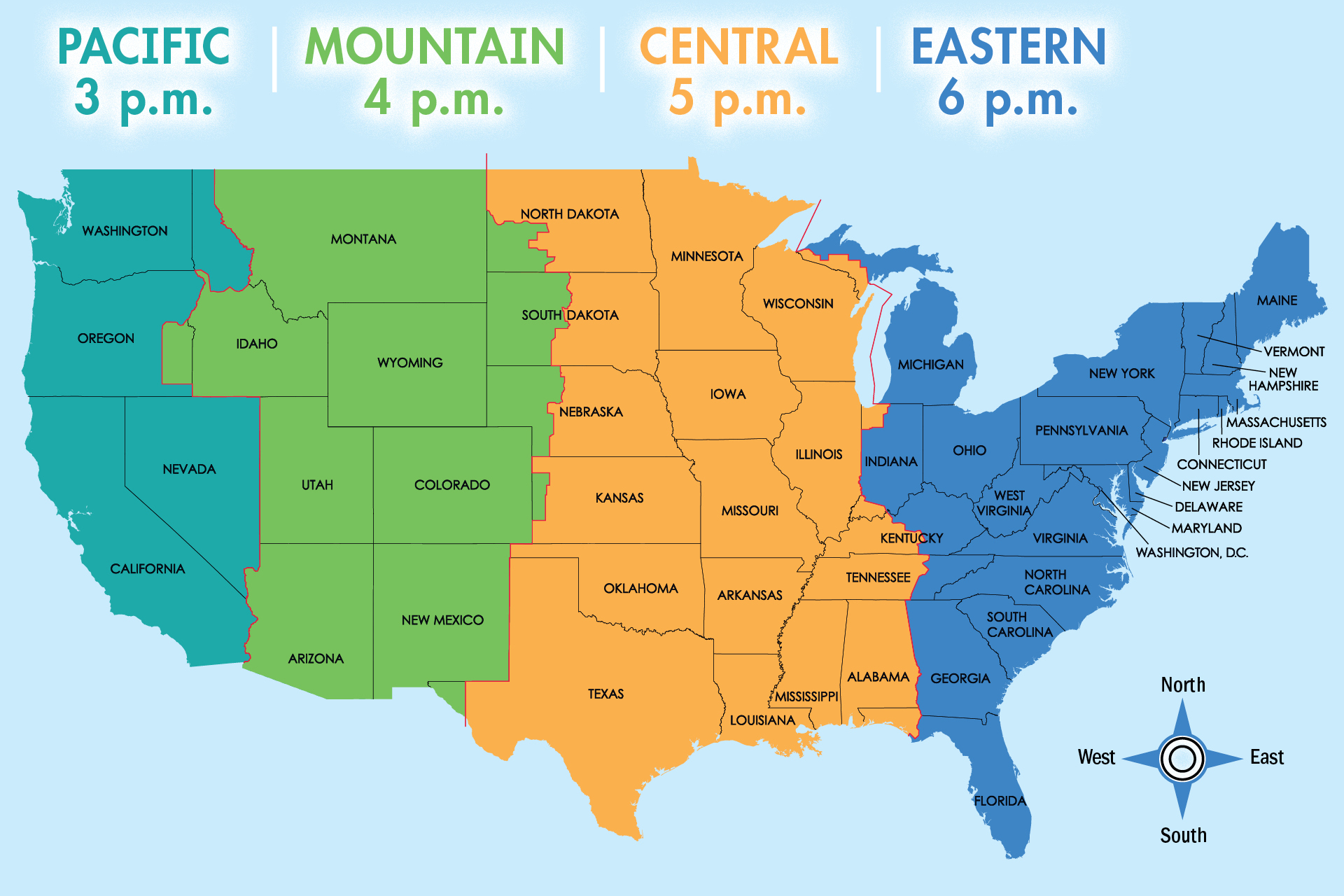
Understanding California’s Time Zone: Pacific Time Explained
At its core, California operates on Pacific Time, which is offset from Coordinated Universal Time (UTC). This standardized global time system, also known as UTC, is the primary time standard by which the world regulates clocks and time. Understanding its relationship to California’s local time is crucial for anyone arriving from other regions of the United States or international destinations like Europe or Asia.
Pacific Standard Time (PST) vs. Pacific Daylight Time (PDT)
The key to deciphering California’s current time lies in recognizing the difference between Pacific Standard Time (PST) and Pacific Daylight Time (PDT).
- Pacific Standard Time (PST): This is the standard offset, observed during the winter months. PST is UTC-8, meaning it is eight hours behind Coordinated Universal Time. For instance, if it’s noon UTC, it would be 4:00 AM in California during PST.
- Pacific Daylight Time (PDT): This is the offset observed during the warmer months when Daylight Saving Time is in effect. PDT is UTC-7, making it seven hours behind Coordinated Universal Time. So, if it’s noon UTC during PDT, it would be 5:00 AM in California. The “daylight” aspect refers to the practice of moving clocks forward to make better use of natural daylight in the evenings.
This one-hour difference might seem minor, but it has significant implications for travel planning, business communications, and even coordinating local activities.
The Annual Shift: When Does Daylight Saving Time Begin and End?
The transition between PST and PDT follows a consistent pattern across most of the United States and other regions that observe Daylight Saving Time.
- Spring Forward: Daylight Saving Time typically begins on the second Sunday in March. At 2:00 AM local time, clocks are moved forward one hour to 3:00 AM. This “loses” an hour but grants more daylight in the evenings.
- Fall Back: Daylight Saving Time concludes on the first Sunday in November. At 2:00 AM local time, clocks are moved back one hour to 1:00 AM. This “gains” an hour and marks the return to Pacific Standard Time.
It’s important to note that not all areas within the Pacific Time Zone observe Daylight Saving Time. For example, while California does, parts of Arizona do not. However, for all destinations within California, this annual shift is a consistent factor. Travelers arriving or departing around these dates must double-check their itineraries to avoid missed flights or appointments.
Why Time Zones Matter for Your California Journey
The impact of time zones extends far beyond simply setting your watch. For travelers, understanding and accounting for California’s time zone is paramount for efficient planning, seamless transitions, and maximizing every moment of their trip. This is particularly true for those flying in from distant locations, where the effects of jet lag can significantly alter initial travel experiences.
Seamless Travel Planning: Flights, Check-ins, and Itineraries
Considering California’s time zone is a cornerstone of effective travel planning.
- Flight Bookings: When booking flights, especially those crossing multiple time zones (e.g., from New York on Eastern Time or London on Greenwich Mean Time), always confirm departure and arrival times in local time. A flight departing New York at 9:00 AM Eastern Time will arrive in Los Angeles several hours later in Pacific Time, appearing to “lose” time on the clock even if the actual travel duration is constant.
- Accommodation Check-ins: Hotels, resorts, apartments, and villas across California — from luxury stays in Beverly Hills to charming boutique hotels in San Francisco — all operate on Pacific Time. Standard check-in times (often 3:00 PM or 4:00 PM) need to be factored into your arrival schedule. If you arrive early from an East Coast flight, you might need to arrange for early check-in or plan activities to fill the gap. Booking accommodation should always consider your arrival time relative to the local time, avoiding late-night arrivals into an unfamiliar city, which can be exacerbated by jet lag.
- Itinerary Scheduling: Planning daily activities, tours, and restaurant reservations demands adherence to local time. A whale watching tour departing from San Diego at 9:00 AM PDT needs to be timed correctly. Even simple acts like knowing when stores open in Santa Monica or when the Golden Gate Bridge is least crowded in San Francisco rely on your accurate understanding of the current time. For attractions like Universal Studios Hollywood or Disneyland, gate opening and closing times are strictly enforced, making punctuality, guided by the local time zone, essential.
Connecting Across Continents: Business and Personal Calls
For many travelers, especially those on business stays or those with family abroad, California’s time zone plays a critical role in maintaining connections.
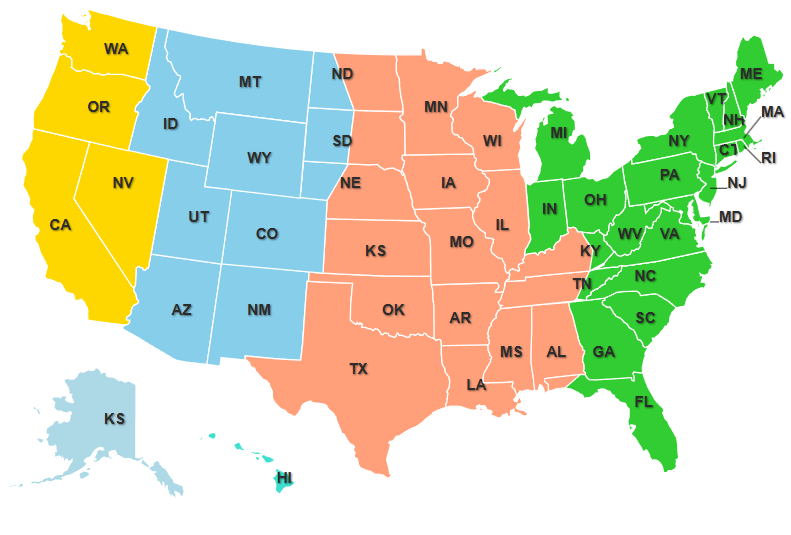
- Business Travelers: California’s robust tech industry and diverse economy mean many professionals travel here. Coordinating meetings with colleagues in New York (3 hours ahead), London (8 hours ahead during PST), or Tokyo (16 hours ahead during PST) requires careful scheduling. A 9:00 AM meeting in Los Angeles would be 12:00 PM in New York, 5:00 PM in London, and 1:00 AM the next day in Tokyo. Business travelers often leverage hotel amenities like 24-hour business centers and in-room Wi-Fi to facilitate these cross-time zone communications.
- Personal Connections: Staying in touch with family and friends also depends on time zone awareness. A casual call to a relative in Florida (3 hours ahead) or a video chat with friends in Australia (17-19 hours ahead, depending on their location and Daylight Saving Time) requires careful consideration to avoid inconvenient interruptions. These factors contribute significantly to the overall lifestyle experience of living or traveling in California.
Navigating California’s Diverse Attractions with Time in Mind
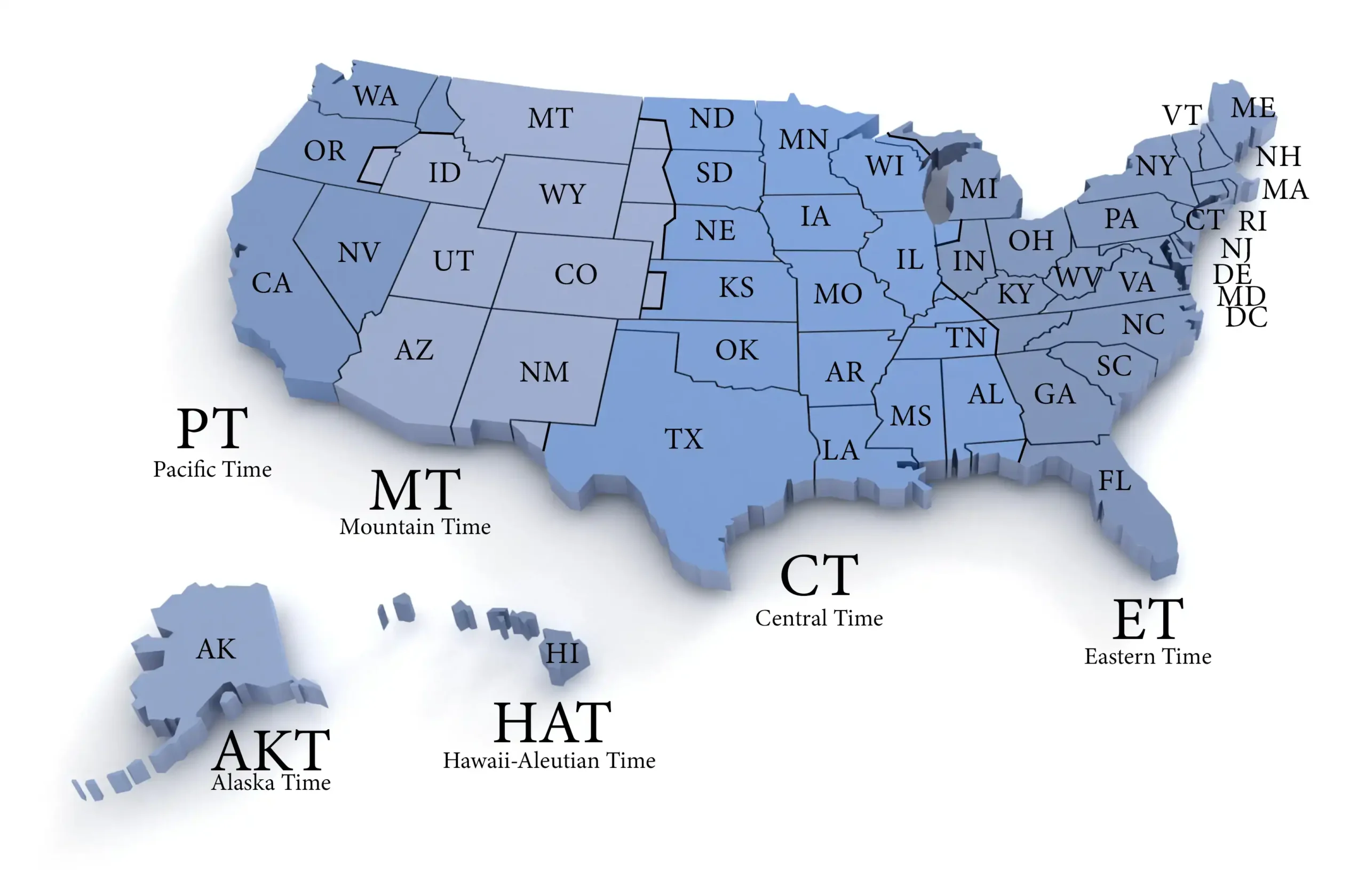
California’s immense geographical and cultural diversity means a trip can span from pristine beaches to towering mountains, bustling metropolises to serene deserts. Each of these experiences is influenced by the sun’s position and, by extension, the local time.
From Coastal Wonders to Desert Adventures: Maximizing Your Day
The state’s varied landscape offers a plethora of landmarks and attractions, all operating on Pacific Time.
- Coastal Regions: Along the magnificent coastline, from Big Sur to the beaches of Malibu, sunrise and sunset times directly correspond to Pacific Time. Planning a sunrise hike or a sunset dinner cruise requires precise timing. For instance, an early start to beat the crowds at the Santa Monica Pier or to catch the perfect light for photography in La Jolla is often influenced by the morning light, which arrives earlier during PDT.
- Mountain and Forest Areas: In places like Yosemite National Park, Sequoia National Park, or around Lake Tahoe, daylight hours dictate the feasibility of hiking, skiing, or other outdoor activities. Planning your departure and return times for a trail is vital for safety, particularly as daylight fades.
- Deserts: In the stark beauty of Death Valley National Park or the resort oasis of Palm Springs, the sun’s intensity peaks around midday Pacific Time. This informs optimal times for outdoor exploration, often recommending early morning or late afternoon to avoid extreme heat, making the most of the cooler parts of the day.
Understanding that all these diverse attractions share a common time zone simplifies planning, allowing travelers to create a cohesive itinerary from a road trip through Highway 1 to exploring the historic streets of Sacramento.
Local Experiences and Dining: Timing Your Taste of California
Beyond landmarks, California’s tourism thrives on its vibrant local culture, innovative food scene, and diverse activities.
- Dining and Nightlife: Restaurant opening hours, happy hour specials, and peak dining times are all locally anchored. A reservation for a coveted table in Los Angeles or San Francisco at 7:00 PM is 7:00 PM Pacific Time, regardless of where you’re coming from. Understanding this helps avoid hunger pangs at unusual hours due to jet lag or missed opportunities for late-night entertainment. Many local food tours and culinary experiences are also time-sensitive.
- Cultural Events and Activities: Concerts, theater shows, sports events (e.g., at Dodger Stadium or the Chase Center), and festivals (like Coachella) adhere strictly to Pacific Time. Checking the local start times and arriving punctually enhances the experience.
- Shopping and Museums: From the luxury boutiques of Rodeo Drive to the world-class collections at the Getty Center, operating hours are set by Pacific Time. Travelers can plan their visits effectively, integrating these into their lifestyle itinerary without missing opening or closing hours.
Overcoming Jet Lag and Embracing the California Rhythm
For many visitors, particularly those arriving from distant time zones, the challenge of jet lag can initially overshadow the excitement of their California trip. Adjusting to Pacific Time smoothly is crucial for a comfortable and enjoyable journey, allowing you to fully immerse yourself in the experiences and attractions the state offers.
Practical Tips for a Smooth Time Zone Transition
Mitigating jet lag is a significant aspect of travel lifestyle. Here are some effective strategies to help your body adapt to California’s time zone:
- Gradual Adjustment: If possible, try to shift your sleep schedule by an hour or two each day in the days leading up to your departure. This can ease your body into the new rhythm.
- Hydration: Drink plenty of water before, during, and after your flight. Dehydration can exacerbate jet lag symptoms. Avoid excessive caffeine and alcohol, especially during your flight.
- Embrace the Light: Upon arrival, expose yourself to natural light during California’s daylight hours, particularly in the morning. This helps reset your circadian rhythm. Conversely, avoid bright lights when it’s dark in California, even if your body thinks it’s daytime.
- Stay Active: Gentle exercise, like a walk along Venice Beach or in a local park, can help combat fatigue and improve sleep quality.
- Eat According to Local Time: Try to eat your meals at California’s breakfast, lunch, and dinner times, even if you don’t feel hungry. This helps signal to your body that it’s time to adjust.
- Short Naps, Not Long Sleeps: If you must nap, keep it short (20-30 minutes) to avoid falling into a deep sleep that can make it harder to sleep at night.
By proactively addressing jet lag, you ensure your energy levels are optimized for exploring landmarks like the Hollywood Walk of Fame, enjoying the local cuisine, and participating in planned activities without feeling sluggish.
Accommodation Choices and Long-Term Stays
Your choice of accommodation can also significantly impact your time zone adjustment and overall travel comfort.
- Hotels and Resorts: Many high-end hotels and resorts offer amenities specifically designed to help guests recover from jet lag. These might include blackout curtains, comfortable bedding, relaxing spa services, and 24-hour room service to accommodate unusual hunger patterns. Some luxury travel options even provide sleep kits or guided meditation services. When booking, consider properties that emphasize guest well-being and offer quiet environments.
- Apartments and Villas: For longer stays, or for those seeking a more home-like environment, booking an apartment or villa provides flexibility. Having a kitchen allows you to prepare meals on your own schedule, and separate living spaces can make it easier for families or groups to adjust at their own pace. Long-term stays often involve a deeper immersion into the local lifestyle, making a full adjustment to Pacific Time even more important.
- Comparison and Reviews: When comparing accommodation options, look for reviews that mention comfortable sleeping conditions or amenities helpful for travelers arriving from different time zones. A hotel with excellent soundproofing or a particularly comfortable bed can make a big difference in your first few nights. Whether you’re planning a budget travel trip or a lavish resort experience, the right accommodation choice contributes significantly to your ability to adapt to California’s rhythm.
In conclusion, while the question “What Time Zone Is California In Right Now?” has a straightforward answer – Pacific Time, shifting between PST (UTC-8) and PDT (UTC-7) – its implications are vast. A clear understanding of this temporal framework empowers travelers to plan with precision, connect effortlessly, and fully savor the diverse wonders of California, ensuring a memorable and well-timed experience from arrival to departure.
LifeOutOfTheBox is a participant in the Amazon Services LLC Associates Program, an affiliate advertising program designed to provide a means for sites to earn advertising fees by advertising and linking to Amazon.com. Amazon, the Amazon logo, AmazonSupply, and the AmazonSupply logo are trademarks of Amazon.com, Inc. or its affiliates. As an Amazon Associate we earn affiliate commissions from qualifying purchases.