
For visitors planning an adventure through the diverse landscapes of South Dakota, understanding its unique time zone geography is not merely a curious fact but a crucial piece of information for seamless travel. Unlike many states that uniformly adhere to a single time zone, South Dakota straddles two distinct zones: Central Standard Time (CST) and Mountain Standard Time (MST). This division can be a source of minor confusion or, if unprepared, a significant planning headache for those traversing the state, scheduling activities, or simply trying to make an appointment. Delving into where and why this change occurs is essential for any thoughtful itinerary, ensuring that precious moments are spent exploring, not correcting time discrepancies.
The time zone boundary in South Dakota is more than just an arbitrary line on a map; it reflects a blend of historical context, geographic realities, and local considerations. From the bustling eastern cities to the rugged western Badlands, the shift in time is a subtle yet impactful element of the state’s identity. For tourists, being aware of this temporal divide means optimizing travel plans, avoiding missed bookings, and fostering a deeper appreciation for the intricacies of this fascinating Midwestern state.
Understanding South Dakota’s Unique Time Zone Divide
South Dakota’s temporal landscape is characterized by its division into two primary time zones. The vast majority of the state observes Central Standard Time (CST), which is UTC-6 during standard time and UTC-5 during Daylight Saving Time (CDT). However, a significant portion of the western part of the state operates on Mountain Standard Time (MST), which is UTC-7 during standard time and UTC-6 during Daylight Saving Time (MDT). This means that travelers moving from east to west will “lose” an hour, while those heading from west to east will “gain” an hour. This shift, typically occurring as one crosses a specific line of longitude, is a practical consideration for anyone engaging with the state’s diverse offerings.
A Tale of Two Times: Central vs. Mountain
The distinction between CST and MST is not just a matter of convenience; it is rooted in the historical development of time zones across North America. The system, primarily established by railroad companies in the late 19th century to standardize schedules, aimed to bring order to what was previously a chaotic patchwork of local solar times. The Mountain Time Zone generally encompasses states and regions situated along the Rocky Mountains and westward, while the Central Time Zone covers the central plains. South Dakota’s position as a transitional state places it squarely in the middle, necessitating a split.
The practical implication of this split is that activities and appointments scheduled in different parts of the state need to be carefully coordinated. For instance, a flight departing from Rapid City Regional Airport (in MST) to Sioux Falls Regional Airport (in CST) will involve not just flight time but also an hour’s adjustment upon arrival, which can affect connecting travel or ground transportation arrangements. Understanding this “tale of two times” is the first step toward a smooth journey through South Dakota.
Historical Roots of the Split
The division of time zones in the United States was formally codified by the Standard Time Act of 1918 and further refined over the years, with the Department of Transportation (DOT) now overseeing the boundaries. In South Dakota’s case, the boundary has seen minor adjustments but has largely remained consistent due to a combination of population distribution, economic ties, and natural geographic features. The western counties, historically less densely populated and more aligned with the resource-based industries and cultural connections of the Rocky Mountain West, found it more practical to align with Mountain Time. Meanwhile, the more agriculturally focused and populated eastern plains maintained stronger connections to the Central Time Zone, aligning with major hubs like Omaha and Minneapolis. This historical alignment has persisted, creating the distinct time zone map we see today.
Pinpointing the Geographic Boundary
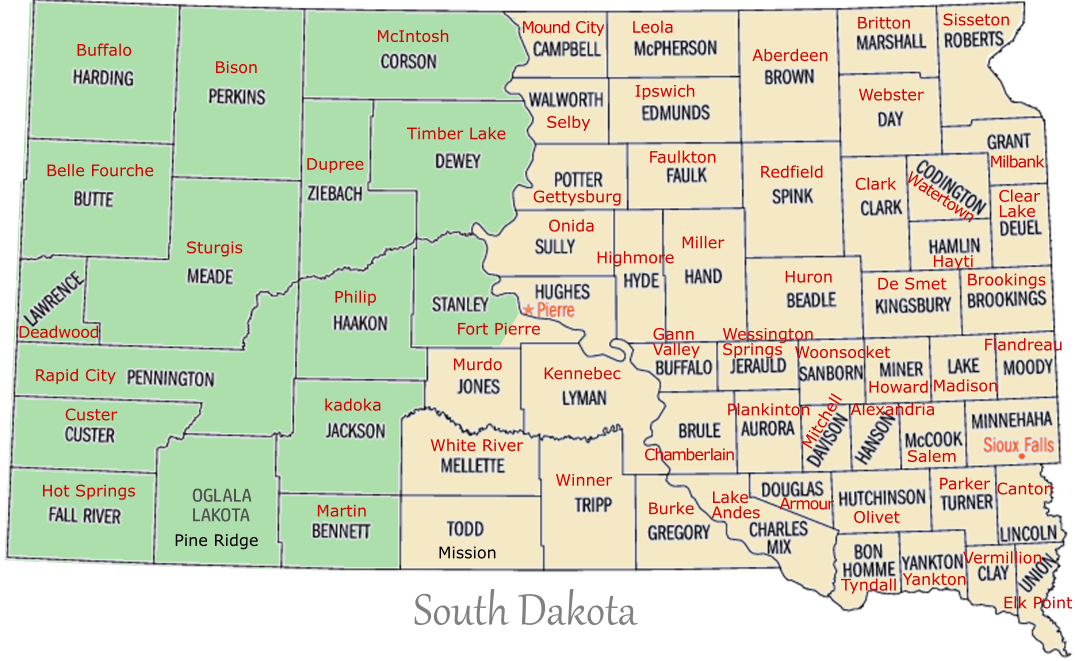
For the curious traveler or meticulous planner, knowing the exact demarcation of the time zone change is paramount. While general guidelines exist, the specific counties and their alignment are what truly define the border. This boundary isn’t always a straight line, but rather a series of county lines that zigzag across the state, primarily in its central and southwestern regions.
The Missouri River: A Natural but Not Exclusive Divide
A common misconception is that the Missouri River serves as the primary time zone boundary in South Dakota. While the river does run north-south through the state and broadly separates the eastern and western halves, it is not the precise or exclusive dividing line for time zones. Many counties located west of the Missouri River still observe Central Time, further illustrating the complexity. This makes relying solely on the river for time zone orientation unreliable and can lead to errors in planning. The actual boundary lies further west, deep within the state’s interior.
Counties Bridging the Time Gap
The time zone change predominantly occurs across a specific set of counties in South Dakota. The counties that observe Mountain Time are generally those found in the extreme western and southwestern parts of the state. These include, but are not limited to, Fall River County, Custer County, Pennington County, Meade County (western part), Butte County, Harding County, and Perkins County.
However, a key area of transition lies in the counties immediately to their east. For example, Bennett County, Shannon County (now Oglala Lakota County), Jackson County, Haakon County, and Ziebach County are among those that mark the shift from Central to Mountain Time. Travelers driving west on Interstate 90 will generally cross into Mountain Time west of Kadoka in Jackson County or even further west depending on specific route choices. It is crucial for visitors to consult detailed maps or reliable GPS services that clearly indicate time zone boundaries when planning travel through these specific regions.
Key Cities and Their Time Zones
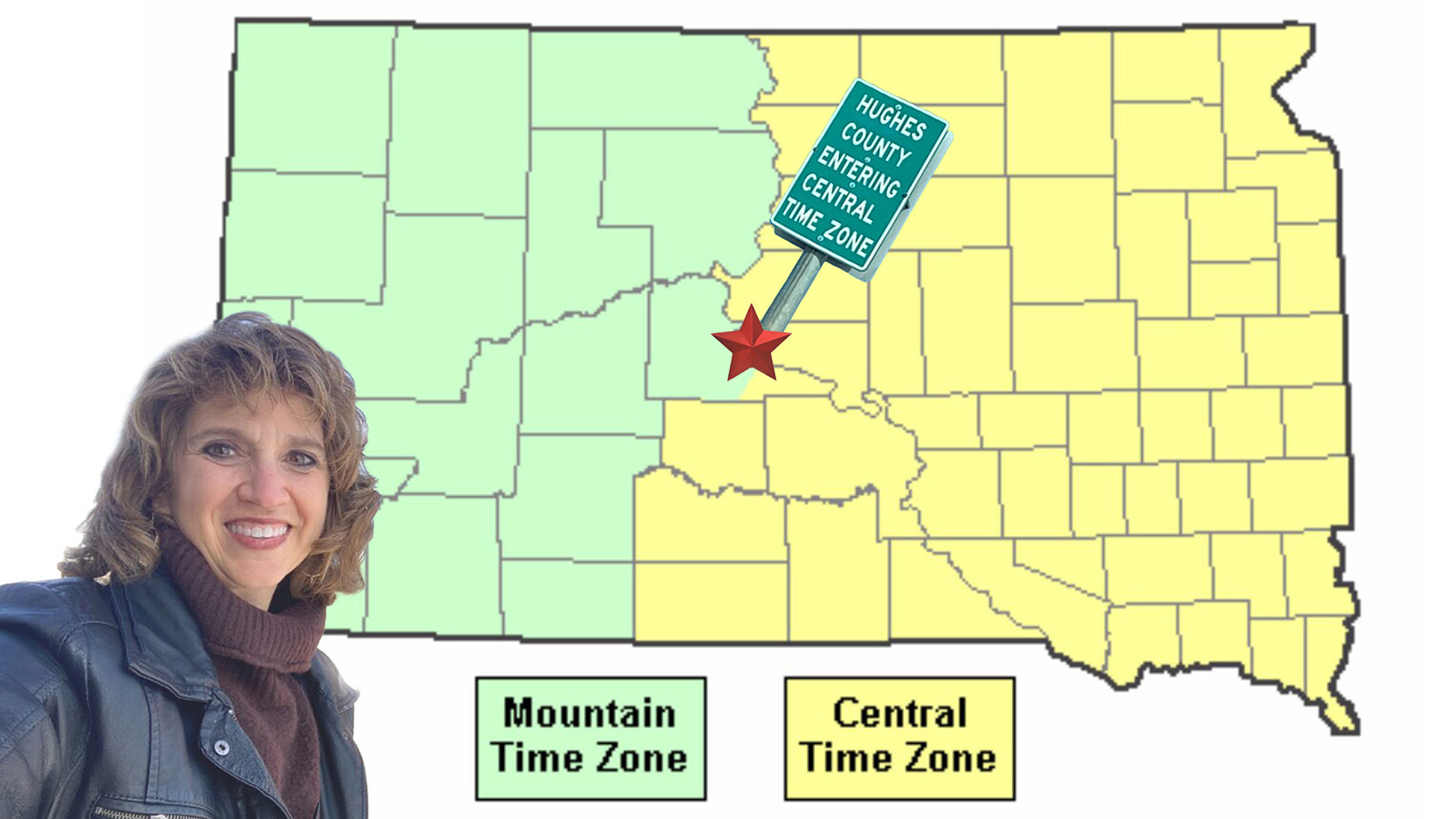
To illustrate this more concretely for tourists, here are some key cities and the time zones they observe:
- Central Time Zone:
- Sioux Falls
- Pierre (the state capital)
- Aberdeen
- Watertown
- Brookings
- Mitchell
- Yankton
- Chamberlain
- Mountain Time Zone:
Notice that while Pierre is located somewhat centrally in the state, it remains in the Central Time Zone, reinforcing that the Missouri River is not the boundary. Wall, famous for Wall Drug Store, is firmly in the Mountain Time Zone, often serving as a mental marker for many travelers as they head towards the Black Hills.
Practical Implications for Travelers and Residents
The time zone change in South Dakota has more than just theoretical significance; it has tangible effects on daily life and travel planning. For tourists, being aware of these implications can prevent logistical mishaps and ensure a smoother, more enjoyable trip. From scheduling tours to simply knowing when dinner reservations are, the hour difference demands attention.
Planning Your Itinerary Across Time Zones
When designing a South Dakota itinerary that spans both eastern and western regions, always account for the time change. If you have a morning activity planned in Sioux Falls (CST) and an afternoon event in Rapid City (MST), remember that the drive time will be effectively “longer” by an hour due to the time shift. For example, if you leave Pierre at 8:00 AM CST and drive for 3 hours west, you would expect to arrive at 11:00 AM CST. However, upon crossing into MST, your clock would adjust back an hour, meaning your arrival time would be 10:00 AM MST. This “extra” hour can be a blessing or a curse depending on your schedule. Conversely, traveling east, you “lose” an hour. Be particularly careful with attractions that have strict opening and closing times, such as Mount Rushmore National Memorial or Custer State Park, which operate on Mountain Time.
Communication and Appointments: Avoiding Confusion
Beyond travel times, the time zone split can impact communication and scheduled appointments. If you are calling a hotel, restaurant, or attraction in a different time zone, always clarify which time zone they are operating in. This is especially critical for confirming reservations, tour departure times, or setting up meetings. Many businesses in the transitional areas are well-versed in handling these discrepancies, but a proactive approach from the traveler can prevent misunderstandings. When booking online, ensure the time displayed is for the correct local time zone of the destination you are selecting. Mobile phones and digital calendars typically adjust automatically, but it’s always wise to double-check, particularly if you’re relying on printed schedules.
Daylight Saving Time: An Additional Layer
Like most of the United States, South Dakota observes Daylight Saving Time (DST). This means that both the Central and Mountain time zones “spring forward” by one hour in the spring and “fall back” by one hour in the autumn. The key thing to remember is that the difference between the two time zones remains constant: Mountain Time is always one hour behind Central Time. So, when CST becomes CDT (Central Daylight Time), MST becomes MDT (Mountain Daylight Time). The one-hour differential persists, but the absolute offset from UTC changes. Travelers should ensure their devices are set to automatically adjust for DST to avoid any additional confusion.
Navigating the Time Change: Tips for a Smooth Experience
While the time zone change in South Dakota might seem like a minor detail, a little preparation can go a long way in ensuring a stress-free trip. Embracing the logistical nuances of this temporal divide is part of the adventure.
Tools and Technology for Time Zone Awareness
Modern technology is your best friend when dealing with time zone changes. Your smartphone will typically update automatically based on your device’s location services. However, it’s good practice to have a world clock widget on your phone or check a reliable online time zone converter, especially if you are coordinating with others or dealing with fixed appointment times. GPS navigation systems usually display local time, which can be a helpful indicator as you drive. Additionally, some apps specifically designed for travel planning can incorporate time zone changes into your itinerary. Keep a traditional watch handy or simply ask locals, who are often the best resource for current local time.
When in Doubt, Confirm Local Time
The golden rule for navigating South Dakota’s time zones is: when in doubt, confirm. If you’re booking an excursion, calling ahead to a restaurant, or checking into accommodation, explicitly ask for the local time of your reservation or event. Don’t assume. This simple step can prevent missed opportunities and unnecessary stress. Many businesses in the boundary areas are accustomed to this question and will be happy to clarify. Pay attention to signage as you enter new towns, as some communities near the border might have signs indicating their time zone.

Embracing the Uniqueness of South Dakota’s Time
Ultimately, the time zone change is part of what makes South Dakota a unique place to visit. It’s a subtle reminder of the vastness of the American landscape and the historical forces that shaped its administrative divisions. Rather than viewing it as an obstacle, consider it an interesting aspect of your journey. It offers a practical lesson in geography and an opportunity to fine-tune your travel planning skills. Embrace the challenge, enjoy the journey, and appreciate the distinct rhythm of both Central and Mountain Time as you traverse the beautiful state of South Dakota.
By understanding where the time change occurs, why it exists, and how to practically manage it, visitors can ensure that their trip through South Dakota is as punctual and enjoyable as possible, allowing them to focus on the breathtaking scenery, rich history, and vibrant culture that await them.
LifeOutOfTheBox is a participant in the Amazon Services LLC Associates Program, an affiliate advertising program designed to provide a means for sites to earn advertising fees by advertising and linking to Amazon.com. Amazon, the Amazon logo, AmazonSupply, and the AmazonSupply logo are trademarks of Amazon.com, Inc. or its affiliates. As an Amazon Associate we earn affiliate commissions from qualifying purchases.