
For many in Michigan and beyond, the allure of Traverse City represents a significant departure from the urban pulse of Detroit. This journey northward is more than just a matter of miles; it’s a transition from bustling highways to scenic byways, leading to a landscape defined by freshwater beaches, cherry orchards, and a vibrant cultural scene. Understanding the distance, travel time, and various considerations for this trip is crucial for anyone planning to experience the best of Northern Michigan. While the precise mileage can vary slightly depending on your exact starting point in Detroit and your final destination in Traverse City, the general consensus places the journey at approximately 250 miles (400 kilometers). This translates to an average driving time of around 4 to 4.5 hours under ideal conditions, without significant stops or traffic delays. However, the true beauty of this trip lies not just in the destination, but often in the journey itself, a point worth exploring for an insightful and engaging travel experience.

The Journey North: Understanding the Distance and Drive
The drive from Detroit to Traverse City is a quintessential Michigan road trip, transitioning from the industrial heartland to the state’s picturesque “Up North.” While the 250-mile figure provides a baseline, a deeper understanding of the routes and factors influencing travel time is essential for planning. This journey, primarily on well-maintained highways, offers a glimpse into the diverse geography of the Lower Peninsula.
Direct Distance vs. Driving Route
Geographically, the straight-line distance might appear shorter, but practical travel necessitates following established road networks. The approximate 250 miles represent the most efficient driving routes. This distance is substantial enough to warrant careful planning, especially if traveling with family or during peak seasons. The route typically involves a significant stretch of interstate highway, followed by state routes, each offering different driving experiences and speeds. The transition from multi-lane interstates to two-lane highways is a clear indicator that you’re entering the more rural, scenic parts of the state, signaling a shift in pace and atmosphere.
Estimated Travel Time and Factors Influencing It
As mentioned, the estimated travel time is around 4 to 4.5 hours. However, this is an optimistic projection. Several factors can significantly alter this:
- Traffic: Departing Detroit during rush hour or encountering congestion in the northern suburbs can add considerable time. Similarly, heavy tourist traffic, particularly on summer weekends or during major festivals in Traverse City, can slow down the final leg of the journey.
- Weather Conditions: Michigan weather is notoriously unpredictable. Winter brings snow and ice, potentially doubling travel times or making roads impassable. Even heavy rain or fog in other seasons can necessitate slower driving speeds.
- Construction: Road construction projects are common, especially during warmer months, and can lead to detours or lane closures that extend travel time.
- Stops: Fueling up, grabbing a meal, or simply stretching your legs will naturally add to the overall duration. Planning for at least one or two 15-30 minute stops is advisable for a comfortable trip.
Key Routes: I-75 North and US-131 North
Two primary routes typically connect Detroit to Traverse City:
- I-75 North: This is often the most straightforward and fastest option. From Detroit, you’ll head north on I-75 through cities like Flint and Saginaw. North of Saginaw, you’ll typically take US-10 West to US-127 North, which then connects to M-72 West directly into Traverse City. This route is predominantly highway driving, minimizing turns and maximizing speed limits.
- US-131 North: An alternative involves taking I-96 West from Detroit towards Grand Rapids, then connecting to US-131 North. US-131 will take you directly north through the heart of Michigan, passing through towns like Cadillac before you branch off onto M-72 or M-37 to reach Traverse City. While potentially slightly longer in mileage, this route can sometimes offer fewer tolls (if any, depending on the exact starting point and I-75 segments) and a different scenic perspective.
Both routes offer numerous opportunities for rest and refueling, making the drive manageable and enjoyable.
Preparing for Your Trip: Essential Considerations
A successful road trip to Traverse City from Detroit goes beyond just knowing the distance. Thoughtful preparation can significantly enhance the experience, ensuring safety, comfort, and enjoyment for all travelers. From timing your departure to readying your vehicle, every detail contributes to a seamless journey.
Best Time to Travel
The ideal time to make the drive largely depends on your priorities and tolerance for crowds:
- Summer (June-August): This is peak tourist season. The weather is warm, perfect for beaches and outdoor activities. However, expect heavier traffic, especially on weekends, and higher prices for accommodations. Booking well in advance is essential. The cherry harvest in July is a unique draw.
- Fall (September-October): The autumn colors in Northern Michigan are spectacular, making this a favorite for scenic drives. Crowds are thinner than in summer, but still present, especially around color-peak weekends. The weather is generally crisp and pleasant.
- Spring (April-May): As the snow melts and nature reawakens, spring offers milder weather and fewer crowds. It’s an excellent time for hiking and enjoying the nascent beauty, though some attractions might have limited hours early in the season.
- Winter (November-March): For winter sports enthusiasts, this is the time to go. Skiing, snowboarding, and snowshoeing are popular. The drive can be challenging due to snow and ice, requiring careful vehicle preparation and flexible timing. Roads are generally less busy, but weather-related delays are common.
Vehicle Preparation
Before embarking on a 250-mile journey, a thorough check of your vehicle is paramount:
- Tire Condition and Pressure: Ensure tires are properly inflated and have adequate tread depth, especially if traveling in winter.
- Fluid Levels: Check oil, coolant, brake fluid, and windshield washer fluid. Top up as needed.
- Brakes: Make sure your brakes are in good working order.
- Lights and Wipers: Verify all lights are functional, and wipers can clear the windshield effectively.
- Emergency Kit: Pack a basic emergency kit including jumper cables, a first-aid kit, a flashlight, blankets, non-perishable snacks, and water. For winter travel, add a small shovel, sand or kitty litter for traction, and extra warm clothing.
- Navigation: While cellular service is generally good along major routes, a downloaded map or a physical map is a reliable backup, especially in more rural areas.
Planning Your Stops
Strategic stops can break up the drive and prevent fatigue. Consider these types of stops:
- Fuel: Plan your fuel stops, especially if you want to avoid premium prices at certain service stations or prefer a specific brand. Larger towns along I-75 or US-131 (e.g., Saginaw, Clare, Cadillac) offer ample options.
- Food: Pack snacks and drinks to minimize stops, but plan for at least one substantial meal break. Consider local eateries along the way for a taste of regional fare, or opt for quick-service restaurants at larger rest areas.
- Rest Areas: Michigan provides well-maintained rest areas along its major highways, ideal for quick bathroom breaks and stretching.
- Points of Interest: Depending on your schedule, you might consider a brief detour to a point of interest like the historic town of Frankenmuth (a slight detour off I-75) or a scenic overlook. This transforms a simple drive into part of the adventure.
Beyond the Drive: Why Traverse City is Worth the Journey
While the drive from Detroit to Traverse City is an experience in itself, the destination is truly what makes the journey worthwhile. Traverse City stands as a beacon of natural beauty, culinary excellence, and vibrant culture in Northern Michigan, drawing visitors year-round. Its unique charm stems from its picturesque location on Grand Traverse Bay, an arm of Lake Michigan, offering a blend of freshwater recreation and sophisticated amenities.
A Premier Northern Michigan Destination
Traverse City has earned its reputation as a premier destination for several reasons. It’s often referred to as the “Cherry Capital of the World,” a nod to its abundant cherry orchards and the annual National Cherry Festival that draws hundreds of thousands of visitors. Beyond its agricultural roots, the city has blossomed into a sophisticated hub, balancing its small-town feel with world-class offerings. The fresh air, pristine waters, and lush forests create an idyllic backdrop for relaxation and adventure, making it a stark and refreshing contrast to urban life. Its strategic location also makes it a gateway to other stunning areas like the Leelanau Peninsula and the Old Mission Peninsula, both renowned for their wine regions.
Key Attractions and Activities
Upon arrival, visitors to Traverse City are greeted with an abundance of activities and attractions:
- Sleeping Bear Dunes National Lakeshore: Just a short drive west, this iconic natural wonder offers towering sand dunes, pristine beaches, and breathtaking views of Lake Michigan. Dune climbing, scenic drives along Pierce Stocking Scenic Drive, and hiking trails are popular activities.
- Wineries and Breweries: The region is a burgeoning wine country, particularly on the Old Mission Peninsula and Leelanau Peninsula. Visitors can embark on wine tours, sampling local vintages, especially the acclaimed Rieslings. The craft beer scene is also thriving, with numerous microbreweries offering unique brews.
- Downtown Traverse City: The charming downtown area boasts an array of boutique shops, art galleries, and diverse restaurants. Front Street is the heart of the action, perfect for a leisurely stroll, people-watching, and enjoying the vibrant atmosphere.
- Outdoor Recreation: Grand Traverse Bay provides opportunities for kayaking, paddleboarding, sailing, and swimming. Numerous hiking and biking trails crisscross the area, catering to all skill levels. In winter, skiing and snowshoeing are popular at nearby resorts.
- Culinary Scene: Beyond cherries, Traverse City is celebrated for its farm-to-table restaurants, fresh Great Lakes fish, and innovative cuisine. Food festivals and farmers’ markets further highlight the region’s agricultural bounty.
Accommodation and Dining
Traverse City offers a wide spectrum of accommodation options to suit every preference and budget. From luxurious resorts overlooking the bay to quaint bed and breakfasts, family-friendly hotels, and cozy vacation rentals, visitors will find suitable lodging. During peak season, especially summer and fall color weekends, booking accommodation well in advance is highly recommended due to high demand. The dining scene is equally diverse, ranging from casual cafes and brewpubs to upscale fine dining establishments. Many restaurants emphasize locally sourced ingredients, reflecting the region’s commitment to fresh, seasonal fare. Exploring these culinary delights is an integral part of the Traverse City experience.
Alternative Travel Options to Traverse City
While driving offers the most flexibility and the classic Michigan road trip experience, it’s not the only way to get from Detroit to Traverse City. Depending on budget, time constraints, and personal preference, other modes of transport can provide a convenient alternative.
Air Travel
For those prioritizing speed and minimizing driving time, flying is the most efficient option.
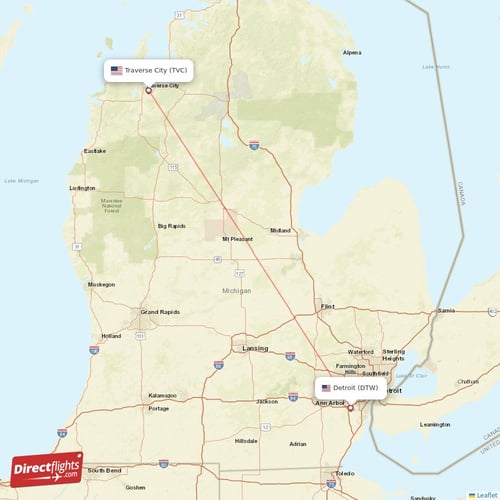
- Detroit Metropolitan Wayne County Airport (DTW): As a major hub, DTW offers numerous daily flights.
- Cherry Capital Airport (TVC): Traverse City’s local airport, TVC, is well-connected.
Direct flights are often available, making the journey approximately 1 hour. While the flight itself is short, factoring in travel to and from airports, security checks, and baggage claim will add to the total travel time. It’s often quicker door-to-door for shorter trips or those looking to avoid a long drive. However, airfare can be significantly more expensive than the cost of gas for driving, and you’ll likely need to rent a car upon arrival in Traverse City to fully explore the region.
Bus Services
Bus travel offers a more economical option, though it is typically the longest in terms of travel duration.
- Indian Trails: This is Michigan’s largest motorcoach company, offering routes that connect major cities, including Detroit and Traverse City.
The bus journey usually involves transfers and multiple stops, extending the travel time significantly, often to 6-8 hours or more. It’s a viable option for budget-conscious travelers who don’t mind a longer trip and prefer not to drive. Baggage allowances and comfort levels should be considered when opting for bus travel.
Ride-Sharing/Car Pooling
For some, ride-sharing services or carpooling platforms can be an option, particularly for individual travelers. While direct ride-shares from Detroit to Traverse City might be expensive due to the distance, carpooling apps can connect travelers looking to share costs and reduce environmental impact. This offers a middle ground between public transport and driving your own vehicle, blending cost-effectiveness with the flexibility of a car journey.
Making the Most of Your Northern Michigan Adventure
Regardless of how you choose to make the 250-mile journey from Detroit to Traverse City, the destination promises an unforgettable experience. To truly maximize your time and embrace the spirit of Northern Michigan, a bit of strategic planning and an open mind can go a long way. This includes crafting a flexible itinerary, understanding local nuances, and appreciating the seamless connection between the urban energy of Detroit and the serene beauty of Traverse City.
Suggested Itineraries
To help you get started, here’s a brief suggestion for a multi-day itinerary in Traverse City:
- Day 1: Arrival and Downtown Exploration. Arrive, check into your accommodation. Spend the afternoon strolling along Front Street, exploring shops and galleries. Enjoy dinner at a downtown restaurant featuring local ingredients.
- Day 2: Sleeping Bear Dunes National Lakeshore. Dedicate a full day to the dunes. Drive the Pierce Stocking Scenic Drive, hike the Dune Climb, and relax on one of the pristine Lake Michigan beaches. Pack a picnic to enjoy amidst the stunning scenery.
- Day 3: Wine Country Tour. Explore either the Old Mission Peninsula or Leelanau Peninsula. Visit a few wineries for tastings, enjoy the scenic drives (like M-22 on Leelanau), and perhaps stop at a local farm stand.
- Day 4: Bay Activities and Departure. Spend the morning enjoying Grand Traverse Bay with kayaking or paddleboarding, or a leisurely walk along the TART Trail. Grab a final local meal before beginning your journey back to Detroit.
This is just a template; Traverse City’s versatility allows for endless customization, from golfing and fishing trips to arts and cultural excursions.
Safety and Local Etiquette
When traveling, especially to a different region, a few considerations can ensure a smooth and respectful visit:
- Road Safety: Adhere to speed limits, be mindful of wildlife (especially deer) on rural roads, and maintain a safe following distance. In winter, adjust driving for conditions.
- Outdoor Ethics: If exploring natural areas, practice Leave No Trace principles: pack out what you pack in, stay on marked trails, and respect wildlife.
- Support Local: Traverse City thrives on its local businesses. Prioritize dining at local restaurants and shopping at independent boutiques to support the community.
- Be Patient: During peak season, popular attractions and restaurants can be busy. A patient and flexible attitude will enhance your experience.
Connecting Detroit and Traverse City
The distance between Detroit and Traverse City is more than just miles; it represents a journey between two distinct yet equally vital facets of Michigan’s identity. Detroit, with its rich history, automotive legacy, and vibrant urban renewal, embodies the resilience and innovative spirit of the state. Traverse City, on the other hand, showcases Michigan’s unparalleled natural beauty, its agricultural bounty, and its growing reputation as a destination for leisure and gastronomy. The drive bridges these two worlds, offering travelers an opportunity to experience the full spectrum of what the Great Lakes State has to offer. Whether you’re a city dweller seeking a natural escape or a visitor eager to explore Michigan’s diverse landscapes, the journey to Traverse City from Detroit is a rewarding adventure, well worth the distance.
LifeOutOfTheBox is a participant in the Amazon Services LLC Associates Program, an affiliate advertising program designed to provide a means for sites to earn advertising fees by advertising and linking to Amazon.com. Amazon, the Amazon logo, AmazonSupply, and the AmazonSupply logo are trademarks of Amazon.com, Inc. or its affiliates. As an Amazon Associate we earn affiliate commissions from qualifying purchases.