
For many, the end of summer is marked definitively by the turning pages of a calendar or the return to school schedules. Labor Day often serves as the unofficial curtain call for long, sun-drenched days and spontaneous adventures. However, when considering California, this traditional view of summer’s conclusion is delightfully and profoundly misleading. The Golden State operates on its own unique seasonal rhythm, one that extends the warmth and vibrancy of summer well into what other regions call autumn, offering travelers an extended window of exceptional experiences. Understanding this distinct climatic reality is key to unlocking some of the best travel opportunities California has to offer.
Redefining Summer: Beyond the Calendar in California
The conventional definitions of summer – whether astronomical or meteorological – often fail to capture the prolonged period of warmth and sunshine that characterizes much of California. Travelers expecting a sharp drop in temperatures and an end to outdoor activities post-Labor Day are often pleasantly surprised by an enduring season of idyllic weather.
Meteorological vs. Astronomical Summer
Astronomically, summer officially ends with the autumnal equinox, typically around September 22nd or 23rd. Meteorologically, summer encompasses June, July, and August, primarily for statistical and forecasting purposes. While these dates hold true globally, California’s microclimates often march to a different drum. The vast majority of the state, especially its iconic coastal regions, experiences its warmest, driest, and sunniest days extending well beyond these markers. This climatic anomaly is what truly defines the “end” of summer for travel purposes – not a date on the calendar, but a gradual transition that often stretches deep into October, and sometimes even November. This extended period offers a unique blend of summer’s best attributes with the burgeoning beauty of fall.
The “Indian Summer” Phenomenon
Perhaps the most famous manifestation of California’s protracted summer is the ubiquitous “Indian Summer.” This term refers to a period of unusually warm, dry, and hazy weather that typically occurs in mid to late autumn, after the first frost or cool spell. In California, particularly along the coast, the Indian Summer isn’t just a brief reprieve; it’s often the peak of the warm season. September and October can frequently be the warmest months in cities like San Francisco and parts of Southern California, where the persistent “June Gloom” and “July Gray” of early summer finally lift, giving way to brilliant, clear skies and comfortably high temperatures. This phenomenon is a traveler’s dream, offering an extended window for beach days, outdoor dining, and exploring the state’s natural beauty without the intense heat or the initial crowds of mid-summer. It’s a time when the ocean is at its warmest for swimming, and the landscape is still bathed in golden light, yet with a subtle shift hinting at the coming season.
A Tapestry of Seasons: California’s Diverse Regional Climates
To truly understand when summer concludes in California, one must appreciate the state’s incredible geographical diversity. California isn’t a monolithic climate zone; it’s a collection of distinct microclimates, each with its own interpretation of summer’s end.
Coastal California: Prolonged Warmth and Foggy Mornings
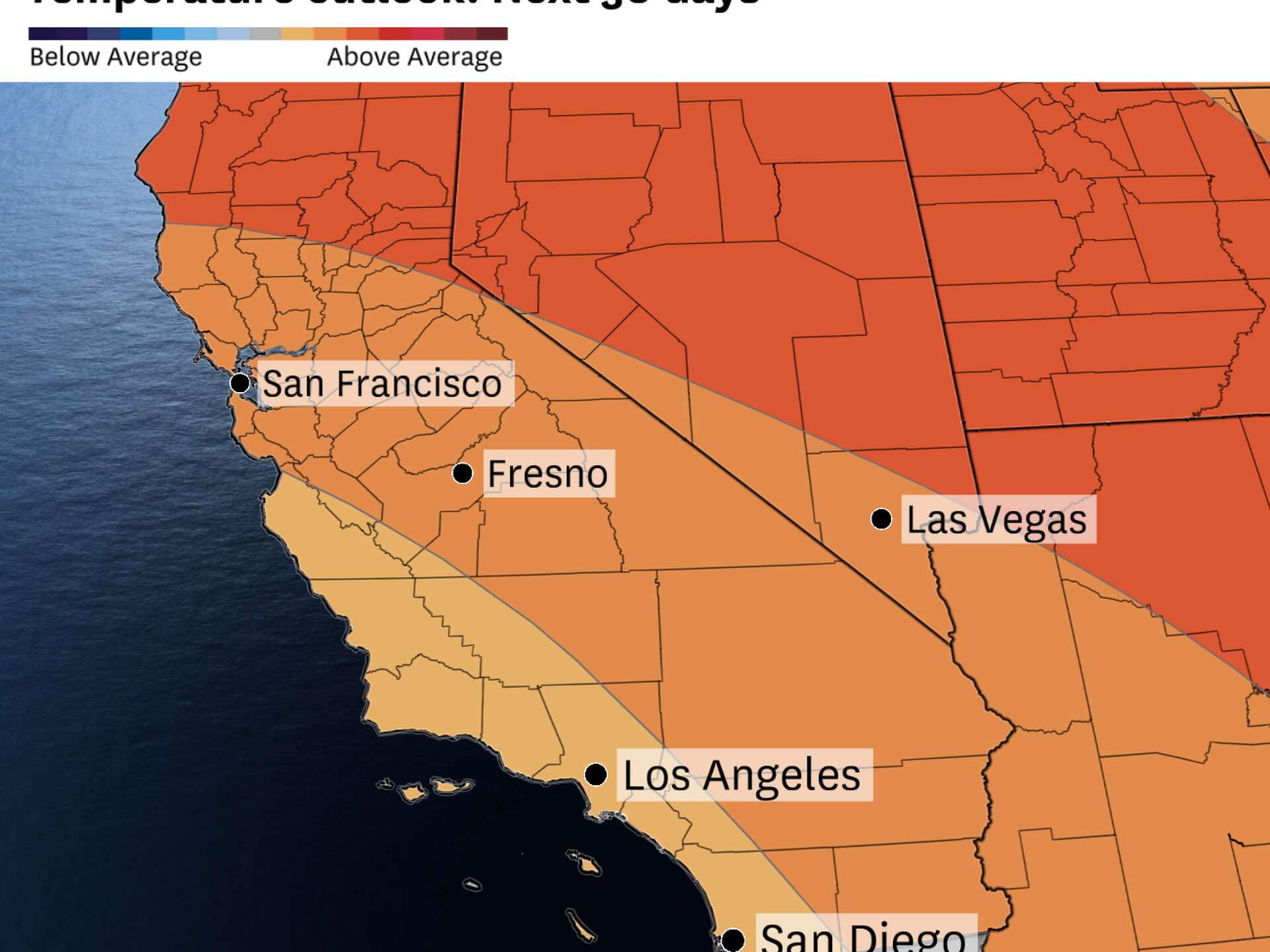
Along the sprawling 840-mile coastline, from the dramatic cliffs of Big Sur to the sun-kissed beaches of San Diego, summer typically lingers longest. Cities like Los Angeles, Santa Barbara, and San Diego often experience their warmest and clearest days in September and October. The marine layer, which frequently brings morning fog during June and July, tends to dissipate earlier in the day during the autumn months, leading to long afternoons of brilliant sunshine and comfortable temperatures ideal for beach outings, surfing, or simply enjoying oceanfront dining. Even in Northern California, where summers can be cooler, September and October often bring the most pleasant weather to coastal areas, offering a reprieve from the strong winds and fog that define much of the earlier summer. This extended warmth makes coastal excursions exceptionally appealing well into late fall, allowing travelers to enjoy popular attractions like the Pacific Coast Highway and Monterey Bay without the peak season crowds.
Inland Valleys and Deserts: The Gradual Cool Down
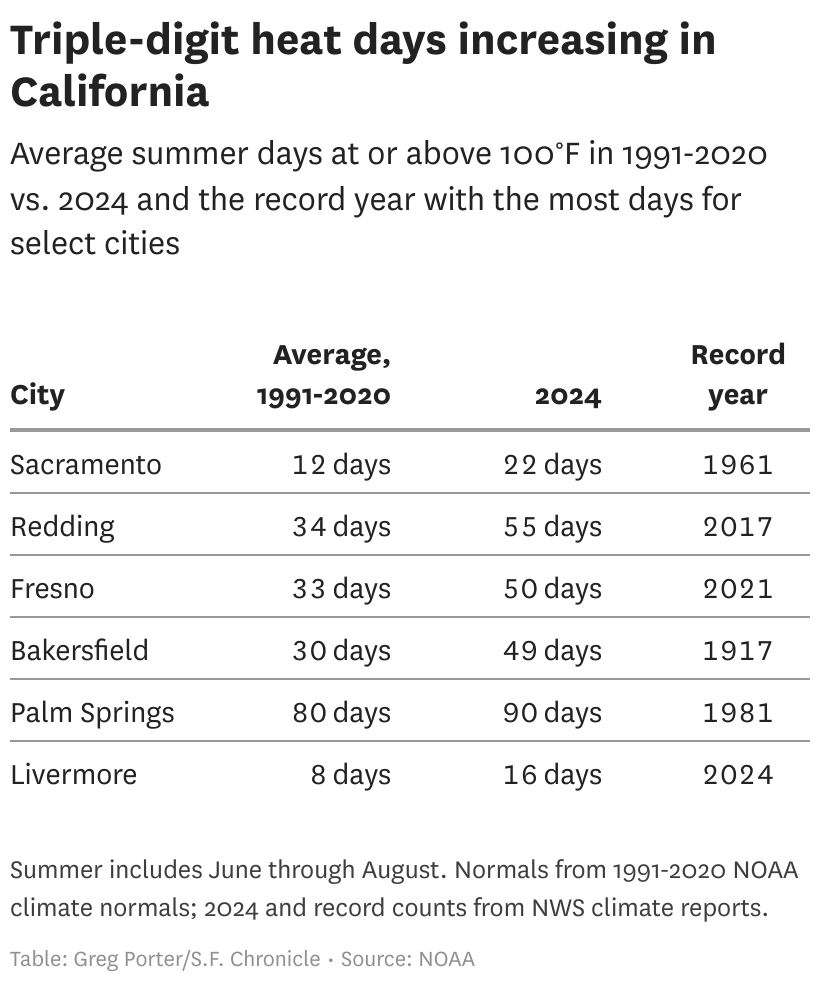
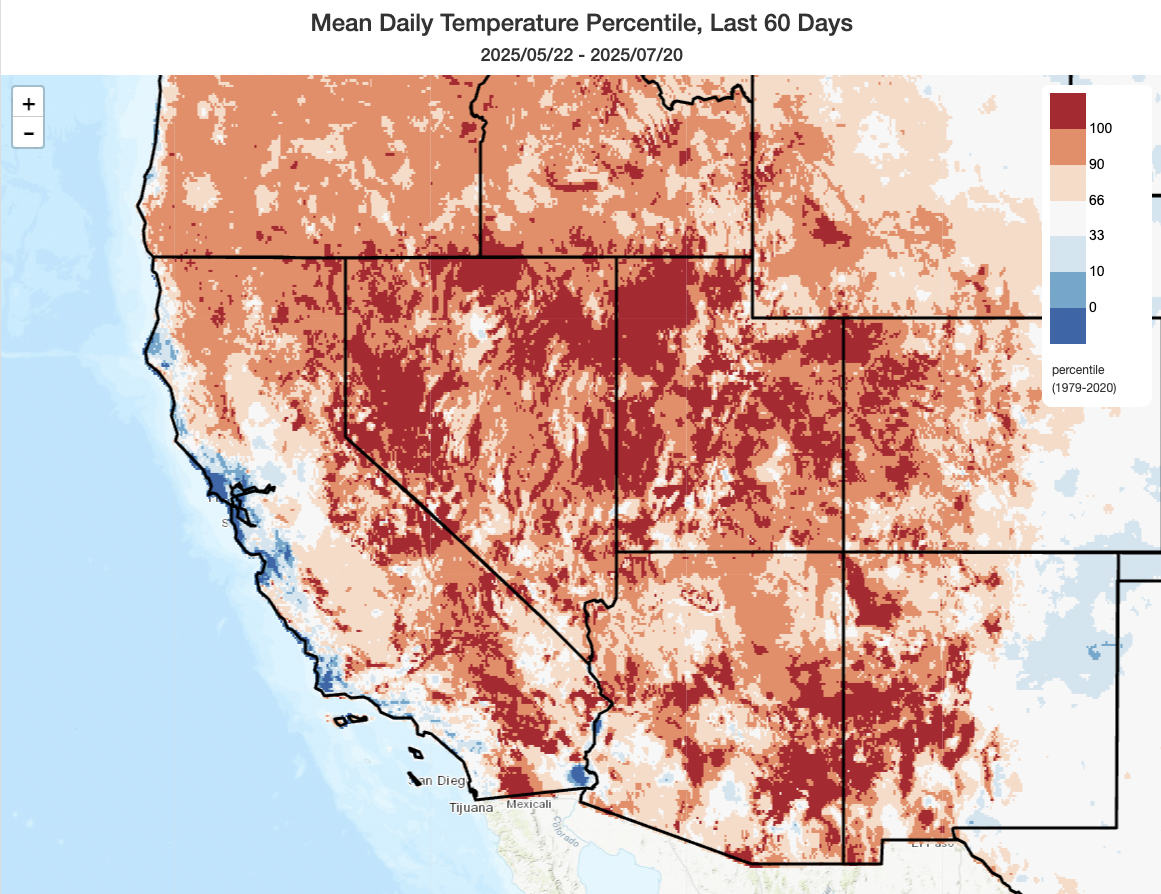
Venturing inland, away from the moderating influence of the Pacific Ocean, the seasonal shifts become more pronounced, though still distinct from other parts of the country. In the vast Central Valley, home to cities like Sacramento and Fresno, the intense heat of July and August slowly gives way to pleasantly warm days and refreshingly cool nights in September and October. This gradual cool-down makes autumn an excellent time for agricultural tourism, such as exploring farmers’ markets or visiting pumpkin patches. Further east, in the desert regions like Palm Springs and Death Valley, the story is similar but with a more dramatic swing. While peak summer temperatures can be oppressive, September and October mark a welcome transition to bearable, then truly enjoyable, weather. By November, these desert landscapes become ideal for hiking, golfing, and outdoor exploration, essentially kicking off their prime visitor season just as much of the rest of the country is bundling up for winter.
Mountain Regions: Early Winter’s Embrace
The high-altitude regions of California, primarily the majestic Sierra Nevada mountain range, are where summer truly ends closest to the traditional calendar. Destinations like Lake Tahoe, Yosemite National Park, and Mammoth Lakes experience a more definitive shift. While September often remains crisp and beautiful, with vibrant fall foliage beginning to emerge at higher elevations, temperatures drop more significantly. By late October or early November, the first snowfalls are common, signaling the transition from hiking and camping season to winter sports. However, even in the mountains, the shoulder season of early autumn offers unique appeal: fewer crowds, stunning fall colors, and often pleasant daytime temperatures perfect for hiking before the snow truly settles. It’s a spectacular time for photography and experiencing the raw beauty of California’s wilderness.
The Allure of Autumn: Why Post-Summer California Excels for Travelers
The protracted “summer” in California isn’t just a climatic curiosity; it’s a golden opportunity for travelers seeking a superior experience. The period from mid-September through November often presents the optimal conditions for exploring the state’s diverse attractions.
Optimal Weather for Exploration
With the intense heat of August gradually receding, the autumn months bring forth a near-perfect climate across much of the state. Coastal areas boast warm, sunny days with milder evenings, ideal for everything from exploring Santa Monica Pier to strolling through the charming streets of Laguna Beach. Inland, the oppressive heat transforms into comfortable warmth, making vineyard tours in Napa Valley or Sonoma a delight. The desert landscapes become accessible and inviting for hiking in Joshua Tree National Park or exploring the geological wonders of Anza-Borrego Desert State Park. This balanced weather allows for a wide range of outdoor activities without the need to seek refuge from extreme temperatures, enhancing the overall travel experience and allowing for more extensive exploration.
Reduced Crowds and Better Deals
One of the most compelling reasons to visit California after the traditional summer concludes is the significant reduction in crowds. Once schools resume and family vacations wind down post-Labor Day, popular attractions become noticeably less congested. Theme parks like Disneyland and Universal Studios Hollywood see shorter wait times, making for a more enjoyable visit. National parks, while still popular, lose the peak summer rush, allowing for more serene hiking and wildlife viewing. This decrease in demand often translates to better deals on accommodation and flights, particularly during the shoulder months of September and October, before the holiday travel season ramps up in November and December. Travelers can often find more affordable rates at desirable hotels and resorts, along with a wider selection of availability, enhancing the value of their trip.
Unique Autumn Experiences
Beyond the pleasant weather and fewer crowds, California’s extended autumn season offers unique experiences not found at other times of the year. It’s harvest season in the state’s renowned wine regions, meaning vibrant vineyards, special tasting events, and the buzz of winemaking activities. Fall foliage, while not as widespread as in New England, can be spectacular in areas like the Eastern Sierra, Julian (near San Diego), and specific areas within the national parks, offering stunning photographic opportunities. Coastal towns continue to host festivals celebrating everything from seafood to art, capitalizing on the beautiful weather. Whale watching season begins to pick up in late fall, as majestic gray whales migrate along the coast. This period allows travelers to delve deeper into local culture and enjoy seasonal delights that are distinctly Californian.
Crafting Your Golden State Getaway: Tips for Post-Summer Travel
Planning a trip to California during its extended “summer” requires a nuanced approach, embracing the state’s climatic diversity and capitalizing on the unique advantages of the season.
What to Pack: Layering is Key
Given the regional variations and potential for significant temperature swings between day and night, even in coastal areas, packing smart is crucial. Layers are your best friend when traveling California in the fall. Lightweight clothing for warm afternoons, a sweater or light jacket for cool evenings and mornings, and perhaps a warmer coat if heading to the mountains are essential. Don’t forget comfortable walking shoes, sunglasses, and sunscreen – the sun remains strong, especially at higher elevations and in the desert. Even if you plan on beach days in October, an extra layer for the evening bonfire or oceanfront stroll will be appreciated.
Best Time for Specific Activities
To maximize your enjoyment, align your travel dates with the best conditions for your desired activities. For prime beach weather and ocean swimming, target September and early October in Southern California. If wine tasting and harvest festivals are on your agenda, late September and October in Napa Valley or Sonoma are ideal. Hiking in national parks like Yosemite National Park or Sequoia National Park is superb in September and early October before snow arrives, offering crisp air and fewer bugs. For desert exploration in Death Valley or Palm Springs, November is often perfect, as the extreme summer heat has completely subsided, making daytime activities pleasant.
Anticipating Events and Festivals
California’s autumn calendar is packed with events that capitalize on the fantastic weather. From major music festivals to local harvest fairs and art walks, there’s always something happening. Coastal towns might host seafood festivals, while inland regions celebrate their agricultural bounty. Check local tourism boards for cities you plan to visit for a comprehensive list of events. Fall is also a popular time for marathons, cycling events, and outdoor concerts, taking advantage of the mild temperatures and scenic backdrops. Being aware of these events can either enhance your trip by allowing participation or help you navigate potential temporary crowd surges in specific areas.
In conclusion, the question “When is summer over in California?” is best answered with a smile and an invitation to experience its extended warmth. Rather than a distinct end date, summer transitions gracefully into a golden autumn, offering travelers an unparalleled blend of pleasant weather, fewer crowds, and unique seasonal experiences. By understanding California’s diverse microclimates and planning accordingly, visitors can truly embrace the magic of the Golden State’s extended summer, discovering that some of the best travel adventures await long after the traditional summer sun has set elsewhere.
LifeOutOfTheBox is a participant in the Amazon Services LLC Associates Program, an affiliate advertising program designed to provide a means for sites to earn advertising fees by advertising and linking to Amazon.com. Amazon, the Amazon logo, AmazonSupply, and the AmazonSupply logo are trademarks of Amazon.com, Inc. or its affiliates. As an Amazon Associate we earn affiliate commissions from qualifying purchases.