
Embarking on a journey from the heart of the Midwest to the tropical paradise of Hawaii is an exciting prospect, but for many travelers departing from Detroit, the primary question often revolves around the duration of the flight. The vast expanse of the Pacific Ocean and the sheer distance between Michigan and the Hawaiian archipelago mean that this isn’t a short hop. Understanding the various factors that influence flight times, from direct routes to connecting itineraries, is crucial for planning a smooth and enjoyable trip. This guide will delve into the specifics of flying from Detroit Metropolitan Wayne County Airport (DTW) to the Aloha State, offering insights to help you prepare for your trans-Pacific adventure.
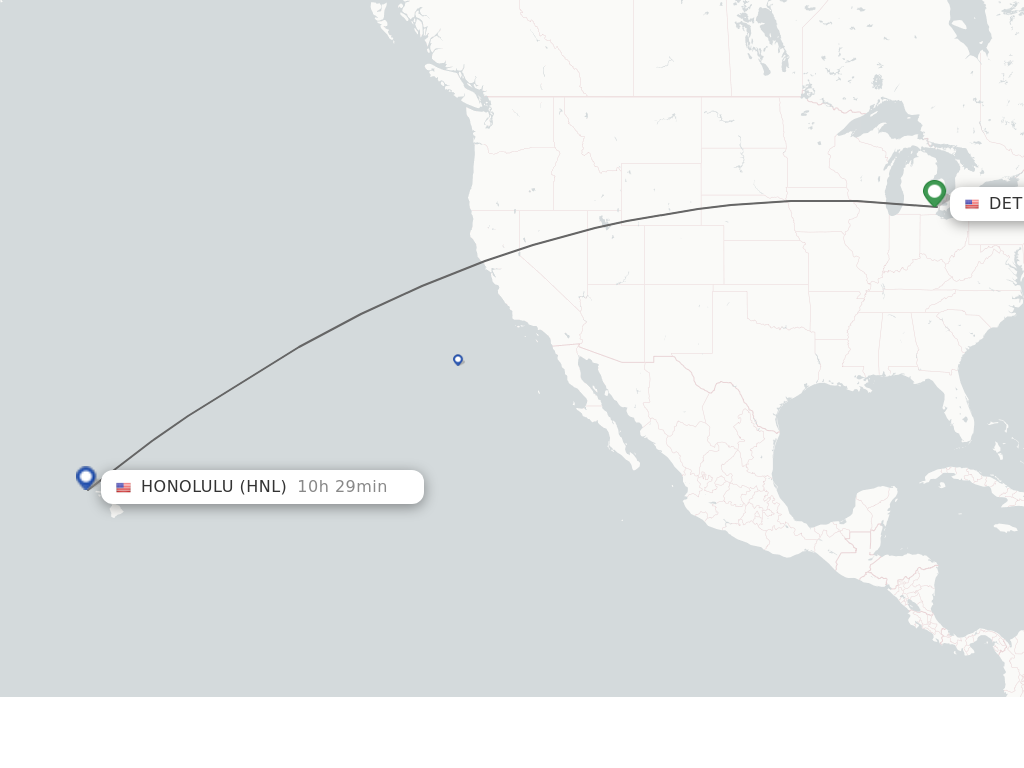
Understanding the Flight Duration to Hawaii
The time it takes to fly from Detroit to Hawaii can vary significantly depending on whether you secure a direct flight or opt for an itinerary with one or more layovers. While direct flights offer the quickest route, they are less common for this specific origin-destination pair.
Non-Stop vs. Connecting Flights
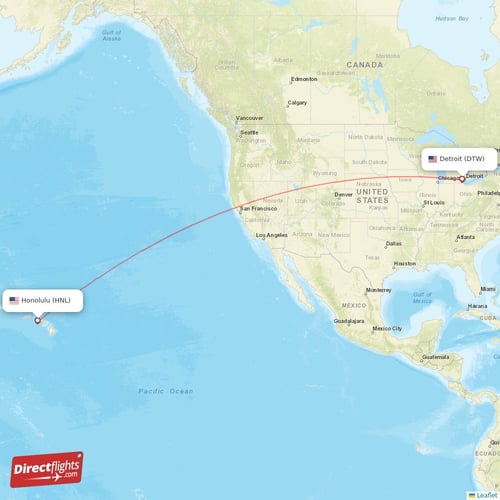
The dream of any long-haul traveler is a non-stop flight, and for good reason. A direct flight from Detroit to Honolulu, the capital city and main gateway to Hawaii on the island of Oahu, is the most efficient way to cross the continental United States and the Pacific. When available, these rare flights can clock in at approximately 9 to 10 hours of airtime. This duration accounts for the time spent aloft, from takeoff at Detroit Metropolitan Wayne County Airport (DTW) to landing at Daniel K. Inouye International Airport (HNL).
However, direct flights from Detroit to Hawaii are not a daily occurrence, and often depend on the season or specific airline schedules. Most travelers will find themselves booking connecting flights, which inherently extend the total travel time. A connecting flight typically involves at least one stop, usually at a major hub airport on the West Coast. This adds not only the flight time of each segment but also the duration of the layover, significantly increasing the overall journey from gate to gate.
Average Flight Time to Major Hawaiian Islands
While Honolulu is the most common destination, flights to other islands like Maui (Kahului Airport – OGG) or Kauai (Lihue Airport – LIH) are also popular. The airtime from Detroit to these islands for a direct flight, if one were available, would be very similar to Honolulu, perhaps adding an extra 30 minutes to an hour due to the slightly different geographical position within the archipelago.
For connecting flights, which are the norm, the total travel time from Detroit to any of the major Hawaiian islands usually ranges from 12 to 18 hours or more. This includes the flight from Detroit to a connecting city, the layover, and then the final leg to Hawaii. Factors like flight delays, tight connections, or extended layovers can push this total even higher.
Factors Influencing Direct Flight Duration
Several elements play a role in the actual airborne time, even for a non-stop journey:
- Jet Streams: These powerful, high-altitude air currents can significantly impact flight speed. Flying with the jet stream (eastbound) can shorten a flight, while flying against it (westbound, as is the case for Detroit to Hawaii) can lengthen it.
- Aircraft Type: Modern aircraft, like the Boeing 787 Dreamliner or Airbus A330, are designed for long-haul efficiency and speed. Older models might take a little longer.
- Wind Speed and Direction: Beyond the jet stream, prevailing winds at various altitudes can affect the aircraft’s ground speed.
- Specific Routing: Air traffic control dictates precise flight paths, which can occasionally deviate from the most direct great-circle route due to weather, airspace restrictions, or other operational considerations.
Navigating the Journey: Layover Considerations
For the majority of travelers flying from Detroit to Hawaii, a layover is an inevitable part of the journey. Understanding where these stops typically occur and how they impact your overall travel experience is key.
Common Layover Hubs
Airlines generally route flights from the East or Midwest to Hawaii through their major hubs, particularly those on the West Coast. Common layover cities for flights originating from Detroit include:
- Los Angeles International Airport (LAX): A primary gateway to Hawaii for many airlines.
- San Francisco International Airport (SFO): Another significant hub with numerous flights to the islands.
- Seattle-Tacoma International Airport (SEA): Often used by Delta Air Lines and Alaska Airlines.
- Phoenix Sky Harbor International Airport (PHX): A hub for American Airlines and Southwest Airlines.
- Denver International Airport (DEN): A major hub for United Airlines, connecting many Midwest cities to the West.
- Other possible hubs further east could include Chicago O’Hare International Airport (ORD), Dallas/Fort Worth International Airport (DFW), or even Hartsfield-Jackson Atlanta International Airport (ATL) for certain itineraries, though these would add a more circuitous route.
Impact of Layover Duration
The length of your layover can dramatically affect your total travel time. A short layover (1-2 hours) might seem appealing for getting to your destination faster, but it carries the risk of missing your connection if your first flight is delayed. A longer layover (3-5 hours) provides a comfortable buffer, allowing time to decompress, grab a meal, and stretch your legs without feeling rushed. Very long layovers (6+ hours) can be exhausting, turning the travel day into an arduous journey. Some travelers, however, intentionally choose extended layovers to explore a new city for a few hours, effectively turning one trip into two mini-adventures.
Strategic Layover Planning
When booking your flight, consider these tips for managing layovers:
- Check On-Time Performance: Research the on-time performance of your first flight segment. A flight consistently delayed might make a tight connection risky.
- Gate Proximity: If possible, check if your connecting gates are close, especially in large airports like LAX or SFO, where terminal changes can take time.
- Airline Consistency: Sticking with the same airline or alliance for all legs of your journey can simplify baggage transfers and rebooking in case of delays. Airlines like Delta Air Lines, United Airlines, and American Airlines offer various routes to Hawaii from Detroit via their respective hubs.
Preparing for a Trans-Pacific Journey from Detroit
A long flight to Hawaii requires thoughtful preparation to ensure you arrive refreshed and ready to enjoy your vacation. From managing time zones to packing essentials, a little foresight goes a long way.
Time Zone Changes and Jet Lag
Hawaii observes Hawaiian Standard Time (HST), which does not use daylight saving time. Detroit is in the Eastern Time Zone (ET). During standard time, Hawaii is 5 hours behind Detroit. When Detroit is on Eastern Daylight Time (EDT), Hawaii is 6 hours behind.
This significant time difference means that while you might depart Detroit in the morning, you could still arrive in Hawaii in the early to mid-afternoon on the same calendar day, thanks to crossing time zones. However, your internal body clock will be several hours ahead, making jet lag a real concern.
- Pre-Adjust: A few days before your flight, try to shift your sleep schedule by an hour or two towards Hawaiian time.
- Stay Hydrated: Drink plenty of water before and during your flight. Avoid excessive alcohol and caffeine.
- Adjust Upon Arrival: Once you land, try to adapt to the local time immediately. Get some sun exposure during the day to help reset your circadian rhythm.
Essential Packing Tips for a Long Flight
Comfort is paramount on a flight lasting 10+ hours.
- Wear Loose, Comfortable Clothing: Layers are ideal, as cabin temperatures can fluctuate.
- Pack Essentials in Your Carry-On: This includes any medications, a change of clothes, toiletries, and valuables.
- Entertainment: Load your devices with movies, TV shows, podcasts, and e-books. Noise-canceling headphones are a game-changer.
- Comfort Items: A neck pillow, eye mask, and earplugs can significantly improve your ability to rest.
- Snacks: While airlines provide meals, having your favorite healthy snacks can keep hunger at bay and save money.
- Rechargeable Power Bank: Keep your electronics charged throughout the journey.
Choosing the Right Airline and Seat
Not all long-haul flights are created equal.
- Airline Choice: Research airlines for their in-flight amenities, comfort levels, and service. Major carriers like Delta Air Lines, United Airlines, and American Airlines offer various cabin classes, from economy to premium economy, business, and first class, each with different levels of comfort and services.
- Seat Selection: If possible, select your seat in advance. Aisle seats offer freedom to move, while window seats provide a view and a wall to lean against. Consider paying extra for seats with more legroom, especially for the longer Pacific leg.
- In-Flight Amenities: Check if the airline offers personal entertainment screens, Wi-Fi (though often paid), and power outlets to enhance your comfort.
Beyond the Flight: Arriving in Paradise
After hours in the air, the moment your plane descends into Hawaii is truly magical. The sight of lush green mountains meeting the turquoise ocean instantly makes the long journey worthwhile.
Welcome to Hawaii
As you step off the plane at Daniel K. Inouye International Airport in Honolulu or any other Hawaiian airport, you’ll immediately feel the warm, humid air and perhaps catch the scent of plumeria. The “Aloha Spirit” is palpable, and the transition from the bustling airport to your tropical retreat is usually seamless. Remember to follow local customs and regulations, especially regarding agriculture, as Hawaii has strict rules to protect its unique ecosystem.
Ground Transportation on the Islands
Once you’ve collected your luggage, a variety of ground transportation options await:
- Rental Cars: Highly recommended, especially for exploring islands like Oahu, Maui, or Kauai at your own pace. Book well in advance, especially during peak season.
- Shuttle Services: Many hotels offer shuttle services, or you can book third-party airport shuttles to major resort areas like Waikiki.
- Taxis and Ride-Sharing: Readily available at the airport.
- Public Transportation: Honolulu has “TheBus” system, which is an affordable way to get around Oahu, though it might be less convenient with luggage.

Acclimatization and Enjoying Your First Day
Resist the urge to pack too much into your first day.
- Check In and Unpack: Get settled into your accommodation.
- Light Activity: A gentle walk on the beach or a leisurely swim can help you stretch out and adjust to the time change.
- Hydrate and Light Meals: Continue to drink plenty of water and opt for lighter meals to aid digestion and reduce jet lag symptoms.
- Early Night: Aim for an early night to help your body reset and prepare for the exciting days ahead.
In conclusion, flying from Detroit to Hawaii is a significant journey, typically ranging from 9-10 hours for a rare direct flight to 12-18 hours or more with connections. While the duration requires preparation and patience, the reward of experiencing Hawaii’s breathtaking beauty, vibrant culture, and unparalleled relaxation makes every hour in transit utterly worthwhile. Plan wisely, prepare comfortably, and get ready to say Aloha to an unforgettable adventure.
LifeOutOfTheBox is a participant in the Amazon Services LLC Associates Program, an affiliate advertising program designed to provide a means for sites to earn advertising fees by advertising and linking to Amazon.com. Amazon, the Amazon logo, AmazonSupply, and the AmazonSupply logo are trademarks of Amazon.com, Inc. or its affiliates. As an Amazon Associate we earn affiliate commissions from qualifying purchases.