
For many travelers considering a sun-drenched escape to Florida, the allure of its pristine beaches and vibrant marine life is undeniable. However, a common question, often tinged with a mix of curiosity and apprehension, surfaces: Are there great white sharks in Florida waters? The answer, while nuanced, is a resounding yes. These magnificent apex predators do indeed traverse the state’s coastal ecosystems, though their presence is far from the sensationalized portrayals often seen in media. Understanding their patterns, behaviors, and the reality of their interaction with humans is key to appreciating Florida’s diverse marine environment and ensuring a safe, enjoyable travel experience. This guide delves into the factual presence of great white sharks, demystifying myths and equipping travelers with insights into Florida’s rich aquatic world.
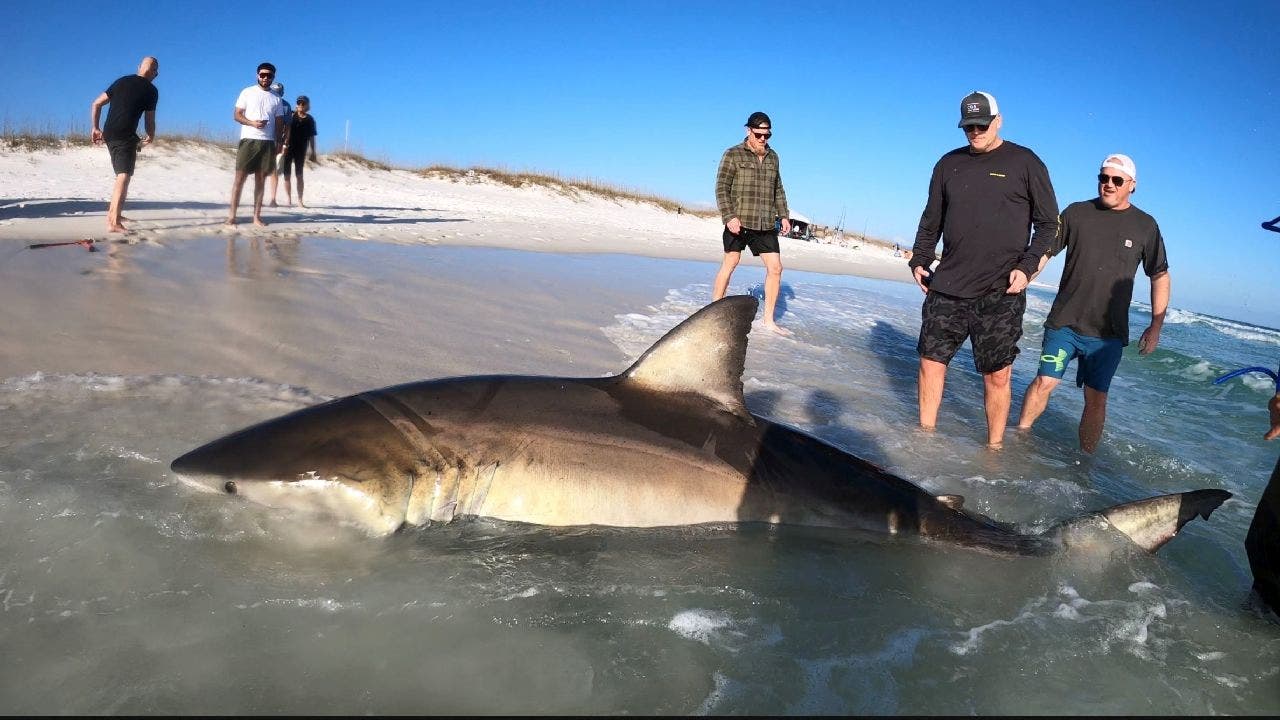
The Seasonal Sojourn of Great White Sharks in Florida Waters
Florida’s extensive coastline, bordering both the Atlantic Ocean and the Gulf of Mexico, acts as a significant migratory corridor for a myriad of marine species, including the elusive great white shark (Carcharodon carcharias). These incredible creatures are not year-round residents but rather seasonal visitors, drawn to the state’s productive waters during specific periods. Their presence is a testament to the health and biodiversity of Florida’s marine ecosystem, signaling a robust food web that can support such large predators. For travelers, understanding this migratory pattern provides valuable context, distinguishing between the sensational and the scientific reality of great white shark encounters.
Understanding Their Migration Patterns
Great white sharks are known for their extensive migrations, often traveling thousands of miles in search of food and suitable breeding grounds. For Florida, the winter months, typically from late October through early spring (March or April), mark the prime season for their appearance. As water temperatures cool further north along the U.S. East Coast and in the North Atlantic, great whites follow their prey, particularly various species of seals and large fish, southward. Florida’s continental shelf and deep offshore waters offer an abundance of these food sources, making it an attractive winter destination for these powerful hunters. This seasonal shift means that while they are present, their window of opportunity for observation—or even mere presence—is limited to these cooler months, significantly reducing their overlap with peak beach-going tourist seasons, which typically align with warmer weather.
Key Hunting Grounds and Habitats
When great white sharks visit Florida, they generally prefer cooler, deeper offshore waters, a considerable distance from the bustling beaches and shallow swimming areas frequented by tourists. Their preferred habitats are typically associated with underwater topography like ledges, drop-offs, and areas where large schools of prey fish, such as mackerel, tuna, and smaller sharks, congregate. While instances of great whites being spotted closer to shore do occur, they are exceptionally rare and often linked to specific environmental factors like strong currents or the presence of a significant food source. Scientific tracking data consistently shows that these sharks spend the vast majority of their time in the open ocean, far from human recreational activities. This offshore preference is a critical distinction for travelers, highlighting that direct encounters with great whites on Florida’s popular swimming beaches are highly improbable.
Research and Tracking Efforts
Dedicated marine research organizations play a pivotal role in monitoring the movements and behaviors of great white sharks, providing invaluable data that informs both conservation efforts and public understanding. Groups like Ocearch have successfully tagged numerous great white sharks, allowing researchers and the public to track their migratory journeys in near real-time. These tracking initiatives have confirmed that great whites regularly navigate Florida’s offshore waters during the winter. Famous tracked sharks such as Mary Lee and Katharine have frequently pinged in the waters off the coasts of Jacksonville, Cape Canaveral, and even further south into the Florida Keys, illustrating the extent of their travels. This scientific insight helps dispel myths, replacing fear with factual knowledge about where these sharks are, when they’re there, and why, empowering travelers with accurate information rather than speculation.
Dispelling Myths: Great White Sharks and Human Encounters in Florida
The reputation of the great white shark, largely fueled by popular culture, often overshadows the scientific reality of its behavior and interaction with humans. For travelers to Florida, understanding the actual risk—or lack thereof—associated with great white sharks is crucial for informed enjoyment of the state’s aquatic offerings. While the presence of these apex predators might stir primal fears, the data consistently shows that encounters, particularly those resulting in bites, are incredibly rare, especially when compared to the millions of people who safely enjoy Florida’s waters each year.
The Rarity of Coastal Encounters
Despite the seasonal presence of great white sharks in Florida’s offshore waters, direct encounters with humans at popular swimming beaches are almost unheard of. The vast majority of shark-related incidents in Florida involve other species, such as bull sharks, blacktip sharks, and spinner sharks, which are more commonly found in shallower, inshore environments where human recreational activities are prevalent. Great whites, by contrast, prefer the deeper, cooler waters of the continental shelf, where their primary food sources reside. They are not typically drawn to the surf zone or the crowded areas where most tourists swim. This geographical separation is the most significant factor in the rarity of great white shark interactions near the coast, allowing millions of visitors to safely enjoy Florida’s extensive beaches without concern for these specific large predators.
Understanding Shark Behavior
Sharks are often misunderstood as indiscriminate predators. In reality, great white sharks are highly adapted hunters focused on specific prey items like seals, sea lions, and large fish. When a rare interaction with a human occurs, it is almost always a case of mistaken identity. A shark may confuse a splashing swimmer or surfer for its natural prey, especially in murky water or low light conditions. Research suggests that sharks are not inherently interested in attacking humans, as human flesh does not provide the high-fat content they require. After an initial exploratory bite, which can be devastating due to their size and power, sharks often release humans, indicating that they recognize it is not their usual food source. Understanding this behavior helps contextualize the risks: sharks are not actively hunting humans, but rather reacting to perceived stimuli in their environment.
Statistical Perspective on Shark Incidents
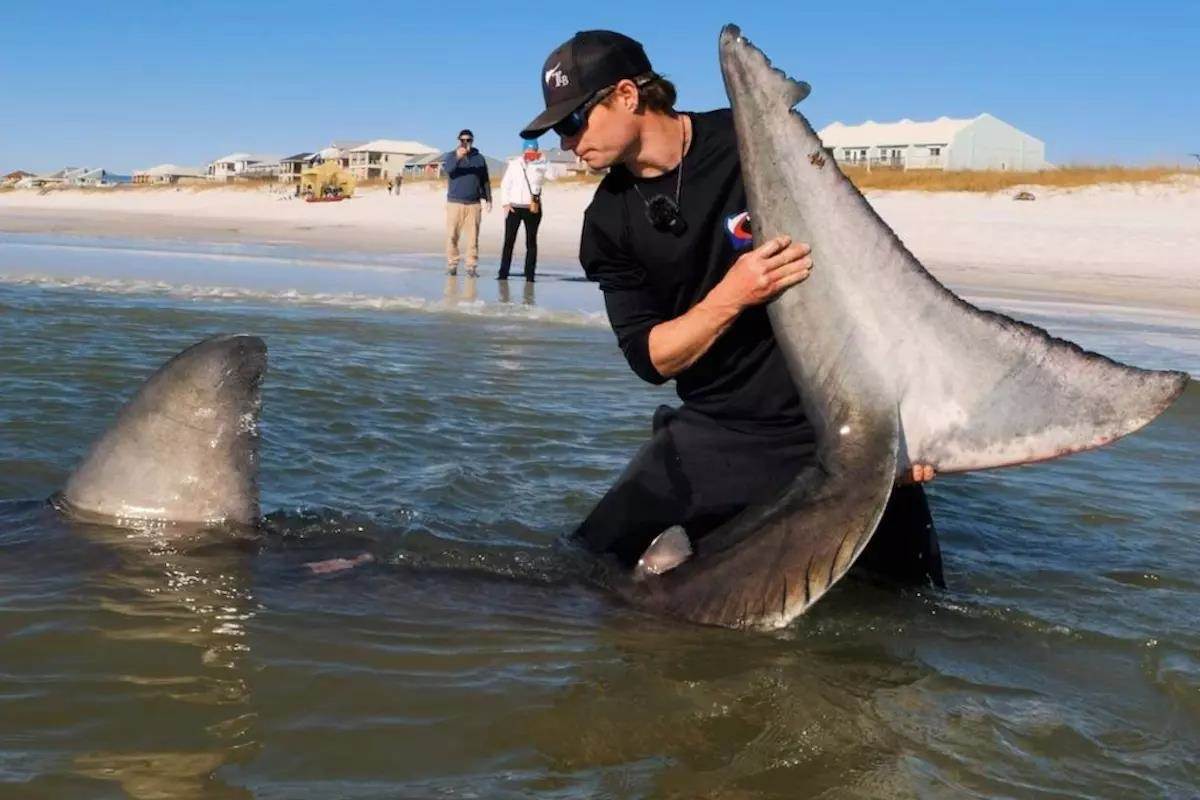
To put the risk into perspective, Florida consistently leads the United States in the number of unprovoked shark bites, predominantly due to its extensive coastline and year-round popularity for water sports. However, the vast majority of these incidents are minor, and very few are fatal. More importantly, incidents definitively attributed to great white sharks in Florida are exceedingly rare, historically accounting for an almost negligible percentage of total shark encounters. For comparison, the chances of being struck by lightning, getting into a car accident, or even drowning are statistically far higher than being bitten by any shark, let alone a great white, in Florida waters. Travelers should therefore focus on general water safety practices rather than singling out the threat of great white sharks, which is largely disproportionate to their actual risk to coastal visitors.
Essential Safety Tips for Florida’s Waters
While the direct threat from great white sharks in Florida is minimal, it is always prudent for travelers to exercise caution and adhere to general water safety guidelines. These recommendations are designed to minimize risks from all marine life, not just sharks, and ensure a pleasant and secure experience in Florida’s beautiful aquatic environments. By following these simple rules, visitors can confidently enjoy swimming, surfing, and other water activities, knowing they have taken sensible precautions.
Best Practices for Swimmers and Water Enthusiasts
General water safety is paramount when enjoying Florida’s beaches. Always swim in designated areas and preferably where lifeguards are present. Avoid swimming at dawn, dusk, or at night, as these are peak feeding times for many shark species, including those more commonly found inshore. Swim in groups, as sharks are more likely to approach individuals. Steer clear of areas where baitfish are schooling or where commercial fishing operations are underway, as these attract sharks. Refrain from wearing shiny jewelry, which can mimic the scales of fish. Avoid excessive splashing or erratic movements, as these can draw unwanted attention. If a shark is sighted, remain calm, slowly back away, and exit the water without creating a disturbance. These simple yet effective practices significantly reduce the already low risk of a shark encounter.
Activities with Higher/Lower Risk Profiles
Certain water activities carry inherently different risk profiles regarding shark encounters. Activities that involve entering the water with bait, such as spearfishing or chumming for fishing, can directly attract sharks and should be approached with extreme caution, often requiring specialized knowledge and equipment. Surfing and paddleboarding, particularly when done alone or far from shore, can sometimes present a silhouette mistaken for prey from a shark’s perspective, though incidents remain rare. Scuba diving, especially in controlled environments or with reputable tour operators, generally poses a lower risk, as divers are often perceived differently by sharks, and reputable operations prioritize safety. Activities like casual swimming or wading in well-populated, clear-water beaches during daylight hours have the lowest risk. Understanding these distinctions allows travelers to make informed decisions about their recreational choices.
Respecting the Marine Environment
Beyond immediate safety, adopting an attitude of respect for the marine environment is fundamental for any traveler enjoying Florida’s waters. Remember that humans are visitors in the ocean, which is home to a vast array of wildlife, including sharks. Do not harass marine animals, feed them, or attempt to interact with them unless guided by a professional in a controlled setting (e.g., educational ecotours). Responsible tourism also means minimizing your environmental footprint: never leave trash on the beach, support sustainable fishing practices, and be mindful of protected areas like coral reefs. By fostering a sense of stewardship, travelers contribute to the conservation of Florida’s precious marine ecosystems, ensuring they remain vibrant and healthy for future generations and countless species, including the magnificent great white sharks.
Beyond Great Whites: Florida’s Diverse Shark Population
While great white sharks capture significant attention, they represent only a small fraction of the diverse shark species that inhabit Florida’s rich waters. For travelers seeking a comprehensive understanding of the state’s marine ecosystem, recognizing the broader array of sharks is essential. Florida is, in fact, a global hotspot for shark diversity, offering unique opportunities for both casual observation and educational encounters that highlight the crucial role these predators play in maintaining oceanic health.
Other Common Shark Species in Florida
Florida’s coasts are teeming with various shark species, many of which are more commonly encountered than the great white. Bull sharks are notorious for their ability to thrive in both saltwater and freshwater, making them a significant presence in coastal estuaries, rivers, and nearshore ocean environments. Blacktip sharks and spinner sharks are frequently seen closer to shore, especially during their annual migrations, often putting on spectacular aerial displays as they feed. Nurse sharks, typically docile bottom-dwellers, are common in the Florida Keys and around coral reefs, making them a favorite among snorkelers and divers for their relatively placid nature. Other notable residents include various species of hammerheads, lemon sharks, and reef sharks, each playing a distinct role in the local marine food web. Understanding these species helps travelers appreciate the true complexity of Florida’s underwater world beyond the singular focus on great whites.
Shark Ecotourism and Educational Opportunities
For travelers fascinated by sharks, Florida offers numerous reputable ecotourism and educational opportunities to learn about and even safely interact with these animals. Institutions like the Florida Aquarium in Tampa and Mote Marine Laboratory in Sarasota provide immersive exhibits and research-based insights into shark biology and conservation. Visitors can witness various shark species up close in large aquariums, often participating in educational programs. For those seeking a more direct experience, several certified dive operators offer guided shark dives, typically with species like nurse sharks or reef sharks, ensuring safety while fostering a deeper appreciation for these creatures in their natural habitat. These experiences are invaluable for debunking myths and promoting a more accurate, respectful view of sharks.
Conservation Efforts and Their Importance
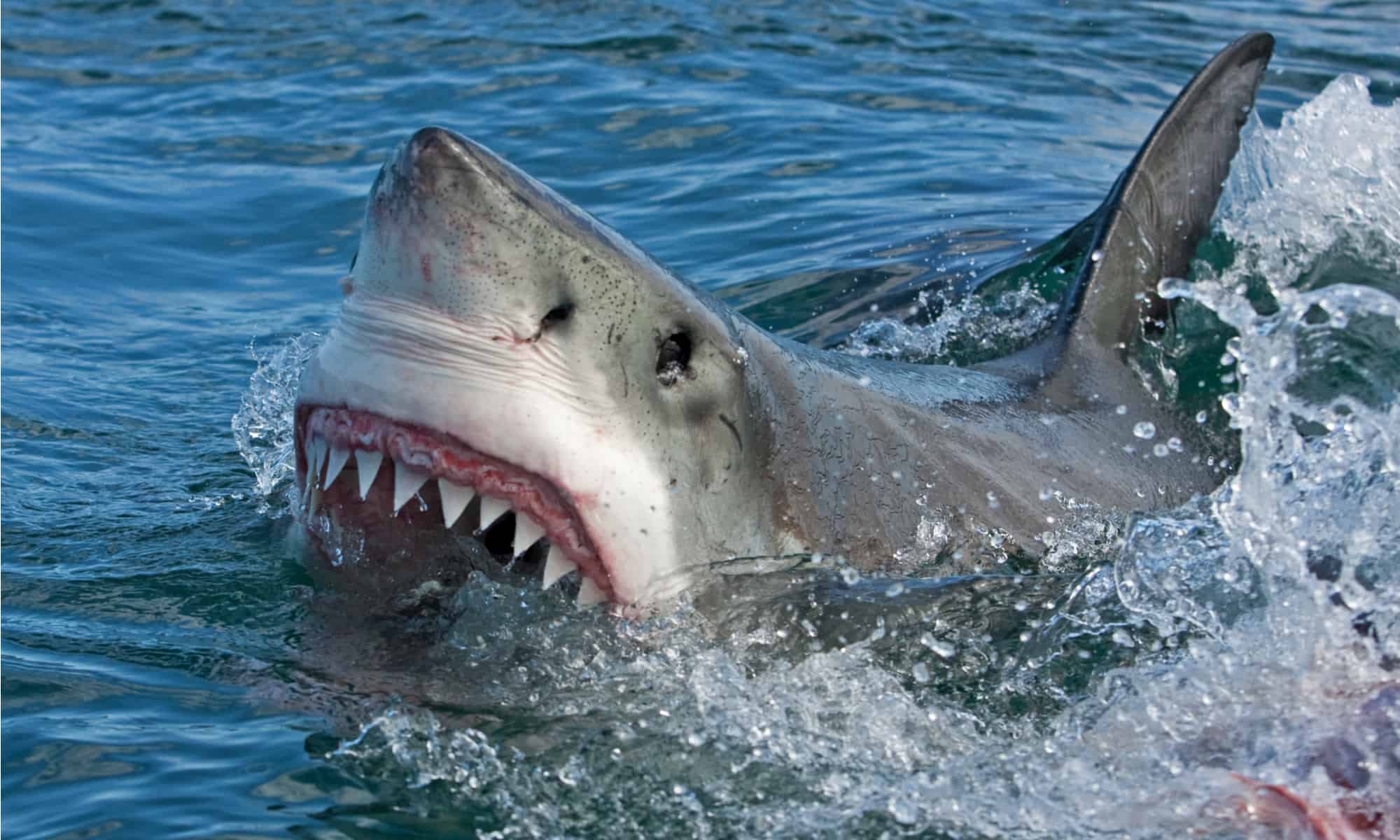
The health of Florida’s shark populations is intrinsically linked to the overall vitality of its marine ecosystems, which in turn supports the state’s significant tourism industry. Sharks, as apex predators, are vital for maintaining the balance of marine food webs by regulating prey populations and culling the weak or sick. Overfishing, habitat destruction, and climate change pose significant threats to shark species globally, including those in Florida. Various state and federal regulations are in place to protect vulnerable shark populations, and numerous organizations are dedicated to shark research, rescue, and conservation. Travelers can contribute to these efforts by choosing sustainable seafood, supporting marine conservation organizations, and educating themselves and others about the importance of sharks. By doing so, they not only help safeguard these magnificent animals but also ensure the long-term health and appeal of Florida’s unparalleled marine environment.
In conclusion, while great white sharks do seasonally visit the offshore waters of Florida, their presence poses an extremely low risk to the average traveler enjoying the state’s beautiful beaches. Their migratory patterns, preference for deeper waters, and general behavior mean that direct encounters with humans near the coast are extraordinarily rare. Instead of focusing on unfounded fears, travelers to Florida should embrace an informed perspective, recognizing the state’s rich marine biodiversity. By adhering to general water safety guidelines, understanding the true nature of shark behavior, and appreciating the critical role these animals play in healthy ocean ecosystems, visitors can fully enjoy Florida’s stunning aquatic environments with confidence and respect.
LifeOutOfTheBox is a participant in the Amazon Services LLC Associates Program, an affiliate advertising program designed to provide a means for sites to earn advertising fees by advertising and linking to Amazon.com. Amazon, the Amazon logo, AmazonSupply, and the AmazonSupply logo are trademarks of Amazon.com, Inc. or its affiliates. As an Amazon Associate we earn affiliate commissions from qualifying purchases.