
The question “How old is Detroit?” is more than a query about a founding date; it’s an invitation to explore a city with an extraordinary depth of history, resilience, and transformation. Often dubbed the “Motor City,” Detroit’s narrative stretches back over three centuries, making it one of the oldest major cities in the United States. Its age is reflected not just in historical records but in its very fabric—its distinct neighborhoods, iconic architectural marvels, and the enduring spirit of its people. Understanding Detroit’s longevity provides crucial context for appreciating its unique cultural contributions, economic ebbs and flows, and its continuous journey of reinvention. From its strategic origins as a French fur-trading post to its pivotal role in the automotive industry and its contemporary revitalization, Detroit offers a compelling chronicle of American urban development, marked by innovation, struggle, and an unwavering capacity for rebirth.

A City Forged Through Time: Detroit’s Enduring Legacy
The story of Detroit is a layered tapestry, woven with threads of diverse cultures, economic ambition, and pivotal historical moments. Its founding marked the beginning of a strategic settlement that would eventually become a powerhouse of industry and culture, leaving an indelible mark on the global stage.
From French Outpost to American Metropolis
Detroit’s official birthday is July 24, 1701, when French explorer Antoine de la Mothe Cadillac, along with a hundred others, established a fort and settlement on the north bank of the Detroit River. This strategic location, connecting Lake Erie and Lake Huron within the vast Great Lakes system, was vital for controlling the lucrative fur trade. He named it Fort Pontchartrain du Détroit, with “détroit” being French for “strait,” referring to the river. For decades, the settlement remained under French control, a frontier outpost amidst a wilderness inhabited by various Indigenous nations. The French legacy is still visible in the city’s street plan, particularly in the radiating spokes from the downtown area, and in many French-derived place names.
Following the French and Indian War, Detroit passed into British hands in 1760. It remained a British stronghold through the American Revolutionary War and beyond, only officially becoming part of the United States in 1796 after the Jay Treaty. It then served as the capital of the Michigan Territory and, briefly, the state capital before Lansing took on that role. Despite a devastating fire in 1805 that destroyed nearly all its buildings, Detroit demonstrated early signs of its remarkable resilience, quickly rebuilding and beginning its ascent as a significant regional center.
The Cradle of Industry: Detroit’s Automotive Boom
The 20th century transformed Detroit from a bustling port city into a global industrial giant. This era is intrinsically linked to the rise of the automobile. Visionaries like Henry Ford, Ransom E. Olds, and the Dodge brothers pioneered mass production techniques, most notably the assembly line, which revolutionized manufacturing and made cars accessible to the average American. The Ford Motor Company, General Motors, and Chrysler—the “Big Three”—established their headquarters and massive manufacturing plants here, attracting millions of workers from across the United States and beyond. The city’s population exploded, growing from around 285,000 in 1900 to nearly 1.85 million by 1950.
This period was Detroit’s golden age, solidifying its identity as the “Motor City.” It was a hub of innovation, wealth, and opportunity, driving not just the nation’s economy but also shaping its modern landscape and way of life. Beyond automobiles, Detroit also became a crucible for cultural innovation, particularly with the birth of Motown Records in the 1960s, which would profoundly influence American music and culture.
Architectural Echoes: Structures Bearing Witness to History
Detroit’s long history is beautifully etched into its urban landscape, where architectural marvels from different eras stand as testaments to its aspirations, economic prowess, and artistic movements. These buildings are not just structures; they are storytellers, each brick and beam recounting a chapter of the city’s past.
Guardians of the Past: Historic Landmarks and Districts
The city boasts an impressive array of historic landmarks, many of which date back to its early 20th-century boom. The Fisher Building, completed in 1928, is a magnificent Art Deco skyscraper often called “Detroit’s largest art object,” showcasing stunning craftsmanship and opulent materials. Equally striking is the Guardian Building (1929), another Art Deco masterpiece characterized by its vibrant brickwork, Native American-inspired motifs, and dazzling interior. These towering structures from the pre-Depression era speak to a period of immense confidence and prosperity.
Beyond downtown, districts like Corktown, Detroit’s oldest surviving neighborhood, offer a glimpse into the lives of 19th-century Irish immigrants with its charming Victorian homes. Mexicantown reflects the vibrant heritage of its Hispanic community, with historical churches and family-owned businesses rooted in generations of local culture. Even industrial remnants, like the majestic but abandoned Packard Automotive Plant, tell a poignant story of Detroit’s industrial might and its subsequent struggles, now slowly undergoing revitalization.
Resilience in Design: Art Deco and Beyond
Detroit’s architectural resilience is evident in its embrace of various styles, each reflecting the dominant ethos of its time. The ornate Beaux-Arts style is exemplified by the grand Detroit Public Library and the Detroit Institute of Arts, both testaments to the city’s commitment to culture and knowledge. These institutions, built in the early 20th century, rival similar structures in older European capitals in their scale and detail.
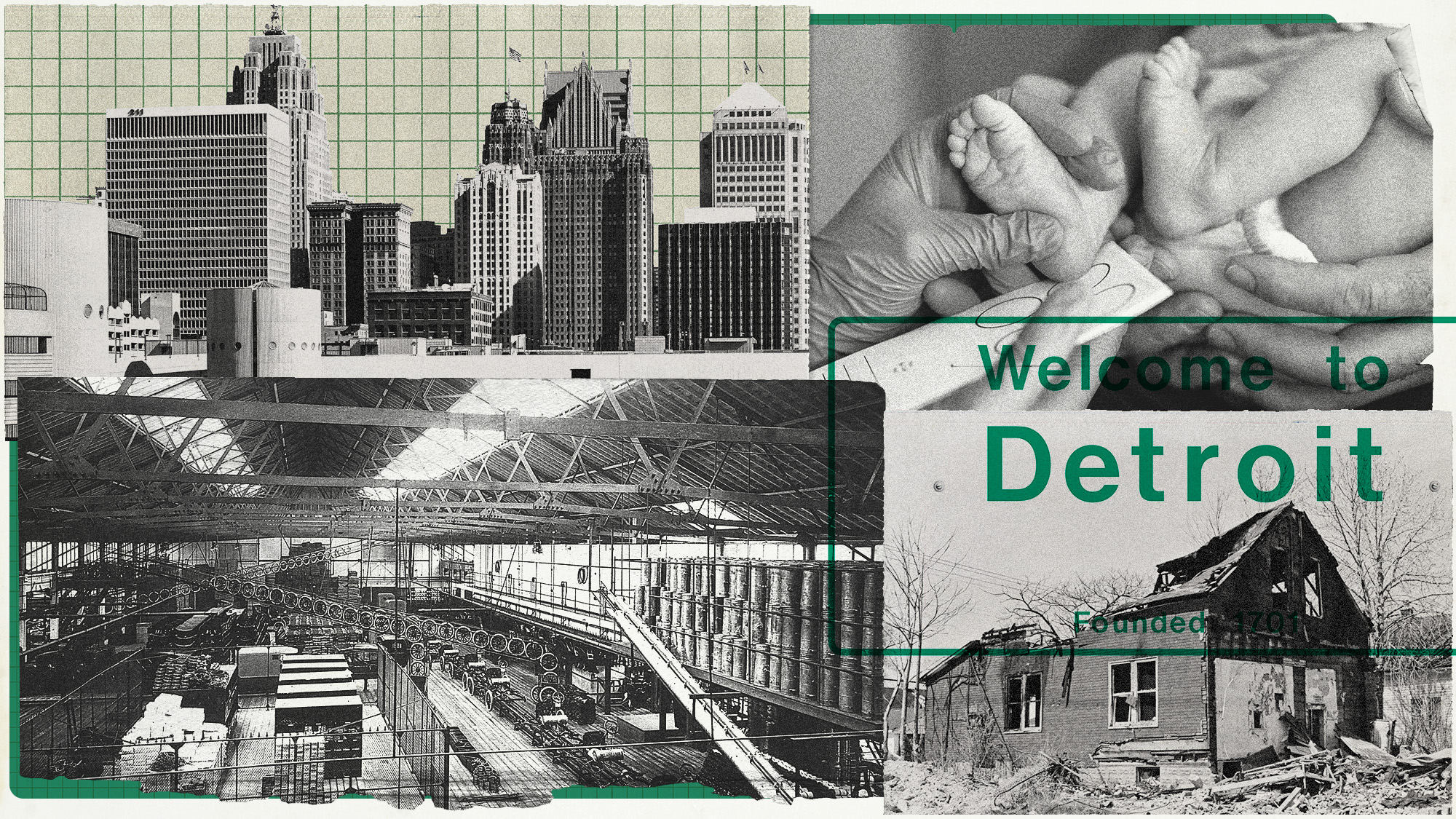
The Art Deco movement, however, found a particularly vibrant home in Detroit. The style’s emphasis on progress, modernity, and luxurious materials resonated deeply with a city at the forefront of industrial innovation. Buildings like the Penobscot Building and the Book Tower also stand as iconic examples, contributing to Detroit’s distinctive skyline. Even as the city faced economic hardship in later decades, the commitment to architectural preservation and adaptive reuse has ensured that these historical giants continue to define its character, standing as enduring symbols of its past glories and future aspirations.
Detroit’s Cultural Tapestry: A Chronicle of Innovation and Spirit
Beyond its physical structures, Detroit’s age is also measured in its profound cultural contributions and its role as a crucible for social change. The city’s narrative is incomplete without acknowledging the vibrant communities and artistic movements that have emerged from its streets.
Music, Movement, and Milestones: Cultural Contributions
Detroit’s influence on American culture is perhaps most globally recognized through music. The Motown sound, founded by Berry Gordy Jr. in the 1960s, produced a string of legendary artists like The Supremes, Marvin Gaye, and Stevie Wonder, whose music broke racial barriers and became the soundtrack for a generation. The Motown Museum, housed in the original Hitsville U.S.A. building, remains a cherished landmark that captures the spirit of this revolutionary era.
Furthermore, Detroit was a pivotal site in the African American Civil Rights Movement. The city was a destination for the Great Migration, with African Americans seeking industrial jobs and refuge from segregation in the South. This influx of population and talent led to a rich cultural scene and a strong tradition of activism. Iconic figures like Rosa Parks even lived in Detroit after her brave act in Montgomery, continuing her work for social justice.
Community and Revival: Reclaiming and Reimagining Spaces
In recent decades, Detroit has embarked on an inspiring journey of revitalization, rooted in a deep respect for its historical fabric. Communities are actively reclaiming and reimagining its spaces, transforming neglected areas into vibrant hubs of activity. Eastern Market, one of the oldest and largest historic public markets in the United States, continues its centuries-old tradition as a bustling center for fresh produce, local goods, and community gathering. Its historic sheds and vibrant murals reflect both its past and its renewed energy.
The city’s comeback story is also about harnessing its architectural heritage. Many historic buildings have been meticulously restored and repurposed, housing new businesses, residential units, and cultural institutions. This adaptive reuse breathes new life into old structures, honoring their original grandeur while serving contemporary needs. The spirit of community and innovation that characterized Detroit in its earliest days continues to drive its current renaissance, demonstrating that its age is a source of strength and inspiration.
Experiencing Historical Detroit Today
For visitors and residents alike, experiencing Detroit’s history is a profound journey through time. The city offers a wealth of landmarks, museums, and districts that allow one to walk in the footsteps of pioneers, industrialists, and cultural icons.
Walking Through Time: Must-Visit Historic Sites
To truly grasp Detroit’s age, certain sites are indispensable. A visit to the Motown Museum is a nostalgic and inspiring immersion into the birthplace of a global music phenomenon. For a deeper dive into industrial history, the Henry Ford Museum and Greenfield Village in nearby Dearborn offer unparalleled insights into American innovation, showcasing everything from presidential limousines to Thomas Edison’s laboratory.
Exploring the stunning interiors of the Fisher Building and the Guardian Building provides a tangible connection to Detroit’s Art Deco glory. A stroll through Belle Isle Park, a historic island park designed by Frederick Law Olmsted, offers not only natural beauty but also a glimpse into 19th-century urban planning and features historic structures like the Anna Scripps Whitcomb Conservatory and the Belle Isle Aquarium. Each of these sites tells a vital part of Detroit’s multi-faceted story.

Preserving the Future: Modern Initiatives Honoring the Past
Detroit’s commitment to its past is evident in numerous initiatives aimed at historical preservation and education. Organizations like the Detroit Historical Society work tirelessly to document and share the city’s rich narrative through exhibitions and programs at the Detroit Historical Museum. Local historical commissions and community groups are actively involved in safeguarding historic neighborhoods and buildings, ensuring that the architectural heritage is protected for future generations.
The ongoing revitalization efforts in Detroit are often characterized by a profound respect for the city’s unique history. Developers and urban planners are increasingly integrating historic structures into new projects, understanding that Detroit’s past is its greatest asset. By celebrating its age, preserving its landmarks, and learning from its journey, Detroit continues to evolve, proving that a city’s true measure of age is not just how long it has existed, but how deeply its history informs its present and shapes its future. The question “How old is Detroit?” ultimately elicits an answer far richer than mere years—it speaks to a legacy of enduring spirit and continuous rebirth.
LifeOutOfTheBox is a participant in the Amazon Services LLC Associates Program, an affiliate advertising program designed to provide a means for sites to earn advertising fees by advertising and linking to Amazon.com. Amazon, the Amazon logo, AmazonSupply, and the AmazonSupply logo are trademarks of Amazon.com, Inc. or its affiliates. As an Amazon Associate we earn affiliate commissions from qualifying purchases.