
Miami, a dazzling jewel on the southeastern coast of Florida, is a city that pulses with vibrant energy, cultural diversity, and undeniable glamour. From its iconic sun-kissed beaches and vibrant nightlife to its rich Art Deco Historic District and burgeoning art scene, Miami offers a kaleidoscope of experiences for every type of traveler. However, like any major global destination, the timing of your visit can profoundly impact your experience. Understanding Miami’s distinct seasons, event calendar, and crowd dynamics is key to planning an unforgettable trip that aligns perfectly with your preferences and budget. This comprehensive guide will navigate you through the optimal times to explore the Magic City, ensuring your visit is nothing short of spectacular.
Understanding Miami’s Climate: A Year-Round Destination with Seasonal Nuances
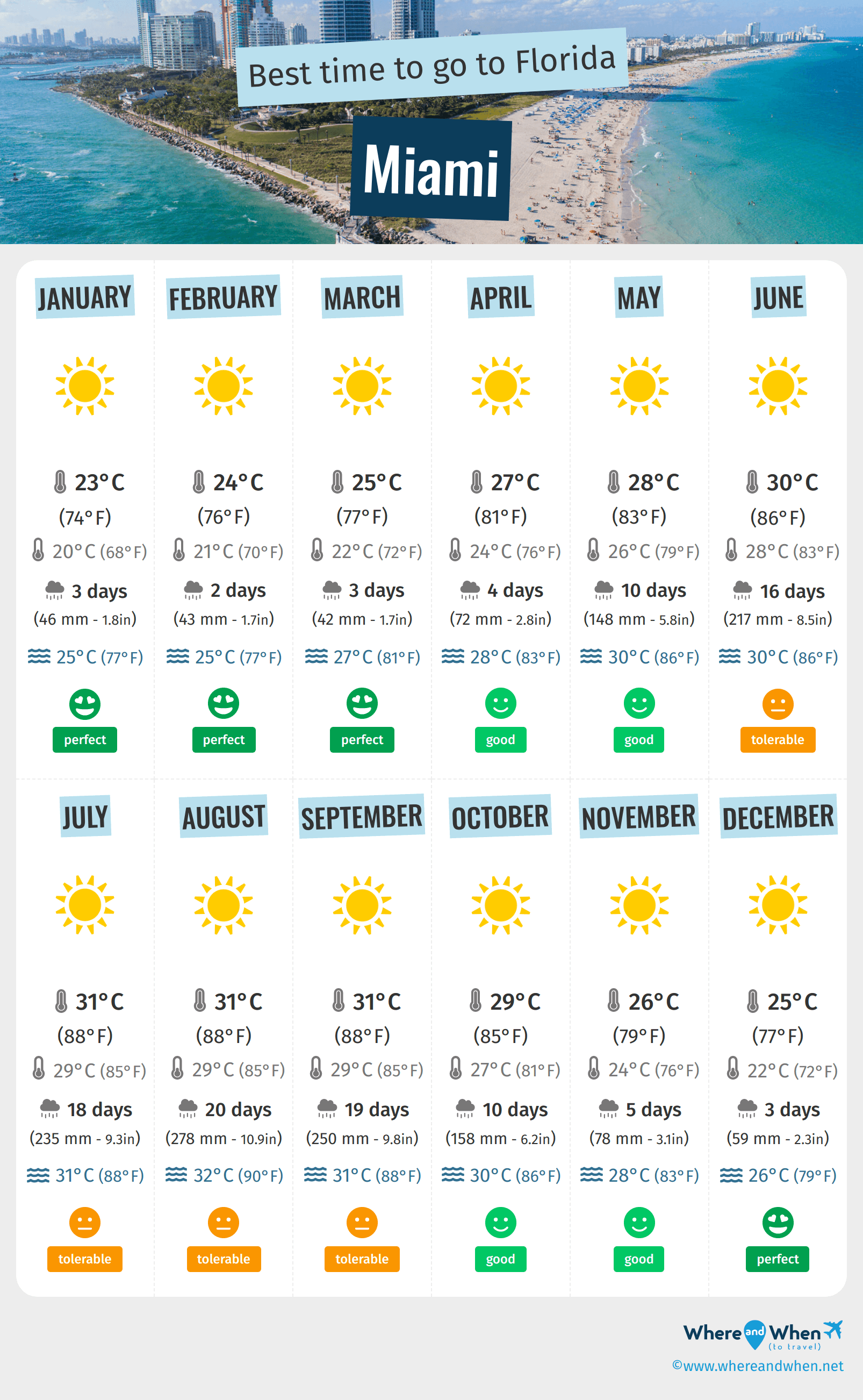
Miami boasts a tropical monsoon climate, characterized by two main seasons: the dry season and the wet season. While each offers its unique charm, they come with significant differences in weather, humidity, and potential for outdoor activities.
The Dry Season: Miami’s Peak Tourist Period (November to April)
Generally considered the prime time to visit, the dry season stretches from late fall through early spring. During these months, Miami transforms into a sun-drenched paradise, attracting visitors from colder climes seeking warmth and escape.
Weather & Conditions: This period is defined by abundant sunshine, lower humidity, and comfortably warm temperatures ranging from the low 70s to mid-80s Fahrenheit (21-29°C). Rainfall is minimal, making it ideal for outdoor excursions and beach days. The refreshing ocean breezes further enhance the pleasant atmosphere.
Pros:
- Ideal Weather: Perfect conditions for lounging on South Beach, exploring outdoor attractions, and enjoying water sports.
- Vibrant Atmosphere: The city is buzzing with activity, drawing a diverse crowd of international and domestic tourists.
- Major Events: This season hosts some of Miami’s most prestigious events, including Art Basel Miami Beach in December, the Miami Marathon in January, and various food and wine festivals.
Cons: - Higher Costs: Demand drives up prices for flights, accommodation, and even some activities.
- Larger Crowds: Popular attractions, restaurants, and beaches can be significantly more crowded, requiring reservations and patience.
- Limited Availability: Booking well in advance is crucial, especially for top hotels and sought-after dining experiences.
For those dreaming of pristine beach days, comfortable strolls through historic neighborhoods, and participation in world-class events, the dry season delivers an unparalleled Miami experience. Places like Key Biscayne offer serene escapes during this bustling time.
The Wet Season: Navigating Miami’s Summer and Fall (May to October)
Conversely, the wet season ushers in Miami’s summer and early fall, characterized by a distinct shift in weather patterns.
Weather & Conditions: Expect high temperatures, often in the late 80s to low 90s Fahrenheit (30-35°C), coupled with significant humidity. Afternoon thunderstorms are a daily occurrence, usually brief but intense, providing a temporary respite from the heat. This period also coincides with hurricane season, which officially runs from June 1st to November 30th.
Pros:
- Lower Prices: Fewer tourists translate to more affordable flights and accommodation, offering significant savings.
- Fewer Crowds: Enjoy a more relaxed pace at attractions, restaurants, and beaches.
- Lush Greenery: The frequent rains keep Miami’s tropical landscapes vibrant and lush.
- Indoor Activities: Excellent time to explore Miami’s impressive museums and cultural institutions without feeling like you’re missing out on beach time.
Cons: - Heat & Humidity: Can be uncomfortable for those not accustomed to tropical climates, limiting extensive outdoor exploration during midday.
- Rain & Hurricanes: While showers are typically short-lived, heavy downpours can disrupt plans. The risk of hurricanes, though low for any single trip, is a consideration.
- Mosquitoes: Increased humidity can lead to more mosquitoes, especially in natural areas like Everglades National Park (best visited early mornings in this season).
If you’re a budget-conscious traveler or prefer a less crowded experience and don’t mind the heat, the wet season can offer a rewarding and authentic glimpse into local Miami life. Indoor attractions like the Vizcaya Museum & Gardens or the Pérez Art Museum Miami become prime destinations.
Beyond Weather: Considering Events, Crowds, and Costs
While weather plays a crucial role in deciding the best time to visit Miami, other factors such as major events, crowd levels, and budget considerations can significantly shape your travel experience.
Major Events and Festivals: What’s Happening When?
Miami’s event calendar is perpetually packed, with world-renowned festivals and local celebrations occurring throughout the year.
- Winter (December-February): This is peak festival season. Beyond Art Basel Miami Beach, you’ll find the South Beach Wine & Food Festival and various boat shows. The festive atmosphere around Christmas and New Year’s is electric.
- Spring (March-May): Energy levels remain high with events like Ultra Music Festival and Miami Music Week drawing global crowds. Spring Break also sees a surge of students, particularly in March.
- Summer (June-August): While quieter, summer offers culinary delights with Miami Spice, a popular restaurant promotion where top eateries offer prix-fixe menus at reduced prices.
- Autumn (September-November): The Calle Ocho Festival in Little Havana brings a vibrant celebration of Cuban culture, and various film and art festivals emerge as the weather cools.
Attending these events can be a highlight, but be prepared for increased prices and larger crowds during these times. If your aim is to participate in a specific festival, planning around its dates is essential, often overriding other considerations.
Avoiding the Crowds: Seeking Serenity in the Magic City
For travelers who prioritize peace and quiet, navigating Miami’s busy periods is crucial.
- Shoulder Seasons: Late April to May and late September to early November offer a sweet spot. The weather is still pleasant (though warming up in spring and cooling down in fall), and tourist numbers are lower than the peak winter months. This is an excellent time to explore attractions like the Wynwood Walls or Ocean Drive without elbowing your way through crowds.
- Mid-Week Visits: Regardless of the season, visiting attractions and dining out on weekdays generally means fewer people compared to bustling weekends.
- Early Mornings: Even during peak season, early mornings offer a chance to experience beaches and popular sites in relative tranquility.
Budget-Friendly Travel: Maximizing Your Miami Experience
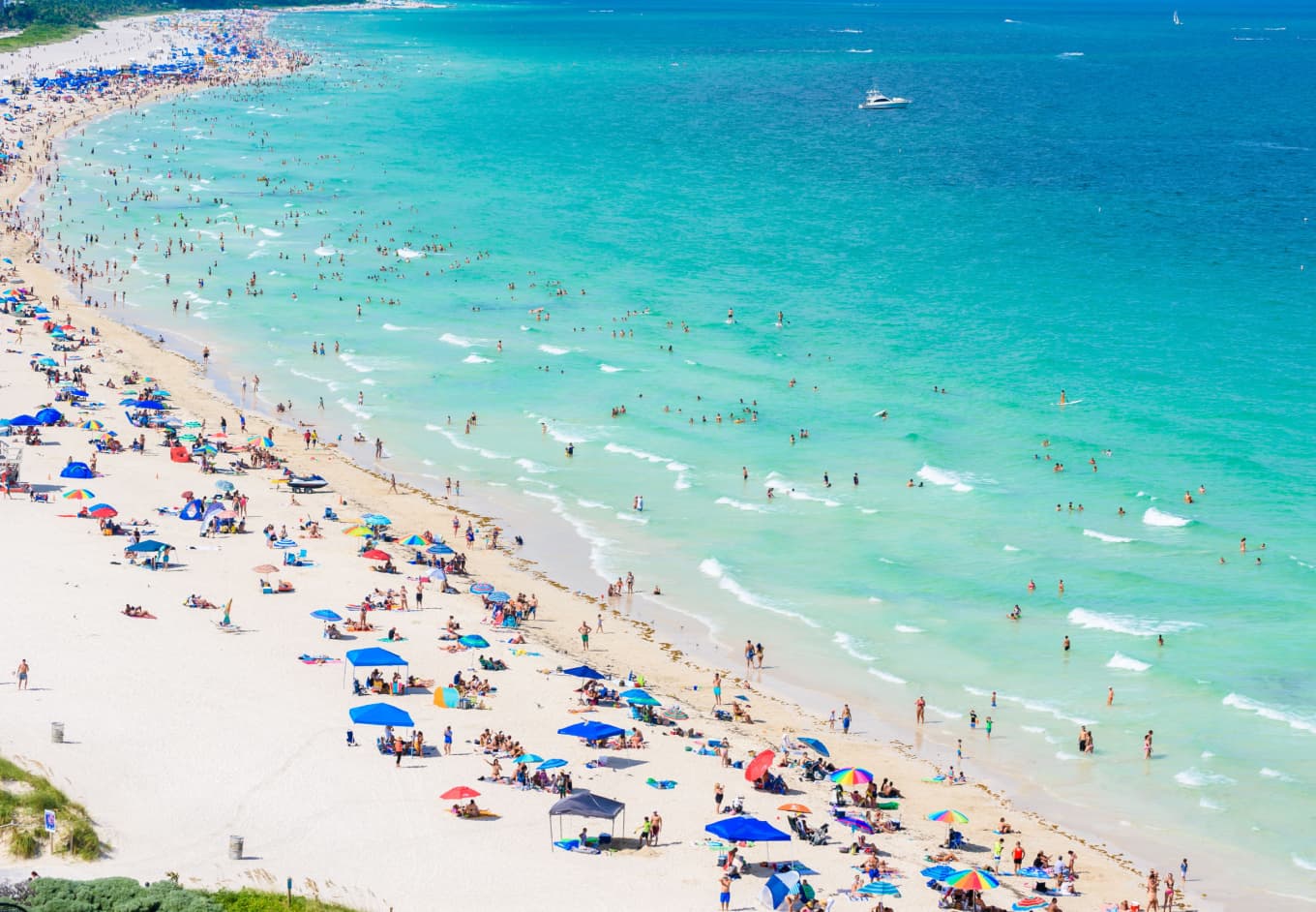
Cost is a significant factor for many travelers. Miami can be an expensive city, but smart timing can lead to substantial savings.
- Off-Peak Season (June-September): This is undeniably the most budget-friendly time to visit. With fewer tourists and hotter weather, hotels offer their lowest rates, and flight prices drop considerably. Many tour operators also have off-season discounts.
- Shoulder Seasons: As mentioned, late spring and early fall provide a good balance between pleasant weather and moderate prices. You’ll likely find better deals than in winter, without the full heat and humidity of summer.
- Booking in Advance: No matter when you travel, booking flights and accommodation several months in advance, especially for the dry season, can secure better rates.
Seasonal Activities and Experiences: Tailoring Your Miami Adventure
Each season in Miami offers a distinct palette of activities, allowing you to tailor your trip to specific interests.
Winter Escapes (December to February): Sun, Sand, and Sophistication
This is the quintessential time for classic Miami experiences. Enjoy idyllic beach days on South Beach or Key Biscayne, dine al fresco at renowned restaurants along Ocean Drive, and immerse yourself in the city’s vibrant art and culture scene, from world-class galleries to street art in Wynwood Walls. Festivals abound, offering endless entertainment.
Spring Break & Beyond (March to May): Vibrant Energy and Blooming Beauty
Spring carries the high energy of winter into warmer months. While Spring Break brings a youthful buzz, the period around it is fantastic for outdoor activities. Explore the lush Fairchild Tropical Botanic Garden, enjoy boat tours, or cycle along scenic coastal paths. The city remains lively with outdoor markets and street performances.
Summer Fun (June to August): Embracing the Heat with Indoor & Water Adventures
When the heat intensifies, Miami pivots to indoor and water-based fun. Spend your afternoons cooling off in the modern exhibits of the Phillip and Patricia Frost Museum of Science or the Pérez Art Museum Miami. Head to the beach early in the morning before the peak heat and afternoon showers, or try paddleboarding and kayaking in the calm bay waters. Bayside Marketplace offers shaded shopping and waterfront dining.
Autumn Adventures (September to November): Cultural Deep Dives and Local Flavors
As the temperatures begin to moderate and the hurricane season winds down, autumn in Miami is a fantastic time for cultural immersion and culinary exploration. Dive into the rich Cuban heritage of Little Havana, savor diverse flavors during Miami Spice, and experience local festivals that celebrate the city’s multicultural fabric. It’s also a great time to visit Everglades National Park as the humidity drops, making wildlife viewing more comfortable.
Practical Considerations for Planning Your Miami Trip
Regardless of when you decide to visit, a few practical tips can help ensure a smooth and enjoyable trip to Miami, United States.
Booking Ahead: Securing Your Spot in Paradise
For peak season travel (November-April), booking flights, accommodation, and popular restaurant reservations 3-6 months in advance is highly recommended. For major events like Art Basel Miami Beach or Ultra Music Festival, even earlier booking might be necessary. During the off-peak season, you can often find good last-minute deals, but planning still helps secure your preferred options.
Packing Essentials: What to Bring for Each Season
- Dry Season: Light layers, swimwear, sunglasses, a hat, and plenty of sunscreen are paramount. Evenings can be slightly cool, so a light jacket or sweater is advisable.
- Wet Season: Breathable, moisture-wicking clothing, swimwear, strong insect repellent, a waterproof daypack, and a compact umbrella or rain jacket are essential. Don’t forget sun protection for sunny periods.
- Year-Round: Comfortable walking shoes are a must, especially if you plan to explore neighborhoods like the Art Deco Historic District or Little Havana.
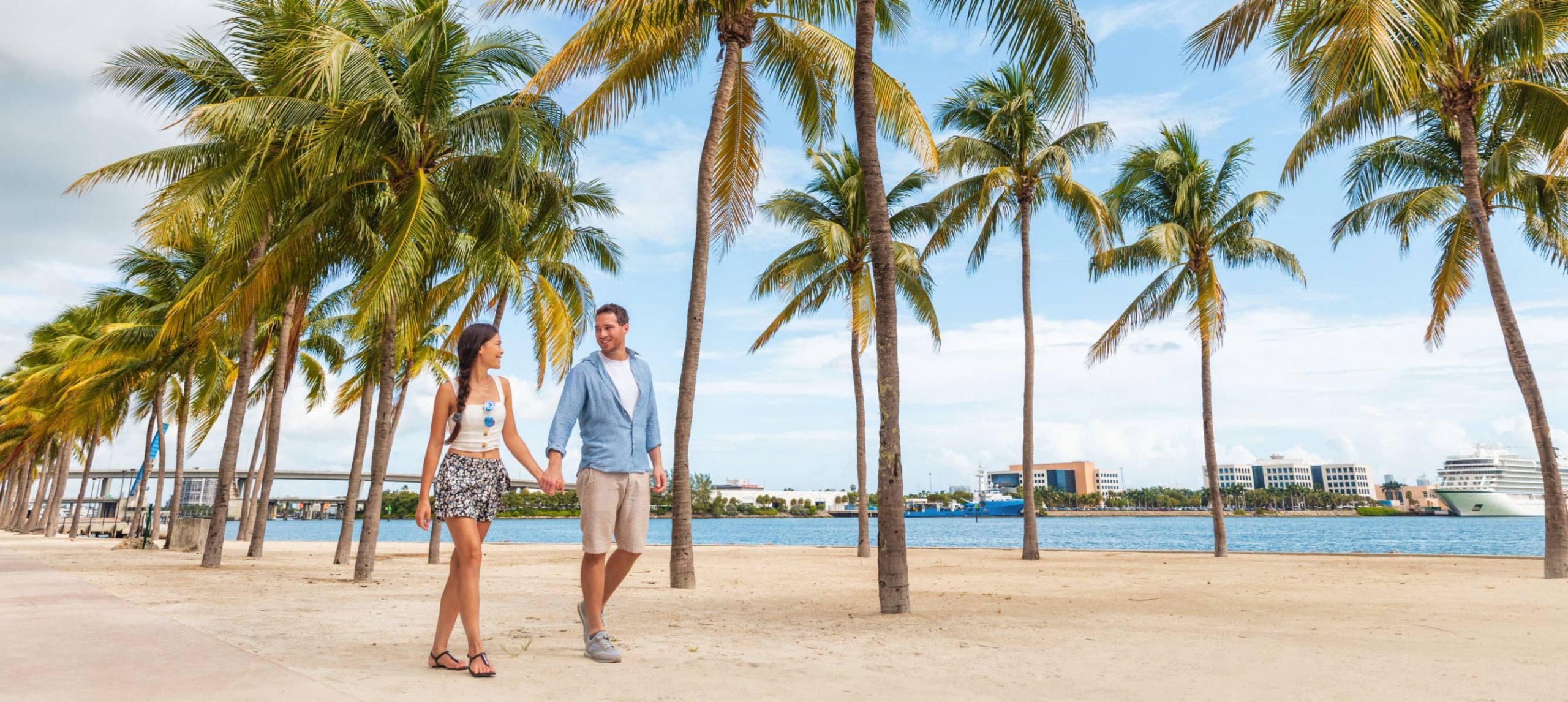
Transportation Tips: Getting Around Miami
While Miami offers a variety of transportation options, knowing how to navigate can enhance your trip.
- Rental Cars: Ideal for exploring beyond the immediate city center, such as day trips to the Everglades National Park or the Florida Keys.
- Ride-Sharing & Taxis: Widely available and convenient for getting around popular areas like South Beach, Downtown, and Wynwood.
- Public Transportation: The free Metromover system is excellent for navigating Downtown and Brickell. Buses also connect various parts of the city, though routes can be complex for tourists.
In conclusion, the “best” time to travel to Miami is subjective and depends entirely on your priorities. If pristine weather, vibrant crowds, and world-class events are your focus, aim for the dry season from November to April. For budget-conscious travelers seeking fewer crowds and don’t mind the heat, the wet season from May to October offers compelling value and unique experiences. Ultimately, Miami’s magnetic charm shines year-round, promising an unforgettable journey whenever you choose to visit.
LifeOutOfTheBox is a participant in the Amazon Services LLC Associates Program, an affiliate advertising program designed to provide a means for sites to earn advertising fees by advertising and linking to Amazon.com. Amazon, the Amazon logo, AmazonSupply, and the AmazonSupply logo are trademarks of Amazon.com, Inc. or its affiliates. As an Amazon Associate we earn affiliate commissions from qualifying purchases.