
Florida, often lauded as the Sunshine State, is a magnet for tourists worldwide, drawing them with its pristine beaches, vibrant cities, and unique natural ecosystems. Among the many wonders that define Florida’s wild heart, its iconic large reptiles – the alligator and the crocodile – frequently spark curiosity and sometimes, apprehension, among visitors. A common question echoing through the minds of many planning a trip is: “Are alligators or crocodiles in Florida?” The answer is a resounding “both,” though their distribution, habits, and visibility differ significantly. Understanding these fascinating creatures is not only key to appreciating Florida’s diverse ecology but also crucial for safe and responsible tourism. This guide delves into the lives of Florida’s formidable apex predators, offering insights tailored for the curious tourist eager to explore the state’s wild side.
The Sunshine State’s Apex Predators: A Dual Presence
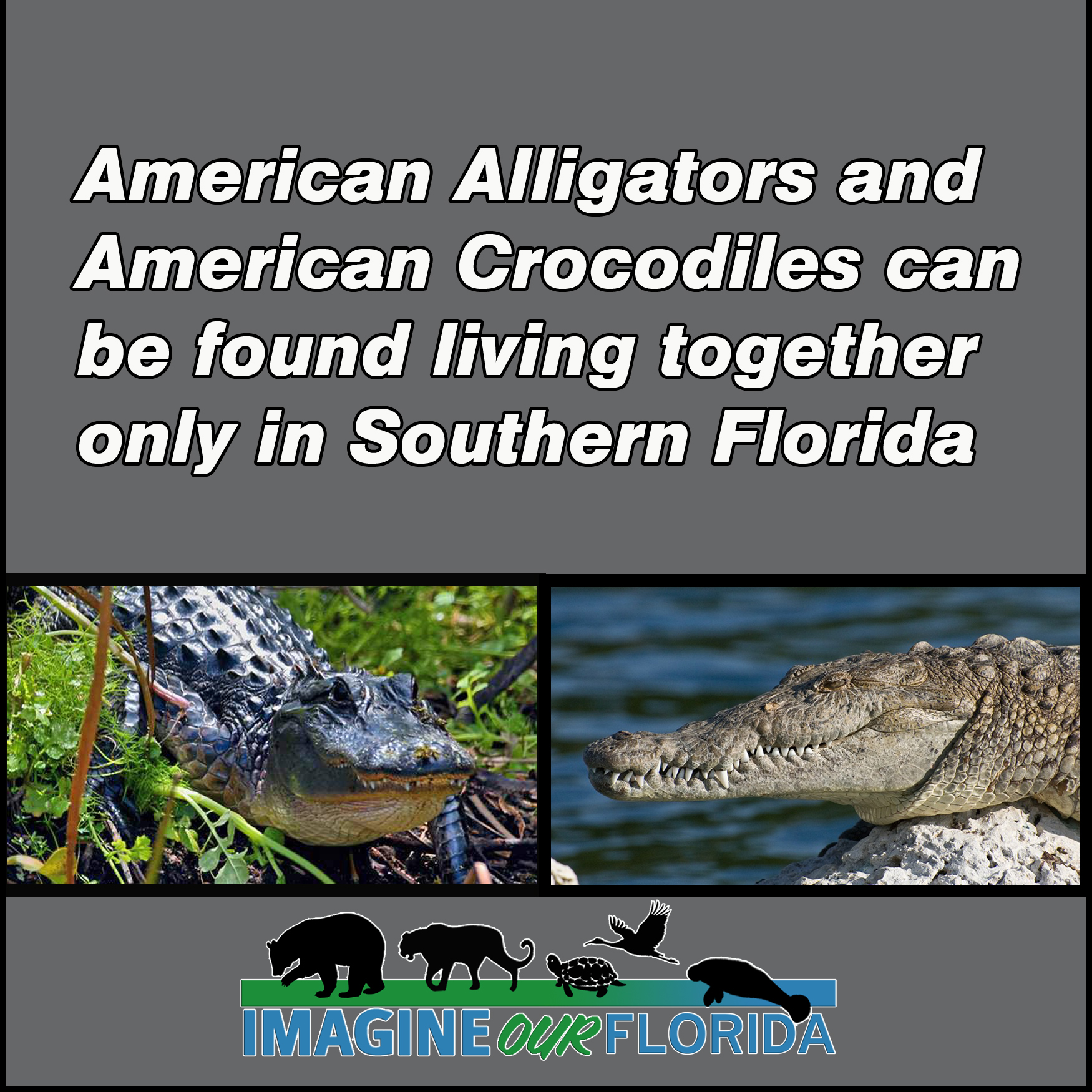
Florida holds the unique distinction of being the only place on Earth where alligators and crocodiles coexist in the wild. While both are large, formidable reptiles, they belong to different families and exhibit distinct characteristics and habitat preferences. For tourists, knowing the difference and where to find them can enhance a wildlife viewing experience and ensure safety.
The American Alligator: Florida’s Ubiquitous Resident
The American Alligator (Alligator mississippiensis) is, without a doubt, Florida’s most famous and widespread large reptile. These prehistoric-looking creatures can be found in virtually every county, from the panhandle to the Florida Keys, inhabiting freshwater environments such as lakes, ponds, rivers, marshes, and even drainage ditches. Their adaptability allows them to thrive in varied habitats, making sightings a relatively common occurrence for locals and tourists alike. Adult alligators can grow impressively large, with males typically reaching lengths of 10 to 15 feet and females slightly smaller. They are opportunistic predators, playing a vital role in their ecosystems by helping to control populations of various animals, including fish, birds, turtles, and small mammals. For tourists, an encounter with an American Alligator is often a highlight of a Florida trip, representing the untamed wildness of the state.
The American Crocodile: A Rarer Sight
In contrast to their widespread alligator cousins, the American Crocodile (Crocodylus acutus) is a much rarer and more elusive sight in Florida. This species primarily inhabits brackish and saltwater environments, confining its Florida range almost exclusively to the southern tip of the state, including parts of Everglades National Park, Florida Bay, and the Florida Keys, especially around Key Largo and Cape Sable. American Crocodiles are generally larger than alligators, with males capable of exceeding 15 feet in length, though most seen are smaller. They are also shy and naturally wary of humans, contributing to their less frequent sightings. Historically, the American Crocodile population in Florida faced significant threats due to habitat loss and hunting, leading to its listing as an endangered species. Thanks to dedicated conservation efforts, their numbers have shown a modest recovery, transitioning their status to ‘threatened.’ For a tourist, spotting an American Crocodile is a truly special and memorable event, a testament to the success of conservation in Florida’s unique coastal ecosystems.
Distinguishing Features for the Keen Observer
While both alligators and crocodiles are impressive reptiles, tourists interested in wildlife viewing can learn to distinguish between them with a few key identifiers. Being able to tell them apart not only satisfies intellectual curiosity but also reinforces an appreciation for Florida’s biodiversity.
Snout Shape and Coloration
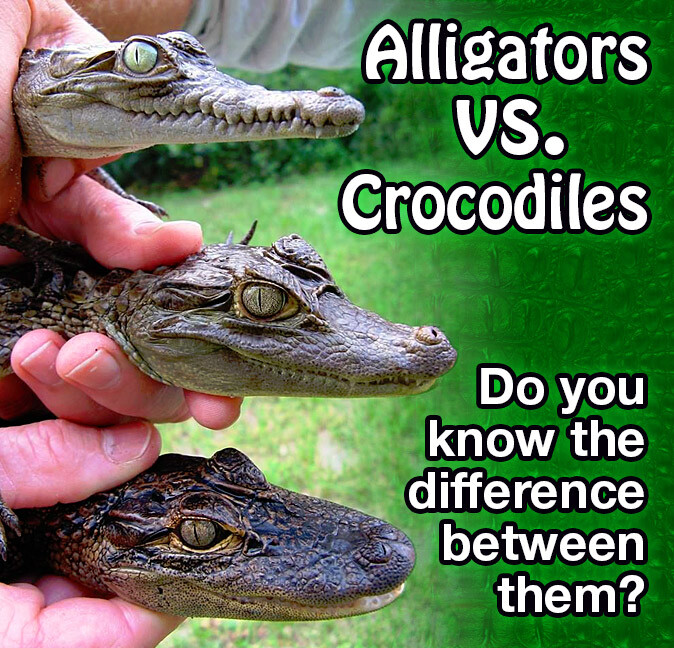
Perhaps the most obvious distinguishing feature lies in their snouts. American Alligators possess a broad, U-shaped snout, which is wider and shorter. When an alligator closes its mouth, you can typically only see the upper teeth fitting into sockets in the lower jaw. Their skin tends to be a darker, duller black or dark grey. American Crocodiles, on the other hand, have a more pointed, V-shaped snout. A crucial identifier is that when a crocodile’s mouth is closed, its prominent fourth tooth on the lower jaw remains visible, sticking up over the upper jaw. Crocodiles also tend to be lighter in color, often a grayish-green or brownish-green. These subtle but clear differences can be observed from a safe distance, making for an engaging game of identification during a wildlife tour.
Habitat Preferences
Beyond physical appearance, habitat provides a strong clue. As mentioned, alligators are primarily freshwater inhabitants. If you’re in a freshwater lake, pond, or marsh in central or northern Florida, you’re almost certainly looking at an alligator. Crocodiles, however, prefer the brackish and saltwater estuaries, mangrove swamps, and coastal areas of extreme South Florida. So, if you’re exploring the coastal fringes of Everglades National Park or the Florida Keys, especially near Biscayne Bay or Florida Bay, your chances of seeing a crocodile increase, though they still remain a rare find. This geographical distinction helps tourists narrow down their expectations and target specific areas for potential sightings.
Where to Spot These Reptiles in Florida
For tourists eager to witness these ancient reptiles in their natural habitat, Florida offers numerous opportunities. Responsible wildlife viewing is encouraged, ensuring both visitor safety and the animals’ well-being.
Alligator Hotspots: From Everglades National Park to Urban Canals
The best places to see American Alligators are often within the state’s renowned national and state parks, as well as dedicated wildlife attractions. Everglades National Park is perhaps the quintessential destination, offering guaranteed sightings along trails like the Anhinga Trail or during airboat tours in Shark Valley. Other excellent locations include Big Cypress National Preserve, Myakka River State Park near Sarasota, and Arthur R. Marshall Loxahatchee National Wildlife Refuge in Boynton Beach. For a more curated experience, attractions like Gatorland in Orlando and the St. Augustine Alligator Farm Zoological Park provide safe and close-up viewing opportunities, often accompanied by educational shows. Even in metropolitan areas like Orlando, Tampa, and Kissimmee, alligators can be found in ponds, lakes, and canals adjacent to golf courses or housing developments. Always maintain a safe distance and never feed these wild animals.
Crocodile Sanctuaries: The Southernmost Reaches
Spotting an American Crocodile requires more deliberate planning and a trip to the extreme southern tip of Florida. The best chances are in the coastal areas of Everglades National Park, particularly around the Flamingo visitor center and associated waterways, where saltwater and brackish conditions prevail. The Florida Keys, especially Key Largo and the Key Largo Hammocks Botanical State Park, are also known for small populations. Visitors on boat tours or kayaking excursions in these specific areas might be fortunate enough to catch a glimpse of this critically important species. Remember, crocodiles are much shyer than alligators, so a quiet approach and a keen eye are essential. Their conservation status also means it’s especially important not to disturb them.
Coexisting with Florida’s Reptiles: Safety for Tourists
While thrilling to observe, interacting with wild alligators and crocodiles carries inherent risks. For tourists, understanding and adhering to safety guidelines is paramount to ensuring a memorable and incident-free visit to Florida’s wild spaces.
Essential Safety Guidelines
The most crucial rule is to never feed alligators or crocodiles. Feeding them habituates them to humans, making them associate people with food, which can lead to dangerous encounters and often results in the animal having to be removed or euthanized. It is also illegal. Always maintain a safe and respectful distance – typically at least 30 feet (9 meters) – from any alligator or crocodile. If you see one, especially a large one, back away slowly. Avoid swimming, wading, or letting pets drink in or near waters where alligators or crocodiles might live, particularly during dusk and dawn when they are most active. Always keep pets on a leash and away from the water’s edge. Children should always be supervised closely near any body of water in Florida. Pay attention to warning signs posted in parks and public areas; they are there for your safety.
Responsible Wildlife Viewing
Responsible tourism includes minimizing your impact on wildlife. When viewing alligators or crocodiles, avoid making sudden movements or loud noises that could startle them. Use binoculars or a telephoto lens for close-up views rather than approaching the animal. Do not harass or provoke them in any way. If you spot an alligator or crocodile in distress, or if one is acting aggressively, report it to the Florida Fish and Wildlife Conservation Commission (FWC) or park authorities. By following these simple rules, tourists can enjoy the unique experience of observing these ancient predators while contributing to their long-term conservation and the safety of everyone in Florida.
The Ecological Importance and Conservation Efforts
Beyond their role as tourist attractions, Florida’s alligators and crocodiles are integral components of their ecosystems, playing crucial roles that benefit countless other species. Their presence is a sign of a healthy environment, and ongoing conservation efforts are vital for their future, ensuring that future generations of tourists can also marvel at these magnificent reptiles.
Keystone Species in Florida’s Ecosystems
Both the American Alligator and the American Crocodile are considered keystone species. This means their activities significantly impact their environment and the other species living within it. Alligators, for instance, dig “gator holes” during dry seasons. These depressions retain water, providing crucial refuges for fish, insects, and other aquatic life when water levels drop elsewhere. These holes also become feeding grounds for birds and other predators. By maintaining these water features and controlling prey populations, alligators help shape the structure and function of freshwater wetlands. Crocodiles, in their coastal habitats, contribute to the health of mangrove ecosystems and estuaries, vital nurseries for many marine species. The health and abundance of these apex predators are direct indicators of the overall health of Florida’s diverse aquatic environments, making their conservation essential for the entire ecosystem.
Protecting Their Future for Tourism
Conservation efforts by organizations like the FWC and national parks are continuously monitoring populations, protecting habitats, and educating the public. For the American Crocodile, specific initiatives focus on protecting nesting sites and reducing human-wildlife conflict in their limited range. Sustainable tourism practices play a significant role in supporting these efforts. Revenue from park entries, guided tours, and wildlife attractions often contributes to conservation funding. By adhering to safety guidelines, participating in responsible wildlife tours, and respecting their habitats, tourists actively contribute to the protection of these magnificent creatures. Learning about their ecological roles enriches the tourist experience, transforming a simple sighting into a deeper understanding of Florida’s natural heritage and the ongoing efforts to preserve it for generations to come.
In conclusion, Florida is indeed home to both alligators and crocodiles, offering a truly unique wildlife experience for tourists. While alligators are a common sight across the state’s freshwaters, crocodiles are a rarer, more specialized inhabitant of its southern coastal regions. By understanding their differences, knowing where to look, and practicing safe and responsible viewing, visitors can enjoy unparalleled opportunities to observe these incredible reptiles, forging a deeper connection with the wild heart of the Sunshine State while contributing to their vital conservation.
LifeOutOfTheBox is a participant in the Amazon Services LLC Associates Program, an affiliate advertising program designed to provide a means for sites to earn advertising fees by advertising and linking to Amazon.com. Amazon, the Amazon logo, AmazonSupply, and the AmazonSupply logo are trademarks of Amazon.com, Inc. or its affiliates. As an Amazon Associate we earn affiliate commissions from qualifying purchases.