
Embarking on a journey to the Hawaiian Islands is a dream for many travelers. This remote archipelago in the Pacific Ocean offers a unique blend of volcanic landscapes, lush rainforests, and world-class beaches. However, packing for Hawaii is more complex than simply throwing a swimsuit and a pair of flip-flops into a suitcase. Because the islands host 11 of the world’s 13 climate zones, your luggage needs to be as versatile as the terrain you plan to explore. Whether you are navigating the urban bustle of Honolulu on the island of Oahu or hiking the rugged trails of Kauai, being prepared is the key to a seamless travel experience.
Island-Specific Gear for Every Terrain
The diversity of the islands means that your needs will change depending on whether you are visiting the “Garden Isle” or the “Valley Isle.” A well-prepared traveler understands that Hawaii is not just one destination, but a collection of distinct environments.
The Tropical Coasts and Beaches
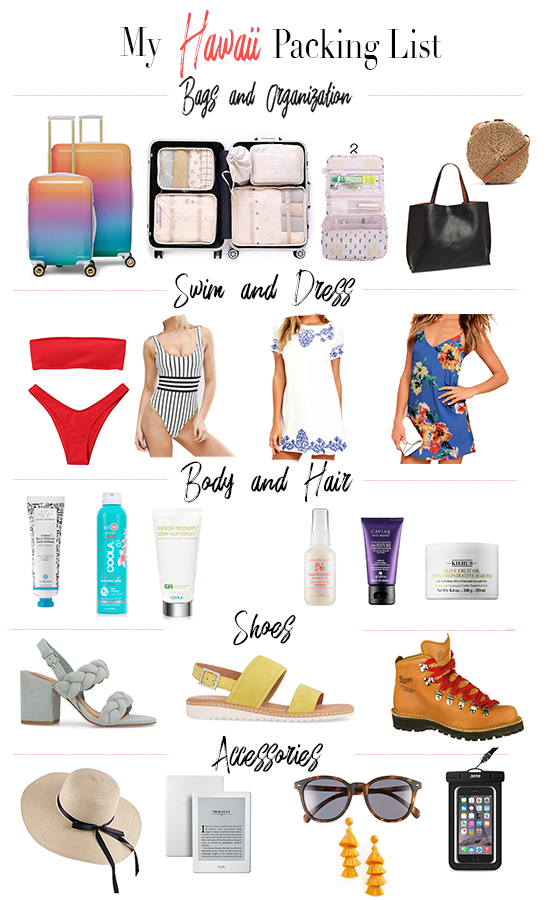
The primary draw for many visitors to the United States fifty-first state is its coastline. When spending time at iconic spots like Waikiki Beach or the secluded shores of Lanai, high-quality swimwear is a baseline requirement. However, the tropical sun is significantly stronger than in most parts of the mainland. A long-sleeved rash guard is an essential item for anyone planning to surf the North Shore or spend hours snorkeling in Hanauma Bay.
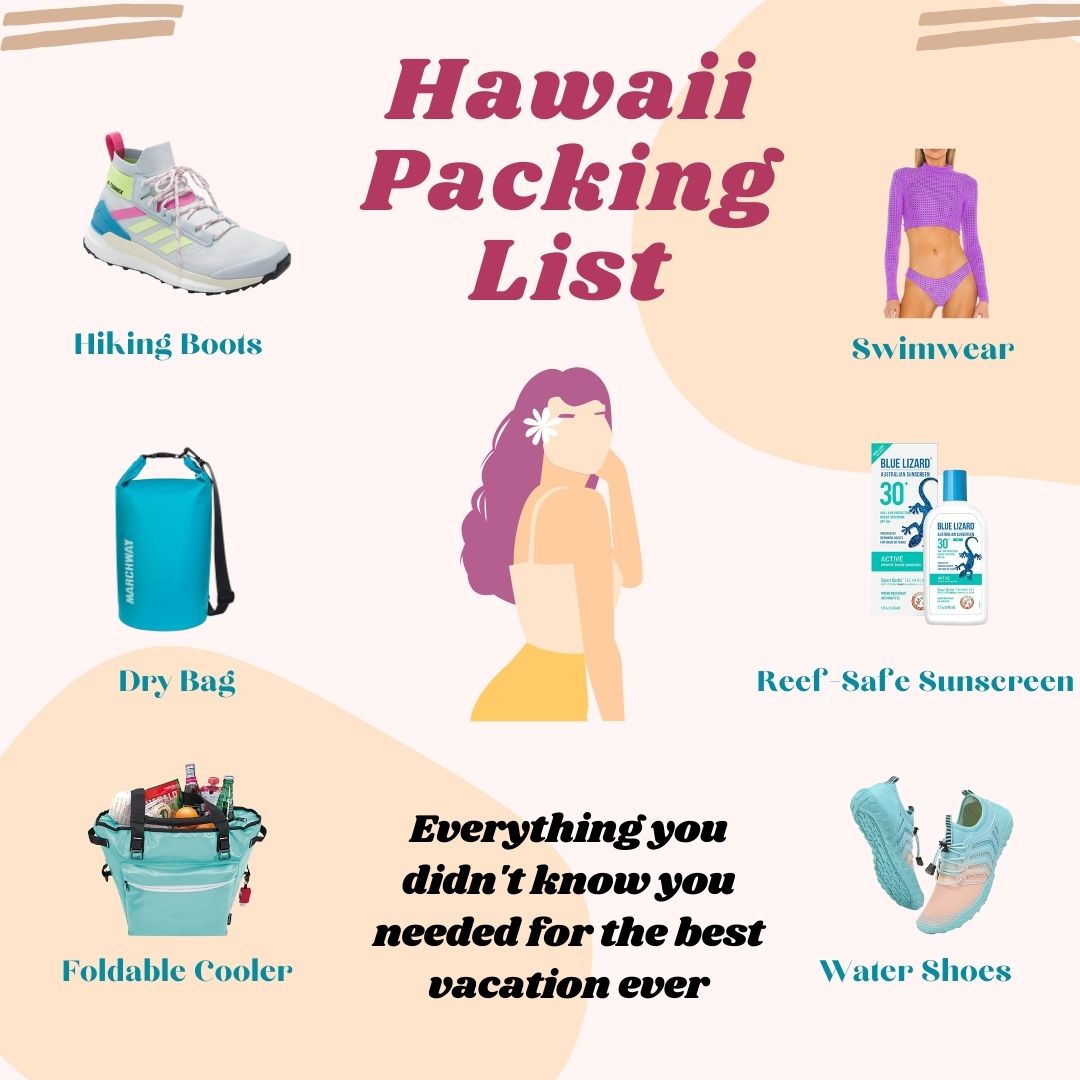
Beyond swimwear, footwear is a critical consideration. While “slippers” (the local term for flip-flops) are the daily standard, you should also pack a pair of sturdy water shoes. Many Hawaiian beaches, particularly those on the Big Island, feature sharp volcanic rock or coral fragments that can easily cut unprotected feet.
High-Altitude Exploration and Micro-Climates
Many travelers are surprised to learn that they will need a heavy jacket in the tropics. If your itinerary includes watching the sunrise at Haleakala National Park on Maui or visiting the telescopes at Mauna Kea, you will encounter temperatures that can drop below freezing. Windproof layers, gloves, and even a warm hat are necessary for these high-altitude excursions.
Similarly, the windward sides of the islands, such as Hilo, receive significant rainfall. A lightweight, breathable rain shell is indispensable when visiting Akaka Falls State Park or driving the scenic Road to Hana. Without moisture-wicking fabrics, the combination of humidity and rain can make traditional cotton clothing uncomfortable very quickly.
Rugged Hiking and Interior Trails
For those heading to Kauai to tackle the Kalalau Trail or exploring the “Grand Canyon of the Pacific” at Waimea Canyon State Park, specialized footwear is mandatory. The red dirt of the islands is notorious for staining clothes and shoes permanently, so choose hiking boots that you don’t mind getting dirty. Traction is paramount, as the trails can become incredibly slippery after a brief tropical downpour.
Sustainable and Eco-Conscious Travel Necessities
Hawaii has some of the most stringent environmental regulations in the world to protect its delicate ecosystems. As a responsible traveler, your packing list should reflect a commitment to preserving the natural beauty of places like Molokai and the protected waters of the Papahanaumokuakea Marine National Monument.
Reef-Safe Sunscreen and Skin Care
One of the most important items to bring (or buy upon arrival) is reef-safe sunscreen. The state of Hawaii has banned the sale of sunscreens containing oxybenzone and octinoxate, chemicals known to cause coral bleaching. When packing, look for mineral-based protectors containing zinc oxide or titanium dioxide. Protecting your skin is vital, but ensuring that your presence doesn’t harm the vibrant reefs of Kealakekua Bay is equally important for the future of Hawaiian tourism.
Reducing Single-Use Plastics
To combat plastic pollution, many islands have implemented bans on plastic bags and straws. Travelers should pack a collapsible, reusable water bottle. Most airports, including Daniel K. Inouye International Airport, and various parks offer filtered water refilling stations. Additionally, a reusable tote bag is handy for trips to local farmers’ markets in Kona or shopping at the Ala Moana Center. Carrying these items helps reduce the environmental footprint of your vacation.
Tech and Documentation for the Modern Explorer
While a trip to Hawaii is an opportunity to disconnect, certain technological tools are essential for safety, navigation, and capturing memories of landmarks like Diamond Head or the historic Pearl Harbor.
Underwater Photography and Protection
The underwater world of the Pacific Ocean is a highlight of any trip. To capture the sea turtles and tropical fish, an underwater camera or a high-quality waterproof housing for your smartphone is a must. However, remember that salt water is corrosive. Packing a dedicated dry bag will protect your electronics, car keys, and physical documents during boat tours or while lounging on the sands of Poipu Beach.
Power and Connectivity
If you plan on taking long day trips to remote areas like the Na Pali Coast, a portable power bank is essential. GPS and photography apps drain batteries quickly. While most of Oahu has excellent cellular coverage, signal strength can be spotty in the valleys of Maui or the vast stretches of Hawaii Volcanoes National Park. Downloading offline maps of the islands before you depart is a professional tip that ensures you never lose your way on a coastal drive.
Dressing for the Hawaiian Culture and Social Scene
Understanding the local “Aloha Spirit” extends to how you dress. Hawaii is famously casual, but there are nuances to dressing appropriately for different social settings, from a casual luau to a high-end dinner at The Royal Hawaiian.
Casual “Aloha” Wear
In Hawaii, “Aloha shirts” for men and “muumuus” or sundresses for women are considered appropriate for almost any occasion. These garments are not just tourist attire; they are the standard business and social dress of the islands. When packing, prioritize natural fibers like linen and cotton to stay cool in the humidity. If you are visiting the Polynesian Cultural Center, comfortable but respectful casual wear is recommended.
Formal Dining and Resort Etiquette
Even the most upscale resorts in Kapalua or Wailea rarely require a suit and tie. For men, a pressed Aloha shirt and slacks (rather than shorts) are sufficient for fine dining. For women, a maxi dress or elegant separates work perfectly. It is also important to pack a light sweater or pashmina for the evenings. Despite the daytime heat, the trade winds can create a refreshing, albeit chilly, breeze once the sun sets over the horizon.
Respectful Attire for Sacred Sites
When visiting historical or sacred sites, such as the Puuhonua o Honaunau National Historical Park, modesty is appreciated. While beachwear is fine for the shore, having a cover-up or a sarong to wrap around your waist shows respect for the local culture and the spiritual significance of these landmarks.

Conclusion: Packing With Purpose
Preparing for a trip to Hawaii requires a balance between adventure-ready gear and relaxed island apparel. By considering the specific activities you have planned—whether it’s exploring the volcanic craters of Maui or enjoying the luxury of Waikiki—you can ensure that you have everything you need without overpacking.
The goal of your luggage should be to facilitate your connection with the islands. By bringing reef-safe products, respecting the diverse climates, and embracing the local style, you set the stage for an unforgettable journey. As you zip up your suitcase, remember that the most important thing to take with you to Hawaii is an open mind and a spirit of adventure, ready to experience the unique magic that only these islands can provide. From the heights of Mauna Loa to the depths of the Pacific Ocean, your preparation will pay off in every sunset watched and every trail conquered.
LifeOutOfTheBox is a participant in the Amazon Services LLC Associates Program, an affiliate advertising program designed to provide a means for sites to earn advertising fees by advertising and linking to Amazon.com. Amazon, the Amazon logo, AmazonSupply, and the AmazonSupply logo are trademarks of Amazon.com, Inc. or its affiliates. As an Amazon Associate we earn affiliate commissions from qualifying purchases.