
Embarking on a journey from the bustling metropolis of New York to the sun-drenched shores of Los Angeles is a quintessential American travel experience. This transcontinental flight, spanning the breadth of the United States, is a common route for both leisure travelers seeking adventure and business professionals conducting commerce. While the distance may seem straightforward, the actual duration of this flight is influenced by a myriad of factors, making a definitive answer require a closer examination of flight schedules, aircraft capabilities, and the ever-present influence of atmospheric conditions.
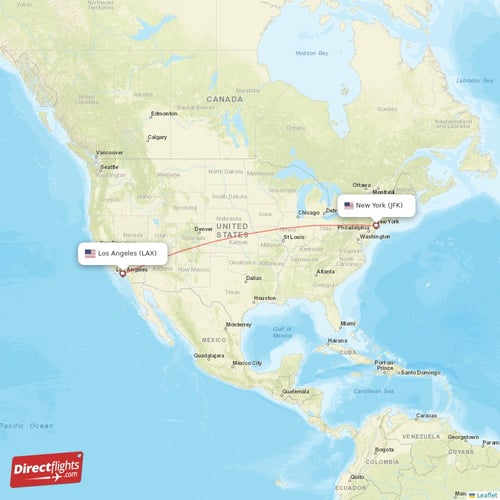
Understanding the typical flight time is crucial for effective travel planning. Whether you’re coordinating airport pick-ups, scheduling onward travel, or simply managing your expectations for arrival, knowing the approximate airborne hours will help streamline your journey. This exploration will delve into the primary determinants of flight duration, differentiate between direct and connecting flights, and offer insights into how to find the most efficient routes, ultimately painting a comprehensive picture of what to expect when you book your ticket from the Eastern Seaboard to the Pacific coast.
The Direct Flight Duration: Averages and Variables
When considering a flight from New York to Los Angeles, the most sought-after option for many travelers is a direct flight. These flights offer the most convenience, minimizing transit time and eliminating the complexities of layovers. However, even within the realm of direct flights, the duration can fluctuate.
Average Flight Time and Key Influences
On average, a direct flight from one of New York’s major airports, such as John F. Kennedy International Airport (JFK) or Newark Liberty International Airport (EWR), to Los Angeles International Airport (LAX) typically ranges from 5 hours and 30 minutes to 6 hours and 30 minutes. This average is a crucial benchmark for travelers.
Several factors contribute to this variation:
- Aircraft Type: Different aircraft have varying cruising speeds. Newer, more aerodynamic planes may complete the journey slightly faster than older models. For instance, a Boeing 777 might shave a few minutes off compared to an older Boeing 767, though the difference is often marginal for this particular route.
- Wind Patterns (Jet Stream): This is arguably the most significant variable. Flights traveling eastbound typically benefit from tailwinds provided by the jet stream, shortening their duration. Conversely, westbound flights, like those from New York to Los Angeles, often encounter headwinds, extending the flight time. The strength and position of the jet stream can change daily, impacting flight durations.
- Flight Path and Air Traffic Control: While airlines have optimized routes, air traffic control plays a vital role in managing the skies. Congestion over certain airspaces or the need to deviate from the most direct path due to weather or other traffic can add minutes to the flight.
- Departure and Arrival Times: Flights departing during peak hours might experience slight delays on the ground before takeoff, and arrivals during busy periods can sometimes be subject to holding patterns before landing.
The Advantage of Direct Flights
The primary advantage of choosing a direct flight is the undeniable saving of time and the reduction of travel-related stress. You avoid the need to disembark, navigate potentially unfamiliar airports, and re-board an aircraft. For business travelers, this efficiency is paramount, allowing for more productive time on either end of the journey. For leisure travelers, it means more time to begin exploring the attractions of Los Angeles, from the iconic Hollywood Walk of Fame to the scenic beaches of Santa Monica.
Connecting Flights: Extended Travel Times and Strategic Planning
While direct flights offer the most straightforward transit, connecting flights are also a common option, particularly for those seeking potentially lower fares or when direct routes are fully booked. However, these flights invariably extend the overall travel time significantly.
Understanding the Layover Factor

A connecting flight involves a stop at an intermediate airport where passengers deplane and then board a different aircraft to reach their final destination. The duration of a connecting flight from New York to Los Angeles is calculated by adding the flight time to the destination airport, the layover duration, and the subsequent flight time to Los Angeles.
This means that a trip that might be 5.5 to 6.5 hours airborne on a direct flight could easily stretch to 8 to 12 hours or even more, depending on the length of the layover. These layovers can range from a brief 45 minutes to several hours, strategically chosen by airlines to facilitate passenger transfers.
Factors Affecting Connecting Flight Durations
- Layover Airport: The choice of connecting airport can influence efficiency. Larger hubs like Denver International Airport or Dallas/Fort Worth International Airport are well-equipped for smooth transfers, but their size can also mean longer walks between gates. Smaller airports might have shorter transit times but fewer flight options.
- Layover Duration: This is the most critical variable. A short layover increases the risk of missing a connection if the first flight is delayed. A very long layover can lead to an excessively extended total travel time, which some travelers might find inconvenient, though it can also provide an opportunity for a brief excursion or a meal outside the airport if time permits.
- Number of Connections: While uncommon for this specific route due to its popularity, some multi-leg itineraries might involve more than one stop, further increasing the total travel duration.
When Connecting Flights Make Sense
Despite the extended travel time, connecting flights can be a viable option under certain circumstances. For budget-conscious travelers, connecting flights often present a more economical choice. They can also be beneficial for those who prefer to break up a long journey into smaller segments, especially if the layover offers a chance to stretch their legs in a different city. Furthermore, connecting flights can sometimes offer more flexibility in departure and arrival times, catering to specific scheduling needs that direct flights might not accommodate.
Planning Your Trip: Tips for Optimizing Flight Time
Maximizing efficiency and comfort when flying from New York to Los Angeles involves strategic planning. Understanding how to search for flights and what to consider can significantly enhance your travel experience.
Researching and Booking Strategies
The first step in optimizing your flight time is diligent research. Utilize flight comparison websites and airline booking platforms to explore various options. Pay close attention to:
- Flight Schedules: Look at the listed flight durations. While the average is informative, actual scheduled times will be presented.
- Departure and Arrival Airports: New York has multiple major airports (JFK, EWR, LaGuardia), and Los Angeles also has several, though LAX is the primary international gateway. Confirming your departure and arrival points is essential.
- Layover Details: For connecting flights, carefully examine the layover duration and the airport. Ensure sufficient time is allocated for transfers, especially if you have checked baggage.
- Time Zone Differences: Remember that Los Angeles is three hours behind New York. A 6-hour flight departing at 9 AM Eastern Time will arrive at approximately 12 PM Pacific Time, making the total elapsed time from departure to arrival on the clock 9 hours, despite the airborne duration.
Maximizing Comfort on Board
Once your flight is booked, consider how to make the journey as comfortable as possible.
- Choose Your Seat Wisely: If possible, select a seat that offers more legroom (often an extra-cost option) or is situated away from high-traffic areas like galleys or restrooms. Window seats can offer a sense of more space.
- Pack Smart: Bring a neck pillow, an eye mask, and earplugs to aid in sleep or relaxation. Entertainment options on board can vary, so downloading movies, podcasts, or music beforehand is advisable.
- Stay Hydrated: Airplane cabins can be very dry. Drink plenty of water throughout the flight. Avoid excessive alcohol and caffeine, which can contribute to dehydration.
- Move Around: If feasible and safe, get up and walk the aisles periodically to improve circulation and prevent stiffness.
By understanding the nuances of flight durations and employing smart booking and packing strategies, your transcontinental journey from New York to Los Angeles can be a smooth and efficient prelude to the exciting experiences awaiting you on the West Coast.
LifeOutOfTheBox is a participant in the Amazon Services LLC Associates Program, an affiliate advertising program designed to provide a means for sites to earn advertising fees by advertising and linking to Amazon.com. Amazon, the Amazon logo, AmazonSupply, and the AmazonSupply logo are trademarks of Amazon.com, Inc. or its affiliates. As an Amazon Associate we earn affiliate commissions from qualifying purchases.