
Understanding the logistics of hotel stays is fundamental to ensuring a seamless travel experience. For many guests, the specific timing of when they can enter their room and when they must vacate it can seem arbitrary, yet these windows are the heartbeat of the hospitality industry. Whether you are staying at a luxury resort in Bora Bora or a sleek business hotel in New York City, check-in and check-out times are standardized protocols designed to balance guest satisfaction with operational efficiency. This guide explores the intricacies of these timings, the reasons behind the industry standards, and how guests can navigate them to maximize their stay.
The Standard Industry Timing and Why It Matters
In the global hospitality landscape, most hotels follow a relatively consistent schedule. Generally, check-in occurs between 2:00 PM and 4:00 PM, while check-out is typically required by 10:00 AM or 12:00 PM. While these times may vary slightly between a boutique property in Paris and a massive complex in Las Vegas, the underlying logic remains the same.
Typical Check-In and Check-Out Windows
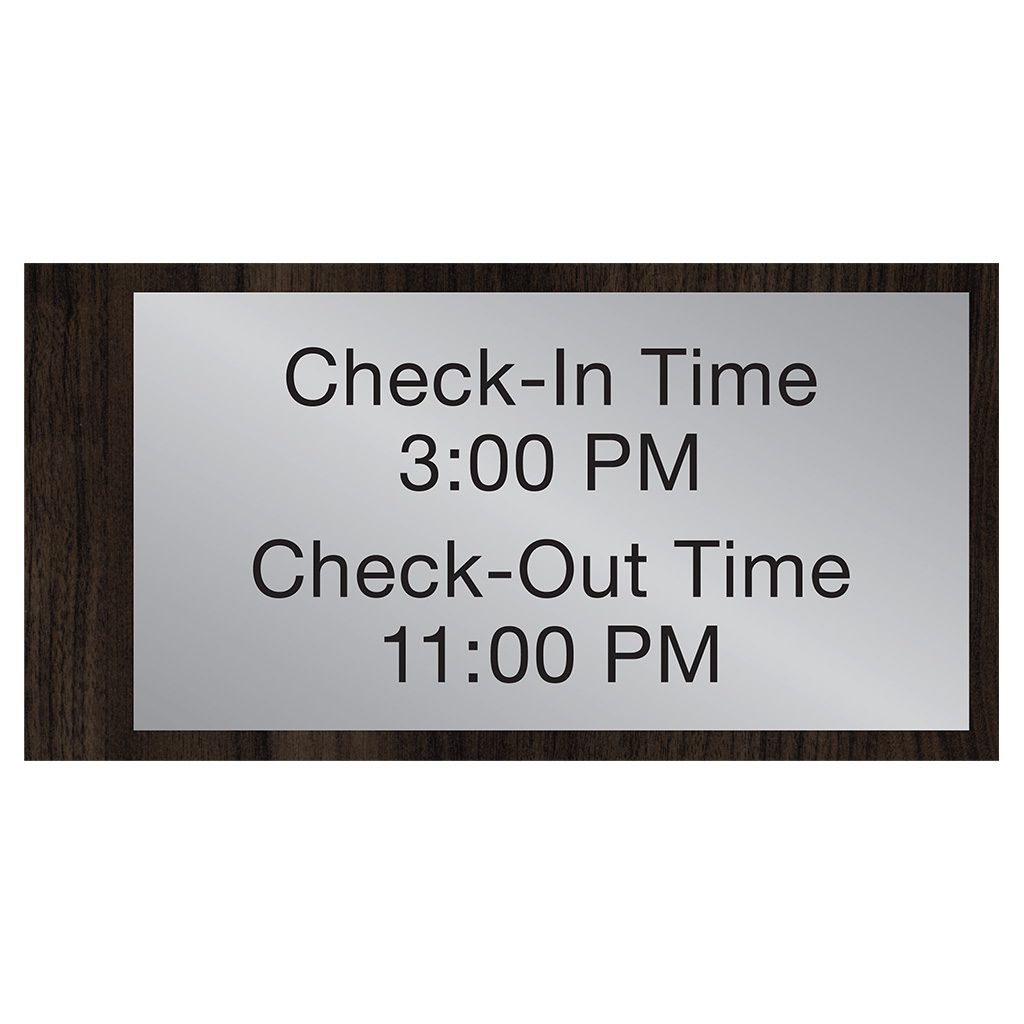
The “standard” check-in time of 3:00 PM is a nearly universal benchmark in countries like the United States and throughout Europe. This timing ensures that the hotel has a sufficient “turnover window” between the departing guests and the arriving ones. Conversely, the 11:00 AM check-out is designed to give the front desk and housekeeping teams enough time to process the morning rush of departures before preparing for the afternoon influx.
In high-demand markets like London or Tokyo, these windows are strictly enforced because the volume of guests leaving and arriving is so high. A delay of even thirty minutes in a single room can have a domino effect, pushing back the readiness of rooms for guests waiting in the lobby.
The Logistical Balance: Housekeeping and Operations
The primary reason for the gap between check-out and check-in is the intensive labor required to maintain high standards of cleanliness. When a guest departs a room at The Ritz-Carlton or a Four Seasons property, the housekeeping staff must perform a “full-service clean.” This involves stripping linens, disinfecting surfaces, replenishing amenities, vacuuming, and performing a quality control check.
In a large hotel with hundreds of rooms, this process requires a choreographed effort. The housekeeping department relies on the Property Management System (PMS) to track which rooms have been vacated. If a guest stays past the 11:00 AM deadline without prior authorization, it hinders the staff’s ability to guarantee a clean room for the next traveler arriving at 3:00 PM. This operational “buffer zone” is essential for maintaining the reputation of brands like Marriott International or Hilton Hotels & Resorts.
Policies Across Different Types of Establishments
Not all hotels operate on the same clock. The type of establishment—be it a luxury resort, a business hotel, or an airport-adjacent property—often dictates how flexible or rigid their timing policies are.
Luxury Resorts vs. Boutique Hotels
Luxury resorts, such as those found in Maldives or Bali, often face unique challenges. Because guests frequently arrive via long-haul flights or specific boat transfers, these properties may offer more personalized arrival windows. However, because luxury suites are larger and feature more intricate amenities, they also require longer cleaning times.
On the other hand, boutique hotels like those in the W Hotels portfolio often pride themselves on a more lifestyle-oriented approach. Some boutique brands have experimented with “24-hour stay” models, where your check-out time is exactly 24 hours after your check-in time, regardless of the hour. While this is not yet the industry standard, it is a growing trend in trendy urban centers across Japan and Australia.
Business Hotels and City Center Stays
For business travelers staying at an InterContinental Hotels Group property in Dubai or Singapore, time is of the essence. These hotels often prioritize early check-ins for corporate travelers arriving on red-eye flights. City center hotels are designed for high turnover and efficiency. They often utilize automated systems to alert guests via smartphone when their room is ready, sometimes as early as 1:00 PM if the previous night’s occupancy was low.
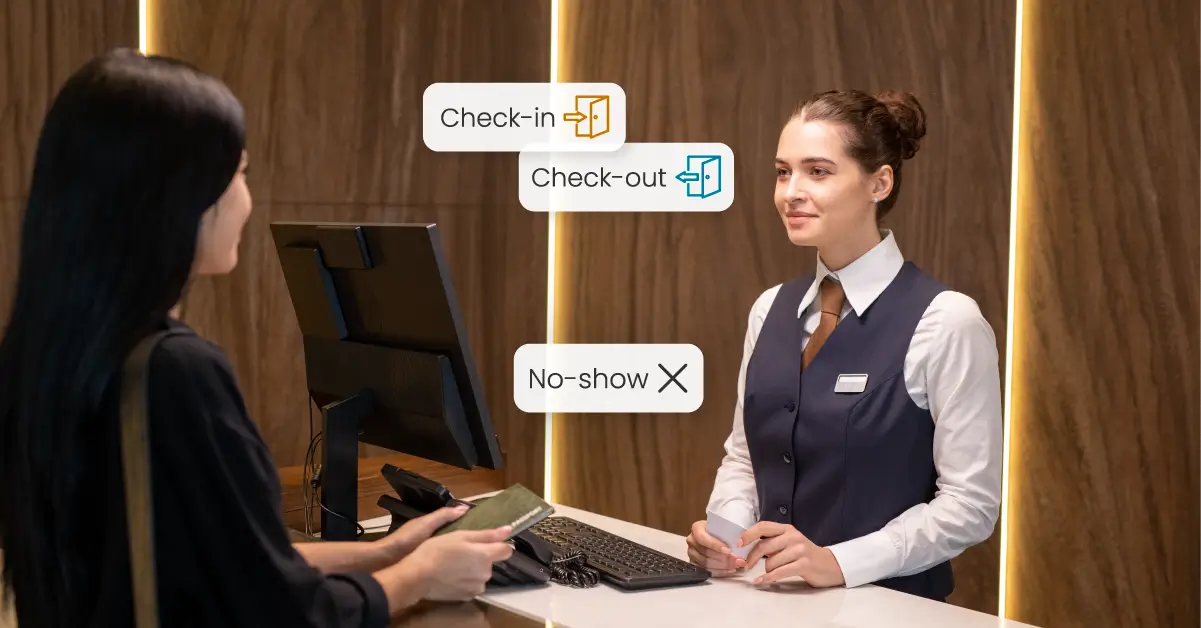
In financial hubs like Hong Kong or Frankfurt, the 12:00 PM check-out is common to accommodate morning meetings, allowing professionals to return to their room for a final pack-up before heading to the airport.
Navigating Early Check-In and Late Check-Out Requests
One of the most frequent questions guests ask is whether they can bypass the standard timing. While hotels cannot always guarantee flexibility, there are strategic ways to increase your chances of securing extra time in your room.
Strategies for Securing Extra Time
If you are visiting a landmark city like Rome and your flight lands at 8:00 AM, waiting until 3:00 PM for your room at the Hotel de Russie can be exhausting. The best approach is to communicate with the hotel at least 24 to 48 hours in advance. Mentioning a specific reason, such as traveling with young children or arriving from a different time zone like Australia, can encourage the front desk to prioritize your room in the housekeeping queue.
Late check-outs are often easier for hotels to grant than early check-ins, especially if the hotel is not at full occupancy for the following night. If you need to stay until 2:00 PM to finish a project or see the Eiffel Tower one last time, asking the night before is usually more effective than asking on the morning of departure.
Loyalty Programs and Elite Status Benefits
For frequent travelers, loyalty programs are the most reliable way to circumvent standard check-in and check-out times. Members of programs like Marriott Bonvoy or World of Hyatt often receive guaranteed late check-out (sometimes as late as 4:00 PM) as a tier benefit.
In some cases, luxury brands like The Peninsula Hong Kong offer “Peninsula Time,” a program that allows for flexible check-in and check-out times at no extra cost, provided the request is made in advance. This level of service is a hallmark of high-end hospitality in Asia and is beginning to see adoption in luxury properties in France and the United Kingdom.
Modern Innovations in Arrival and Departure
The hospitality industry is constantly evolving, and technology is playing a major role in how check-in and check-out times are managed. From mobile apps to luggage logistics, the “waiting in the lobby” experience is being redefined.
Express Check-In and Mobile Keys
Many modern hotel chains, including Mandarin Oriental and Hyatt, now offer mobile check-in. This allows guests to bypass the front desk entirely. Once the housekeeping team marks the room as “ready” in the system, the guest receives a notification and a digital key on their smartphone. This innovation reduces the friction of the 3:00 PM rush, allowing guests to head straight to their suite upon arrival in cities like Sydney or Barcelona.
Similarly, express check-out via the hotel app or the in-room television allows guests to review their folio and depart without standing in line. This is particularly useful in large convention hotels where hundreds of guests may be departing simultaneously to catch flights from Heathrow Airport or JFK Airport.
Luggage Storage and Day Use Facilities
If a hotel cannot accommodate an early check-in or a late check-out, they almost always offer luggage storage. This service is a lifesaver for travelers wanting to visit the Colosseum or walk through Central Park without dragging suitcases behind them.
Furthermore, some high-end resorts and airport hotels offer “day-use” rates. This allows guests to book a room for a 4-to-6-hour window during the day. This is a common practice at St. Regis properties near major transit hubs, providing a place to shower and rest between a morning arrival and an evening event. Additionally, many hotels grant departing guests continued access to amenities such as the fitness center, pool, or spa, even after they have officially checked out of their room.
In conclusion, while the standard 3:00 PM check-in and 11:00 AM check-out times are designed to keep the complex gears of a hotel turning, they are not always set in stone. By understanding the operational needs of the hotel and utilizing loyalty benefits or modern technology, guests can navigate these timings with ease. Whether you are exploring the history of Italy or the modern skyline of Shanghai, knowing how to manage your arrival and departure will ensure your stay is as relaxing as possible.
LifeOutOfTheBox is a participant in the Amazon Services LLC Associates Program, an affiliate advertising program designed to provide a means for sites to earn advertising fees by advertising and linking to Amazon.com. Amazon, the Amazon logo, AmazonSupply, and the AmazonSupply logo are trademarks of Amazon.com, Inc. or its affiliates. As an Amazon Associate we earn affiliate commissions from qualifying purchases.