
For registered nurses across the United States, the concept of the Nurse Licensure Compact (NLC) has profoundly reshaped professional mobility and career opportunities. It’s a vital consideration for anyone looking to advance their nursing lifestyle, especially those contemplating a move or a business stay in a new state. When nurses envision a dynamic career, often coupled with the allure of a new environment, understanding licensure requirements is paramount. So, for the many nurses eyeing the Sunshine State, the pressing question arises: Is Florida a compact state for registered nurses? The answer, unequivocally, is yes, and this status carries significant implications for a nurse’s professional trajectory and personal lifestyle choices within the state.
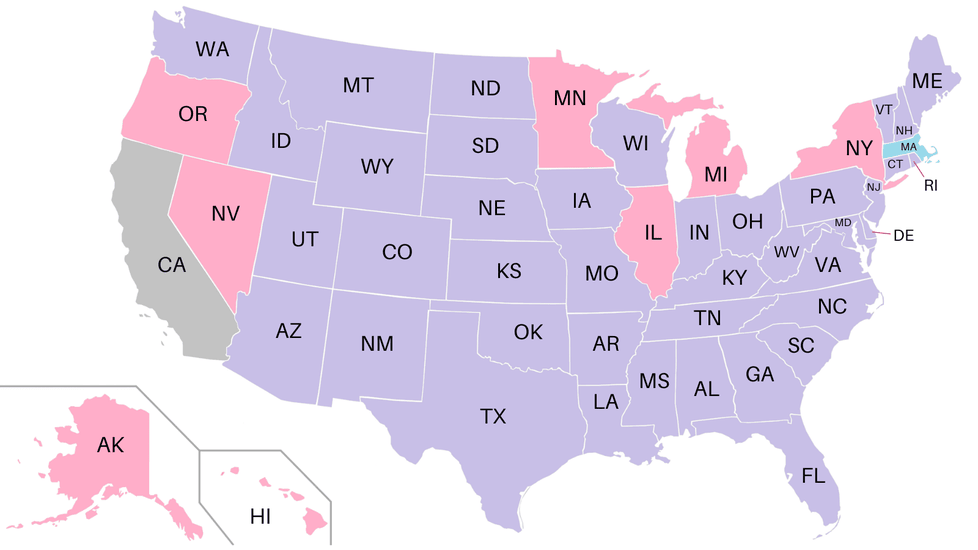
Florida’s entry into the NLC framework has dramatically simplified the process for qualified nurses to practice across state lines without the need for multiple licenses, making it an attractive destination for healthcare professionals seeking flexibility and diverse experiences. This shift not only impacts travel nurses but also those seeking permanent relocation, offering a streamlined pathway to employment and a more adaptable professional life.
Understanding the Nurse Licensure Compact (NLC) and Its Lifestyle Implications
The Nurse Licensure Compact represents a monumental stride in modern nursing, enabling a more integrated and flexible professional lifestyle. For nurses, particularly those who value career mobility and diverse experiences, the NLC is a game-changer.
The Core Concept of Compact Licensure
At its heart, the Nurse Licensure Compact (NLC) is an agreement between member states that allows nurses to hold one multi-state license (MSL) and practice in any other NLC state, provided they meet the specific requirements of the state they are practicing in. This eliminates the bureaucratic hurdles of obtaining new licenses for each state, fostering a more seamless professional flow. The primary state of residence determines which state issues the MSL. This core concept underpins a lifestyle of unparalleled professional freedom and adaptability for nurses. It’s managed by the National Council of State Boards of Nursing (NCSBN), which works to ensure consistent standards and practices across compact states.
Benefits for the Modern Nursing Lifestyle
The advantages of the NLC for the contemporary nursing lifestyle are extensive. Firstly, it supports a “travel nurse” lifestyle, allowing nurses to take assignments in different states without the lengthy wait times associated with traditional single-state licensure applications. This opens doors to exploring various healthcare settings, specialties, and geographical locations, enriching a nurse’s professional experience and personal life. For those balancing family commitments, the flexibility to work in a bordering compact state without additional licensure can be invaluable. It transforms career planning, making it less about geographical constraints and more about professional opportunities and personal preferences. The ability to pivot quickly to areas of high demand or to explore new clinical environments contributes significantly to career satisfaction and a sense of professional purpose.
Inter-State Mobility and Professional Freedom
The NLC champions inter-state mobility, granting nurses a level of professional freedom that was previously unattainable. Imagine a nurse in Georgia suddenly having a family need in Florida. If both states are compact members, that nurse can transition their practice with minimal fuss, maintaining their income and professional continuity. This freedom extends beyond emergencies; it empowers nurses to pursue specialized training, attend workshops, or even semi-retire to a new location while still being able to pick up shifts without the burden of re-licensure. This seamless transition across state lines profoundly impacts a nurse’s lifestyle, allowing them to align their professional aspirations with their personal life choices more effectively.
Florida’s Journey to NLC Membership: A Game Changer for Nurses
Florida’s decision to join the NLC was a significant milestone, altering the professional landscape for nurses considering the state as their home or a temporary business destination. This move has cemented Florida’s position as a highly desirable location for nursing professionals.
Historical Context and Legislative Milestones in Florida
Florida officially joined the NLC on July 1, 2016, becoming one of the early adopters of the Enhanced NLC, a revised version of the original compact. This legislative journey involved careful consideration by the Florida legislature and the Florida Board of Nursing, recognizing the immense benefits it would bring to the state’s healthcare system and its nursing workforce. The decision reflected a forward-thinking approach to addressing nursing shortages, facilitating disaster response, and attracting top talent. For nurses looking back, this historical context highlights a commitment to professional support and adaptability, signaling Florida as a state that values the modern nursing lifestyle.
What Being a “Compact State” Means for a Nurse’s Career
For a nurse, Florida’s status as a compact state translates into unparalleled career advantages. If Florida is a nurse’s primary state of residence (where they legally reside), they can apply for a Multi-State License (MSL). Once obtained, this MSL allows them to practice in any other NLC member state without needing to apply for additional licenses. Conversely, if a nurse holds an MSL from another compact state and wishes to practice in Florida, they can do so immediately, provided their license is in good standing. This removes significant administrative burdens and accelerates the path to employment, making career transitions smoother and more efficient. It fundamentally alters the planning process for career development, fostering a more agile and responsive professional life.
Impact on Travel Nursing and Relocation Decisions

The impact on travel nursing and relocation decisions cannot be overstated. For travel nurses, Florida’s compact status makes it an immensely appealing destination. The ability to accept assignments in cities like Miami, Orlando, or Tampa without the delay of single-state licensure is a huge draw. This flexibility is crucial for a lifestyle that thrives on exploration and diverse clinical experiences. Similarly, for nurses considering a permanent relocation to Florida, the NLC simplifies the professional aspect of their move, allowing them to focus on finding a new home, settling their family, and immersing themselves in the Florida lifestyle rather than navigating complex licensure applications. It means a smoother, faster transition into the job market, reducing stress and enabling a quicker start to their new life in the state.
Navigating Licensure in Florida: Steps for Compact and Non-Compact Holders
While Florida is a compact state, understanding the specific pathways for licensure is crucial for every nurse to ensure compliance and maintain their professional lifestyle without interruption. The process differs slightly depending on whether a nurse holds an existing multi-state license or is seeking a single-state Florida license.
For Nurses with a Multi-State License (MSL)
If a nurse already holds an MSL from another NLC state and their primary state of residence is that state, they can generally begin practicing in Florida immediately upon relocating or taking an assignment. This is the beauty of the compact – frictionless mobility. However, it is essential to remember that while practicing in Florida, the nurse is subject to Florida’s Nurse Practice Act and its regulatory rules. If Florida becomes their new primary state of residence, they must apply for a Florida MSL. This change of residency triggers the need to obtain a new compact license from Florida and surrender the previous state’s license. Neglecting this step could lead to practicing without a valid license, which has severe professional lifestyle implications.
For Nurses Seeking a Single-State Florida License
Nurses who reside in a non-compact state or those who wish to make Florida their primary state of residence but do not currently hold an MSL will apply for a Florida single-state license. This process is similar to traditional licensure applications and typically involves submitting an application to the Florida Board of Nursing, providing proof of education, passing the NCLEX exam (if applicable), and undergoing a background check. Once the single-state license is granted, if the nurse’s primary state of residence is Florida and they meet all the uniform licensure requirements, they can then apply for the multi-state privilege to their Florida license. This conversion from a single-state to a multi-state license allows them to enjoy the full benefits of the NLC and expand their professional lifestyle beyond Florida’s borders.
Important Considerations for Maintaining Licensure
Maintaining licensure in good standing is non-negotiable for any nursing professional. Nurses practicing under the NLC must always abide by the laws and regulations of the state in which they are currently practicing. They should also ensure their primary state of residence is accurately declared, as this is the state that issues and regulates their MSL. Any changes in residency or criminal history must be reported to the appropriate Board of Nursing. Staying informed about compact rules, continuing education requirements in Florida, and the status of one’s license is paramount for a seamless and compliant professional lifestyle. Regular checks with the Florida Board of Nursing website are recommended to stay updated on any changes or requirements.
The Broader Lifestyle Advantages for Nurses in Florida
Beyond the immediate professional benefits, Florida’s compact status intertwines with numerous lifestyle advantages, making it an attractive locale for nurses seeking a fulfilling career and a vibrant personal life.
Professional Growth and Diverse Opportunities
Florida’s robust healthcare sector offers a wealth of professional growth and diverse opportunities. With a large and growing population, including a significant elderly demographic, there is a constant demand for skilled nurses in various specialties, from acute care in major hospitals in Jacksonville and Miami to specialized long-term care facilities. The state also boasts numerous academic medical centers and research institutions, providing avenues for advanced practice, education, and clinical research. The compact status amplifies these opportunities, allowing nurses from other states to easily tap into this dynamic job market, fostering a lifestyle of continuous learning and career advancement. Whether a nurse is passionate about pediatric oncology, emergency room trauma, or community health, Florida likely has an environment where they can thrive and advance their chosen professional lifestyle.
Balancing Work and Florida’s Unique Offerings
One of the most compelling aspects of a nursing lifestyle in Florida is the exceptional balance it offers between a demanding career and an unparalleled quality of life. The state is renowned for its beautiful beaches, vibrant cultural scene, and world-class attractions. A nurse working a challenging shift in Orlando might spend their days off at theme parks, while a nurse in Tampa could enjoy pristine Gulf Coast beaches. The year-round warm climate supports an active, outdoor lifestyle, from water sports and fishing to golf and hiking. This ability to easily transition from a high-stakes professional environment to a relaxing and engaging personal life is a significant draw, contributing to overall well-being and preventing burnout – a common concern in the nursing profession. Florida truly offers a lifestyle where career aspirations and personal fulfillment can coexist harmoniously.

Financial and Career Planning in a Compact State
Financial and career planning becomes more strategic and less complicated when practicing in a compact state like Florida. The ease of inter-state mobility means nurses can strategically seek out positions with better compensation, benefits, or professional development opportunities across a wider geographical area. This flexibility empowers nurses to negotiate more effectively, explore travel nursing contracts that often offer premium pay, or even consider seasonal work patterns that align with personal goals, such as extended travel or family time. For those looking to establish roots, the stable job market and diverse settings in Florida provide a solid foundation for long-term career growth and financial security. The NLC status not only opens doors to immediate employment but also facilitates a long-term, adaptable career path, ensuring that a nurse’s professional lifestyle in Florida remains dynamic, rewarding, and aligned with their evolving aspirations.
In conclusion, Florida’s status as a compact state for registered nurses is a significant advantage, profoundly impacting the professional and personal lifestyles of countless healthcare professionals. It offers unparalleled mobility, diverse career opportunities, and the chance to enjoy a high quality of life, making the Sunshine State an undeniable beacon for nurses across the nation.
LifeOutOfTheBox is a participant in the Amazon Services LLC Associates Program, an affiliate advertising program designed to provide a means for sites to earn advertising fees by advertising and linking to Amazon.com. Amazon, the Amazon logo, AmazonSupply, and the AmazonSupply logo are trademarks of Amazon.com, Inc. or its affiliates. As an Amazon Associate we earn affiliate commissions from qualifying purchases.