
For travelers venturing into the diverse landscapes of Florida, the question of what wildlife might be encountered is often a captivating one. Beyond the alligators, manatees, and vibrant birdlife that famously define the Sunshine State, a more elusive, yet equally fascinating, group of creatures also calls Florida home: foxes. Yes, these adaptable canids are indeed present, adding another layer of intrigue to Florida’s rich natural tapestry. For those keen on wildlife viewing and understanding the ecosystems they visit, knowing about Florida’s foxes enriches the travel experience, offering glimpses into the state’s wilder, often unseen, side. This guide delves into the world of Florida’s foxes, providing insights for travelers eager to respectfully explore and appreciate these clever inhabitants.
Florida’s Elusive Canids: A Traveler’s Guide to Identification
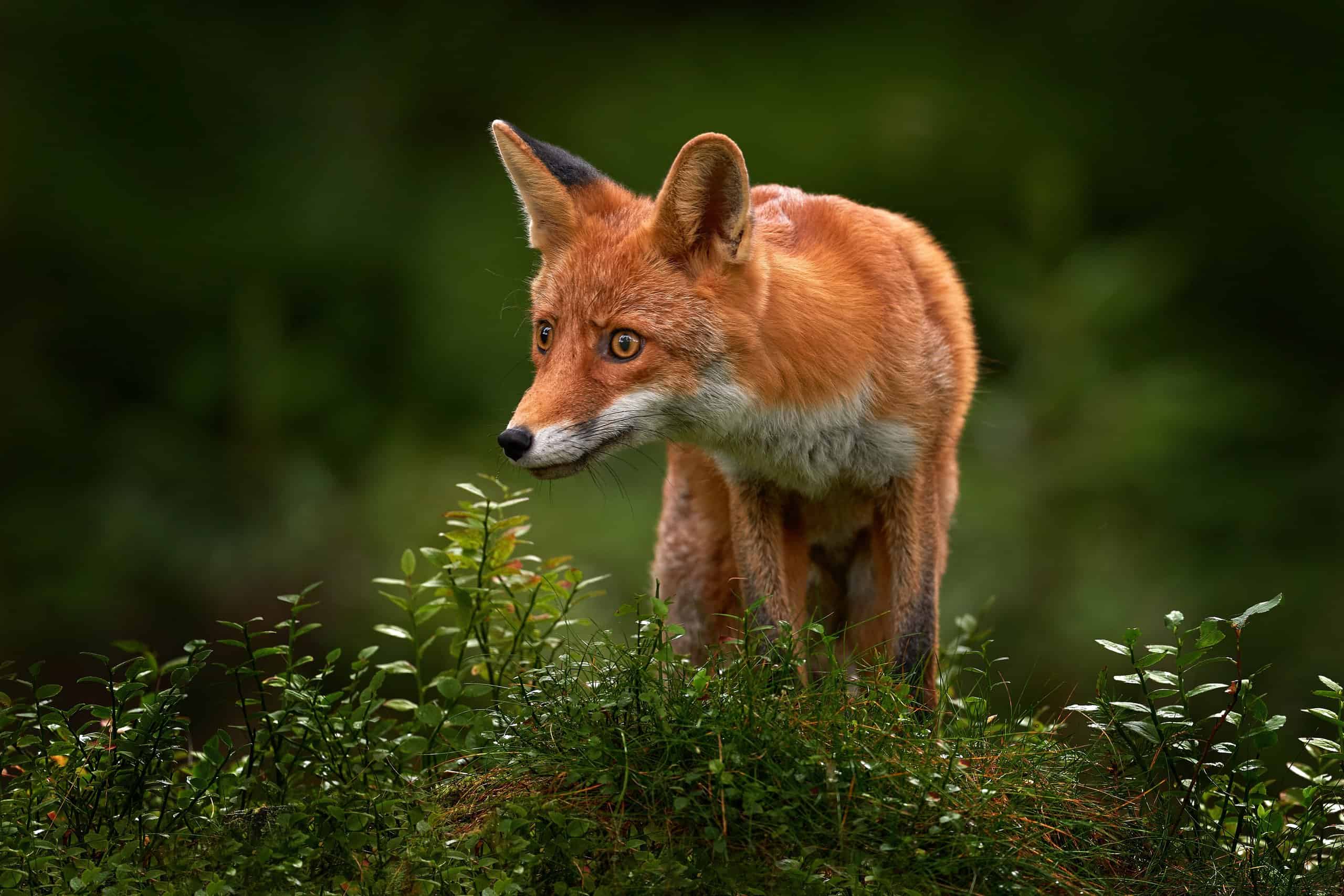
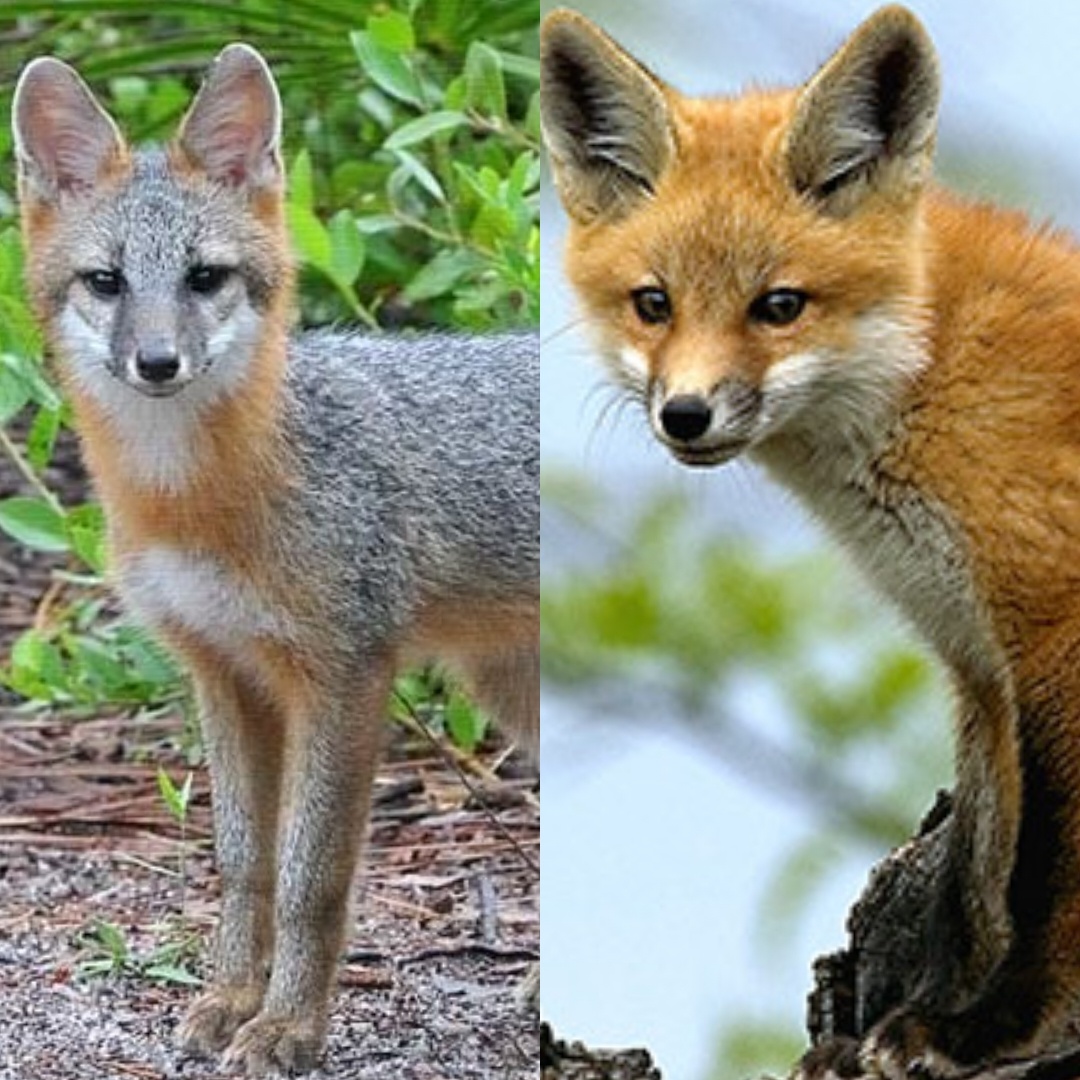
Florida is home to two primary species of foxes, each with distinct characteristics and behaviors that savvy travelers can learn to identify. Understanding these differences not only aids in spotting them but also deepens appreciation for their ecological roles.
The Red Fox (Vulpes vulpes): A Flash of Crimson
The Red Fox, scientifically known as Vulpes vulpes, is perhaps the most recognizable fox species globally, and its presence in Florida adds a touch of classic wilderness to the subtropical environment. These foxes are medium-sized canids, famed for their striking reddish-orange fur, often fading to white on the belly and chest, and most notably, a distinctive bushy white-tipped tail. Their slender bodies, pointed ears, and keen eyes give them an agile and intelligent appearance.
In Florida, Red Foxes are more commonly found in the northern and central parts of the state, though their adaptable nature means they can be encountered across a wider range. They prefer mixed landscapes, including forests, grasslands, agricultural areas, and even suburban environments where food sources are plentiful. While primarily nocturnal, Red Foxes are opportunistic and can sometimes be seen at dawn, dusk, or even during the day, especially in less disturbed areas or when foraging for food. Travelers hoping to spot a Red Fox should look for their characteristic coloration and movement near forest edges, open fields, or along quiet roads during twilight hours.
The Gray Fox (Urocyon cinereoargenteus): The Arboreal Acrobat
The Gray Fox, or Urocyon cinereoargenteus, offers a contrasting profile to its red cousin and is considered a true native to the Americas. Physically, the Gray Fox is distinguished by its grizzled gray fur on its back, reddish-brown patches on its sides, legs, and neck, and a black stripe running down the top of its tail, which culminates in a black tip. This species is slightly smaller and stockier than the Red Fox.
What truly sets the Gray Fox apart, however, is its remarkable ability to climb trees – a trait almost unique among canids. This arboreal skill allows them to escape predators, forage for food, and even rest in tree branches, earning them the nickname “tree fox.” This unique adaptation makes them particularly fascinating for wildlife enthusiasts. Gray Foxes are found throughout Florida, from the panhandle to the southern tip, thriving in denser forest habitats, scrublands, and swampy areas. Their reclusive nature makes them generally harder to spot than Red Foxes, often requiring more patience and a keen eye in heavily wooded areas. When traveling through Florida’s extensive natural parks and preserves, keeping an eye on low tree branches might just reward you with a glimpse of this nimble climber.
Where to Spot Foxes in the Sunshine State
For travelers hoping to encounter Florida’s foxes, understanding their preferred habitats and typical behaviors is key. While sightings are never guaranteed, focusing on specific locations and employing mindful viewing practices significantly increases the chances.
State Parks and Wildlife Refuges: Prime Viewing Opportunities
Florida’s vast network of state parks, national forests, and wildlife refuges offers the best opportunities for observing foxes in their natural environments. These protected areas provide the necessary habitat and food sources for fox populations to thrive, away from the most intense human disturbances.
For instance, parks like Ocala National Forest in central Florida, with its extensive pine flatwoods and scrub habitats, are excellent places to look for both Red Foxes and Gray Foxes. The diverse ecosystems within Myakka River State Park near Sarasota, encompassing prairies, wetlands, and woodlands, also support healthy fox populations. Further north, the expansive St. Marks National Wildlife Refuge along the Gulf Coast is another promising destination, particularly during cooler months when wildlife activity is often more visible.
While foxes are less common in the deep, wet marshlands of the Everglades National Park proper, the transition zones and drier uplands surrounding it, such as sections of the Big Cypress National Preserve, can still provide opportunities. The best times for viewing are typically early morning or late evening, during the cooler parts of the day when foxes are most active. Patience, quiet observation, and a good pair of binoculars are indispensable tools for any wildlife enthusiast.
Urban and Suburban Encounters: Unexpected Neighbors
Despite their wild nature, foxes exhibit remarkable adaptability, often venturing into human-dominated landscapes in search of food. It’s not uncommon for residents and travelers alike to spot foxes in suburban neighborhoods, golf courses, and even parks within cities like Orlando, Tampa, or Jacksonville. These urban and suburban environments provide readily available food sources, from small rodents to discarded human food, attracting foxes that have learned to coexist with people.
While exciting, these encounters require a different approach to viewing. It’s crucial to maintain a respectful distance and, most importantly, never feed wild foxes. Feeding them can lead to habituation, making them dependent on humans and potentially aggressive, which can lead to unfortunate outcomes for the animals. Enjoy the rare spectacle from afar, appreciating their ability to navigate the human world while retaining their wild instincts.
Understanding Fox Habitats Across Florida’s Diverse Landscapes
Florida’s ecological diversity plays a significant role in where foxes can be found. Red Foxes tend to favor more open areas interspersed with dense cover, such as the pine flatwoods and sandhills of central Florida, extending into agricultural areas. Gray Foxes, on the other hand, are more strongly associated with dense woodlands, hammocks, and scrub habitats found throughout the state.
Travelers exploring different regions of Florida will find these preferences manifest. Along the Atlantic Coast, barrier islands with maritime forests can harbor fox populations. Inland, areas like the Kissimmee Prairie Preserve State Park, while known for its vast grasslands, also feature tree islands and wetland edges that provide suitable fox habitat. By understanding the specific landscape types and their associated fox species, travelers can better strategize their wildlife viewing expeditions.
Responsible Wildlife Viewing: Tips for Travelers
Observing foxes in the wild is a privilege, and ensuring these encounters are safe and sustainable for both humans and animals is paramount. Travelers to Florida should adhere to responsible wildlife viewing guidelines.
Do’s and Don’ts: Respecting Florida’s Wildlife
- Do Maintain Distance: Always observe foxes (and any wildlife) from a safe and respectful distance. Use binoculars or a telephoto lens to get a closer look without disturbing the animal.
- Do Stay Quiet and Still: Sudden movements or loud noises can scare foxes away or stress them. Move slowly and speak softly, if at all.
- Do Respect Nocturnal Habits: If you encounter a fox during the day, observe cautiously. While some foxes are active during daylight, unusually bold or lethargic behavior could indicate illness.
- Don’t Feed Wild Animals: This is perhaps the most crucial rule. Feeding foxes, even with seemingly harmless scraps, can lead to habituation, loss of fear of humans, dependence, and potential aggression, often resulting in harm to the animal or its eventual removal.
- Don’t Leave Food or Trash Unsecured: Foxes are opportunistic scavengers. Properly dispose of all waste and secure food items, especially when camping or picnicking.
- Don’t Approach or Harass: Never try to pet, corner, or chase a fox. This is dangerous for both you and the animal.
Safety Precautions: What Travelers Should Know
While foxes generally pose little threat to humans, a few precautions are advisable. Like all wild mammals, foxes can carry diseases, including rabies. Although rabies in foxes is rare, it’s essential to:
- Avoid Sick-Looking Animals: A fox that appears disoriented, aggressive, overly friendly, or is stumbling may be ill. Report such sightings to park rangers or the Florida Fish and Wildlife Conservation Commission (FWC).
- Protect Pets: Keep dogs on a leash in natural areas, especially during dawn and dusk. Secure cats indoors, particularly at night, to protect them from potential encounters with foxes or other predators.
Contributing to Conservation Efforts
Travelers can play a vital role in fox conservation by practicing responsible tourism. Supporting state parks and wildlife refuges through entrance fees or donations directly aids habitat preservation. Reporting unusual fox sightings (especially sick animals) to the FWC contributes to wildlife management efforts. Furthermore, learning about and supporting local conservation organizations like Audubon Florida helps protect the broader ecosystems that foxes, and countless other species, depend on.
The Ecological Role of Foxes in Florida’s Ecosystem
Understanding the ecological significance of foxes enhances a traveler’s appreciation for their presence and role within Florida’s complex natural systems.
Natural Predators: Maintaining Balance
Foxes are integral components of Florida’s food web. As opportunistic predators, they help control populations of rodents (mice, rats), rabbits, and insects, which can prevent overgrazing or crop damage. They also consume fruits and berries, contributing to seed dispersal and forest regeneration. This crucial role in maintaining ecological balance makes them more than just a fleeting sight; they are active participants in the health of the environment.

Challenges and Conservation Status
Despite their adaptability, Florida’s foxes face various challenges. Habitat loss due to urban development, road mortality, and diseases like distemper and sarcoptic mange pose threats to their populations. Both Red Foxes and Gray Foxes are generally not considered endangered in Florida and are listed as “Least Concern” by the IUCN, but local populations can be vulnerable. The FWC monitors fox populations and provides guidelines for living responsibly alongside them, emphasizing that education and thoughtful human-wildlife interaction are key to their continued presence.
In conclusion, yes, foxes absolutely roam the landscapes of Florida, adding a touch of wild beauty and ecological dynamism to the Sunshine State. For travelers, encountering a Red Fox darting through a field or a Gray Fox stealthily climbing a tree can be a highlight of their journey. By understanding their habits, respecting their space, and contributing to conservation, visitors can ensure that these fascinating canids remain a cherished part of Florida’s wild allure for generations to come. So, pack your binoculars, cultivate your patience, and prepare to be delighted by Florida’s cunning and captivating foxes.
LifeOutOfTheBox is a participant in the Amazon Services LLC Associates Program, an affiliate advertising program designed to provide a means for sites to earn advertising fees by advertising and linking to Amazon.com. Amazon, the Amazon logo, AmazonSupply, and the AmazonSupply logo are trademarks of Amazon.com, Inc. or its affiliates. As an Amazon Associate we earn affiliate commissions from qualifying purchases.