
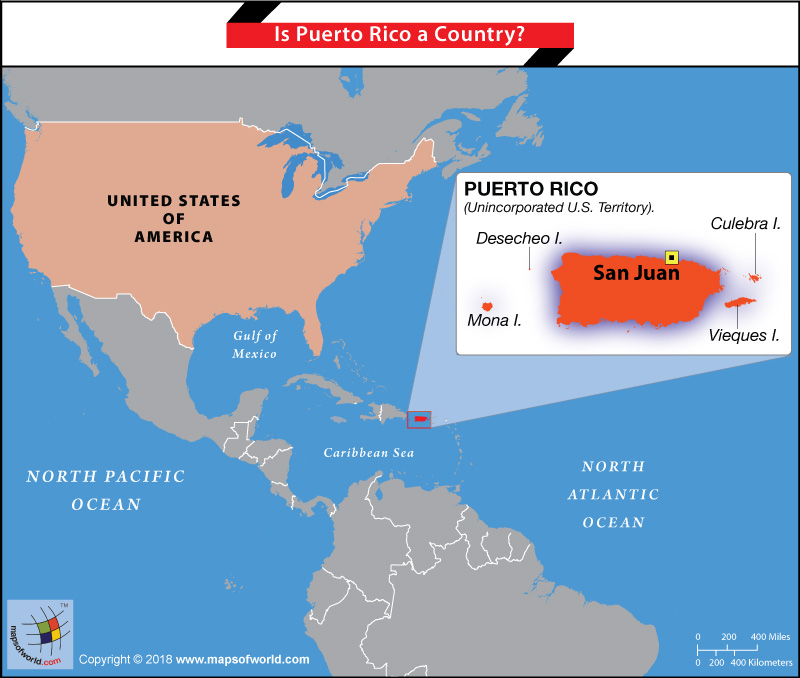
Puerto Rico, an island paradise teeming with vibrant culture, breathtaking landscapes, and a rich history, often sparks curiosity about its unique political status. For many travelers and prospective visitors, the question “How is Puerto Rico part of the United States?” is a fundamental one, impacting everything from travel logistics to understanding the local way of life. While it’s a territory of the U.S., its relationship is nuanced, offering a blend of American familiarity with a distinct Caribbean flair. This article delves into the historical, political, and practical aspects of Puerto Rico’s connection to the United States, providing insights relevant to anyone planning a visit, considering a stay, or simply interested in this fascinating destination.

A Brief History of Union: From Acquisition to Territory
The story of how Puerto Rico became part of the United States is rooted in historical events that reshaped the geopolitical landscape of the late 19th century. The Spanish-American War, a pivotal conflict, led to a significant territorial shift, with the United States acquiring several new possessions, including Puerto Rico, from Spain.
The Treaty of Paris and Its Aftermath
The Spanish-American War, which concluded in 1898, saw the United States emerge victorious. As a result of this victory, Spain ceded several territories to the U.S. under the terms of the Treaty of Paris. Among these was Puerto Rico, along with Cuba and Guam. This marked the beginning of a new era for the island, transitioning from centuries of Spanish rule to a new relationship with its North American neighbor.
Initially, Puerto Rico was under U.S. military rule. However, in 1900, the U.S. Congress passed the Foraker Act, also known as the Organic Act of 1900. This act established a civilian government in Puerto Rico and formally defined its status as an unincorporated territory of the United States. This meant that the island was considered U.S. territory, but the U.S. Constitution did not automatically apply in full. Residents were granted certain rights and privileges but were not full U.S. citizens at that point.
Granting Citizenship and Evolving Status
A significant milestone in the relationship occurred in 1917 when the U.S. Congress passed the Jones-Shafroth Act. This legislation not only created a bill of rights for Puerto Rico and established a locally elected Senate but, crucially, granted statutory U.S. citizenship to all residents of Puerto Rico. This meant that Puerto Ricans became U.S. citizens by birth, a status that remains today. This act was a major step towards integrating the island into the broader American fabric, although it did not grant statehood.
Over the decades, Puerto Rico’s political status has been a subject of ongoing debate and discussion. While it has been a U.S. territory, its residents have not had the right to vote in U.S. presidential elections, nor do they have voting representation in the U.S. Congress. They are subject to U.S. federal laws, and U.S. currency is used. This unique status as an unincorporated territory, with U.S. citizens residing there, distinguishes it from both a U.S. state and an independent nation. The island is often referred to as a Commonwealth, a designation that reflects its self-governing status within the U.S. political system.
Navigating Puerto Rico: Travel and Lifestyle Considerations
Understanding Puerto Rico’s status as a U.S. territory has practical implications for travelers and those considering a longer stay, influencing aspects of travel, accommodation, and lifestyle.
Travel Without Borders: The Ease of Entry
One of the most significant advantages of Puerto Rico’s relationship with the United States for travelers is the ease of entry. Because it is a U.S. territory, U.S. citizens do not need a passport to travel to Puerto Rico. This simplifies travel planning considerably, making it as straightforward as traveling between any two U.S. states.
For residents of the mainland United States, flights to San Juan, the capital city, operate like domestic flights. You can board a plane with just a valid driver’s license or other government-issued photo ID. This lack of international border formalities makes spontaneous trips or last-minute bookings much more accessible. Similarly, when returning from Puerto Rico to the mainland U.S., no passport is required for U.S. citizens, further streamlining the journey. This ease of travel contributes to Puerto Rico’s popularity as a readily accessible Caribbean destination for Americans.
However, it’s important to note that while U.S. citizens don’t need a passport to enter Puerto Rico, they still need to adhere to standard TSA security regulations for air travel. For non-U.S. citizens, the requirements are different. Foreign nationals traveling from other countries will typically need a valid passport and potentially a U.S. visa, depending on their nationality and entry requirements into the United States. The U.S. Customs and Border Protection operates on the island, ensuring that entry and exit protocols are managed according to federal regulations.
Accommodation and Lifestyle: A Blend of Familiarity and Island Charm
The integration of Puerto Rico into the U.S. system extends to its hospitality and lifestyle offerings, presenting a comfortable yet distinctly Caribbean experience for visitors.
Hotels and Resorts: From Luxury to Budget-Friendly Stays
Puerto Rico boasts a diverse range of accommodation options, mirroring the variety found across the United States, yet infused with local character. From opulent beachfront resorts to charming boutique hotels and comfortable apartments, there are options to suit every preference and budget.
In San Juan, you’ll find world-class establishments like the Caribe Hilton, a historic hotel known for its beautiful grounds and extensive amenities, or the Condado Vanderbilt Hotel, offering luxurious suites and a sophisticated atmosphere. For those seeking a more relaxed resort experience, destinations like Dorado offer sprawling properties such as the Dorado Beach, a Ritz-Carlton Reserve, providing unparalleled luxury and exclusive experiences.
Beyond the major tourist hubs, smaller towns and coastal areas feature a wealth of guesthouses and vacation rentals. Travelers can explore options ranging from villas overlooking the El Yunque National Forest to charming apartments in historic districts like Old San Juan. Many hotels and resorts offer amenities familiar to U.S. travelers, such as U.S. dollar currency, widespread use of credit cards, and familiar chain restaurants alongside local eateries.
The booking process for accommodation in Puerto Rico is also seamlessly integrated with U.S. travel platforms. Websites and apps that list hotels, apartments, and villas across the U.S. mainland will also feature Puerto Rican properties, allowing for easy comparison, booking, and reviews. This familiarity in the booking process adds another layer of convenience for those accustomed to booking their travel within the United States.
Lifestyle: Embracing Island Culture and American Comforts
The lifestyle in Puerto Rico offers a unique fusion. As U.S. citizens, Puerto Ricans enjoy many of the same rights and services as those on the mainland, including access to Social Security, Medicare, and Medicaid, though with some differences in benefit levels. The currency is the U.S. dollar, and U.S. mail services are standard. This provides a sense of familiarity and stability for many.
However, the island retains its own rich cultural identity, a vibrant blend of Taíno, Spanish, and African influences. This is evident in its music, dance, cuisine, and festivals. Visitors can immerse themselves in local culture by exploring historical landmarks like El Morro fortress in Old San Juan, sampling authentic mofongo at a local restaurant, or experiencing the lively rhythms of salsa.
For those considering a longer stay, whether for work or a sabbatical, the blend of U.S. infrastructure with the laid-back Caribbean pace of life can be highly appealing. The presence of American retail chains and services alongside a thriving local business scene offers a comfortable transition for many. Whether you’re planning a luxury getaway, a budget-friendly adventure, or a family vacation, Puerto Rico provides a destination where American convenience meets the enchanting allure of the Caribbean.
Exploring Puerto Rico: Attractions and Natural Wonders
Puerto Rico’s status as a U.S. territory means that its incredible natural beauty and historical landmarks are easily accessible and well-preserved, offering a wealth of experiences for every type of traveler.
Landmarks and Natural Beauty: A Tapestry of History and Nature
The island is a treasure trove of attractions, from the colonial charm of Old San Juan to the lush rainforests and pristine beaches. Its affiliation with the U.S. has played a role in the preservation and accessibility of many of these sites.
Historic Sites and Architectural Marvels
Old San Juan, a UNESCO World Heritage site, is a must-visit. Its cobblestone streets, colorful colonial buildings, and impressive fortifications like Castillo San Felipe del Morro and Castillo de San Cristóbal offer a glimpse into centuries of history. These landmarks, managed by the National Park Service, are meticulously maintained, ensuring their preservation for future generations. Walking through these historic forts, you can feel the echoes of Spanish colonial times and U.S. military presence.
Beyond Old San Juan, other historical sites dot the island. The Dos Bocas Lake region offers scenic beauty, and various churches and plazas in smaller towns reflect the island’s rich architectural heritage. The influence of both Spanish and American architectural styles can be observed throughout Puerto Rico, creating a unique visual landscape.

Natural Wonders and Outdoor Adventures
Puerto Rico is renowned for its stunning natural beauty. The El Yunque National Forest is the only tropical rainforest in the U.S. National Forest System. This verdant paradise offers hiking trails, waterfalls, and diverse flora and fauna, making it a prime destination for nature lovers and adventure seekers. Visitors can explore trails leading to breathtaking viewpoints, swim in natural pools, and marvel at the unique ecosystem.
The island’s coastline is dotted with world-class beaches. From the lively shores of Condado in San Juan to the secluded coves of Vieques and Culebra (famous for Flamenco Beach), there are opportunities for sunbathing, swimming, snorkeling, and diving. Bioluminescent bays, such as those in Vieques and Fajardo, offer a magical experience where the water glows with living organisms, a phenomenon that draws visitors from around the globe.
For those interested in water sports, the waters around Puerto Rico are ideal for surfing, kayaking, and paddleboarding. The Rincón area is particularly famous among surfers for its consistent waves. The island’s commitment to preserving its natural environments, supported by U.S. federal funding and regulations, ensures that these attractions remain pristine and accessible for exploration and enjoyment. Whether you are interested in history, adventure, or simply relaxing on a beautiful beach, Puerto Rico offers an unforgettable travel experience, made all the more accessible by its unique relationship with the United States.
LifeOutOfTheBox is a participant in the Amazon Services LLC Associates Program, an affiliate advertising program designed to provide a means for sites to earn advertising fees by advertising and linking to Amazon.com. Amazon, the Amazon logo, AmazonSupply, and the AmazonSupply logo are trademarks of Amazon.com, Inc. or its affiliates. As an Amazon Associate we earn affiliate commissions from qualifying purchases.