
The shimmering waters surrounding Florida, famed for their vibrant marine life and endless recreational opportunities, often spark a fascinating question among visitors and marine enthusiasts alike: “Are there whales in Florida?” While the Sunshine State is synonymous with dolphins, manatees, and sea turtles, the majestic presence of whales might seem less apparent. However, the answer is a resounding yes, though with important nuances. Florida’s’s strategic location, bordered by the Atlantic Ocean to the east and the Gulf of Mexico to the west, places it along migratory routes and within the habitats of various whale species, offering unique, albeit often rare, tourism opportunities for those keen to witness these magnificent creatures.
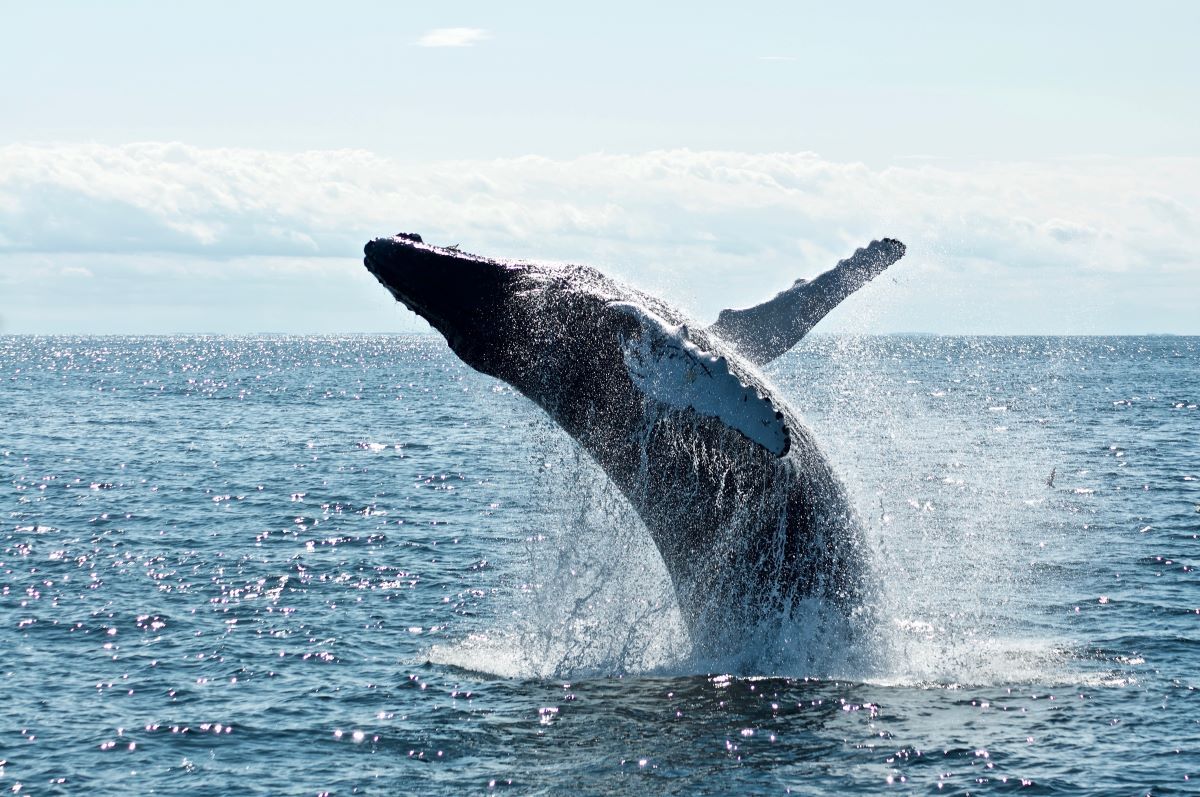
For tourists seeking to deepen their connection with nature and experience the wild side of Florida, understanding the types of whales present, their migratory patterns, and the best practices for observation is key. This guide delves into the world of Florida’s whales, offering insights into how and where tourists might catch a glimpse of these elusive giants, all while promoting responsible and ethical tourism.
The Enigmatic Marine Mammals of Florida’s Waters
Florida’s marine environment is surprisingly diverse, supporting a range of cetaceans, including several whale species. While not a primary whale-watching destination in the same vein as some cooler-water regions, Florida plays a crucial role in the life cycles of some of the ocean’s most iconic inhabitants. Understanding which whales frequent these waters and why is the first step for any aspiring marine wildlife tourist.
Common Whale Species and Their Habitats
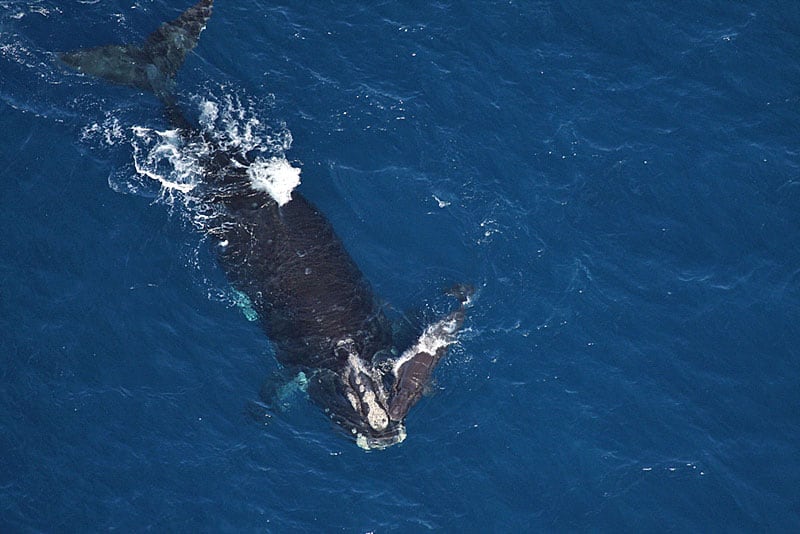
The most celebrated and critically endangered whale species found in Florida’s waters is the North Atlantic Right Whale. These massive baleen whales migrate annually to the warmer coastal waters off Florida and Georgia to calve. Their presence, primarily off the northeastern coast, makes Florida a vital nursery ground. Tourists interested in conservation often find their stories compelling, though direct sightings are rare and regulated due to their endangered status.
Beyond the North Atlantic Right Whale, other species make less frequent, but significant, appearances. Sperm Whales, known for their colossal heads and deep-diving capabilities, can be found in the deeper waters of the Gulf of Mexico and off the Atlantic coast. These are pelagic animals, meaning they prefer the open ocean, making them a rarer sight for coastal tourists but a thrilling prospect for deep-sea excursions.
Less common, but still observed, are species like Pilot Whales and various Beaked Whales. Pilot Whales are social animals often seen in pods, and while technically a large dolphin, they are frequently grouped with whales in popular discourse due to their size and behavior. Beaked Whales are among the most mysterious marine mammals, inhabiting deep offshore waters and rarely surfacing, making any sighting an extraordinary event for tourists. Occasionally, even the magnificent Humpback Whale may pass through Florida’s waters during their extensive migrations, though their preferred feeding and breeding grounds are typically further north or in the Caribbean. The rare sighting of a Bryde’s Whale (pronounced “BROO-dus”) is also possible, particularly in the Gulf of Mexico, where a distinct population has been identified. Even Orcas (killer whales), which are the largest dolphins, can occasionally be seen, especially offshore, adding another layer of excitement for tourists hoping for a unique marine encounter.
Migratory Patterns and Seasonal Sightings
The key to understanding whale presence in Florida lies in their migratory patterns. The most predictable whale presence is that of the North Atlantic Right Whale. From approximately November through April, these whales migrate from their northern feeding grounds off the coast of New England and Canada to the warmer, calmer waters off Florida and Georgia to give birth and nurse their young. This period is the “whale season” for Florida, particularly along the northeastern coastline.
For other whale species, sightings are less seasonal and more opportunistic. Sperm Whales and Beaked Whales, being deep-water inhabitants, are present year-round in the deep offshore areas, but their elusive nature means sightings are sporadic and dependent on specialized tours venturing far from shore. Tourists seeking a whale encounter should primarily focus on the winter months and the northeastern coast if their goal is to see a right whale. For other species, it’s more about being in the right place at the right time, often requiring significant effort and specialized tours.
Understanding Whale Watching Opportunities in Florida
While Florida isn’t a traditional whale watching hotspot like Alaska or Maui, the unique presence of the critically endangered North Atlantic Right Whale makes specific areas particularly significant for marine conservation tourism. For tourists, it’s about managing expectations and understanding the highly regulated nature of these encounters.
Best Regions for Whale Sightings
The northeastern coast of Florida is unequivocally the prime region for potential whale sightings, specifically for the North Atlantic Right Whale. The stretch of coastline from Jacksonville down to Cape Canaveral (often referred to as the Space Coast) is a designated critical habitat and calving ground. Cities like St. Augustine, Daytona Beach, and Cocoa Beach are within this zone.
While direct whale watching tours for right whales are not permitted in the same way as for other species due to their protected status, land-based viewing from elevated vantage points is possible. Popular spots include high-rise condos, beachfront parks, and even the dunes. Specialized aerial surveys conducted by organizations like NOAA Fisheries and local conservation groups monitor their movements, and public alerts are sometimes issued when sightings occur close to shore. For tourists, this means keeping an eye on local news and conservation websites during the winter months.
For deeper water species like Sperm Whales or Beaked Whales, multi-day offshore fishing charters or specialized scientific expeditions departing from ports along the Gulf Coast or southern Atlantic may offer a chance, though these are not typically marketed as “whale watching” tours. The Florida Keys and south Florida also occasionally report sightings of transient species, but these are often unpredictable.

Prime Seasons for Observing Whales
As mentioned, the primary whale watching season in Florida is winter, specifically from November to April, coinciding with the calving season of the North Atlantic Right Whale. During these months, the chances of spotting a right whale from shore along the northeastern coast are at their highest. These whales tend to stay in shallower, coastal waters during this period, making them more visible.
Outside of this specific window, whale sightings become significantly rarer and less predictable. Deep-sea fishing charters might encounter offshore species at any time of year, but there are no defined “seasons” for these encounters. For tourists whose primary goal is to see a whale in Florida, focusing their visit on the northeastern coast during the winter is their best strategy, always remembering that patience and a bit of luck are essential.
Beyond Whale Watching: Responsible Marine Tourism
Experiencing Florida’s marine environment, especially when it involves endangered species, comes with a responsibility. Ethical tourism practices are paramount to ensure the safety and well-being of these magnificent creatures and the preservation of their habitats for future generations.
Ethical Viewing Practices and Regulations
The Marine Mammal Protection Act strictly prohibits approaching marine mammals in ways that harass or disturb them. For North Atlantic Right Whales, specific regulations are even more stringent:
- Distance: Vessels (including kayaks, paddleboards, and drones) are legally required to stay at least 500 yards (about five football fields) away from a right whale. This applies to all vessels, including boats, jet skis, and even aircraft.
- No Pursuit: Intentional pursuit of whales is illegal. If a whale approaches your vessel, you should put your engine in neutral and allow it to pass.
- Reporting Sightings: Tourists are encouraged to report any sightings of entangled or injured whales, or any violations of viewing regulations, to the Florida Fish and Wildlife Conservation Commission (FWC) or NOAA Fisheries.
For tourists, this means that active boat-based whale watching tours for right whales are not offered. The best way to view these whales is from a distance on shore, with binoculars, or by participating in educational programs that focus on their conservation. Respecting these guidelines is not just about compliance; it’s about being a responsible steward of Florida’s natural heritage.
Complementary Marine Life Experiences
While direct whale watching may be limited, Florida offers an abundance of other incredible marine life experiences that can complement a quest for whales. Tourists can enjoy:
- Dolphin Cruises: Tours to see bottlenose dolphins are widely available throughout Florida and offer a fantastic opportunity to see cetaceans in their natural habitat.
- Manatee Tours: In specific areas like Crystal River, tourists can even swim with manatees in designated areas, a truly unique interaction.
- Sea Turtle Walks: During nesting season (May-October), many coastal areas offer guided nighttime walks to observe sea turtles nesting or hatchlings emerging.
- Aquariums and Marine Science Centers: Facilities like Mote Marine Laboratory in Sarasota or the Clearwater Marine Aquarium offer educational exhibits and rehabilitation efforts, providing insights into marine life conservation without direct interaction in the wild.
- Snorkeling and Diving: The coral reefs off the Florida Keys are teeming with colorful fish, sharks, and rays, offering an immersive underwater experience.
- Kayaking and Paddleboarding: Exploring the calm waters of Florida’s estuaries and bays can lead to encounters with various bird species, stingrays, and even juvenile sharks, offering a different perspective on marine ecosystems.
These activities allow tourists to engage deeply with Florida’s rich marine biodiversity, fostering appreciation and understanding, which are critical for the long-term protection of all marine species, including whales.
Planning Your Florida Whale Encounter
For the dedicated tourist hoping to catch a glimpse of a whale in Florida, careful planning and realistic expectations are essential. It’s an experience that prioritizes conservation and requires flexibility.
Essential Tips for Tourists
- Timing is Everything: Focus your visit on the northeastern Florida coast between November and April for the best chance of a right whale sighting.
- Land-Based Observation: Prepare for land-based viewing. Bring good quality binoculars or a spotting scope. Elevated positions like beachfront parks, boardwalks, or high-rise balconies offer the best vantage points.
- Stay Informed: Follow local marine conservation organizations and FWC social media or websites for potential right whale sighting alerts. Communities like Flagler Beach, Ponte Vedra Beach, and Cocoa Beach often have local groups dedicated to monitoring.
- Consider an Educational Approach: If you’re passionate about whales, visit a local marine science center or museum. These institutions often provide invaluable information about conservation efforts and the species found in Florida’s waters.
- Patience and Luck: Whale sightings are never guaranteed. Be patient, enjoy the beautiful Florida coastline, and consider any whale sighting a bonus to your trip.
- Safety First: Always prioritize your safety and the safety of the whales. Never approach a whale, and adhere strictly to all marine mammal viewing guidelines.
Reputable Tour Operators and Resources
While specific “whale watching” tours for right whales are not permissible, tourists can still engage with reputable operators for other marine experiences that might incidentally lead to a distant sighting or provide invaluable knowledge. Look for companies that emphasize eco-tourism, adhere to NOAA’s “Dolphin Smart” or similar responsible viewing guidelines, and employ knowledgeable naturalists. Many dolphin and eco-tours in areas like St. Augustine or along the Indian River Lagoon offer insights into the broader marine ecosystem.
For the most up-to-date and accurate information on whale activity and conservation, consult official resources:
- The Florida Fish and Wildlife Conservation Commission (FWC): Provides information on marine mammal regulations and reporting.
- NOAA Fisheries: Offers comprehensive data on whale species, conservation efforts, and viewing guidelines.
- Local Marine Research Centers: Organizations such as the Hubbs-SeaWorld Research Institute or the Marine Resources Council often have educational programs and public outreach regarding local marine life.
In conclusion, while spotting a whale in Florida requires specific timing and adherence to ethical guidelines, the possibility exists, particularly for the endangered North Atlantic Right Whale during their winter calving season. For tourists, it’s an opportunity not only to witness nature’s grandeur but also to participate in responsible tourism that supports the conservation of these magnificent ocean giants and their vital Florida habitats. By combining patience with a commitment to ethical viewing, a truly memorable and impactful marine tourism experience awaits.
LifeOutOfTheBox is a participant in the Amazon Services LLC Associates Program, an affiliate advertising program designed to provide a means for sites to earn advertising fees by advertising and linking to Amazon.com. Amazon, the Amazon logo, AmazonSupply, and the AmazonSupply logo are trademarks of Amazon.com, Inc. or its affiliates. As an Amazon Associate we earn affiliate commissions from qualifying purchases.